
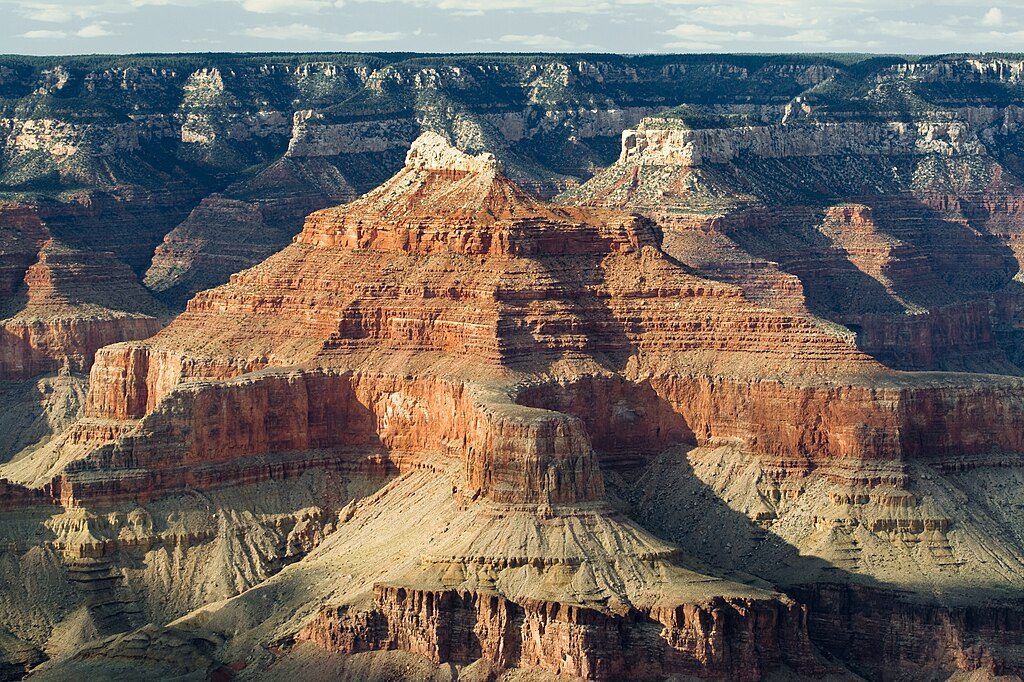
Place · 2.1 mi away
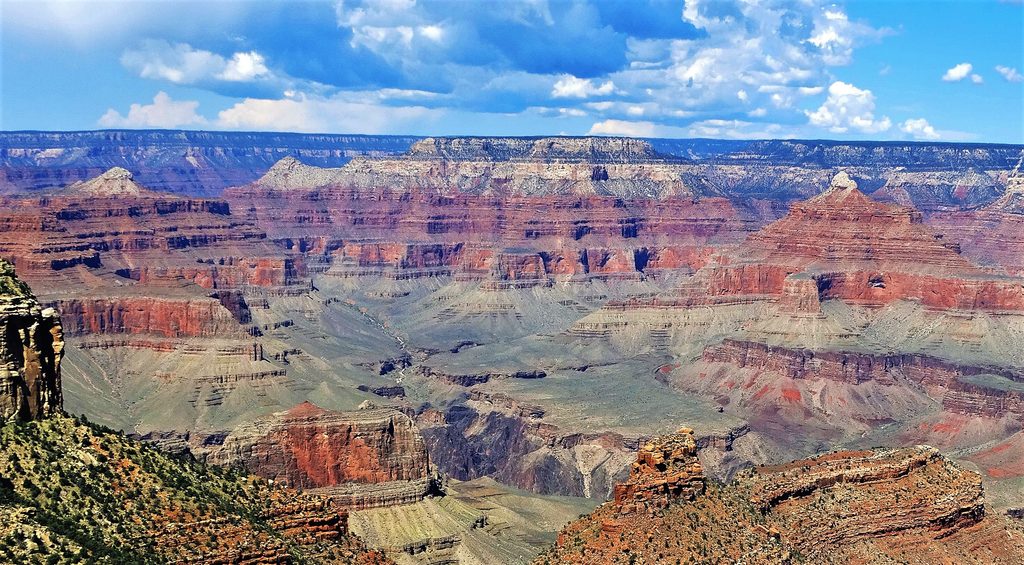
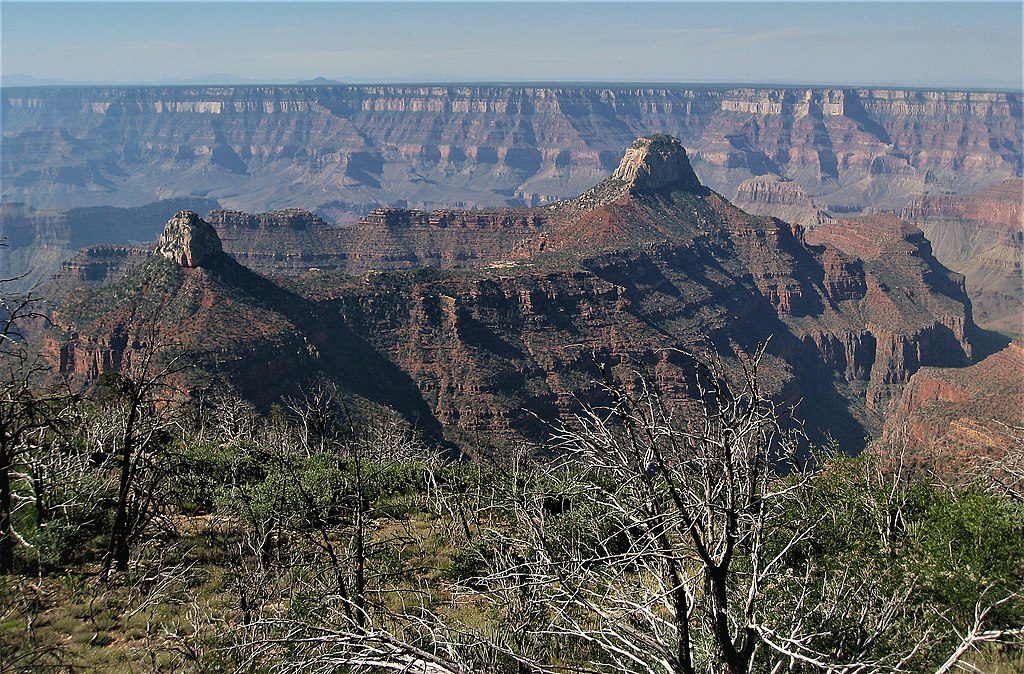
Shiva Temple is a remote, flat-topped butte rising to about 7,646 feet—one of the Grand Canyon’s classic “temples.” It sits like a forested island far from the rims, with sheer walls isolating a broad, level plateau. Early canyon explorer Clarence Dutton considered it among the most majestic buttes and named it within the park’s tradition of mythic deities.
Its summit plateau is unusually flat and forested for such an isolated landform. The formation caps with Kaibab Limestone and looms thousands of feet above the Colorado River, making it a dramatic anchor in the canyon’s inner maze. A 1937 scientific expedition, intrigued by the summit’s isolation, found Ancestral Puebloan ruins and deer antlers—no endemic species, but plenty of mystery.
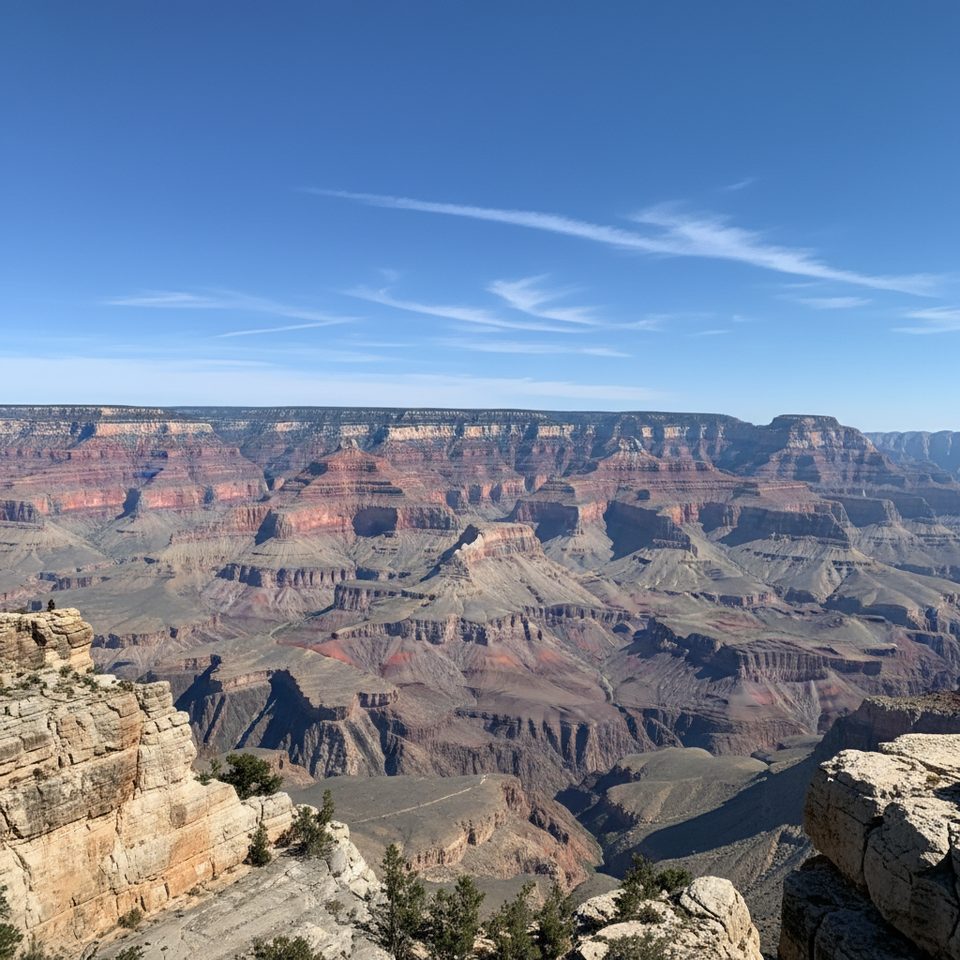
Most people experience Shiva Temple by spotting it from North Rim viewpoints within the same map quadrangle—Tiyo Point and Point Sublime are logical vantages. It’s also visible from some South Rim viewpoints in clear conditions. If you’re into canyon geology and the park’s deity-themed landmarks, picking it out among neighbors like Isis and Osiris Temples is half the fun.
There is no official trail or trailhead to the summit, no water, and no facilities. Reaching it requires expert-level backcountry route-finding and likely technical climbing skills. If you’re not a seasoned canyon traveler with permits and a solid plan, admire it from established viewpoints instead. Bring ample water and snacks even for rim hikes—weather can be variable and dry.
Named in the late 1800s, Shiva Temple’s isolation prompted that 1937 expedition searching for unique evolution on the plateau; they confirmed archaeological traces but no new species. Wildlife is limited by access, though deer have left their mark. The butte’s limestone cap and proximity to major canyon stratigraphy make it a compelling geological reference point.
There aren’t crowd issues here—the challenge is visibility and conditions. Aim for clear-weather days so you can pick it out cleanly from North Rim viewpoints. Be prepared for variable, often cool and dry conditions on the rim.
Place · 2.1 mi away
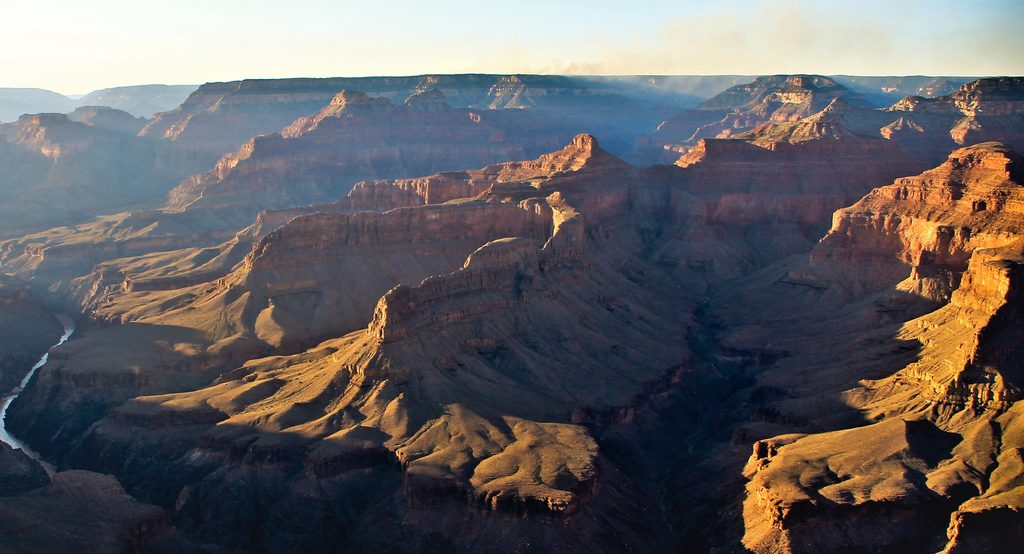
Place · 2.9 mi away
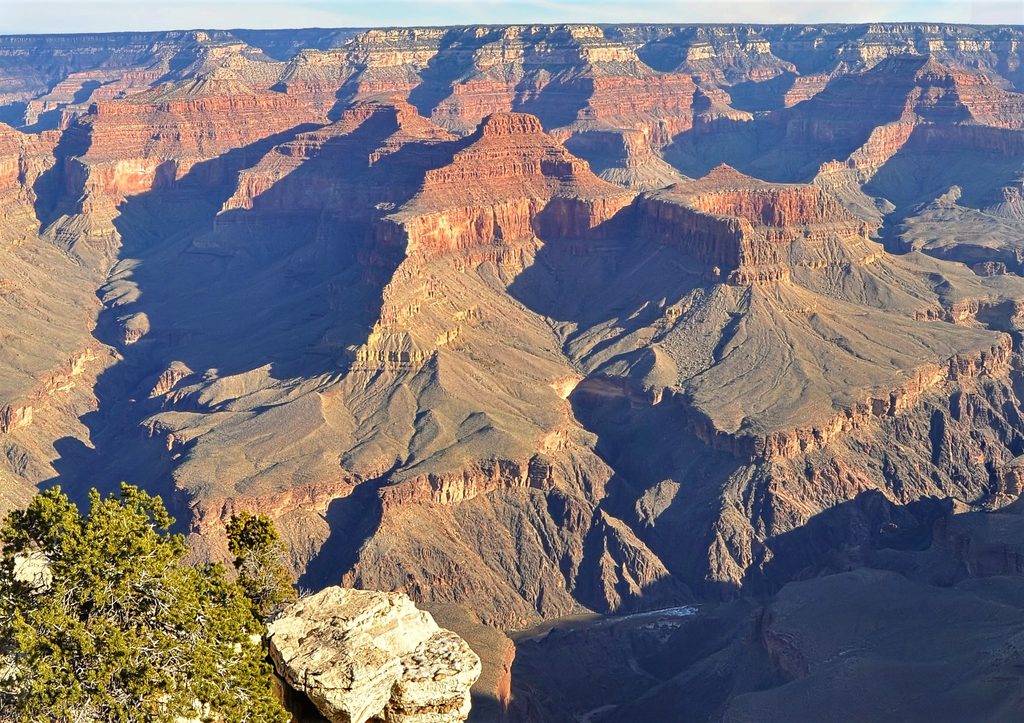
Place · 3.2 mi away
Place · 4.4 mi away
Easy · 6.4 mi away
Easy · 6.7 mi away
Moderate · 6.7 mi away
Moderate · 6.7 mi away

Parkwolf Tour Guide
