
Place · 2 mi away
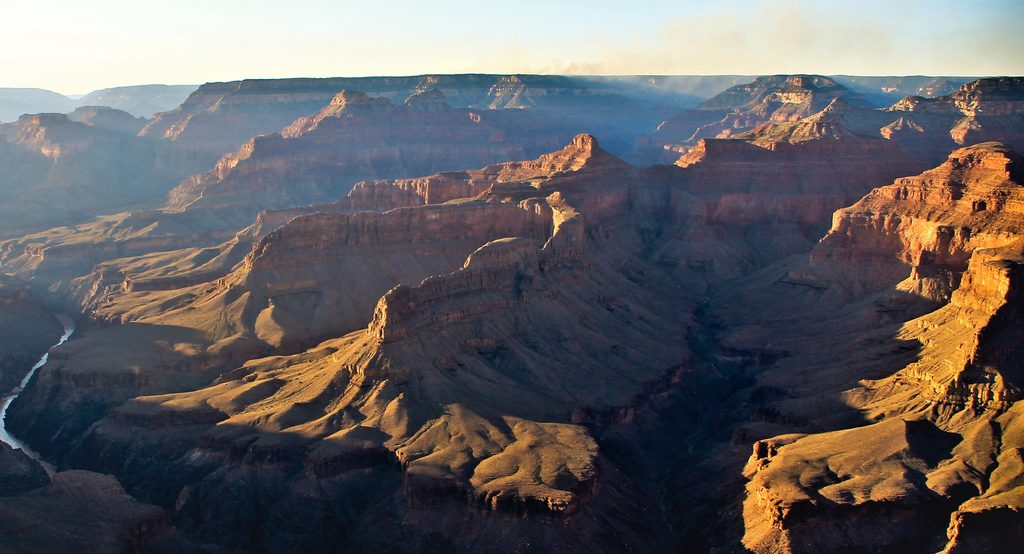
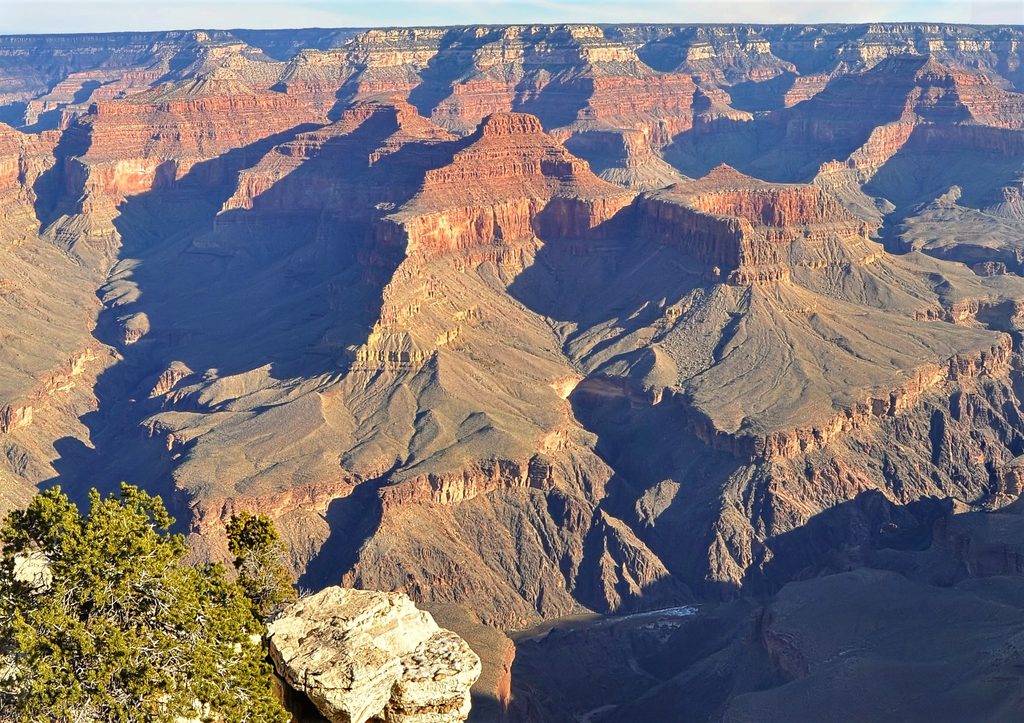
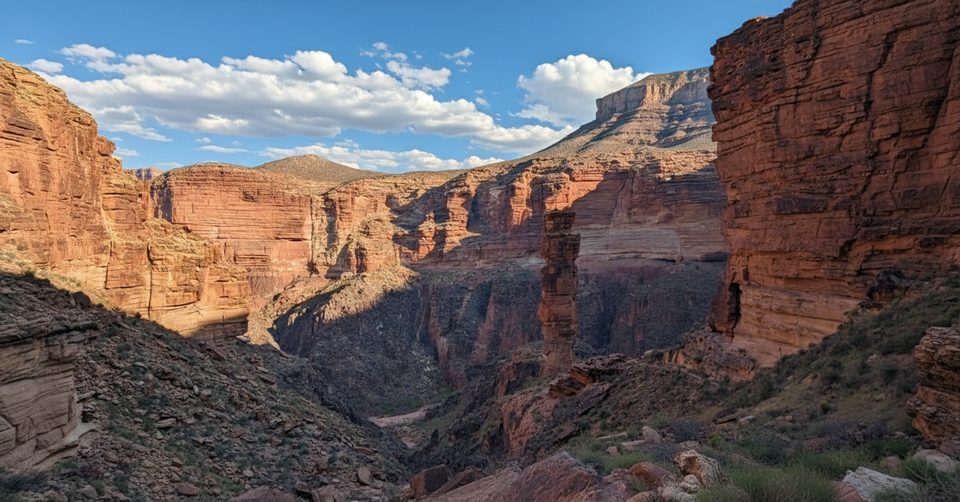
Rising to 6,129 feet, the Tower of Ra is a remote, sculpted summit on the North Rim side of the canyon, grouped with neighboring formations like Osiris and Horus Temples. It takes its name from the Egyptian sun god, part of the canyon’s tradition of myth-inspired names, and presents as a striking, obelisk-like spire set above deep tributary canyons and the Colorado River far below.
Most visitors experience the Tower of Ra from afar. Yuma Point on the South Rim lines up a clean view across to the formation and the short canyon beneath it. Air tours also spotlight the spire’s form amid a maze of temples and buttes—an impressive way to grasp the scale of this sector of the canyon.
The formation is composed of layered sandstone, siltstone, and mudstone characteristic of the Colorado Plateau. Perched among a cluster of isolated “temples,” it reads as a distinct high point in this part of the backcountry, with nearby Osiris Temple as its nearest higher neighbor.
This is a serious, niche objective for experienced climbers—technical skills and a full desert rack are the baseline. The first recorded ascent was in 1977, and even today there are very few logged ascents. Expect complex route-finding, multi-pitch climbing on desert stone, and a long, committing approach; this is not a casual hike.
The surrounding backcountry supports desert bighorn sheep, raptors like peregrine falcons and hawks, and a mix of small mammals and reptiles. Sightings are hit-or-miss and depend heavily on season, time of day, and luck.
There are no facilities of any kind here—no trailhead, parking, restrooms, water, or marked routes. Overnight use in the backcountry requires a permit, and Leave No Trace is essential. If you’re navigating with maps or GPS, note that some sources differ in coordinate datum; align your device (e.g., WGS84 vs NAD27) before you go. Check forecast resources and snow-depth maps when planning.
For most visitors, yes—as a sight to admire from a distance. It’s photogenic and memorable from rim viewpoints or by helicopter. For climbers and seasoned backcountry travelers, it’s a coveted—but very committing—target.
Year-round viewing from rim overlooks or by air. Pick clear-weather days for long-distance visibility. If you’re attempting a backcountry approach or climb, plan carefully for heat and sun exposure and monitor forecasts closely.
Place · 2 mi away
Place · 2.4 mi away
Place · 2.8 mi away
Place · 2.8 mi away
Challenging · 5.6 mi away
Challenging · 5.6 mi away
Challenging · 5.6 mi away
Challenging · 5.6 mi away

Parkwolf Tour Guide
