
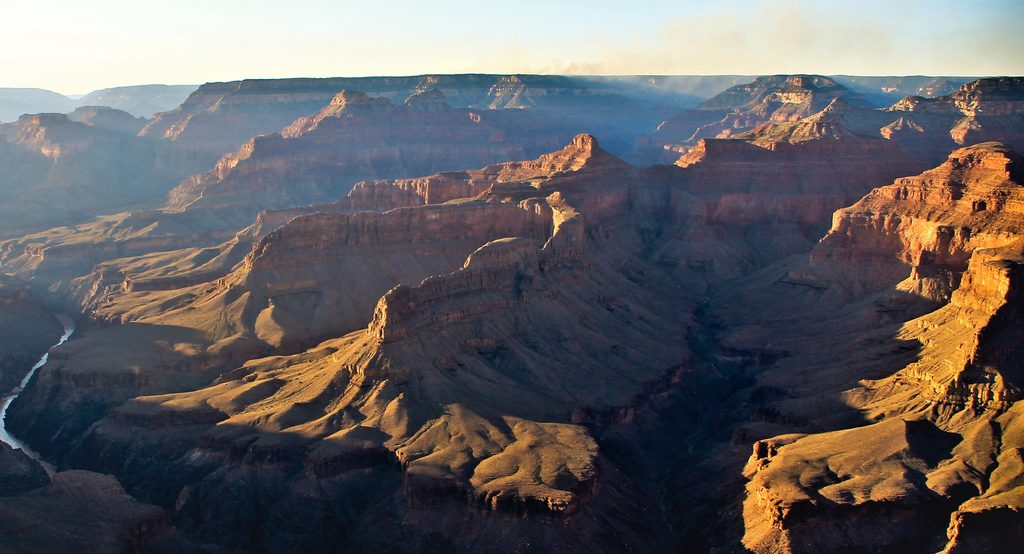
Place · 2 mi away
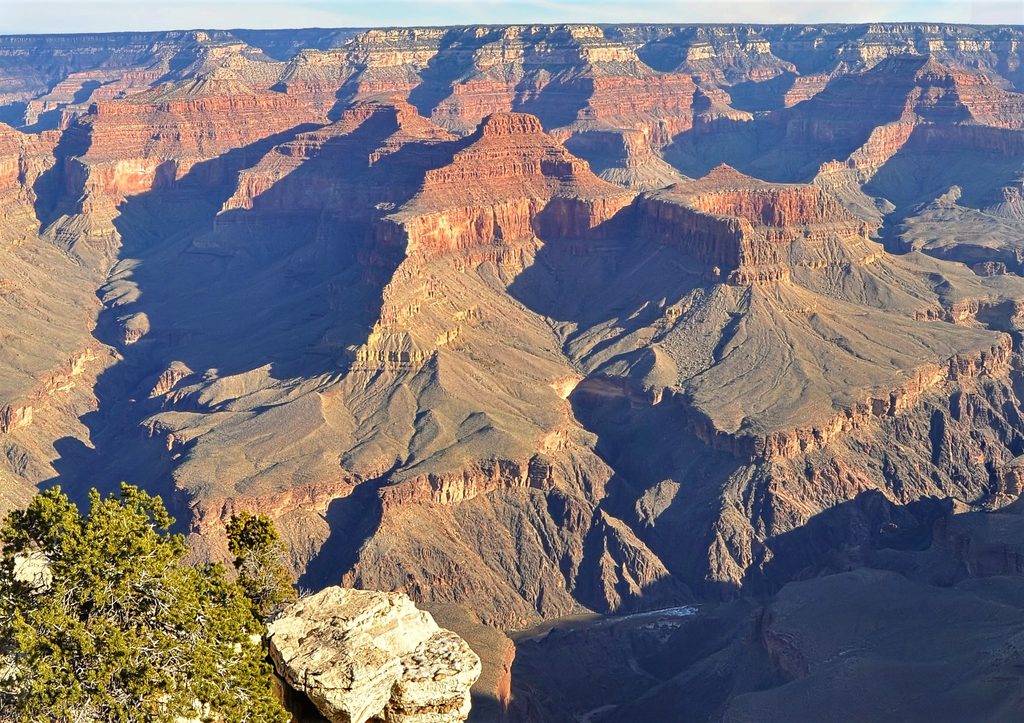
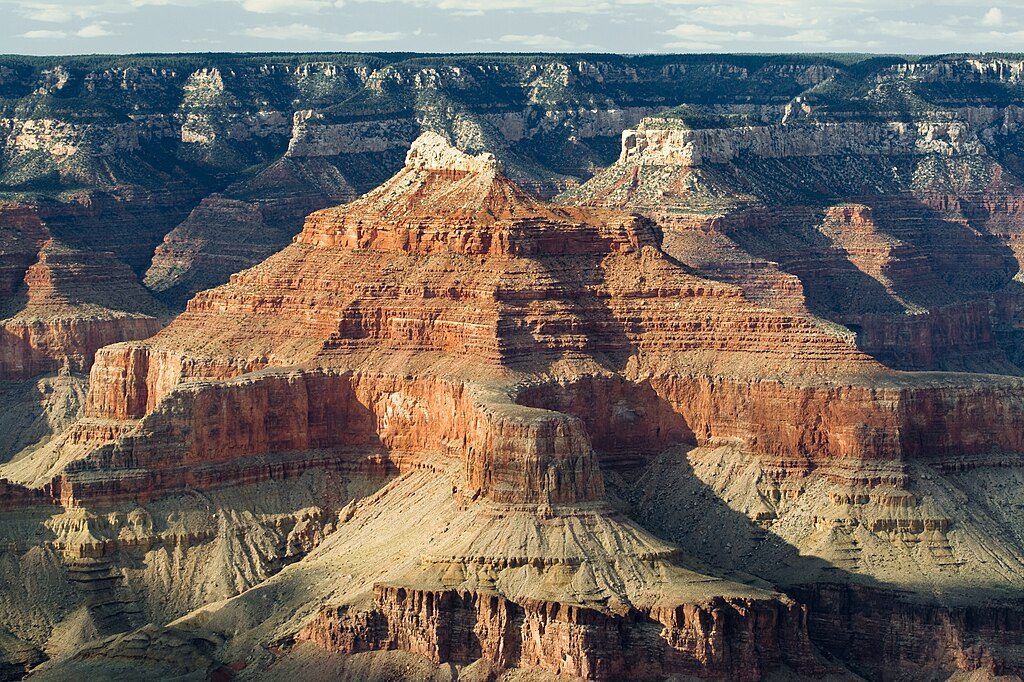
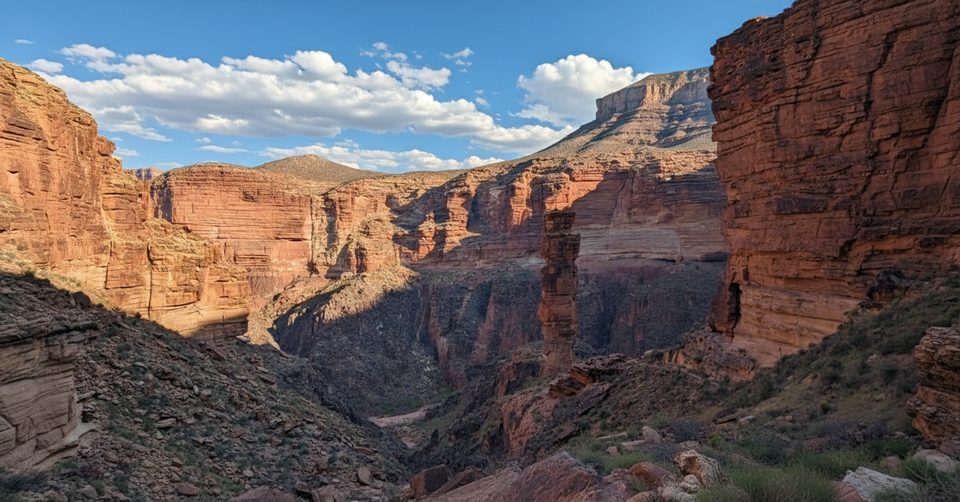
Tower of Set is a remote, named summit deep in the canyon, part of a chain of Grand Canyon landforms named after Egyptian deities. It stands beside the Tower of Ra with a narrow saddle between them and rises to about 6,012 feet. This is not a developed destination—it’s a landmark you admire from the rim rather than visit up close.
Your best vantage points are Mohave Point and Pima Point on the South Rim. Bring binoculars or a telephoto lens to pick out the Tower of Set among neighboring features like Tower of Ra, Osiris Temple, and Horus Temple. The formation’s bold profile and isolation make it a satisfying find once you spot it.
The pairing with Tower of Ra and the exposed saddle between them make this cluster visually striking. Views open toward the main Colorado River corridor, giving a sense of the canyon’s scale. The name follows the park’s tradition of mythological place-names; it has been attributed to painter Thomas Moran, whose era helped shape how people saw and labeled these landscapes.
Like its neighboring “temples,” Tower of Set is built from layered sedimentary rocks—sandstone, siltstone, and mudstone—whittled by millions of years of erosion into sheer cliffs and an isolated butte.
Specific sightings at the tower aren’t documented, but the broader region supports mule deer, desert bighorn sheep, ravens, and raptors. Vegetation is sparse on the cliffs, with pockets of growth where soil collects.
There are no official trails, facilities, or pullouts at Tower of Set. It’s primarily a backcountry feature with very low visitation—ascents are rare. Expect no services and unreliable cell coverage. If you’re venturing into nearby backcountry, carry ample water, sun protection, and detailed maps; backcountry camping in the region requires a permit.
Late afternoon into sunset is prime time—the shifting light paints the red and orange layers and throws dramatic shadows across the temples. Clear days offer the best contrast for photography from Mohave and Pima Points.
Place · 2 mi away
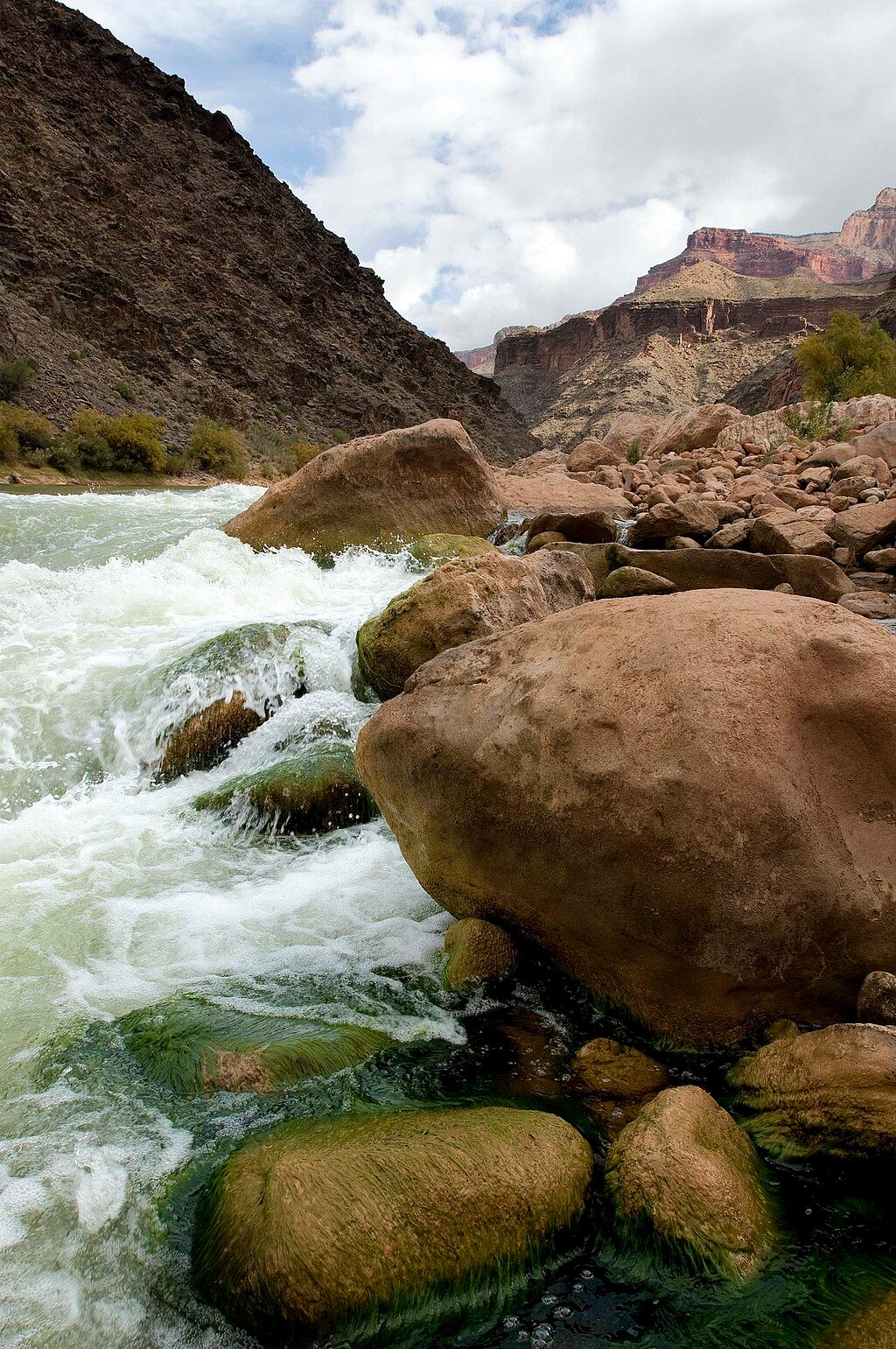
Place · 2.3 mi away
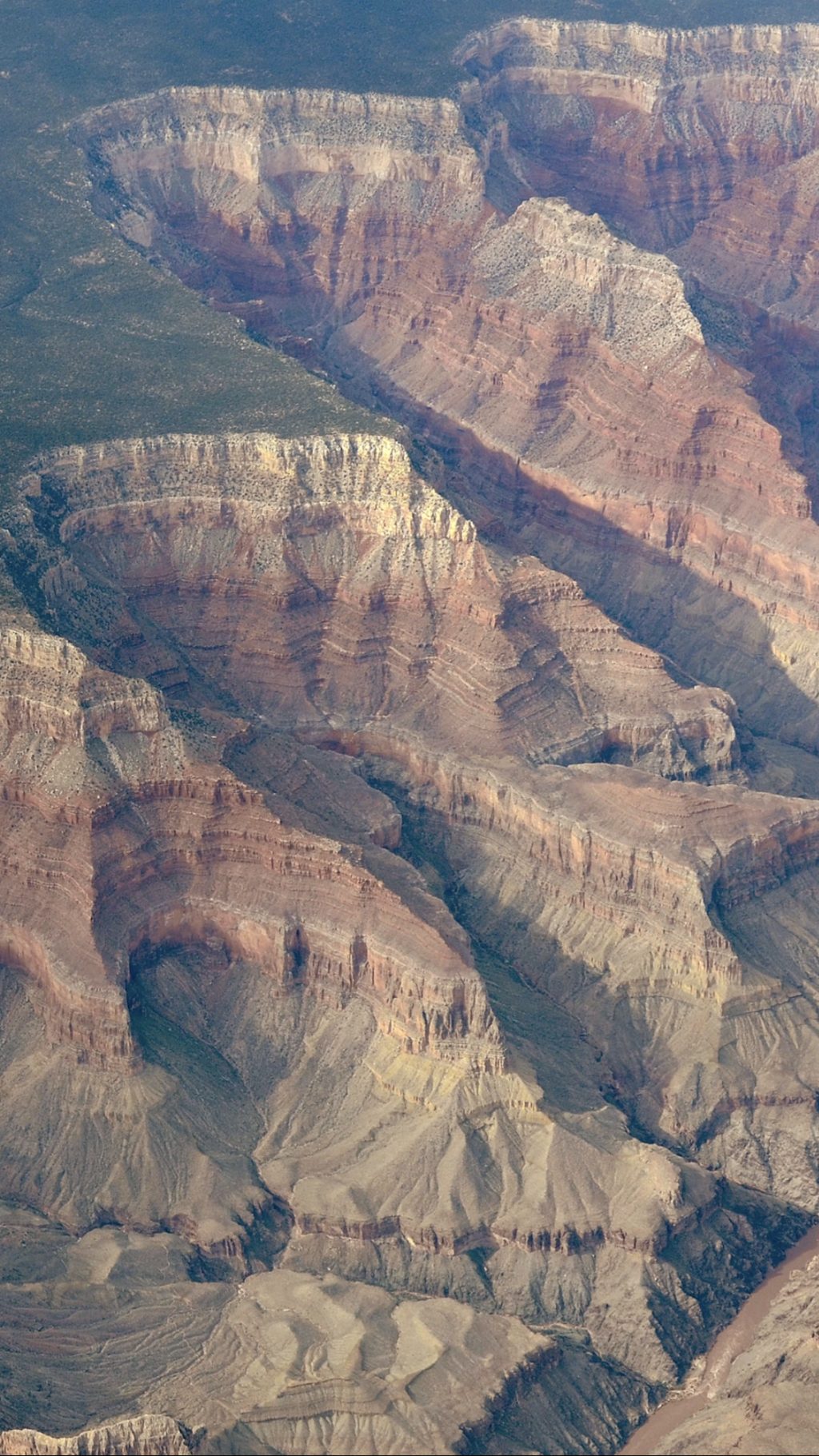
Place · 2.6 mi away
Place · 2.7 mi away
Easy · 4.2 mi away
Challenging · 4.6 mi away
Challenging · 4.6 mi away
Challenging · 4.6 mi away

Parkwolf Tour Guide
