
Place · 0 mi away
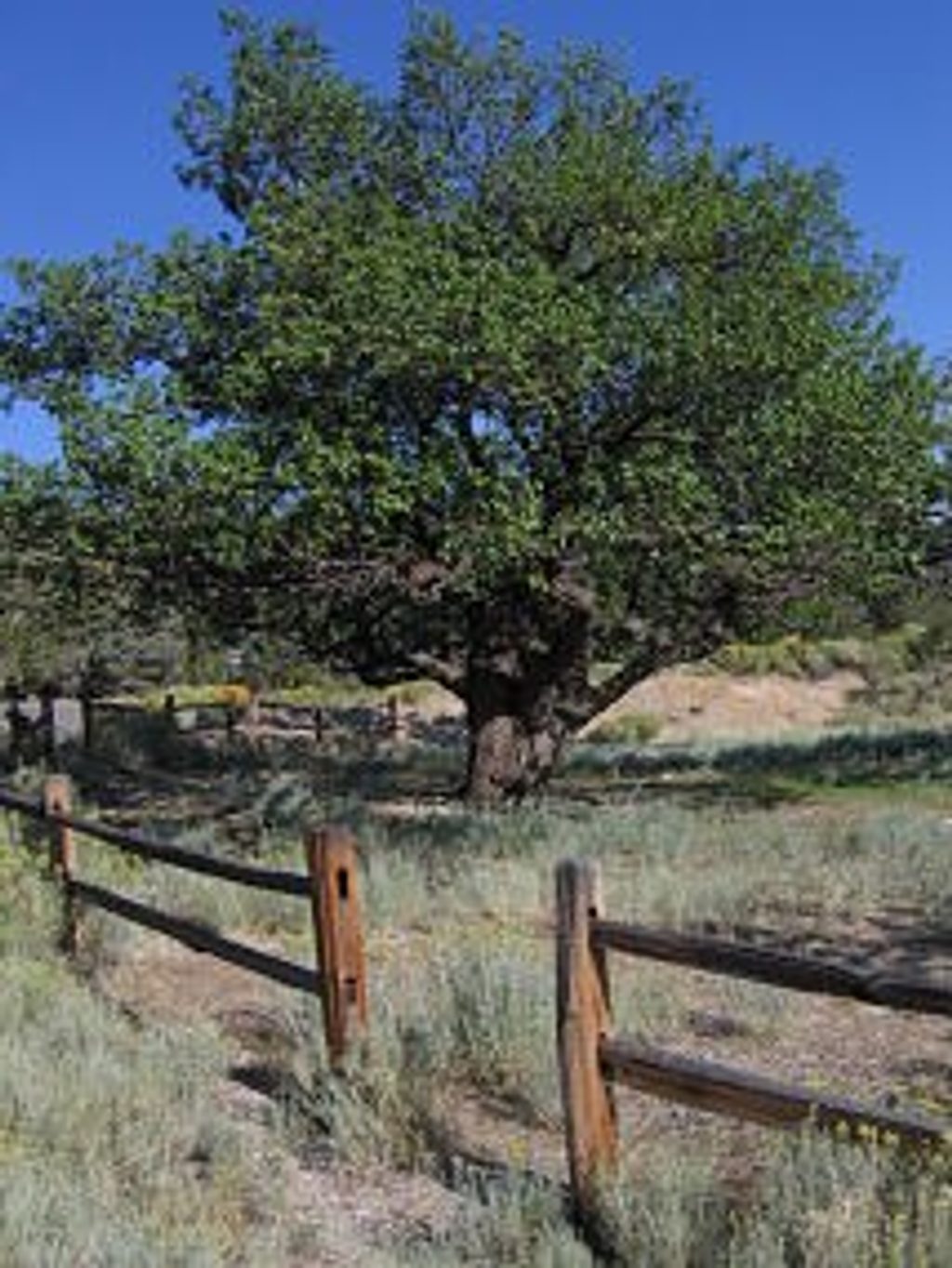
A quick, rewarding stop right by the cave visitor center, the Lehman Orchard and Aqueduct tie human grit to scarce desert water. In the 1880s, Absalom Lehman hand-dug an irrigation ditch from Lehman Creek to keep an orchard of 100+ fruit trees alive in this dry landscape. Today you can stroll past a reconstructed section of the ditch on the Mountain View Nature Trail and look down on the historic orchard just below the lower parking lot.
Both the orchard and aqueduct are listed on the National Register of Historic Places for showcasing early irrigation ingenuity in Snake Valley. It’s a bite‑size history lesson that clicks: no water, no fruit—so someone built a way to move it.
Park at the Lehman Caves Visitor Center. The Mountain View Nature Trail, right next to it, passes the aqueduct section; the orchard sits immediately below the lower lot. There are no restrooms or potable water at the orchard/aqueduct—use the visitor center facilities when they’re open, and bring your own water. Do not drink from or enter the ditch.
Great Basin’s karstic limestone geology stores and moves groundwater, which is why caves and dependable springs occur here at all. That underground plumbing is the reason an orchard could exist on this desert slope once the water was routed to it.
This is an easy add‑on to any Lehman Caves day: walk the trail, read the signs, then swing by the orchard to see what’s ripening. The park has occasionally closed the cave visitor center parking on short notice in recent seasons—check with rangers for current parking guidance if needed.
Hit it early or late in the day for softer light and fewer people on the nature trail. Midday, especially on weekends, the area around the visitor center is busiest. Fruit picking is strictly seasonal—if that’s your goal, ask rangers what’s currently ripe.
Place · 0 mi away
Place · 0 mi away

Place · 0 mi away

Place · 0 mi away
Moderate · 1.1 mi away
Challenging · 1.9 mi away
Challenging · 2.4 mi away
Moderate · 2.4 mi away

Parkwolf Tour Guide
