Place · 0 mi away

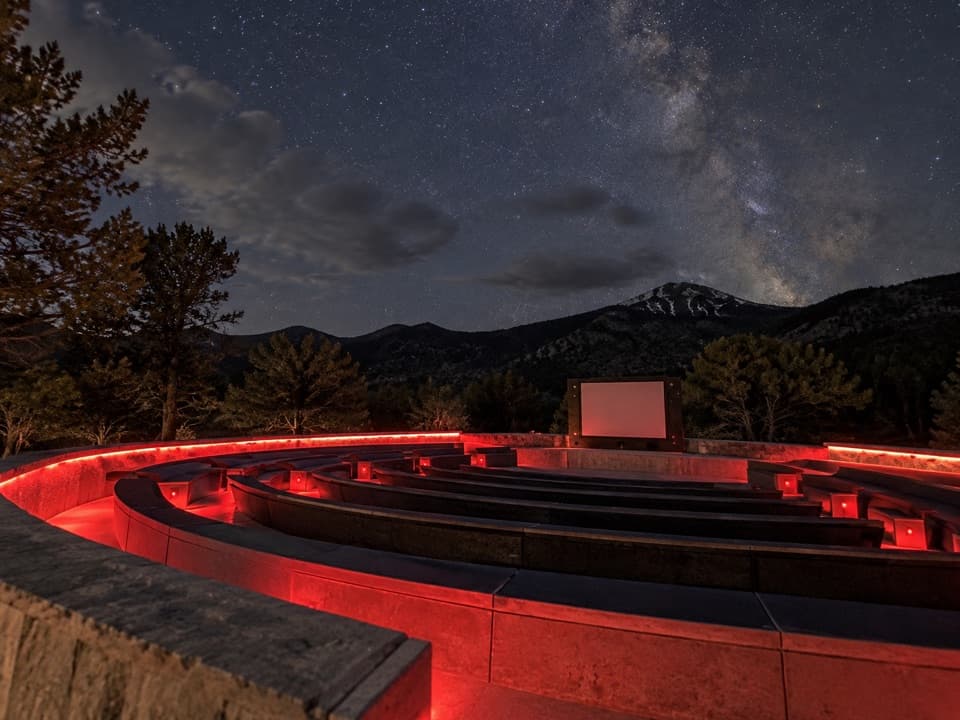
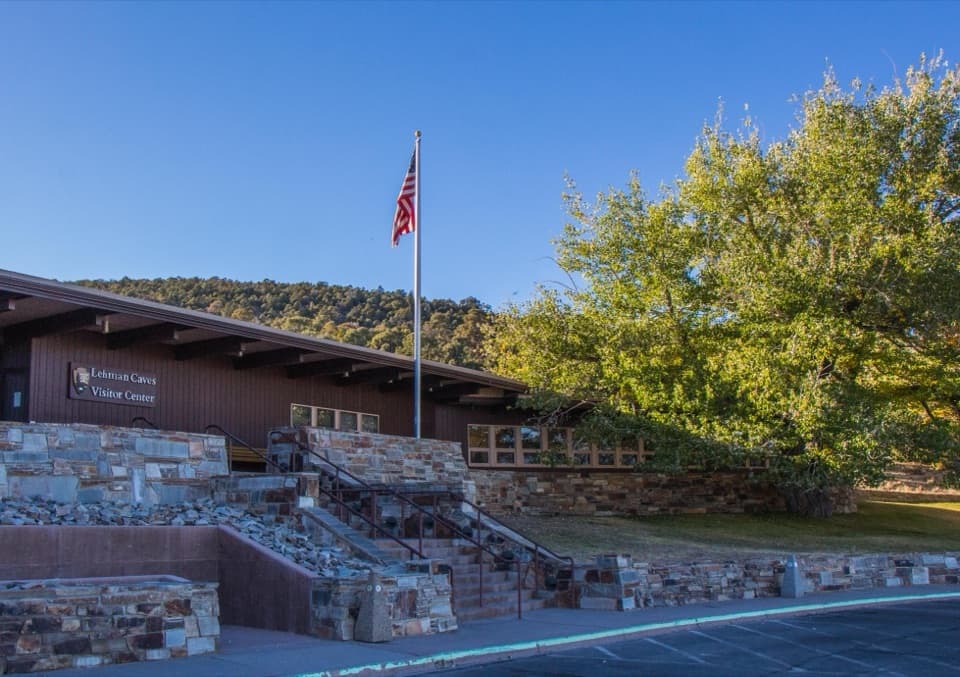
Tucked beside the Lehman Caves Visitor Center, the Astronomy Amphitheater is the park’s purpose-built hub for stargazing talks and telescope time under some of the darkest skies in the Lower 48. Red, dimmable lighting preserves night vision, and the bermed setting blocks stray car headlights so your eyes stay dark-adapted.
Summer is prime time: expect programs most weeks from roughly Memorial Day through Labor Day (typically Thursday–Sunday), then fewer nights into October. Each program runs about two hours—around a 30‑minute ranger talk followed by roughly 90 minutes of telescope viewing. The park uses large telescopes (including 11‑inch Celestron instruments) and cycles through targets as the night progresses. It’s free and first-come, first-served; no reservations.
On clear, moonless nights, galaxies, nebulae, globular clusters, and the Milky Way pop. When the Moon is bright, the focus shifts to the Moon’s craters, bright star clusters, and planets. Rangers also host daytime solar scope sessions on many clear summer afternoons behind the visitor center.
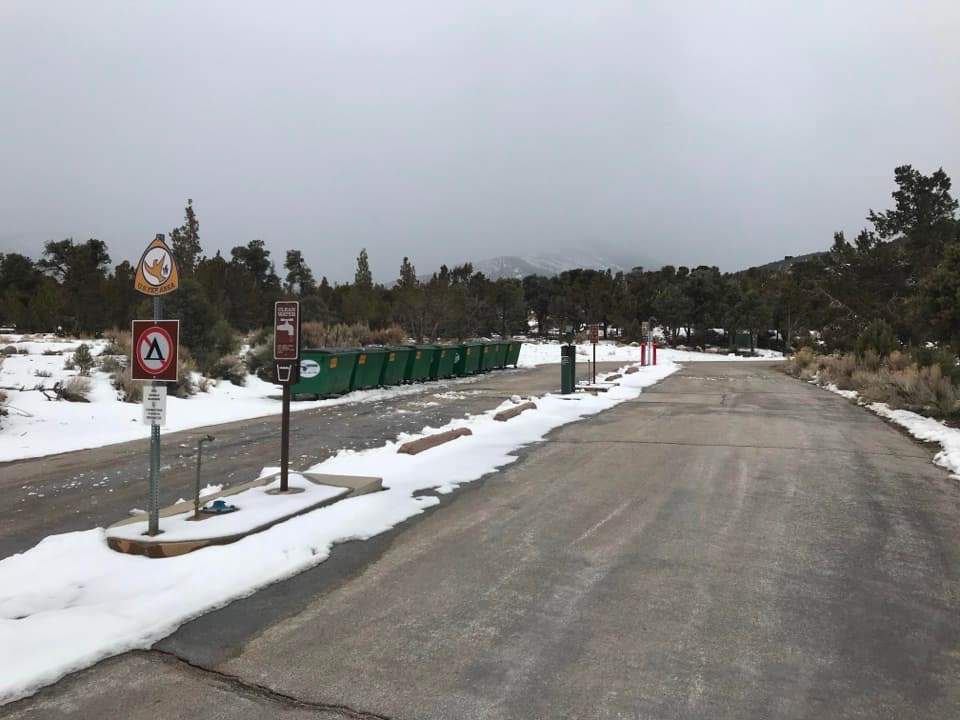
You’ll park at the Lehman Caves Visitor Center and walk down a short dirt path to fixed bench seating. The area has flush restrooms, picnic tables, trash receptacles, and an information kiosk. Cell service is spotty and there’s no reliable internet at night.
Rangers will “thread the gaps” on partly cloudy nights, but rain or lightning within 30 minutes cancels the program. Always bring warm layers—even midsummer nights can be chilly here.
Missed the program? You can still stargaze from many pullouts, lots, and trails across the park. Each September, the park’s Astronomy Festival brings extra scopes and special events, and the nearby research-grade Great Basin Observatory occasionally offers tours tied to the festival.
A red-light headlamp or red phone filter, warm layers, closed-toe shoes for the dirt surfaces, patience for telescope lines, and a sense of wonder.