Place · 0 mi away

Lehman Caves is the park’s signature underground experience—an intricately carved marble cavern famed for dense, delicate formations and especially its rare “shields.” You can only visit on a ranger-guided tour, which keeps the cave protected and turns the geology lesson into a story worth hearing.
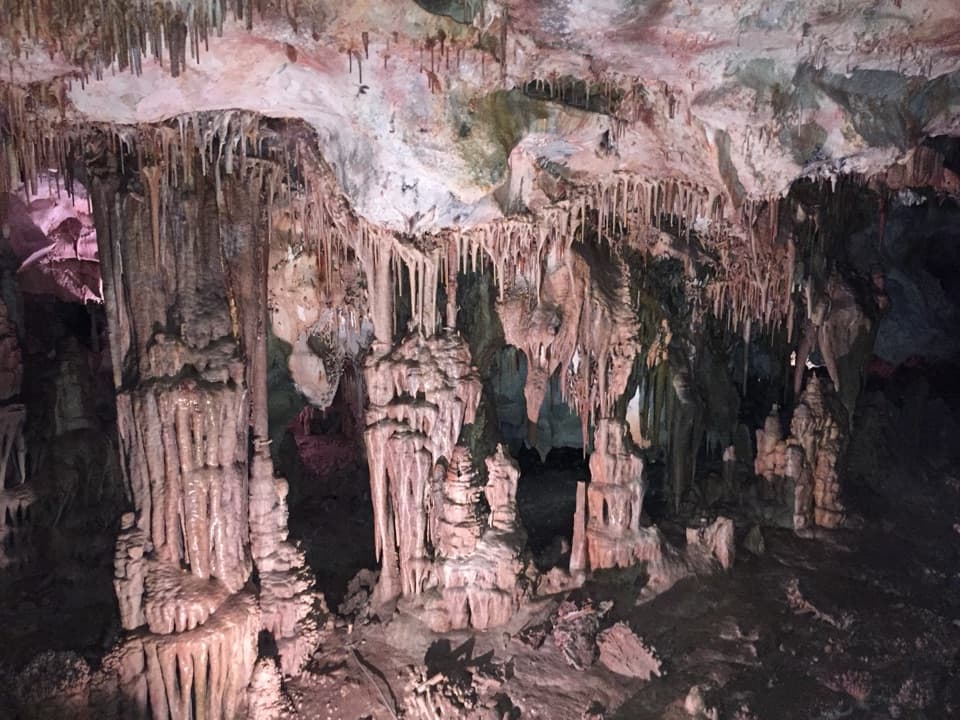
Modern research shows Lehman Caves is largely hypogenic—built from acidic water rising from below rather than streams flowing in from the surface. Hydrogen sulfide in upwelling waters oxidized into sulfuric acid near an ancient water table, dissolving the marble and leaving telltale features. Look for rillenkarren (fine vertical solution grooves), pseudo‑scallops, incised “water lines,” and overhung pool margins—classic fingerprints of sulfuric‑acid corrosion. Later, when the water table dropped, calcite‑rich drips “decorated” the voids with stalactites, stalagmites, shields, and more. A long, slow phase of condensation corrosion has since nibbled at many formations, giving some that subtly “eaten” look.
Expect rooms thick with speleothems—shields, draperies, stalactites, stalagmites, and popcorn—nicely spotlighted to show off detail. Rangers point out the solution notches and other sulfuric‑acid clues most people would miss on their own. It’s an intimate cave: passages can be low and narrow in spots, with damp footing and subdued light.
If you want elbow room, aim for weekday mornings right at opening or late‑afternoon tours. Weekends—especially late morning to early afternoon—tend to be the busiest. Reserve ahead regardless, but if you’re flexible, midweek slots are typically calmer and easier to nab.
Bats use portions of the cave (hence the screening), but you’re unlikely to see them on standard tours. The ranger narration focuses on geology, cave climate, and how tiny human touches can halt formations—one more reason the no‑touch rule matters.
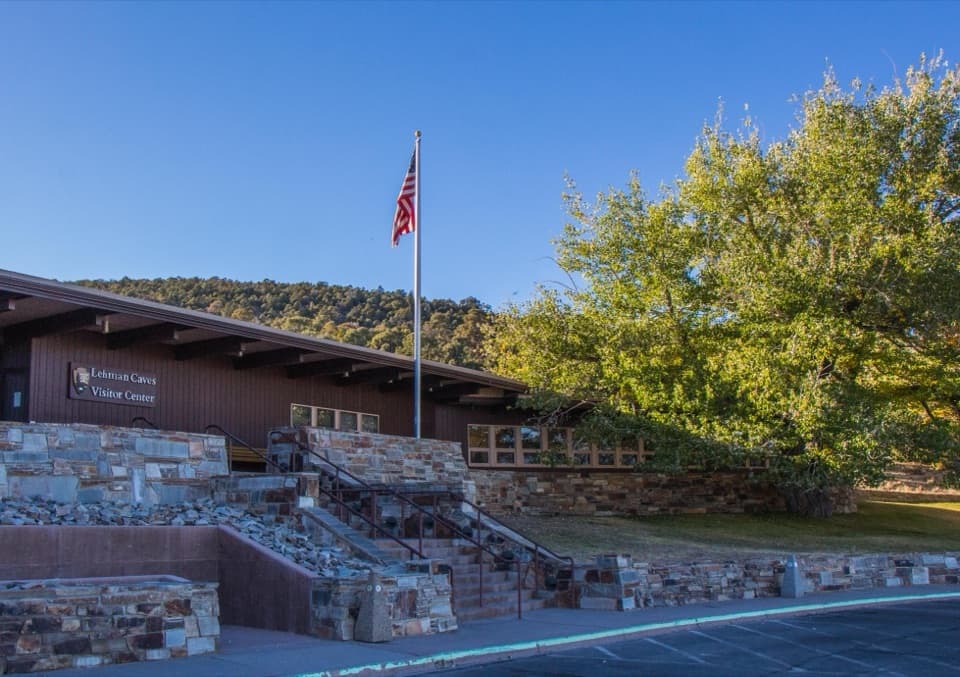
Guided visits here go back to 1885, and the site saw major improvements in the mid‑20th century: a new entrance tunnel, electric lighting, and the current visitor center were added during the Mission 66 era, expanding tour routes while safeguarding the cave.