
Place · 0 mi away
Challenging
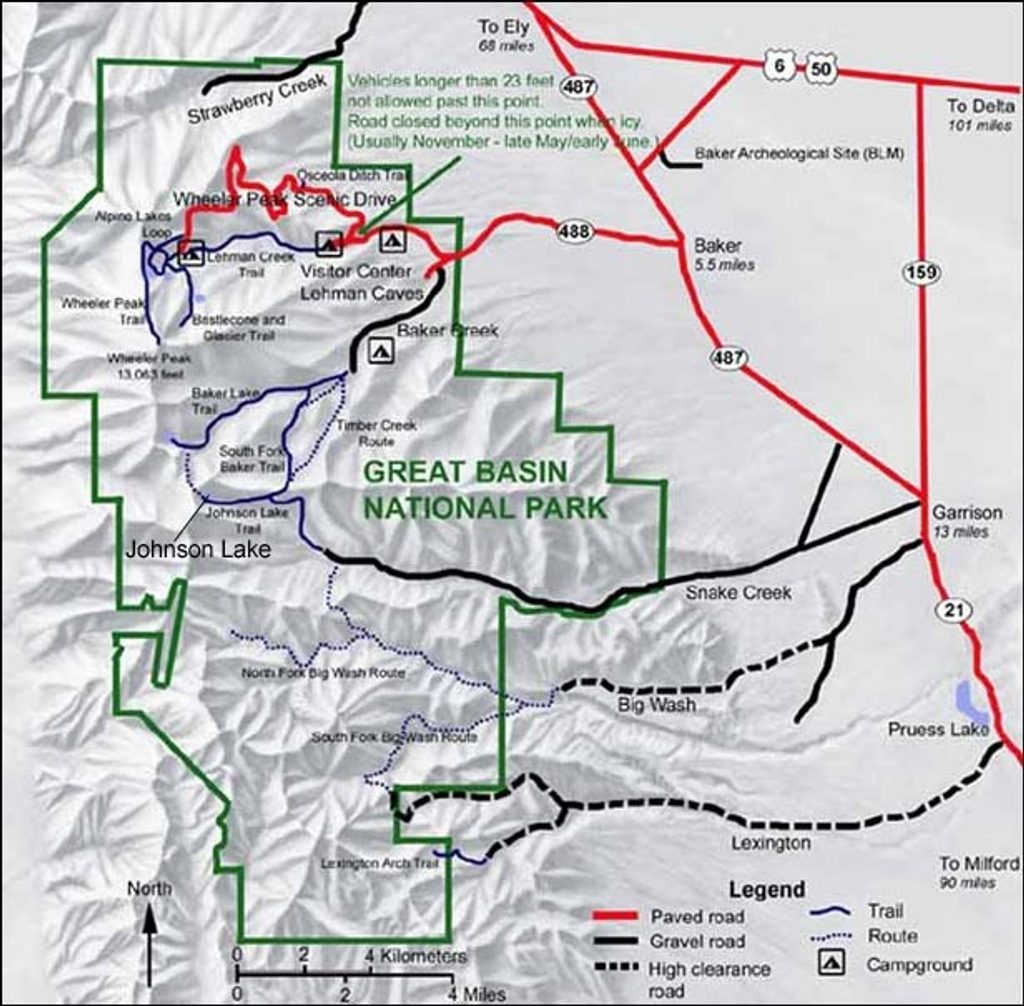
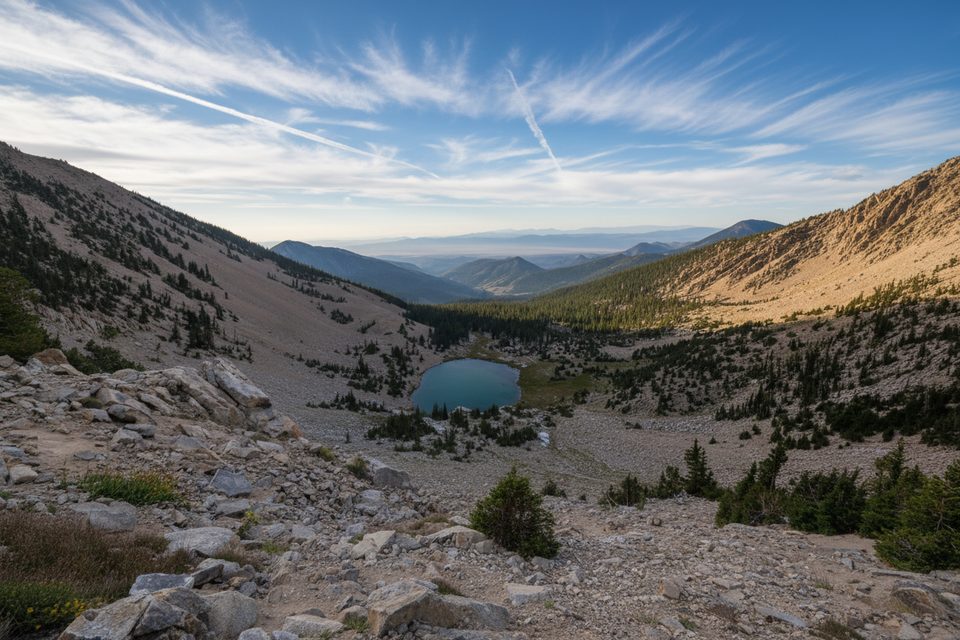
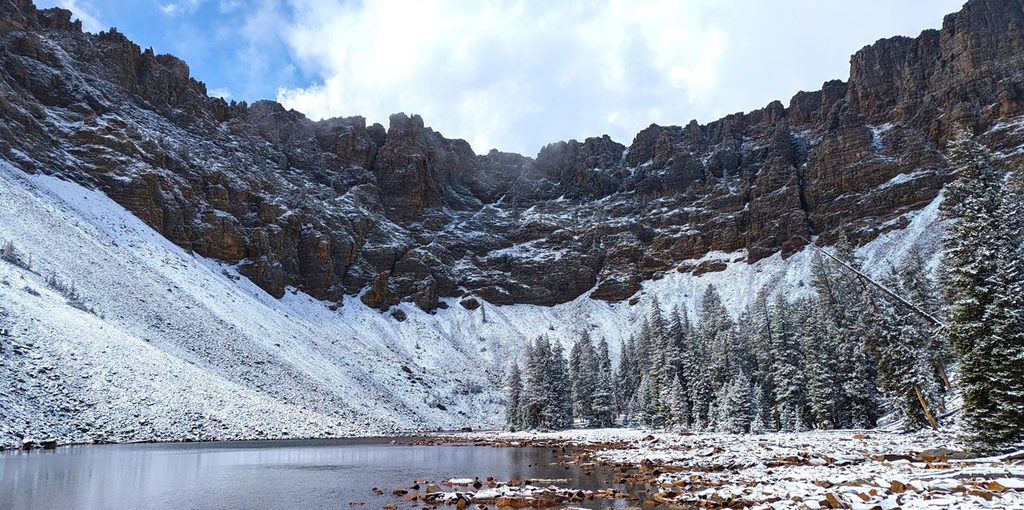
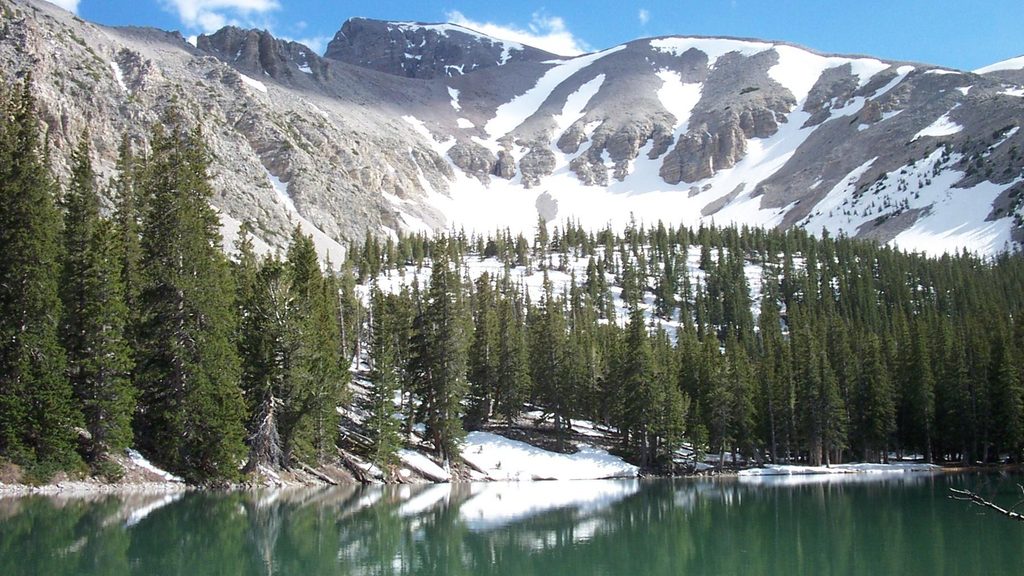
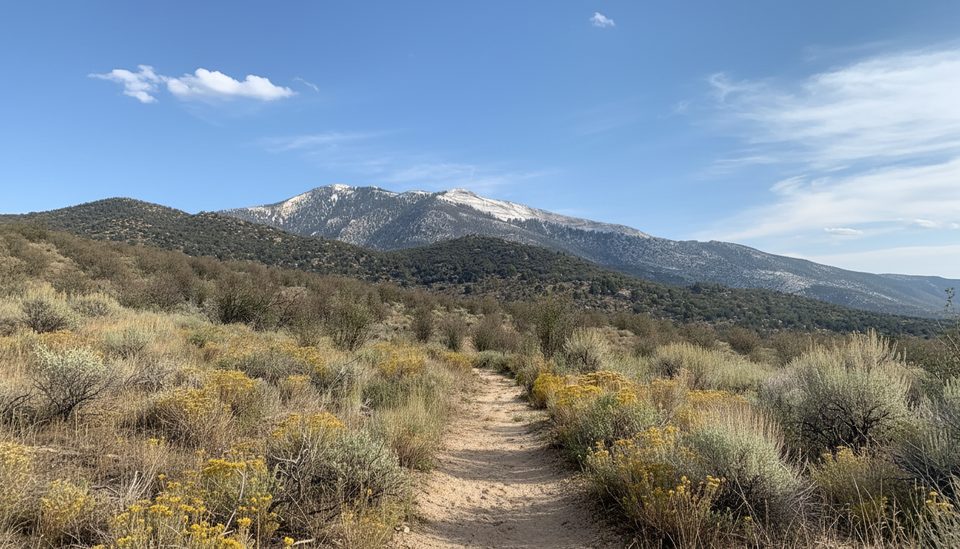
Johnson Lake is a strenuous high-country hike to a beautiful alpine basin dotted with historic mining relics. From the Baker Creek Trailhead, it’s 9.8 miles round trip with about 2,740 feet of elevation gain, typically taking 5–8 hours. Expect a sustained climb at altitude (starting around 8,020 feet) on an old miner’s route that doesn’t always bother with gentle switchbacks.
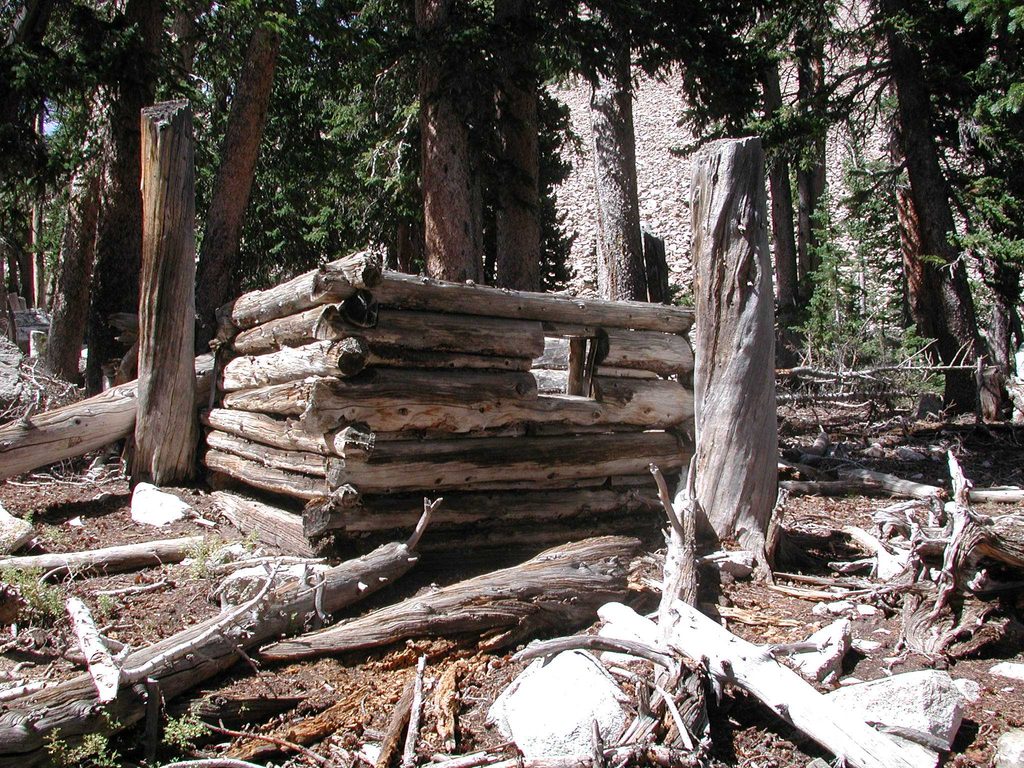
The route climbs through mixed pine, fir, and aspen, with spring and early-summer wildflowers adding pops of color along the way. At the lake, you’ll find remnants of the early 1900s Johnson Lake Mining District—cabins and equipment that tell the story of tungsten mining. Enjoy them with your eyes only; do not enter or disturb these fragile historic sites. In winter and early spring the lake can partly freeze.
Late spring through fall (roughly May–October) is prime, but snow can linger into early summer, especially near the lake and on the connecting ridge if you opt for the loop. Start early to beat afternoon thunderstorms and to give yourself plenty of time for the sustained ascent. Late June through September typically offers the most reliable footing.
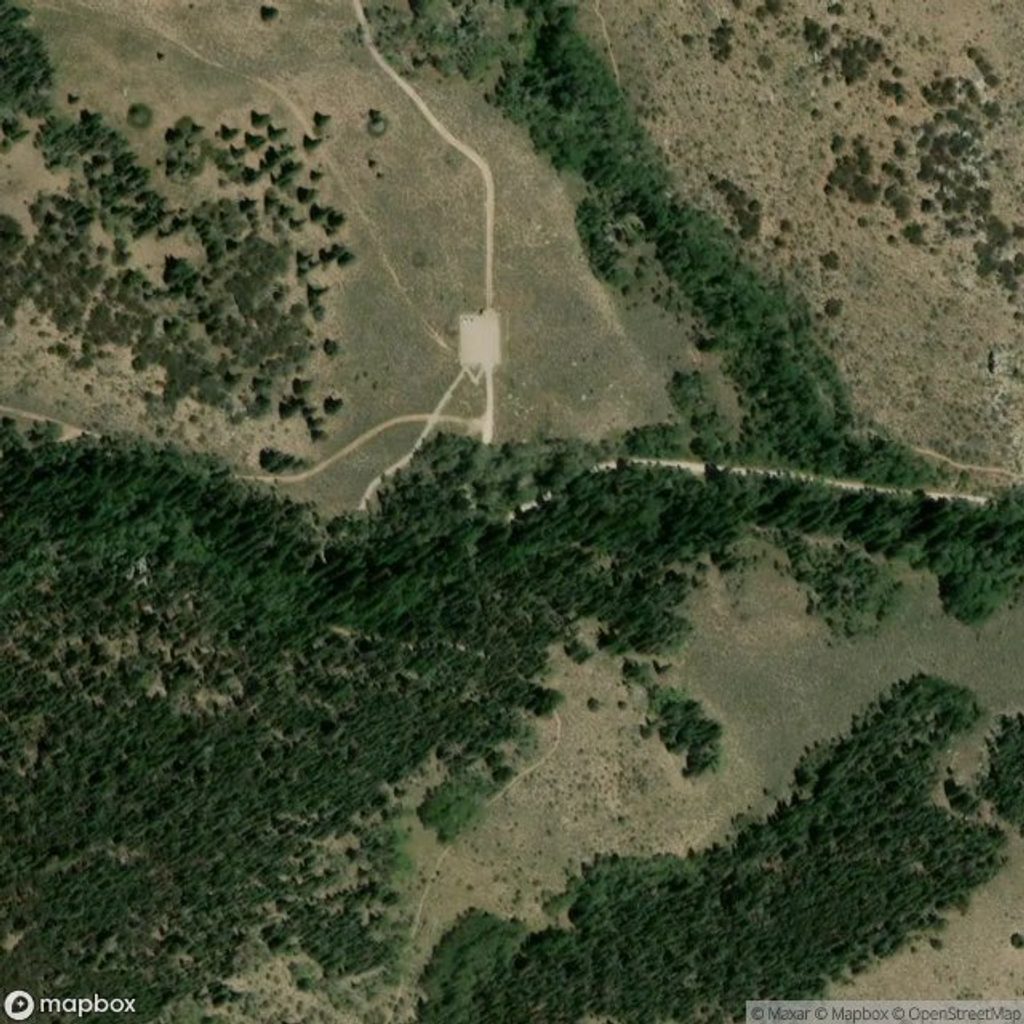
Park at the Baker Creek Trailhead on Baker Creek Road. There are pit toilets, but no potable water along the road—fill up at the Lehman Caves Visitor Center (year-round) or the seasonal dump station before you drive up. Plan on roughly one gallon of water per person per day for summer conditions. Pets are not allowed on these trails. The park doesn’t charge an entrance fee.
If you want a scenic high-country day with real history at the payoff, this one delivers. If you’d prefer something shorter and gentler, consider the park’s easier alpine lake circuits closer to the road.
Park at the Baker Creek Trailhead on Baker Creek Road; pit toilets available but no potable water. Arrive early during peak months as spaces can fill.
Steep, sustained climbing with some loose footing; snow can linger near the lake and on the ridge if doing the loop. Afternoon thunderstorms are common; start early. No potable water along Baker Creek Road—carry plenty. Pets are not allowed.
Place · 0 mi away
Place · 1.7 mi away
Place · 2 mi away
Place · 3.4 mi away
Challenging · 0 mi away
Easy · 0 mi away
Easy · 0 mi away
Moderate · 0.3 mi away

Parkwolf Tour Guide
