Johnson Lake

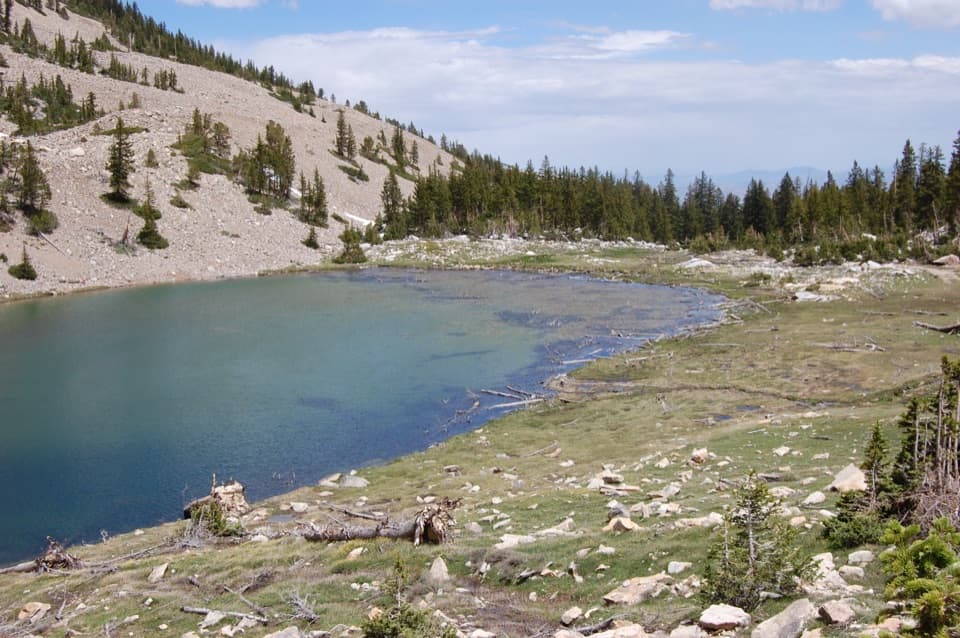
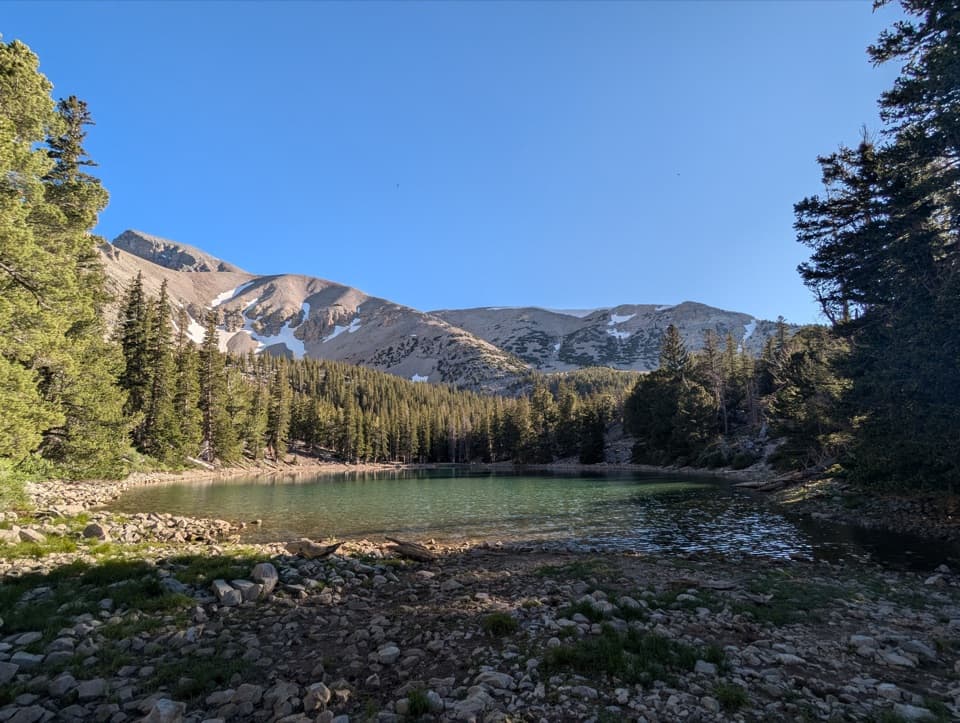
Alpine lake rimmed with mining relics after a stout climb
Johnson Lake, Great Basin National Park
InsideGreat Basin National Park

Overview

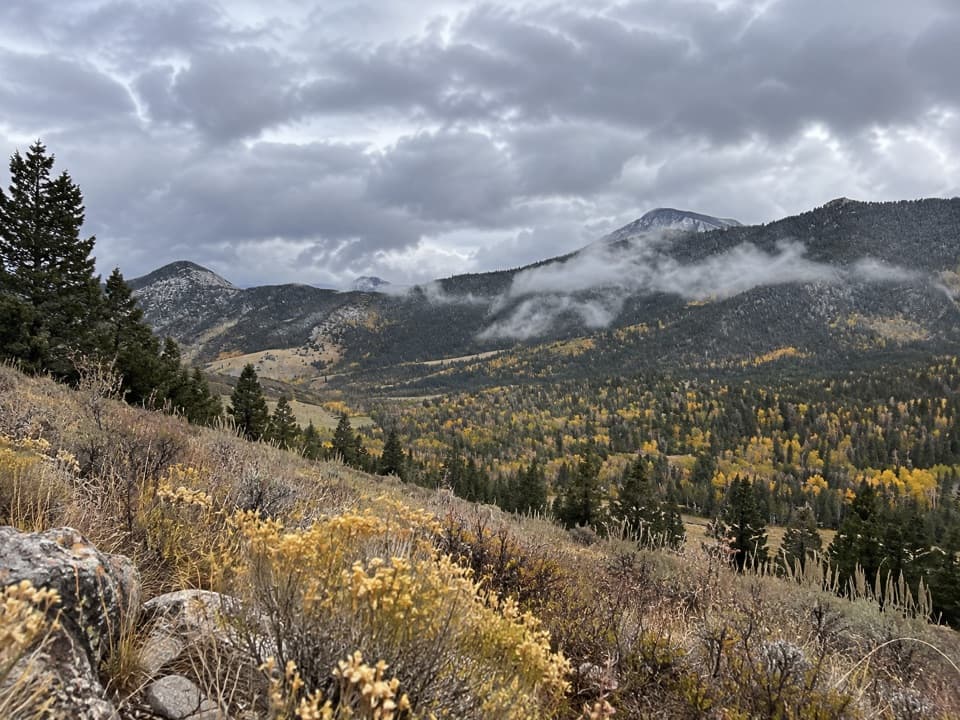
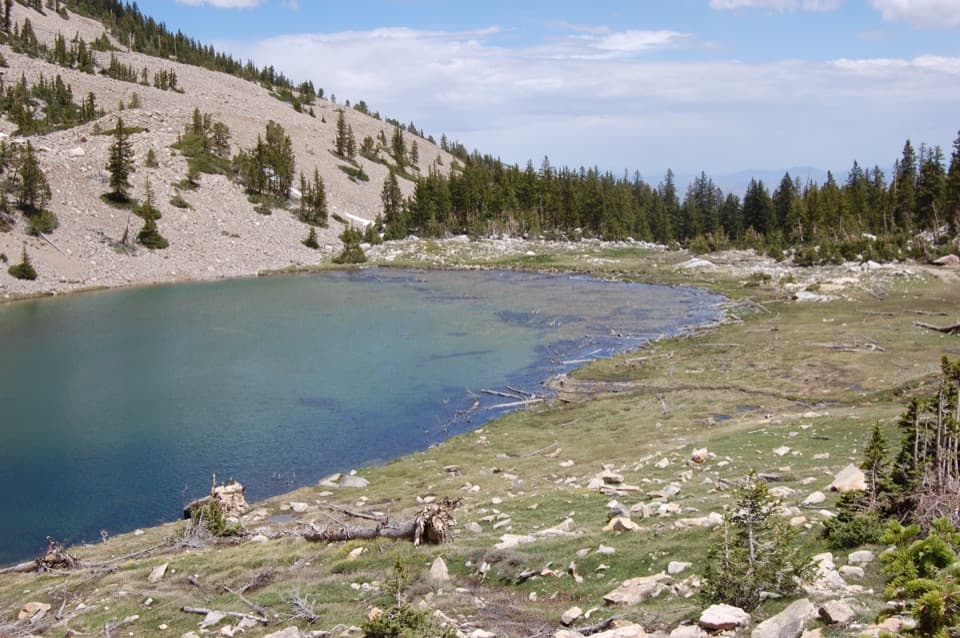
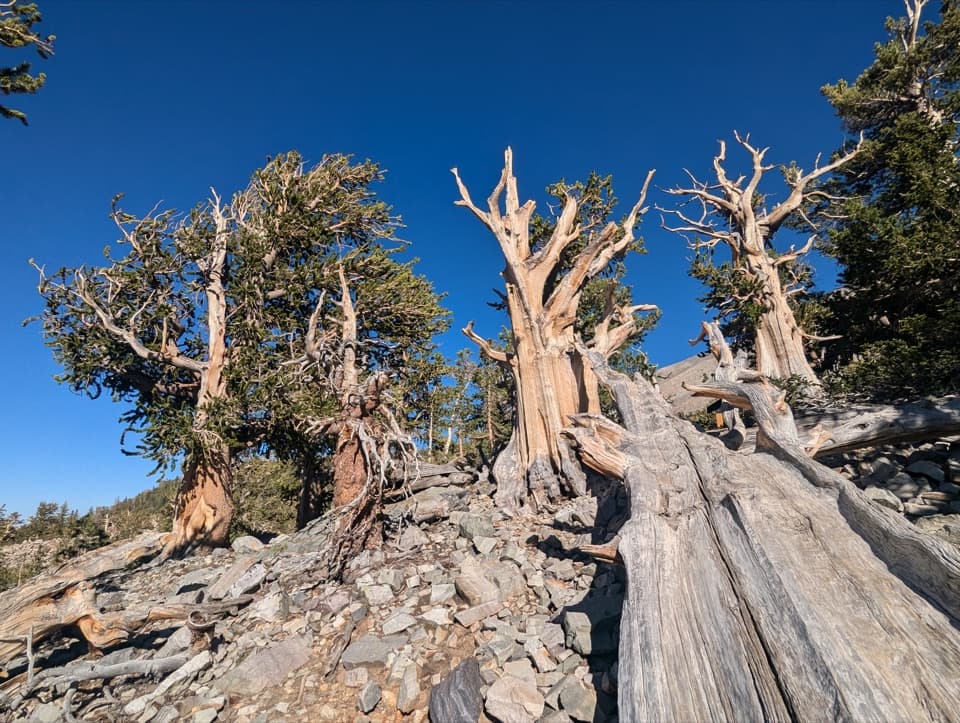
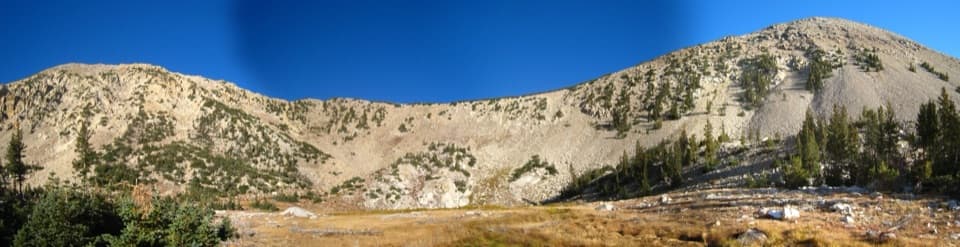
Johnson Lake is a tough-but-worth-it objective: a high alpine bowl framed by pines, firs, and aspens, with a genuine sense of solitude and a surprisingly rich slice of mining history scattered around the shore. If you like your scenery with a story—and don’t mind a stout climb—this one delivers.

Route Options

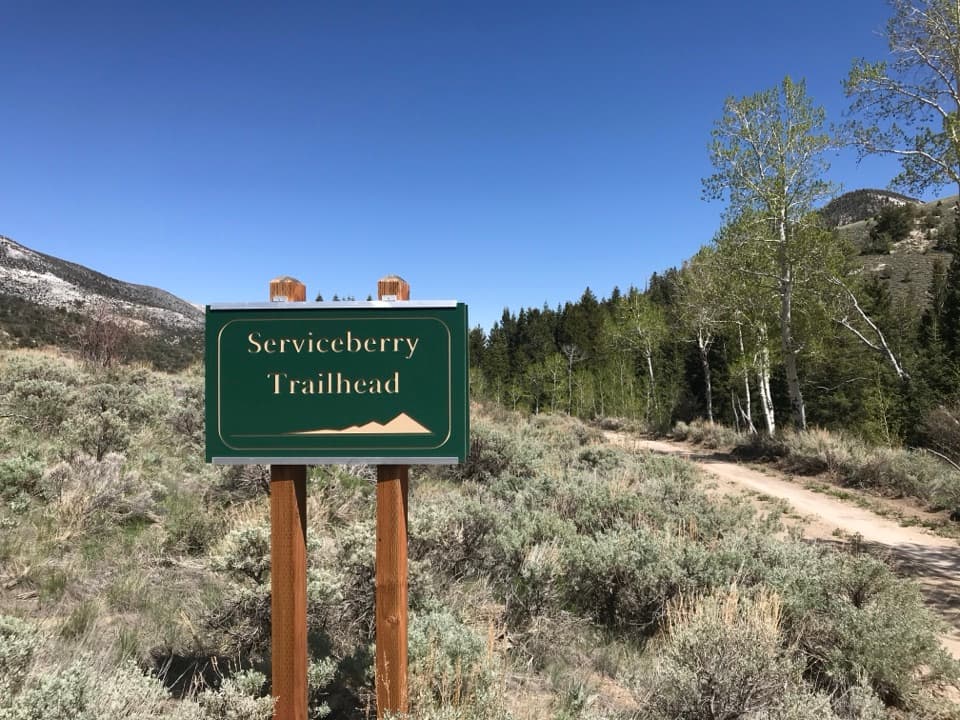
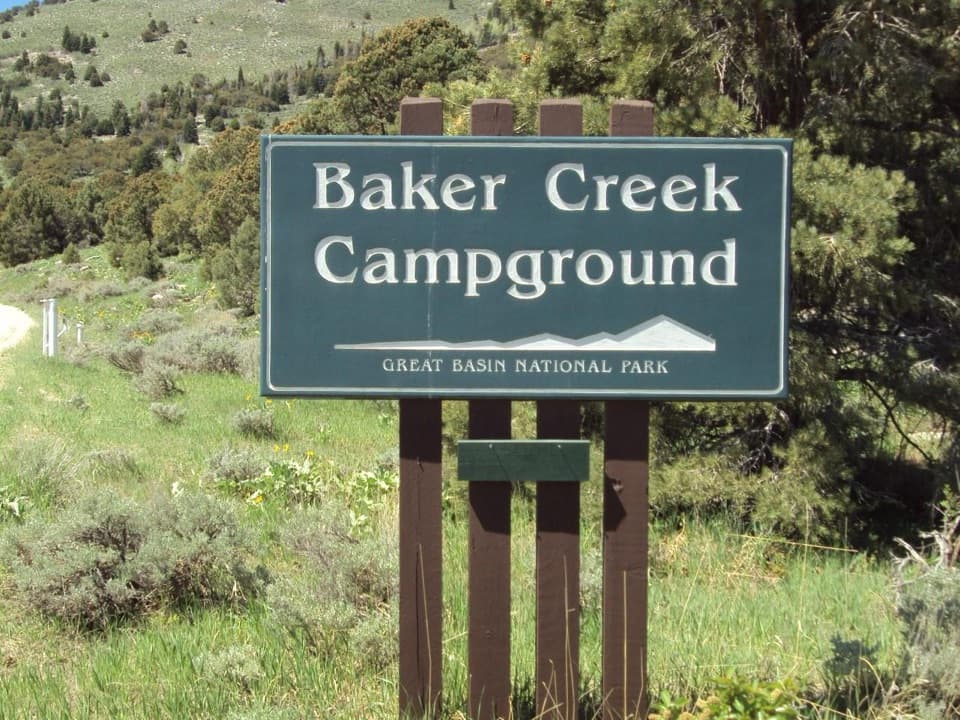
  • Baker Creek Trailhead: About 9.8 miles round trip, ~2,740 feet of gain, typically 5–8 hours. This is the classic, strenuous route that starts around 8,020 feet.
  • Snake Creek (via Dead Lake Loop): The park notes this as the shortest approach. Community-reported figures put it around 7.7 miles round trip with ~2,641 feet of gain and about 5 hours. Expect some steep pitches and, early season, lingering snow.

What You’ll See

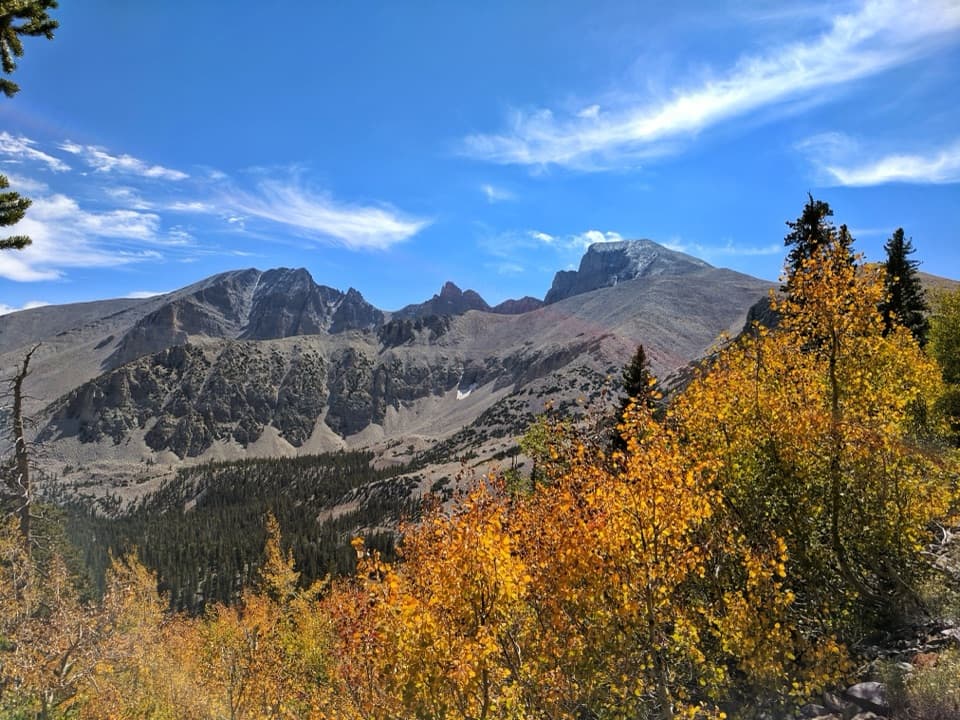
The climb weaves through mixed conifer and aspen stands, with spring wildflowers that can spill into summer and a clear mountain creek for company. Johnson Lake itself sits near 11,000 feet and can partially freeze in winter, giving it that crisp, alpine feel even well into the warmer months.

History Snapshot

This isn’t just a pretty lake. You’ll find remnants of the Johnson Lake Mining District—log cabins, equipment, and the bones of an aerial tram—from the early tungsten days. That tungsten fed World War I–era alloy steel. The site is fragile and irreplaceable: admire, photograph, but don’t enter structures or disturb artifacts.

Planning Essentials

  • Difficulty and altitude: It’s strenuous at elevation. Start early, pace yourself, and be ready for thin air.
  • Water and restrooms: There’s no potable water along Baker Creek Road. Fill up at the Lehman Caves Visitor Center when available and bring roughly a gallon per person for the day. Vault toilets are at the Baker Creek Trailhead.
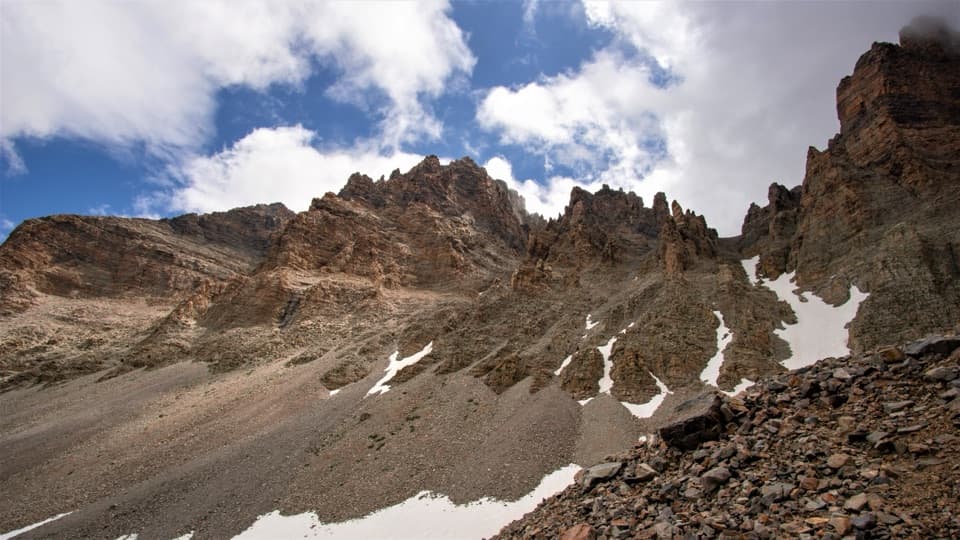
  • Conditions: Snow can linger into early summer and after big winters. Traction can be useful. Afternoon storms are a thing—plan for an early turnaround.
  • Pets: Dogs aren’t allowed on the route to Johnson Lake.
  • Backpacking: If you’re turning this into an overnighter on the Baker & Johnson Lakes loop, pick up a free backcountry permit at a visitor center.

Best Time to Visit

May through October is the window, but early season can still mean snow near the lake. Go early in the day for cooler temps, steadier footing, and calmer winds; weekdays see fewer hikers. For photography, morning light is kinder on the lake basin, while late afternoon brings moody shadows but a higher chance of storms. Wildflowers typically pop late spring into summer.

Pros

  • High-alpine lake paired with evocative early-1900s mining relics
  • Two approach options, including a shorter, quieter Snake Creek route

Cons

  • Strenuous, high-elevation climb with lingering snow well into early summer
  • No potable water along the approach roads—carry all you need

Tips

  • Start at dawn to beat heat, wind, and potential afternoon storms.
  • Choose Snake Creek if you want the shortest, steeper approach; Baker Creek is longer but classic.
  • Carry all your water—there’s none along Baker Creek Road; fill at the visitor center beforehand.
  • Pack traction in shoulder seasons; snow and ice can linger near the lake.
  • Dogs aren’t allowed on the Johnson Lake routes—plan pet care accordingly.
The Parkwolf tour guide sitting on a phone mounted in a car

Parkwolf Tour Guide

Like a tour guide in your car.

Save the places you found around Great Basin, then let Parkwolf guide the drive between them.Download Parkwolf on the App Store