
Place · 0 mi away
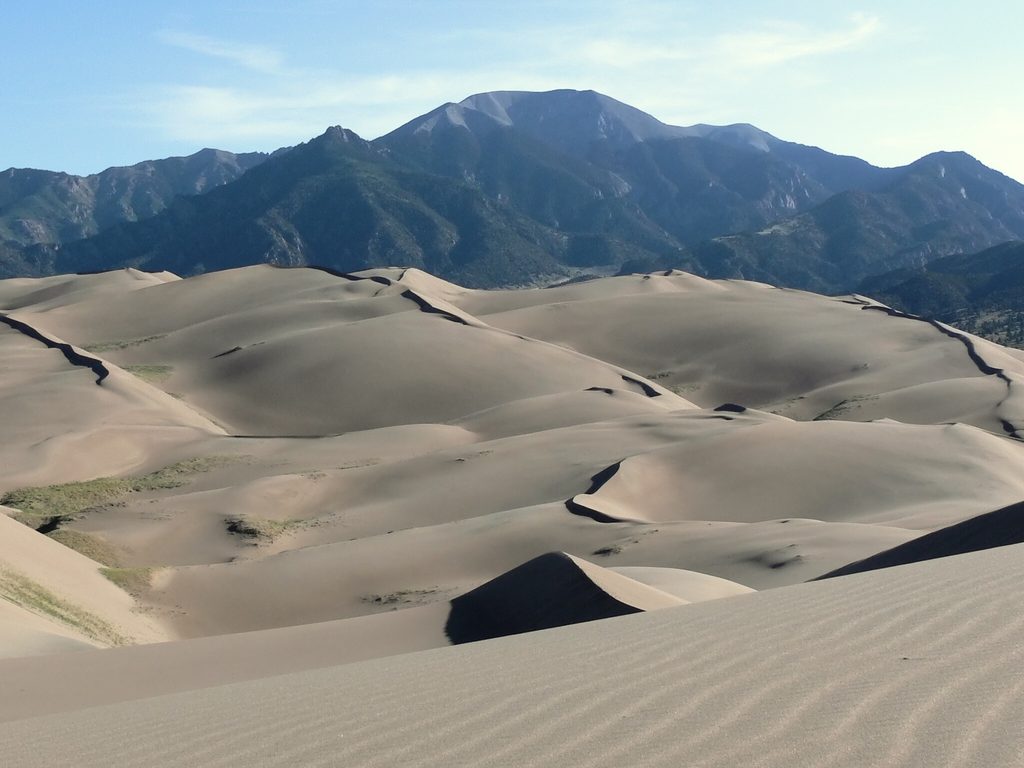
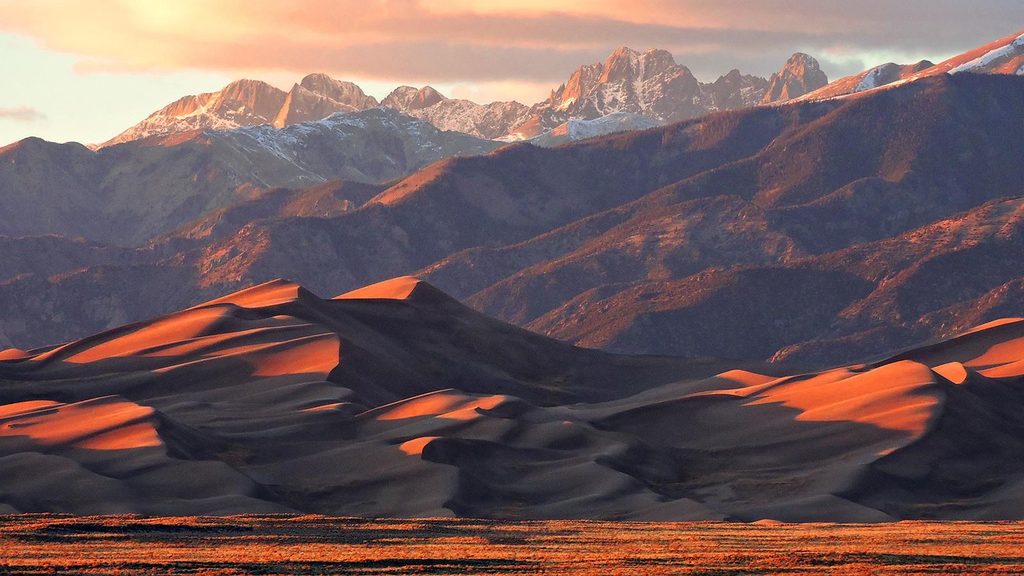
This is the park’s centerpiece: a 30‑square‑mile sea of sand piled against the Sangre de Cristo Mountains, with star-worthy night skies and endless ridgelines to roam. It’s open 24/7 year‑round, so you can chase sunrise, sunset, or starlight on your own schedule. The base area has restrooms, picnic spots, and ample parking, but bring your own water to the dunes lot.
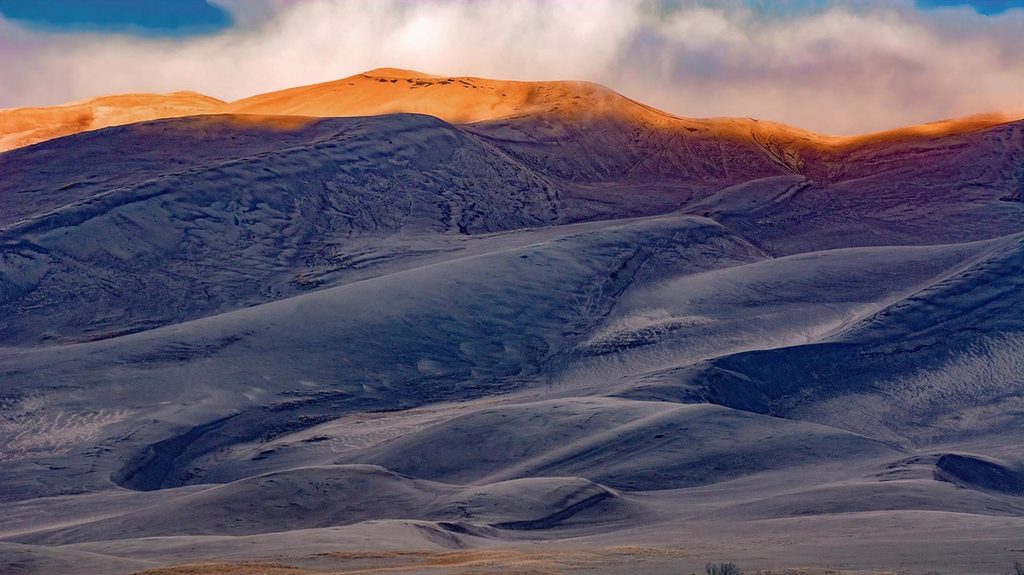
Wind, water, and time built this place. Sand sourced largely from volcanic San Juan Mountain sediments blew across the San Luis Valley and got pinned against the range by reversing winds that funnel through nearby passes. Medano and Sand Creeks complete a recycling loop—carrying sand around the margins, where wind shuttles it back—so the dunefield stays put even as individual ridges march and reshape.
In late May–June (varies by year), Medano Creek spreads across the flat sand at the dune base. It’s prime time for wading and for witnessing “surge flow,” when rhythmic, wave-like pulses roll down the creek as sand dams build and burst. It’s wildly fun—and wildly popular—so expect crowds on warm weekends.
The dunefield isn’t lifeless: seven insect species live nowhere else, and Ord’s kangaroo rat is the only mammal that truly lives within the dunes, with coyotes roaming the edges. On steep slipfaces, listen for “singing sands”—a deep hum when a small sand avalanche sets millions of grains vibrating.
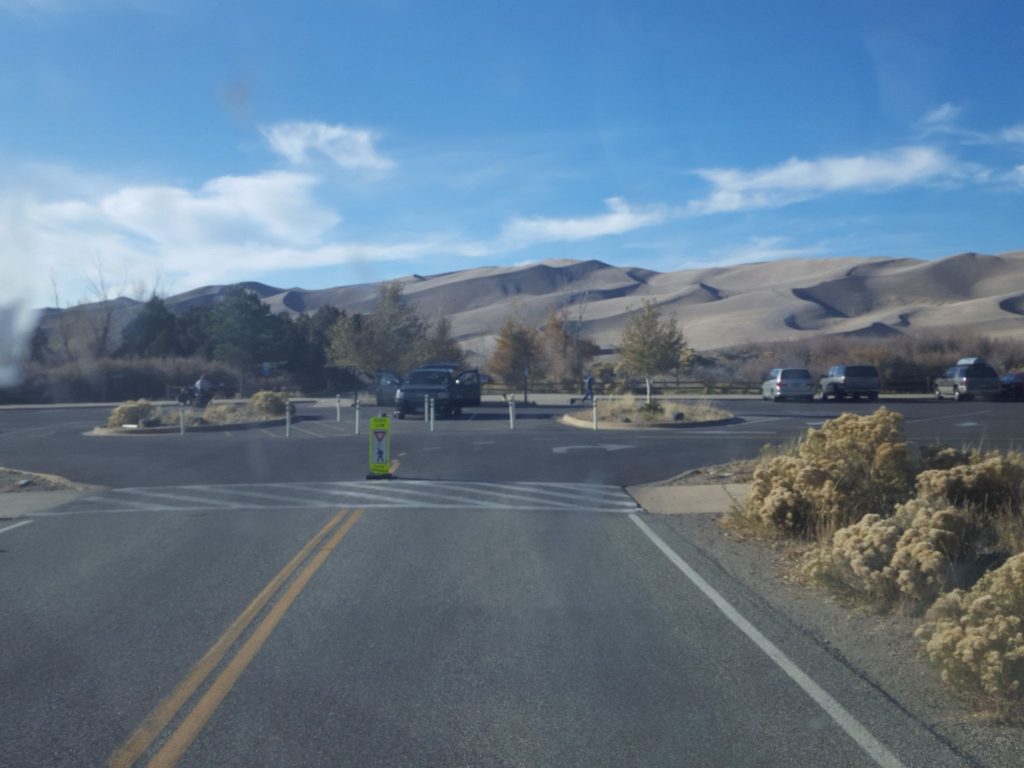
At the dunes parking area you’ll find vault-style restrooms and parking for cars, buses, and RVs; picnic tables and shelters sit close to the sand. Fill bottles at the visitor center during its open hours; there’s no running water at the dunes lot. The park itself is always open, so the dunes are accessible anytime.
You won’t lose the mountains, the entrance road, or the visitor center as landmarks, but the terrain can feel disorienting—keep kids within sight. Summer sand bakes by midday and winds often rise in the afternoon; plan early or late sessions and pack more water than you think you’ll need.
Place · 0 mi away
Place · 0.5 mi away
Place · 0.5 mi away
Place · 0.6 mi away
Challenging · 0 mi away
Challenging · 0 mi away
Moderate · 0.6 mi away
Easy · 0.6 mi away

Parkwolf Tour Guide
