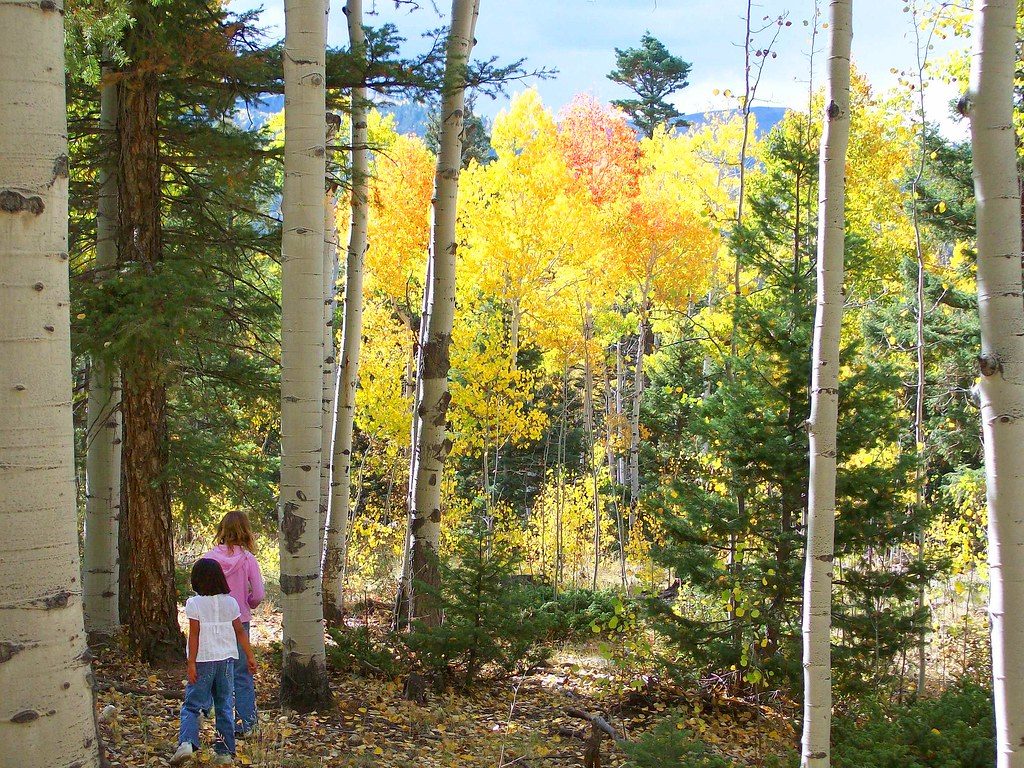
Mosca Pass

Shaded mountain hike to a historic pass with occasional dune glimpses
Mosca Pass, Great Sand Dunes National Park
InsideGreat Sand Dunes National Park

Overview

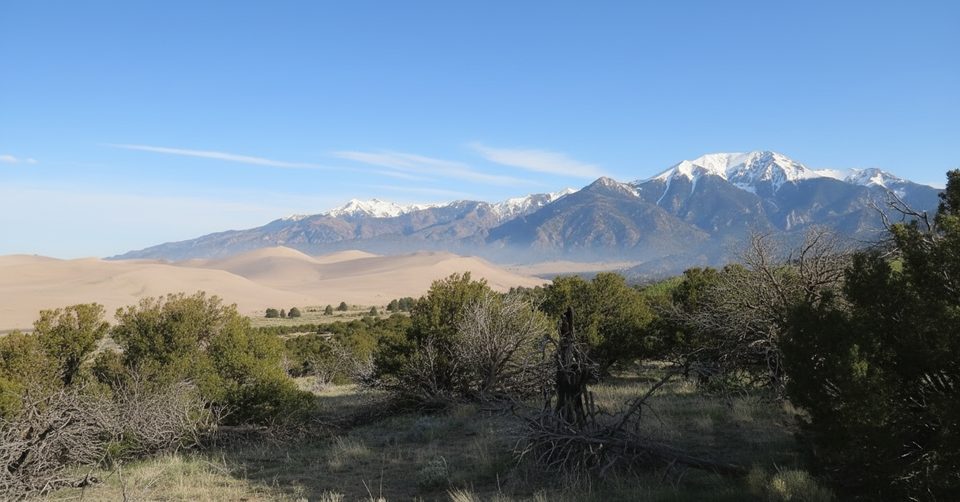
Mosca Pass is the park’s forested escape from the blazing dunes—think cool shade, a murmuring creek, and occasional peeks toward the valley rather than sweeping sand panoramas. It’s a moderate climb to a low mountain pass used for centuries, trading sand for spruce, aspen, and history.

Trail Basics

  • Distance/elevation: about 7 miles round trip with roughly 1,400–1,500 feet of gain (from ~8,200' to ~9,700').
  • Time: plan ~3.5 hours for most hikers.
  • Surface/grade: packed dirt with rocky sections and some overgrown stretches—watch your footing.
  • Feel: mostly shaded and cooler than the dunes below.

What You’ll See

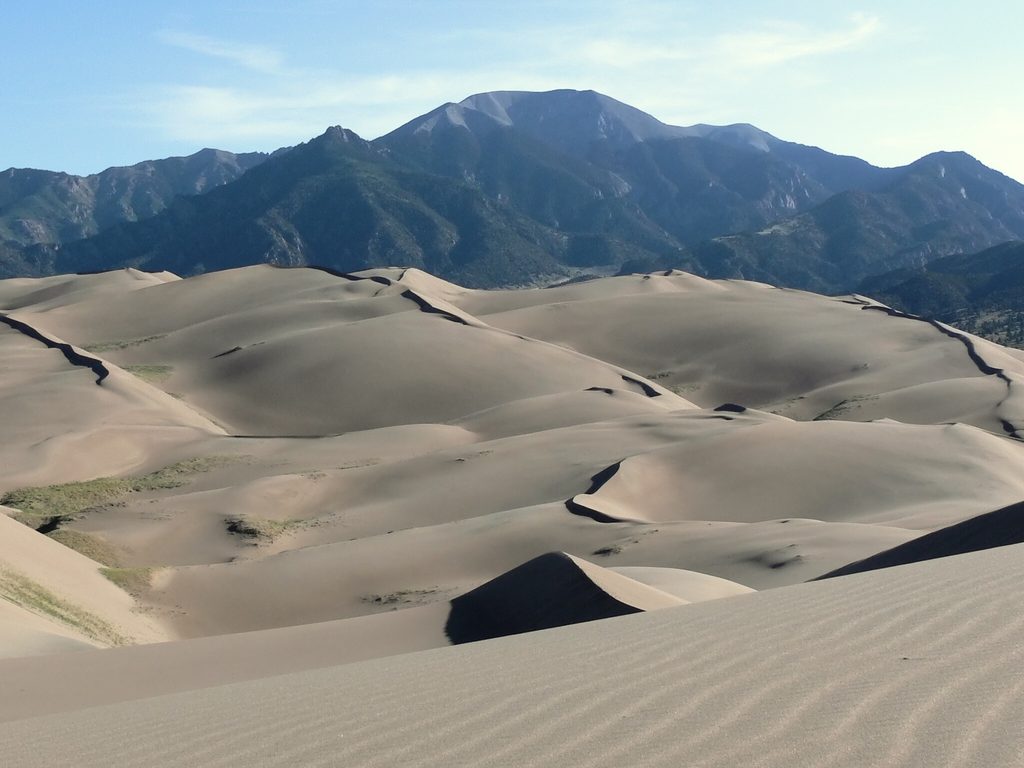
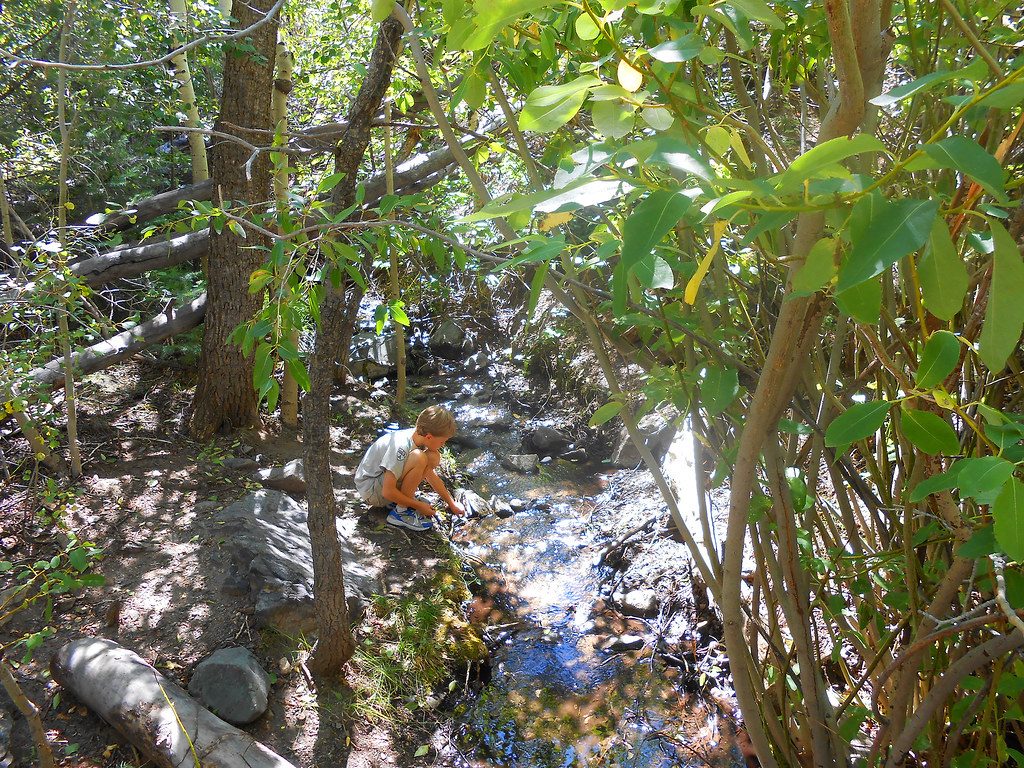
The trail follows a small creek through mixed forests—blue spruce, narrowleaf cottonwood, aspen, pine, fir, and spruce. Wildlife is possible (deer and elk turn up), and the corridor stays pleasantly cool on summer days. Geology fans get a bonus: an erosional window where red sedimentary layers are overridden by older metamorphic rock—a peek into the forces that shaped the Sangre de Cristo front. From the pass area you’ll get intermittent glimpses toward the sand, but this hike is about the woods and water more than dune vistas.

A Historic Route

You’re walking a corridor used by early mammoth hunters, Indigenous peoples, settlers, American explorers, and Buffalo Soldiers. The lower section passes the site of Montville, an 1800s settlement; a trailhead booklet interprets numbered stops and the pass’s layered history.

Logistics

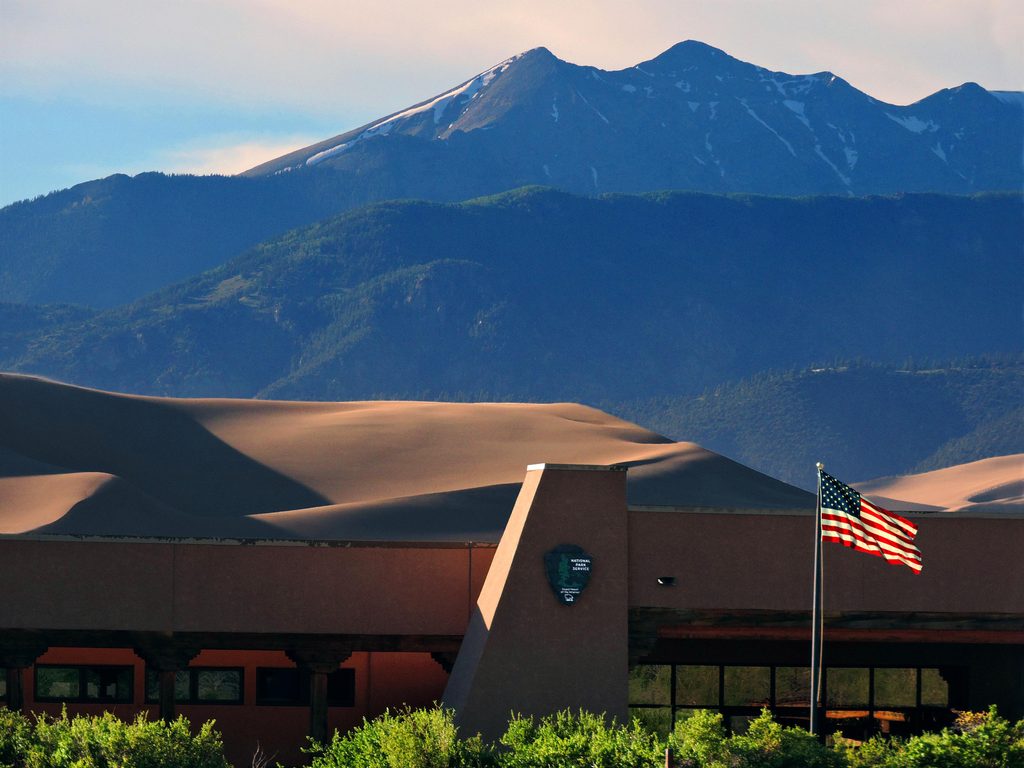
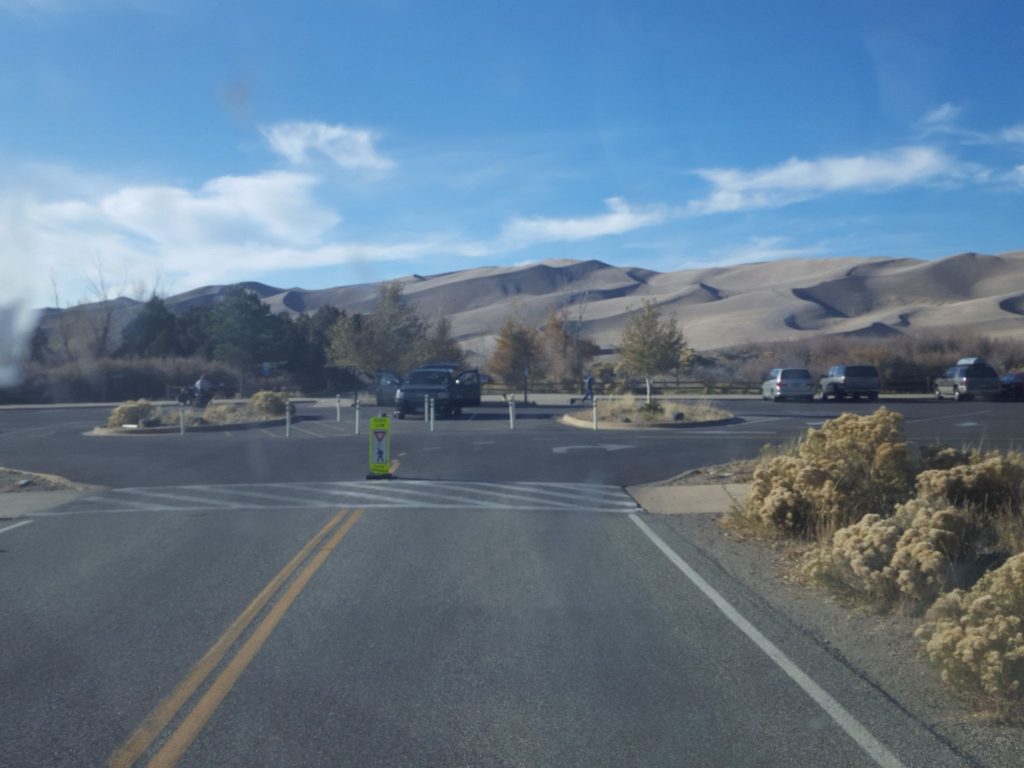
  • Parking: small trailhead lot about 200 yards past the Visitor Center on the right; overflow at the Visitor Center.
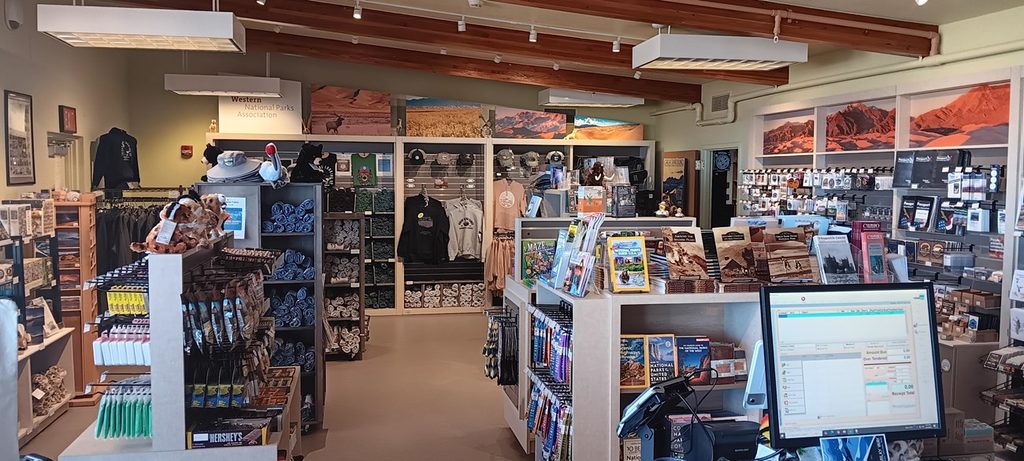
  • Restrooms/water: none at the trailhead—use the Visitor Center during open hours.
  • Fees: standard park entrance fee applies.
  • Pets: allowed on leash; follow all park pet rules.
  • Season/conditions: typically best April–November; expect lingering snow/ice in shaded creek sections in spring. Summer brings fast-changing mountain weather and afternoon thunderstorms. Altitude makes the moderate grade feel tougher—pace yourself and hydrate.

Best Time to Visit

Aim for morning starts to beat summer heat and dodge typical afternoon storms. The trail is generally uncrowded, with the easiest parking on weekdays. Mosquitos can be pesky in July; late summer into early fall is a sweet spot for cooler temps, fewer bugs, and golden aspen.

Tips for a Better Hike

  • Wear sturdy shoes; some stretches are rocky.
  • Treat any natural water before drinking.
  • If you’re splitting time with the dunes, save this shaded hike for the hotter part of the day.
  • Bring bug spray in mid-summer.

Pros

  • Shaded, cooler forest hike along a creek with aspen and pine
  • Historic corridor with numbered interpretive stops near Montville

Cons

  • Limited big views; most of the route stays in forest
  • No restrooms or water at the trailhead; use the Visitor Center

Tips

  • Park at the small lot ~200 yards past the Visitor Center; use the Visitor Center as overflow.
  • Start early to beat heat and typical summer thunderstorms.
  • There’s no water or restrooms at the trailhead—fill bottles and go at the Visitor Center.
  • Bug spray helps in July; late summer and fall see fewer mosquitoes.
  • Expect rocky footing in places and treat any creek water before drinking.
The Parkwolf tour guide sitting on a phone mounted in a car

Parkwolf Tour Guide

Like a tour guide in your car.

Save the places you found around Great Sand Dunes, then let Parkwolf guide the drive between them.Download Parkwolf on the App Store