Overview
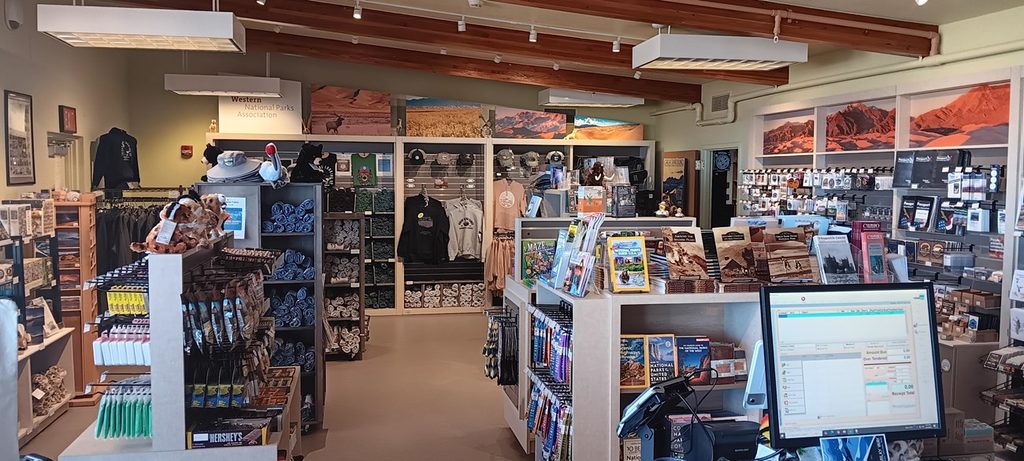
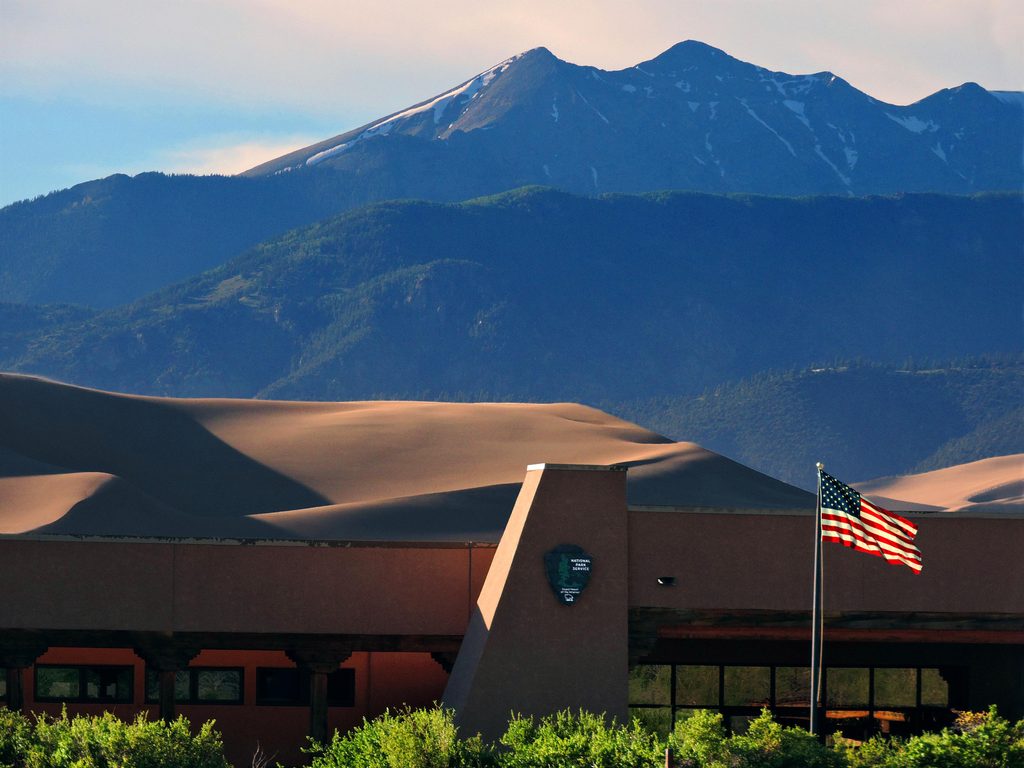
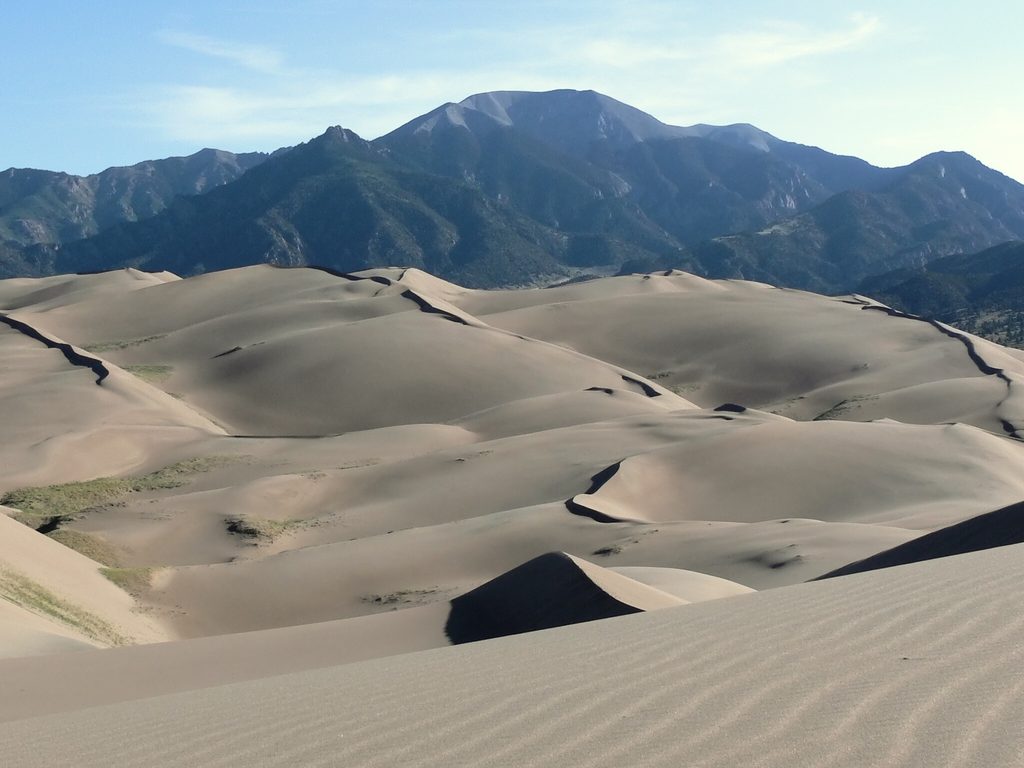
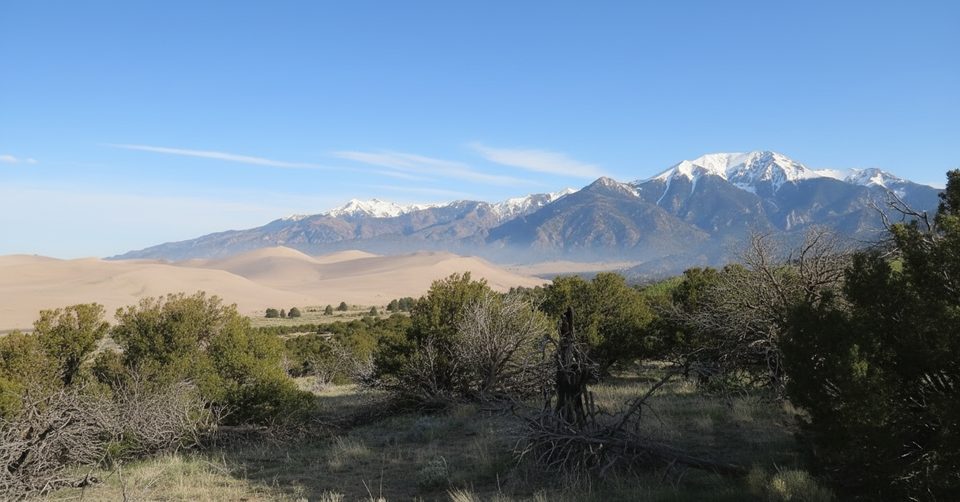
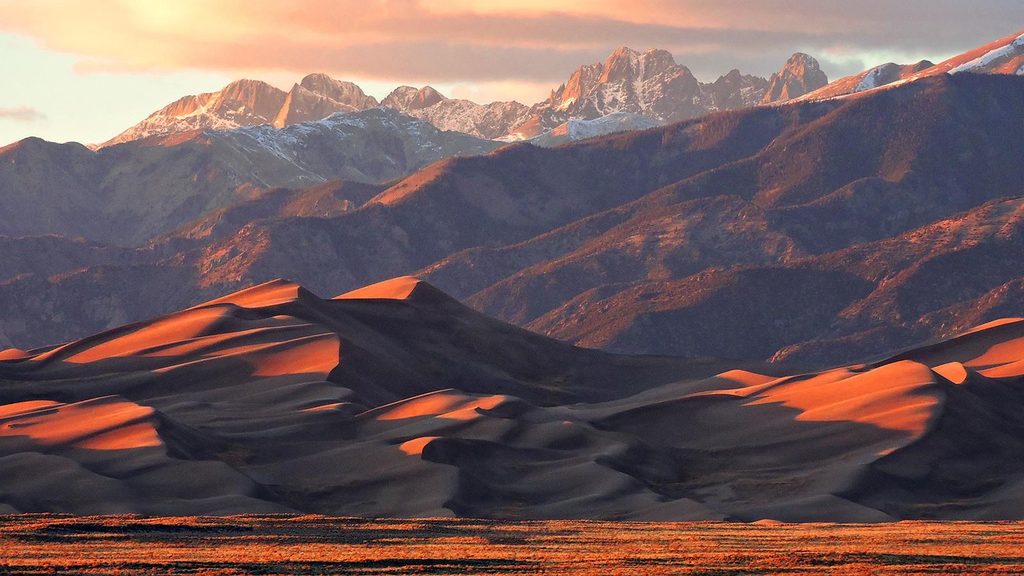
Think of this as your smart first stop. The Visitor Center orients you with clear exhibits on how these dunes formed, the surrounding ecosystems, and a short movie that ties it all together. Rangers are on hand to answer questions, help with Junior Ranger activities, and point you to the right trail or dune access for your day. There’s a park store with maps, books, and souvenirs, and the back patio frames postcard‑worthy views of the dunefield against the Sangre de Cristo Mountains.
What You’ll Find
- Exhibits and interactive displays that explain geology, ecology, and wildlife, plus a short film (note that the theater area can feel a bit noisy when the center is busy).
- A park store/gift shop for maps, books, and souvenirs; reviews praise the selection, though it never hurts to double‑check prices at checkout.
- Clean restrooms and drinking water reported by visitors, and a short interpretive nature trail nearby with plant markers. Step out back for one of the easiest big‑view photos of the dunes.
Planning Basics
- Park access is 24/7, but Visitor Center hours vary by season; posted hours commonly run mid‑day (e.g., 9:00 a.m.–4:30 p.m.).
- All national park passes are accepted at the fee area.
- If you’re here to sled or sandboard, bring your own or rent before entering the park—there are no rentals at the Visitor Center.
Best Time to Visit
- Crowds spike late morning through early afternoon, especially on weekends; Saturdays can be wall‑to‑wall from about 10 a.m. to 2 p.m.
- Aim for opening time on busy days or drop in mid‑to‑late afternoon before closing to find more breathing room.
- Most people spend up to 45 minutes here—enough for the film, exhibits, and a quick photo stop out back.
Wildlife & Safety Notes
- You’ll learn about local wildlife inside; out on the dunes, never feed animals and store food properly. Mosquitoes can show up in season—bug repellent helps.
- Sand heats up fast in warm weather; shoes and plenty of water are non‑negotiable. Summer storms roll in quickly—get off exposed dunes if thunder approaches.
- Dogs are allowed in certain areas but can overheat quickly on hot sand; plan accordingly.
How to Use It
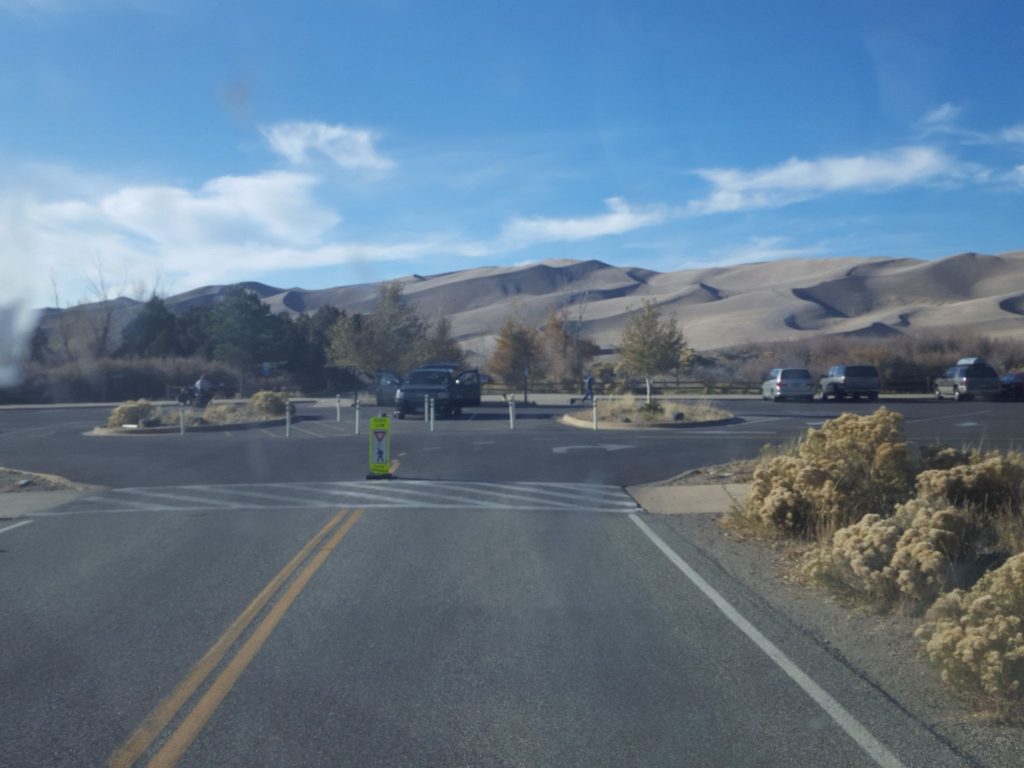
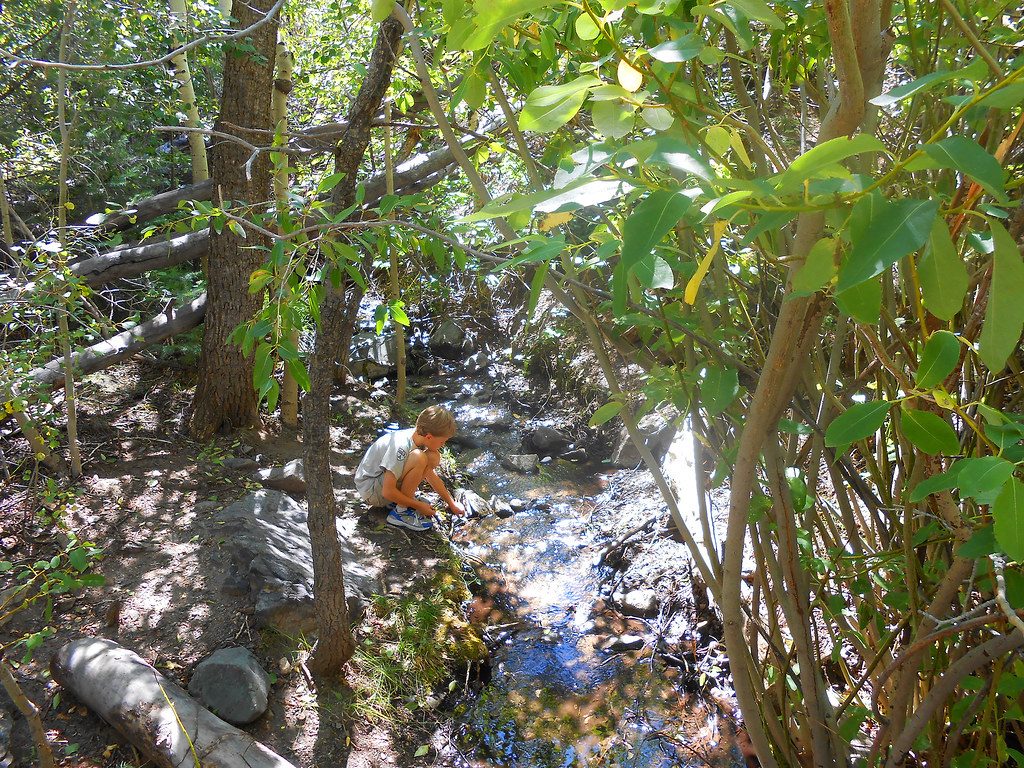
Start here for current conditions, maps, and Junior Ranger booklets, then head to the main dune parking area. If Medano Creek is on your wishlist, ask rangers about recent flow and the best time of day. On hot, sunny days, visiting the dunes early or near sunset is far more comfortable—and the light is better for photos from the patio behind the center.