
Place
Challenging
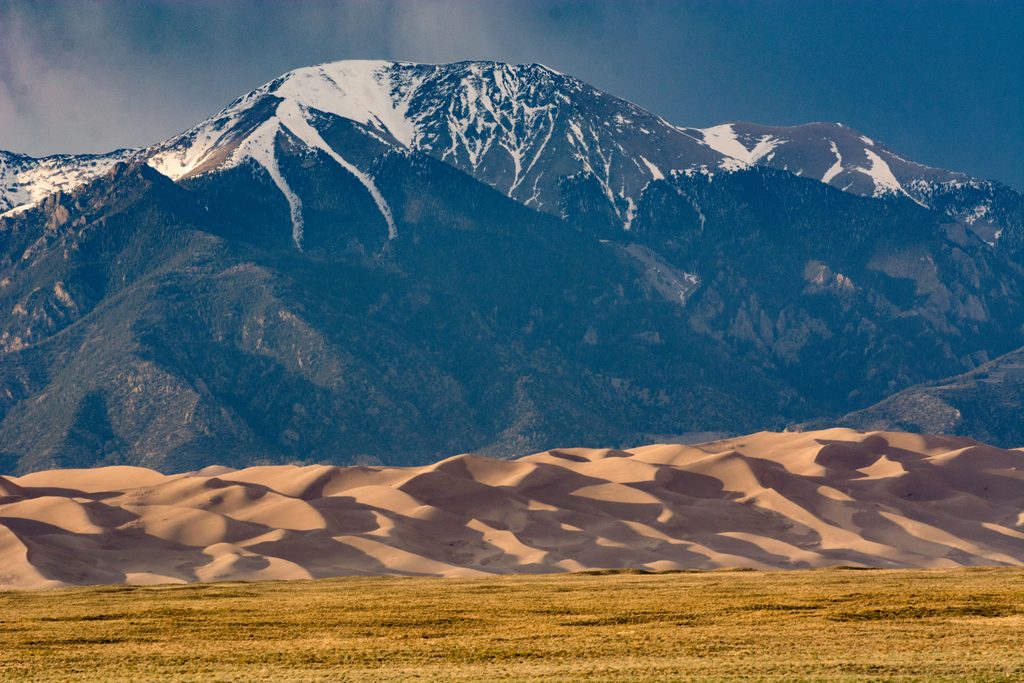
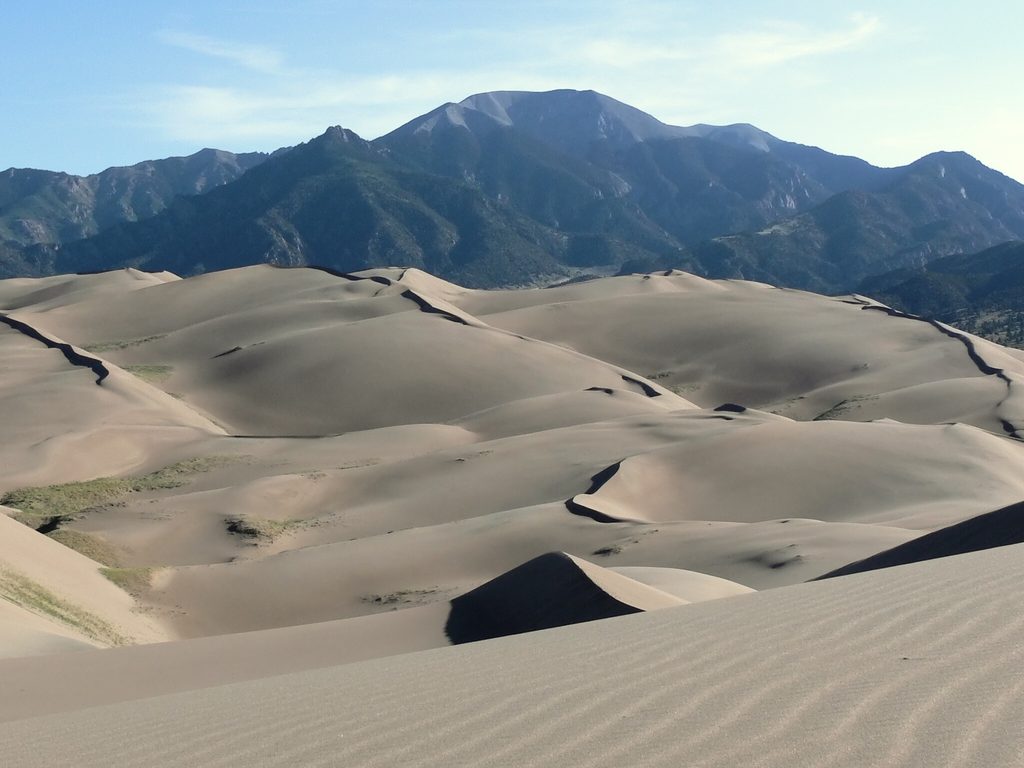
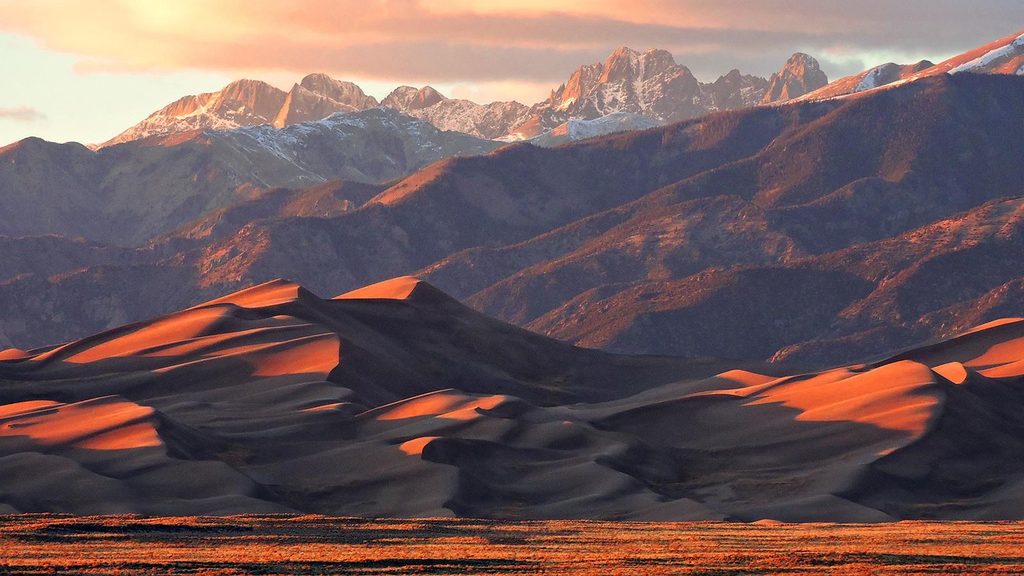
If you want a front‑row seat above a literal sea of sand, this is the move. Mount Herard towers over Great Sand Dunes with sweeping views of the San Luis Valley, the Crestones, and the dune field far below. The standard out‑and‑back route is about 9 miles total with roughly 3,370 feet of climbing, starting at the Medano Lake Trailhead on the Medano Pass Primitive Road. It’s strenuous, high, and often windy—but underrated and far quieter than the area’s 14ers.
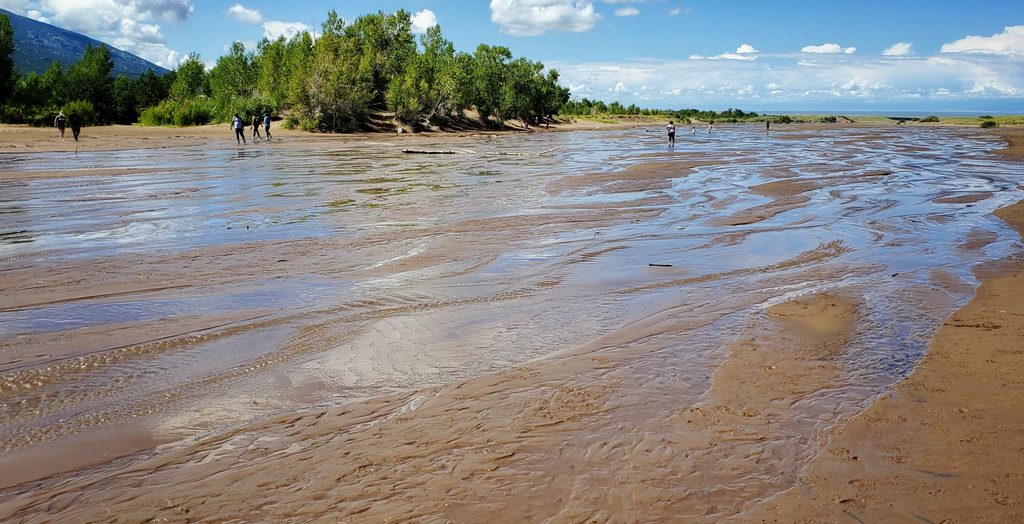
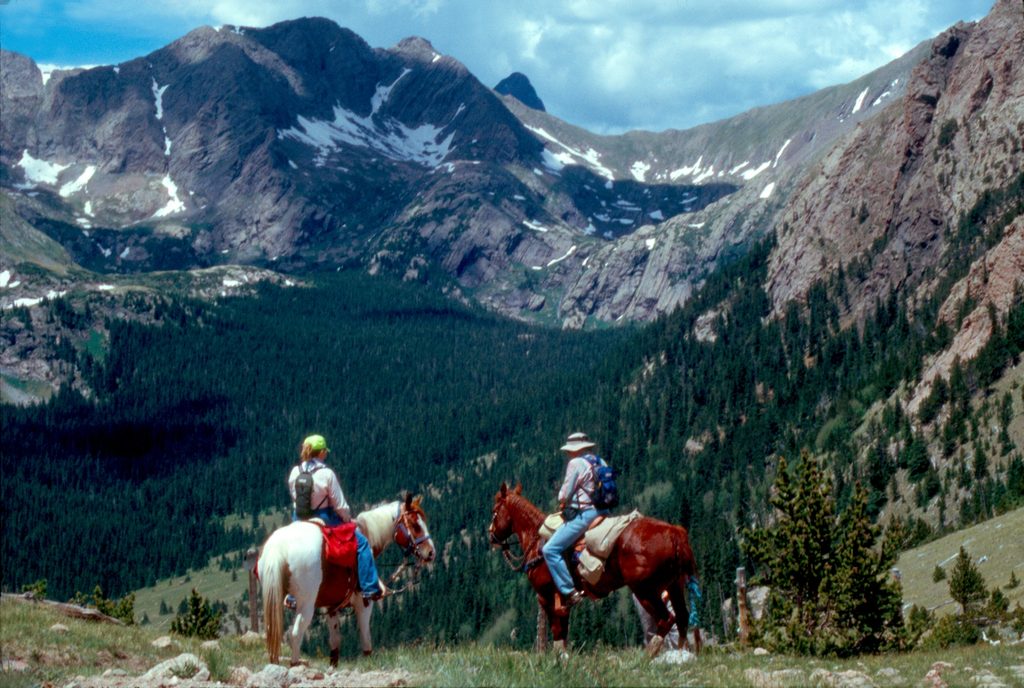
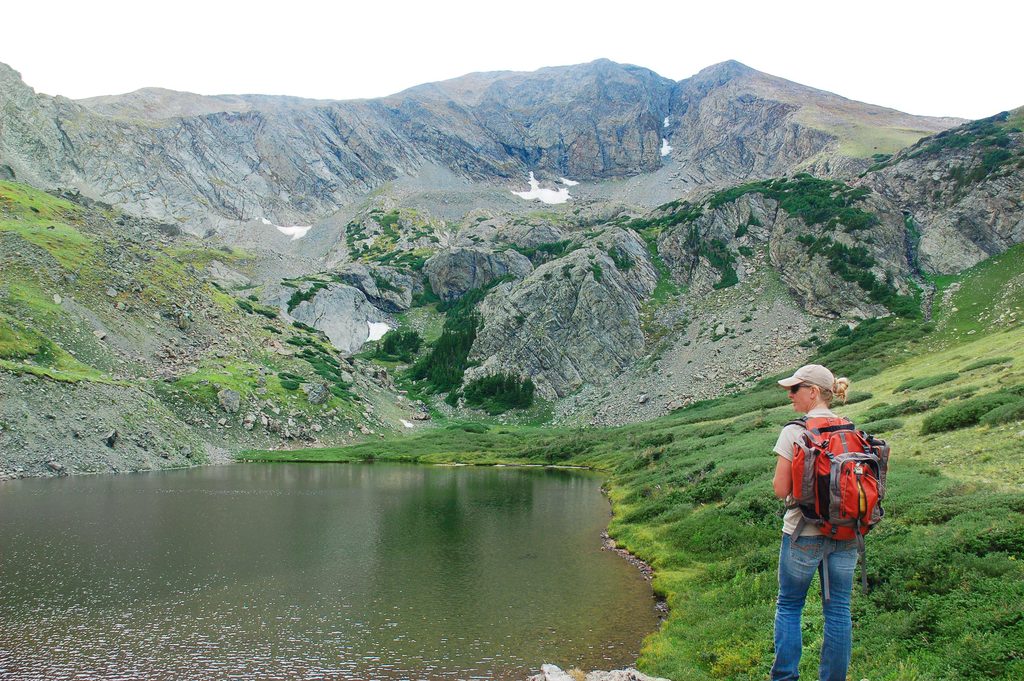
The approach to Medano Lake is a gentle, obvious trail (about 4 miles) with several Medano Creek crossings and forested singletrack that transitions into alpine terrain around the lakes. From the basin, locate a well‑made use path and cairns that climb to the Medano/Herard saddle; the turn can be easy to miss at first, so slow down and look for the path rather than charging straight up. From the saddle, it’s class 1 tundra walking on a use trail to Herard’s broad, surprisingly flat summit. Expect stronger winds right on the crest—stepping a bit onto the east side often helps.
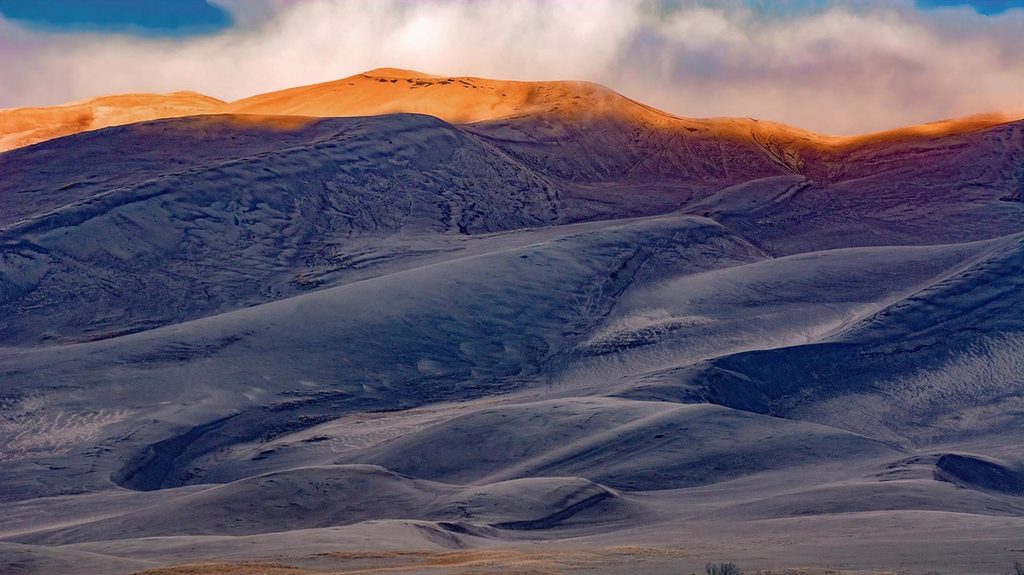
Sunrise from the false summit can be spectacular: Herard casts a long shadow across the valley, the dunes glow, and the Crestones emerge from darkness. Cliffs below the true summit form a dramatic amphitheater, and a west‑running ridge holds obscure spires that look like classic Crestone‑style conglomerate. The Medano Lakes basin itself is serene and reflective, with early fall bringing yellowing grasses and the first aspens turning.
This is a full, tough day at altitude. Plan 8–12 hours depending on acclimation, fitness, wind, and how your access goes along the primitive road. The hike is straightforward to the lake, then steep and sustained to the saddle and summit. If you’re feeling good at the saddle and weather cooperates, tagging nearby Medano Peak adds roughly 600 feet more and goes quickly.
Late summer into early fall is a sweet spot: stable weather windows, hints of color, and fewer people. Mornings can be cold and very windy up high even when it’s warm lower down. For photography, sunrise near the false summit is excellent, but don’t sleep on sunset—morning light can wash out eastern views, while evening light over the dunes can be ideal. Weekdays and shoulder‑season days deliver real solitude.
The Medano Lake Trailhead sits off the Medano Pass Primitive Road, which requires high‑clearance 4WD with sand, rocks, and creek crossings; small/low‑clearance vehicles are not recommended. Parking is limited near the pass and can fill with campers—build in extra time in case you need to walk road miles. No special day‑hiking permit is required beyond applicable park entrance fees. Pets are permitted on leash in the Preserve; pack out waste.
Bottom line: If you’re up for a high, windy, and wonderfully quiet summit day with world‑class dune views, Herard delivers. It’s a standout adventure in this park’s alpine backcountry.
Small parking area at the Medano Lake Trailhead off Medano Pass Primitive Road; high‑clearance 4WD required. Limited spots near the pass, often occupied by campers—be ready to park farther east and walk road miles if needed.
High winds on the ridge and summit; thin air above 13,000 ft; multiple creek crossings; limited parking; rough, sandy, rocky 4WD approach. The turn from the lakes to the saddle is easy to miss—follow cairns and the use path. Give stock animals wide berth in the dark.
Place
Place
Place
Place
Challenging
Moderate
Challenging
Challenging

Parkwolf Tour Guide
