Medano Creek

Shallow, seasonal creek that turns the dunes into a beach
Medano Creek, Great Sand Dunes National Park
InsideGreat Sand Dunes National Park

Overview

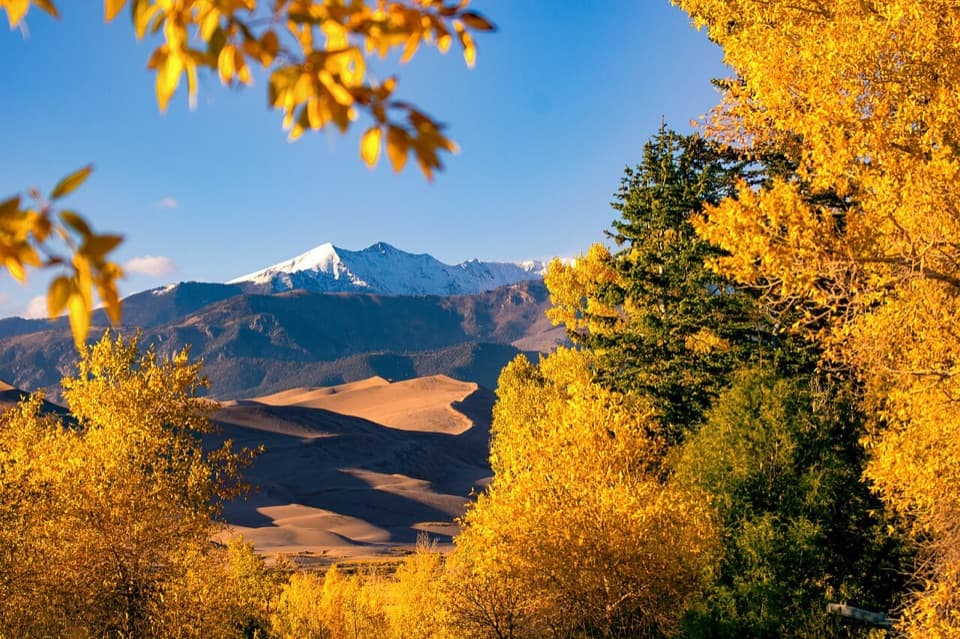
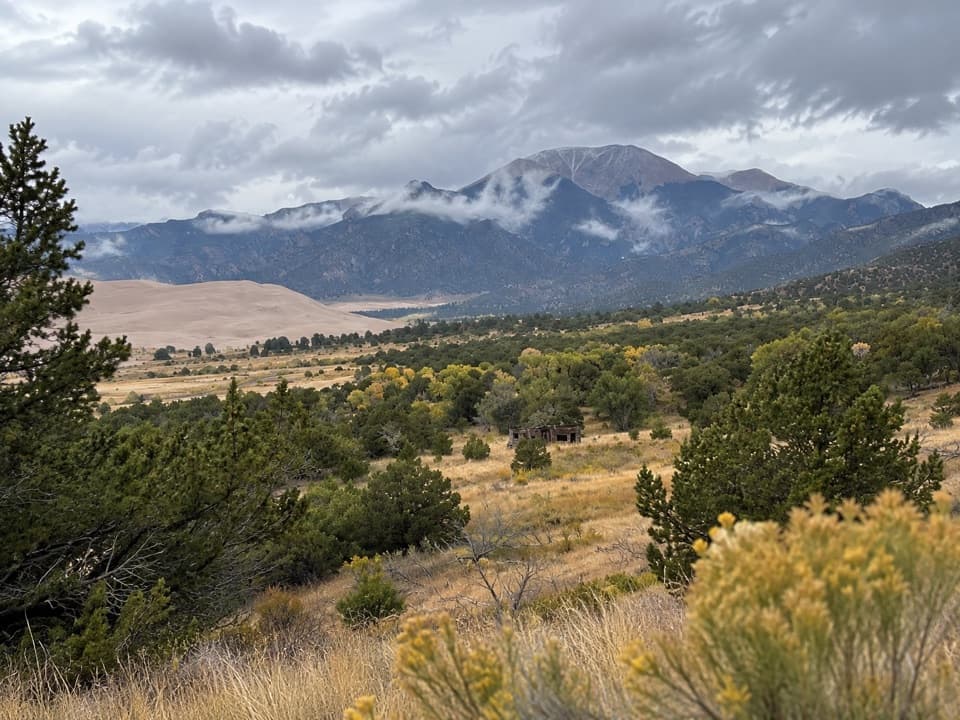
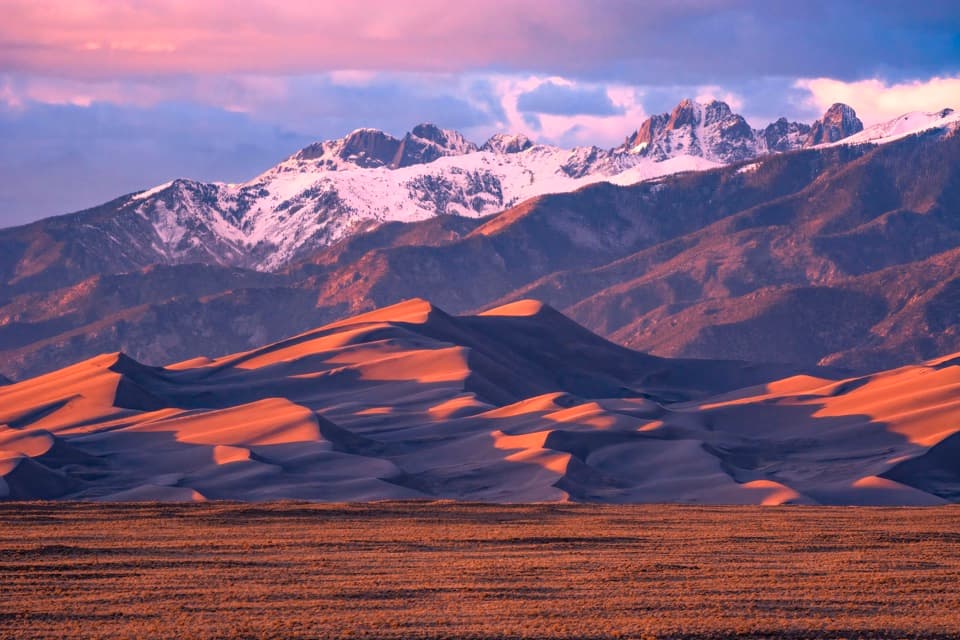
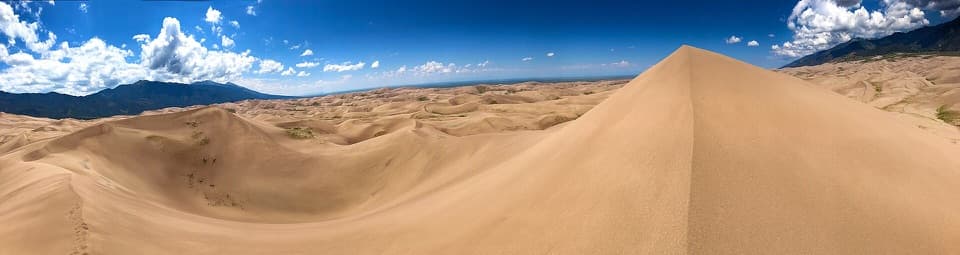
Medano Creek is the park’s seasonal, snowmelt-fed stream that runs along the edge of North America’s tallest dunes. It’s not just pretty—this creek recycles sand around the dunefield, helping keep the whole system alive and towering.

What Makes It Unique

During healthy spring runoff the creek produces “surge flow,” playful pulses that travel downstream like mini waves. That’s when families splash, skimboard, build sandcastles, and—during bigger runoffs—kids float small inflatables across the shallow water.

Season and Flow (What to Expect by Month)

  • Late May to Early June: Typically the highest, most reliable flow and best chance for noticeable surge waves. It’s also the most crowded, especially on weekends, with potential entrance delays and full campgrounds.
  • June: Flow tapers off from the peak. Mosquitoes often arrive around the second week as the water slows; moving onto open sand (away from vegetation) helps. By late June, expect shallow water—often only about 1–2 inches.
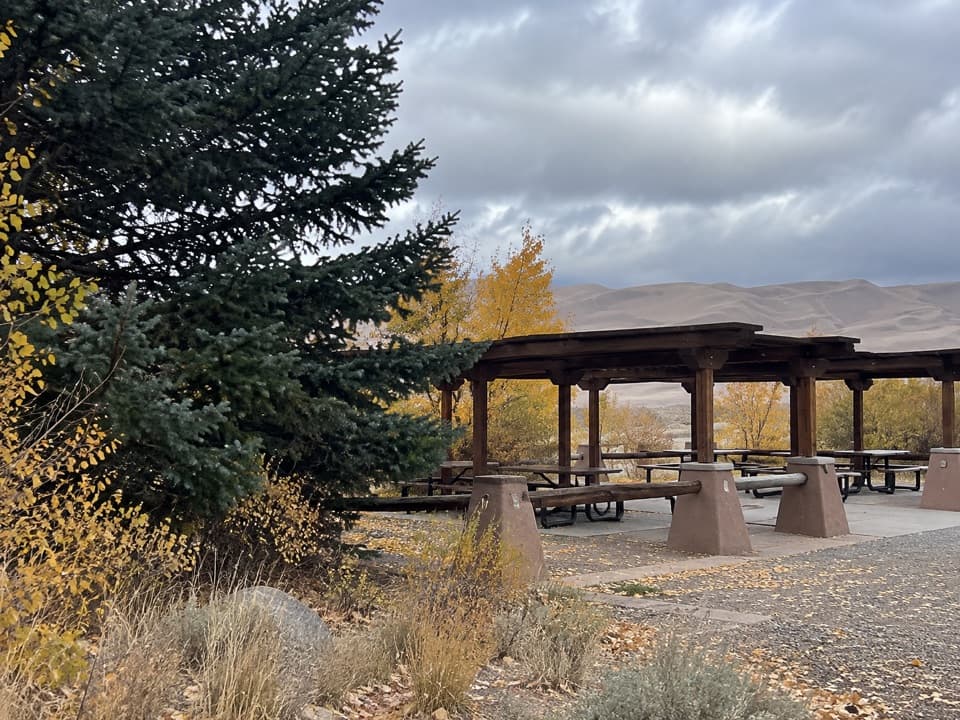
  • July: Unless monsoon rains are strong and steady, the creek usually retreats from the main Dunes Parking Area. You may still find a gentle trickle (about 1/2"–1") along the eastern edge of the dunefield near Castle Creek Picnic Area. Mosquitoes typically fade by mid-to-late July.
  • August–September: Generally gone from the main visitor area; a light flow may linger near the Castle Creek side.

Where to Find It

  • Spring/early summer: Walk straight from the Dunes Parking Area to the creek’s broad, beach-like flats.
  • Late summer/fall: Follow the Medano Pass Primitive Road (high-clearance 4WD) to Castle Creek Picnic Area, or hike to water: roughly 1–3 miles up the creekbed from the Dunes Parking Lot, or about 0.7–1.5 miles from the Point of No Return.

What You Can Do

Non-motorized, non-mechanized fun is the name of the game: splashing, wading, skimboarding, small inflatables during peak runoff, sandcastle building, and sand sculpting. Keep the water clean and avoid disturbing plants and animals along the creek’s margins.

Best Time to Visit

For flowing water and those quirky surge waves, aim for late May to early June—ideally not on a weekend if you want fewer people. By mid-to-late summer the creek often retreats from the main dunes, so plan on the Castle Creek side or a short hike if you’re visiting then.

Practical Safety Notes

Midday sand can get extremely hot—plan your play for cooler hours and wear footwear you can get wet. Thunderstorms can build quickly; if you see clouds growing or hear thunder, get off open sand and ridges. Bring plenty of drinking water, sun protection, and consider goggles or a buff on windy days.

Pros

  • Seasonal surge-flow waves make shallow wading surprisingly fun
  • Right along the main dunes when flowing, with easy play options

Cons

  • Peak late May–early June weekends are packed with entrance delays
  • Mosquitoes can be intense in June as flows slow
  • Often retreats from the main dunes by July; may require 4WD or a hike

Tips

  • Expect the biggest, most reliable flows in late May to early June.
  • In June, step out onto open sand to avoid mosquito-heavy vegetation zones.
  • By July–September, look near Castle Creek Picnic Area or plan a short hike from the main dunes to find water.
  • Wear water-ready footwear; midday sand can be scorching.
  • Watch for fast-building thunderstorms and leave open sand if thunder approaches.
The Parkwolf tour guide sitting on a phone mounted in a car

Parkwolf Tour Guide

Like a tour guide in your car.

Save the places you found around Great Sand Dunes, then let Parkwolf guide the drive between them.Download Parkwolf on the App Store