Overview
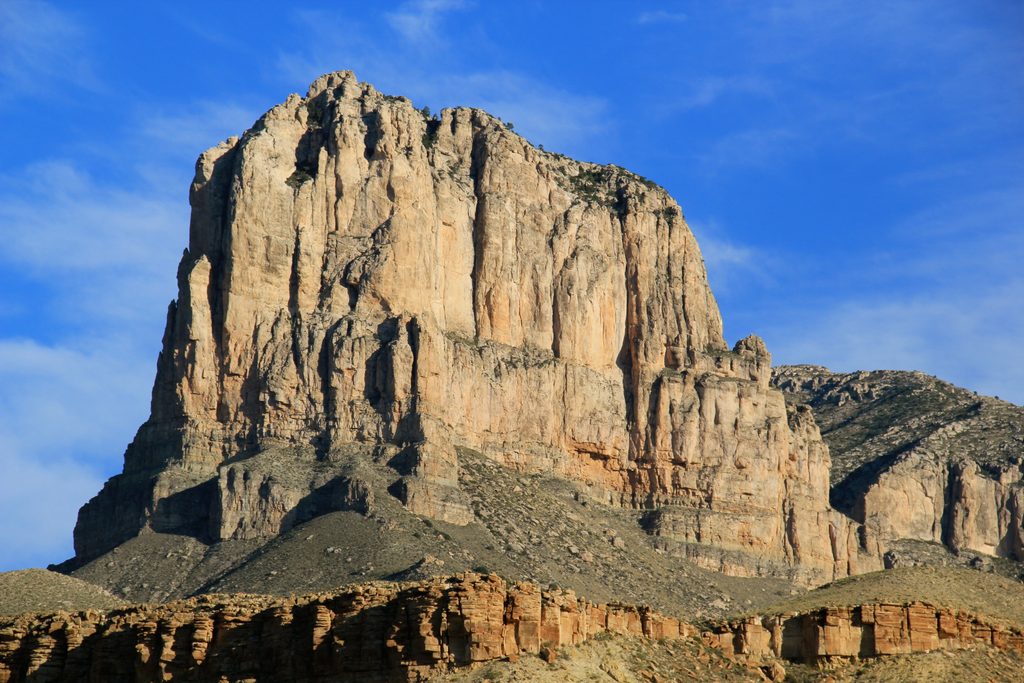
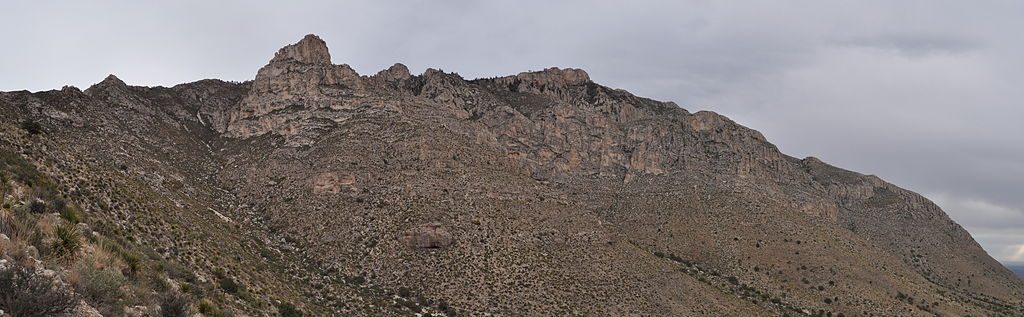
El Capitan is the park’s signature limestone fin—dramatic, imposing, and visible from far away. You can appreciate it two ways: a quick roadside stop for classic, unobstructed photos, or a longer hike that brings you to its base for big desert views and solitude.
Best Ways to See It
- Roadside views: Pull into the picnic pullouts along US‑62/180 a few miles south of the Pine Springs area for the classic, head‑on view and easy photo ops.
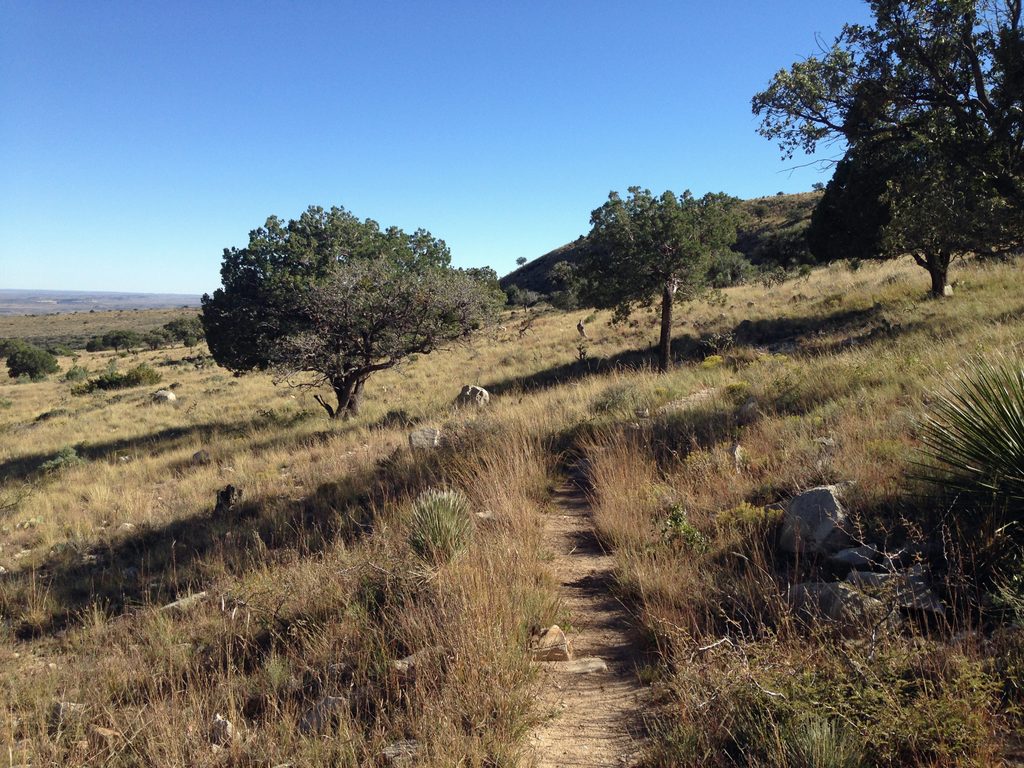
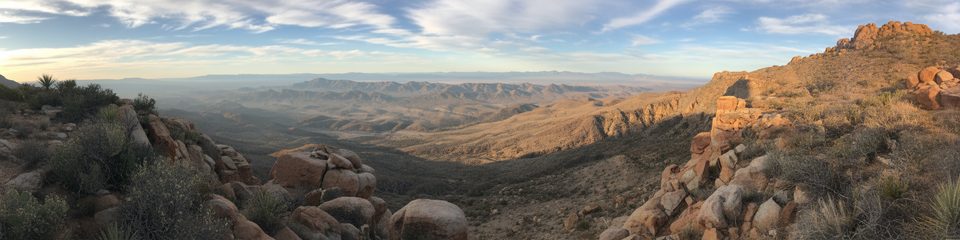
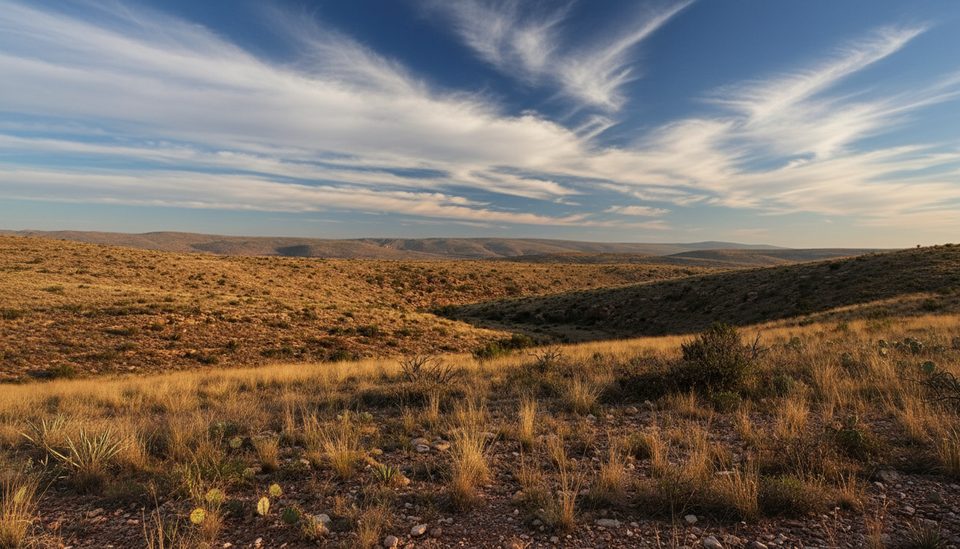
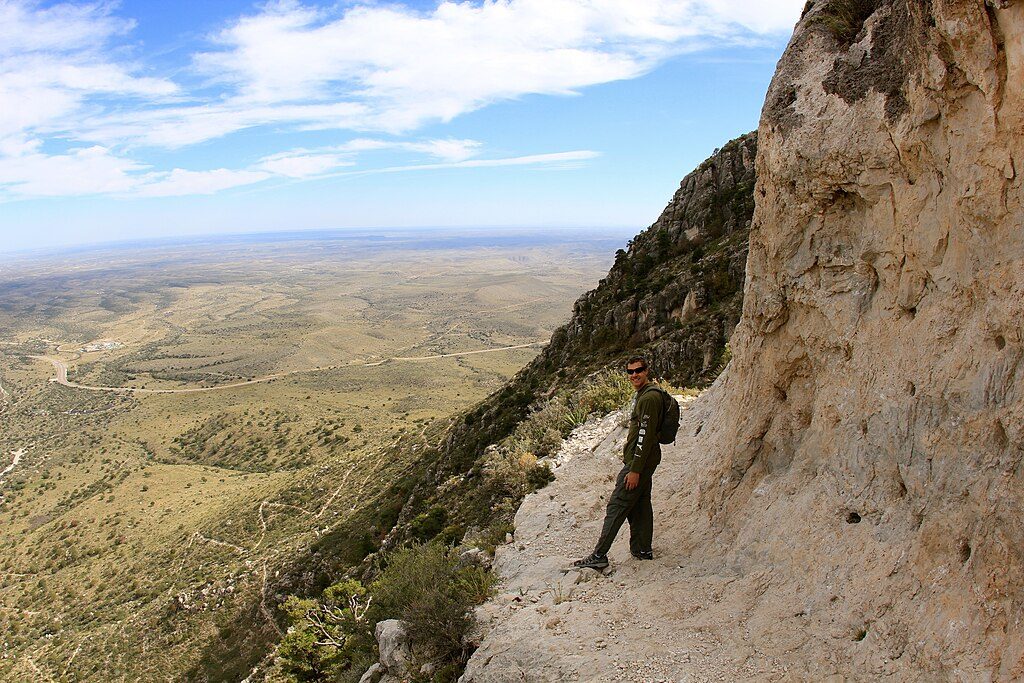
- Hike to the base: The El Capitan Trail (out-and-back from Pine Springs) is a moderate, rocky route with little shade. It doesn’t summit the peak but keeps El Capitan in sight and delivers broad desert panoramas and a sense of remoteness.
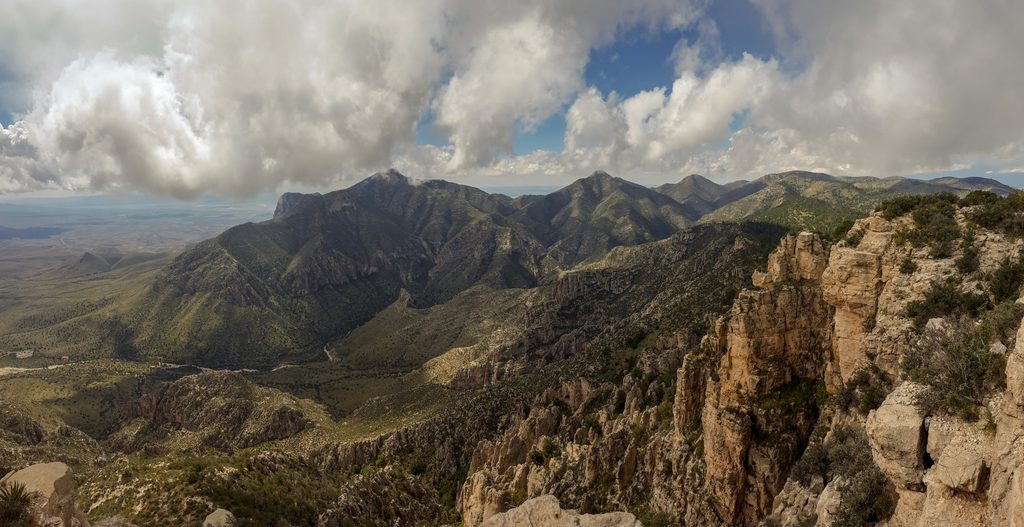
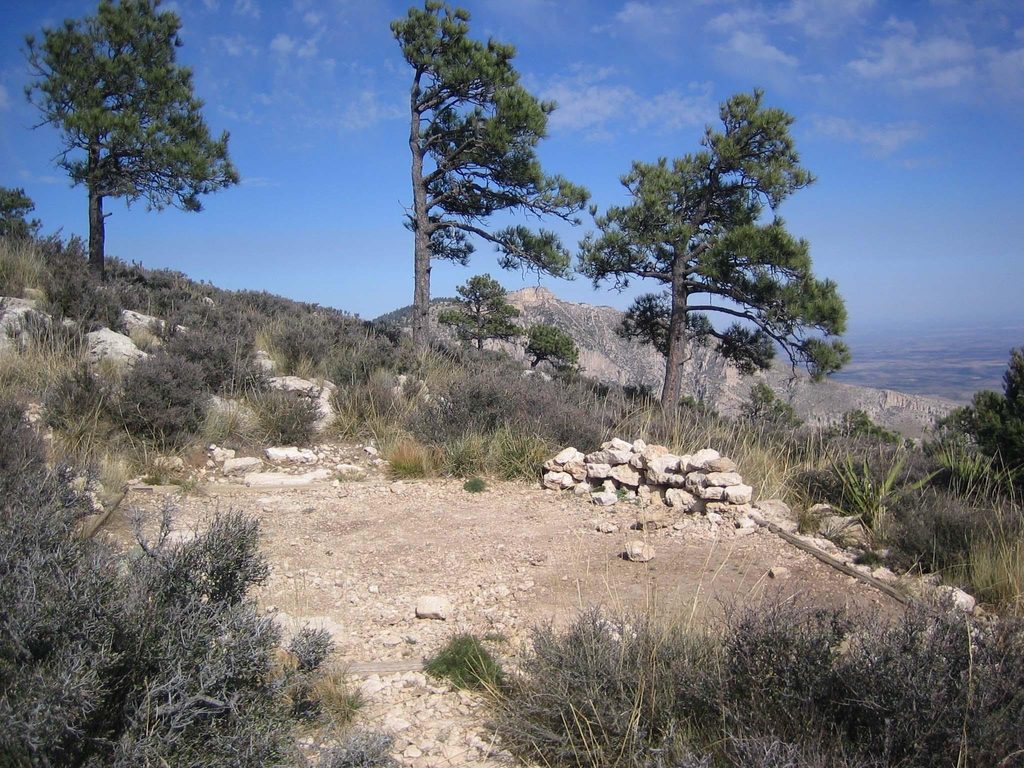
- From above: The Guadalupe Peak Trail offers lofty “backside” perspectives of El Capitan. It’s strenuous and often windy, but the angles are spectacular.
Trail Notes
- Expect a rocky, uneven path with minimal shade; bring sturdy footwear, sun protection, and plenty of water.
- Winds are common across the range—layers help, even on fair days.
- There’s a short spur near the El Capitan Trail’s far end to a Salt Basin overlook, a worthwhile detour for expansive views.
- Important: There’s no maintained summit trail for El Capitan; off‑trail scrambles are not recommended unless you’re highly experienced.
Facilities & Logistics
- Parking for the El Capitan Trail is at the Pine Springs Trailhead, with overflow at the nearby visitor center. Lots often fill by mid‑morning on busy spring/fall weekends—arrive early or have a backup plan.
- Restrooms and potable water are available at the visitor center during open hours and at the adjacent campground area. There are no facilities at the highway pullouts.
- The park has no gas, restaurants, or groceries. Bring all the food and water you need and top off fuel before arriving.
Wildlife & Nature
Keep an eye out for mule deer, lizards, snakes (including rattlesnakes on warm days), and a variety of desert birds. Around new moon or during meteor showers, El Capitan’s profile makes a striking foreground for stargazing when skies are clear.
Best Time to Visit
Late fall through early spring brings milder temperatures and typically better hiking conditions. On popular weekends, start early to beat parking crunches and mid‑day heat. For windy conditions—common on the ridges—check the forecast and plan accordingly.