Parking
Use the signed Pine Springs Trailhead. Its lot can fill early on weekends; overflow parking is at Pine Springs Visitor Center, about half a mile away.
#1 of 32 trails in Guadalupe Mountains
Guadalupe Mountains National Park, TX
Climb 3,000 feet to the highest point in Texas.
Overview
Map & elevation
Plan your hike
The highest, rockiest slopes around here are a summer buffet for grizzly bears.
Guadalupe Mountains Tour Guide
Parkwolf is a GPS audio tour guide for Guadalupe Mountains National Park. As you drive, it chimes in with what’s ahead: hidden gems, upcoming stops, history, geology, and wildlife, right through your car’s speakers.
Recorded for this trailhead
Pine Springs: The Guadalupe Peak Climb“You're nearing Pine Springs Trailhead, where the climb to Guadalupe Peak begins.”
Plays as you drive up to this trailhead in the Parkwolf Guadalupe Mountains Tour Guide.
More stories near here in the app
“Fantastic app with many points of information… It’s great to just turn on while you’re driving and it gives you an audio tour of the national Park. We love it!!!!”


Trail guide
This 8.4-mile out-and-back starts at Pine Springs Trailhead and climbs to Guadalupe Peak, the highest natural point in Texas at 8,751 feet. Plan on six to eight hours and about 3,000 feet of gain. The summit view and its metal marker make a clear payoff, but this is a steep, rocky day and the descent can feel harder once your legs are tired. Pick it for a serious summit hike; skip it if you want a short viewpoint walk.
Use the signed hiker trail. The separate Horse Trail is longer and less steep; it is not part of this route's 8.4-mile figure. Parking can fill early on weekends, with overflow at Pine Springs Visitor Center about half a mile away. A park entrance fee applies. Day hiking needs no reservation; the backcountry campsite near the false summit requires a permit for overnight use. The park lists the trail as a year-round hike.
There is little shade, and NPS lists no water source along the route. Its trail guidance recommends at least a gallon per person per day. Summer afternoon thunderstorms can bring dangerous lightning to the exposed high country. The summit is generally about 10 degrees cooler and 10 mph windier than Pine Springs; winter winds over 40 mph are not uncommon. A dawn or dusk summit means hiking some miles in the dark, so bring a headlamp.
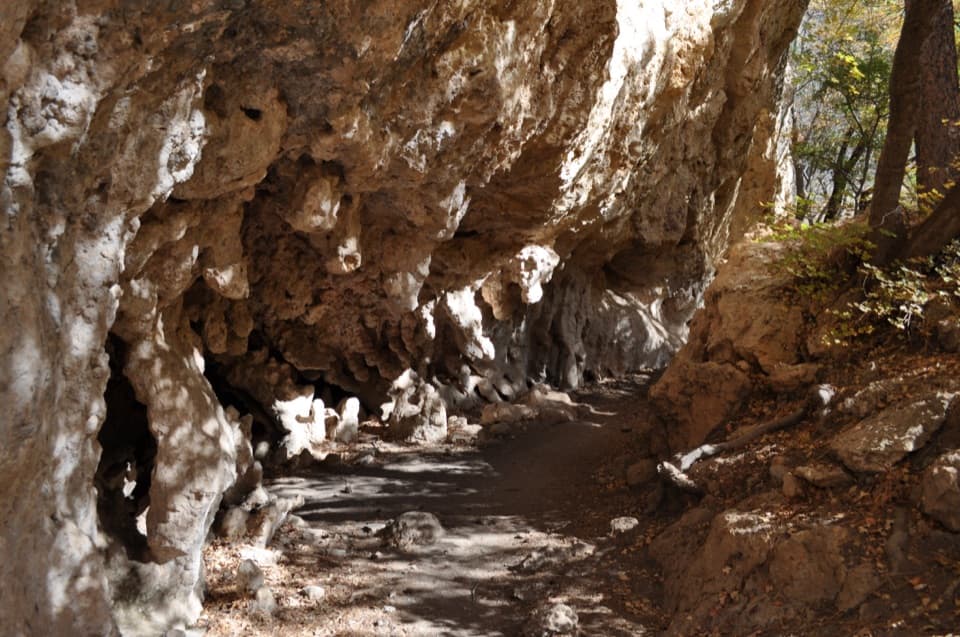
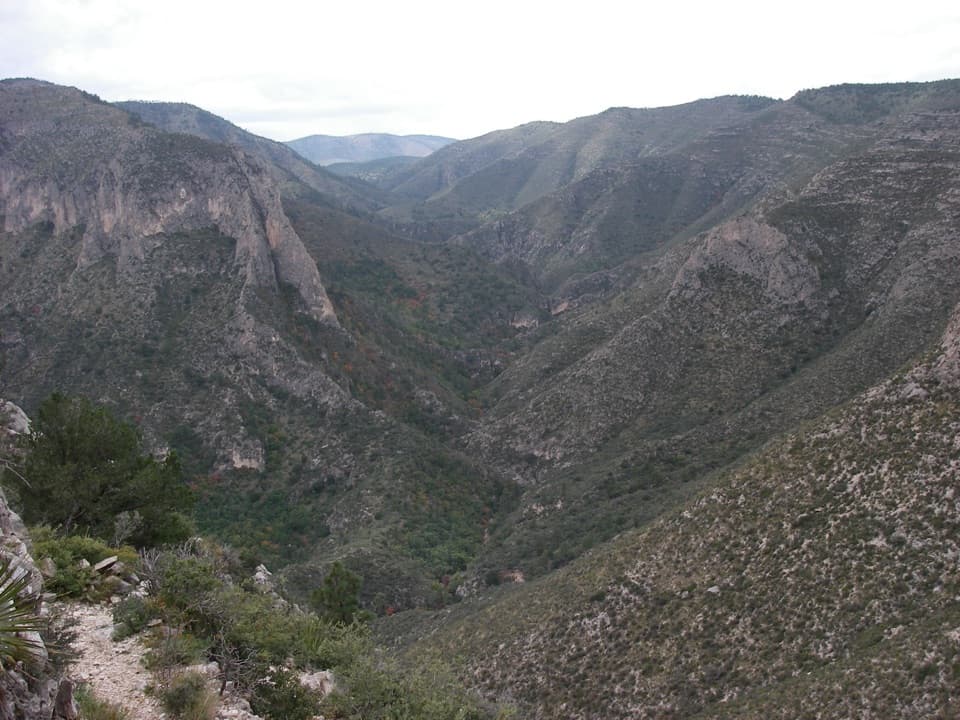
The first 1.5 miles are the steepest, climbing the first slope on rocky switchbacks. The views open a little more with each turn. Stay on the switchbacks; cutting across them accelerates erosion. This is where the climb makes its biggest demand early, so take a breather when you need one and save your legs for the way down.
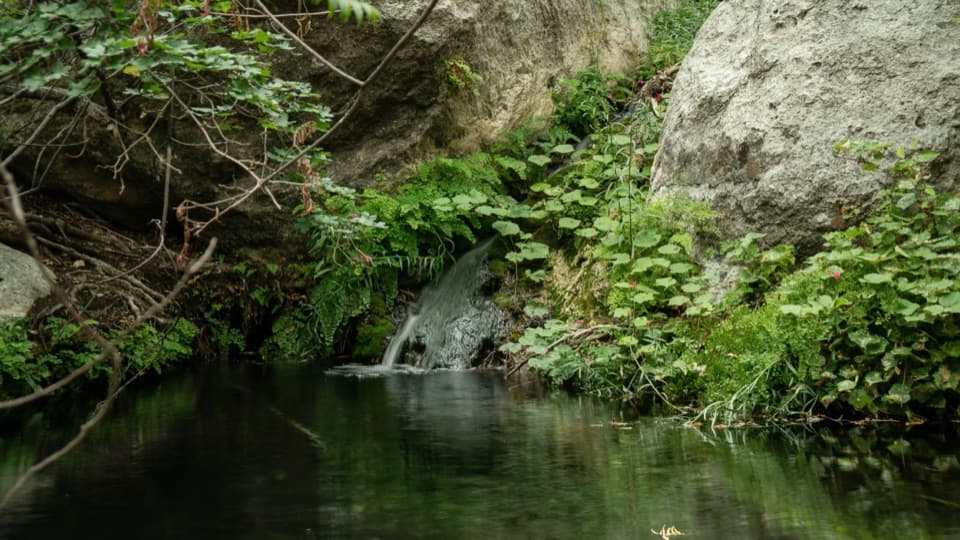
After passing a cliff, the trail turns onto a north-facing slope and eases off. A small, shadier stand of piñon pine, southwestern white pine and Douglas-fir feels like a different world from the exposed lower climb. Near mile three, the trail tops out at a false summit, then briefly flattens through sparse ponderosa pine. The backcountry campsite is on this high point, but reaching it is not the end: the true summit is still a little more than a mile away.
Past the campsite, the trail dips and crosses a wooden bridge before the last climb. A few more switchbacks bring El Capitan into view to the south. Horse hitching posts sit near the summit. The trail is rocky on the way back too, and NPS warns that descending can be harder than climbing because of the footing and fatigue.
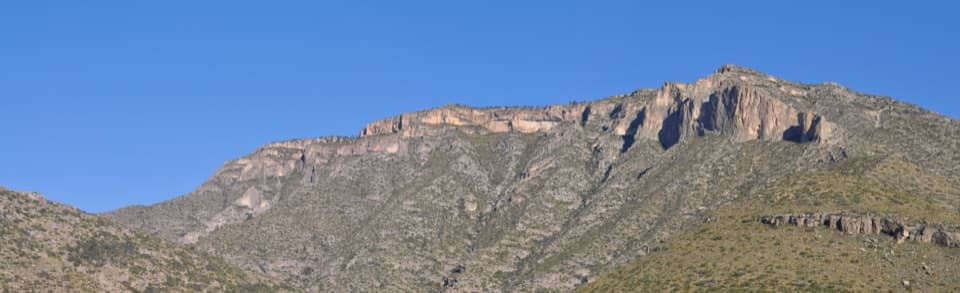
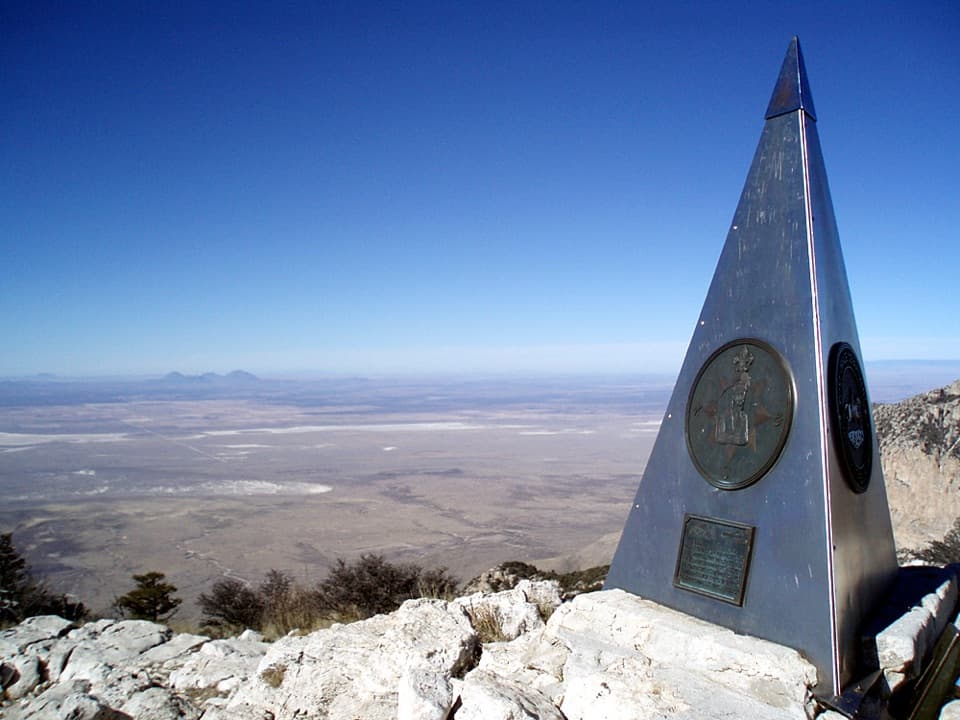
At 8,751 feet, Guadalupe Peak is Texas's highest natural point. A stainless-steel pyramid marks the summit; American Airlines erected it in 1958 for the centennial of the Butterfield Overland Mail, the stagecoach route that once passed south of the mountain. On a clear day, the view reaches across the surrounding mountains and desert. For a useful summit photo, put the pyramid near one edge of the frame and leave room for the broad landscape behind it.
The steep cliffs belong to the Capitan limestone reef complex, a remnant of an ancient Permian sea. The park dates the Permian period to roughly 251–299 million years ago. On the climb, the changing plants are part of the story too: the rocky desert slope gives way to a cooler pocket of pines, then to sparse ponderosa near the false summit.
Wildlife
 33 sightingsAoudadMost seen around 6 AMSighting map
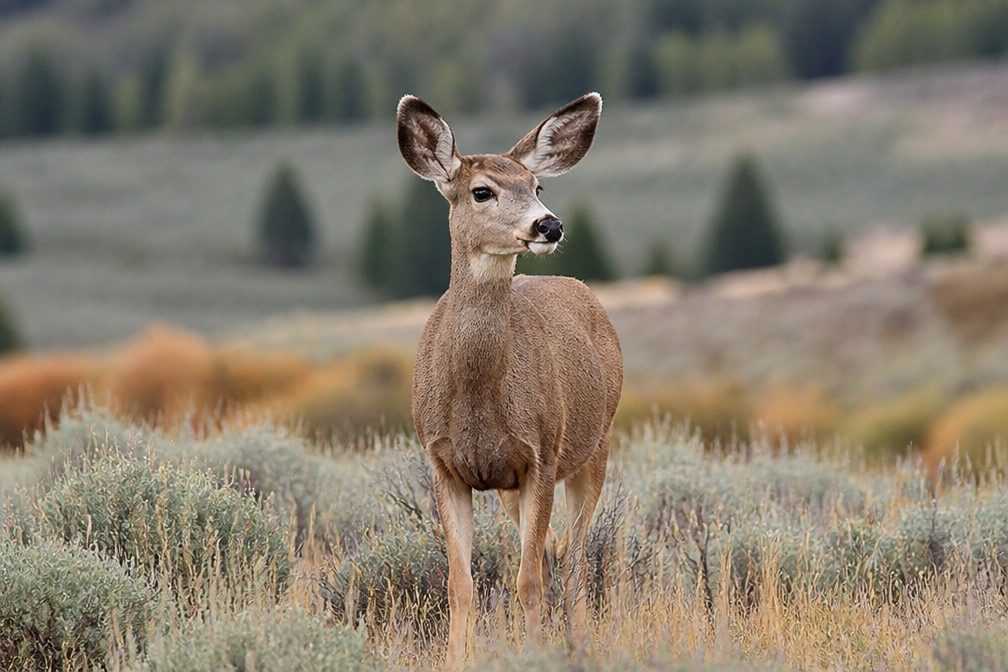 163 sightingsMule DeerMost seen around 6 AMSighting map
 11 sightingsWild TurkeyMost seen around 7 AMSighting map
 34 sightingsCollared PeccaryMost seen around 7 AMSighting map
 39 sightingsDiamondback RattlesnakeMost seen around 6 PMSighting map
 43 sightingsBlack-tailed RattlesnakeMost seen around 7 PMSighting map
Sighting maps show where each species has been reported across Guadalupe Mountains. Wildlife moves, so no sighting is guaranteed.
Keep exploring
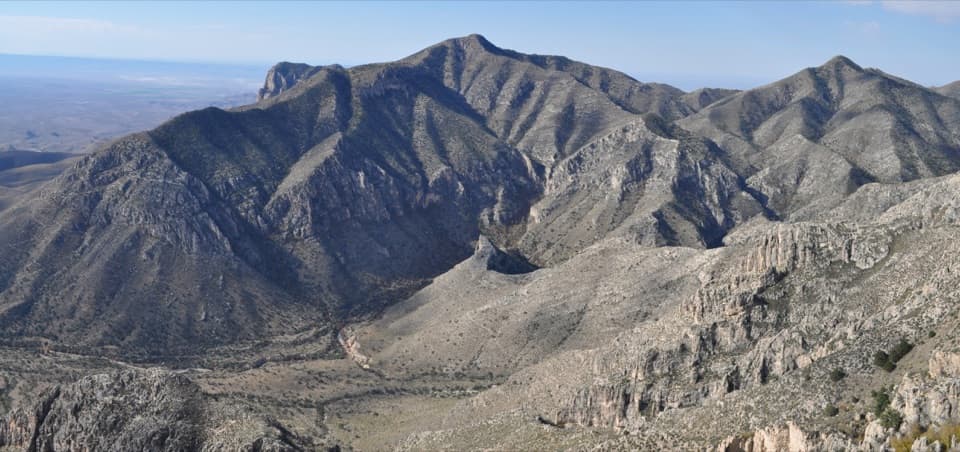 ChallengingHunter Peak Loop8.7 mi · 7 hr · At the trailheadBear Canyon up, Tejas down, and a summit over the desert.
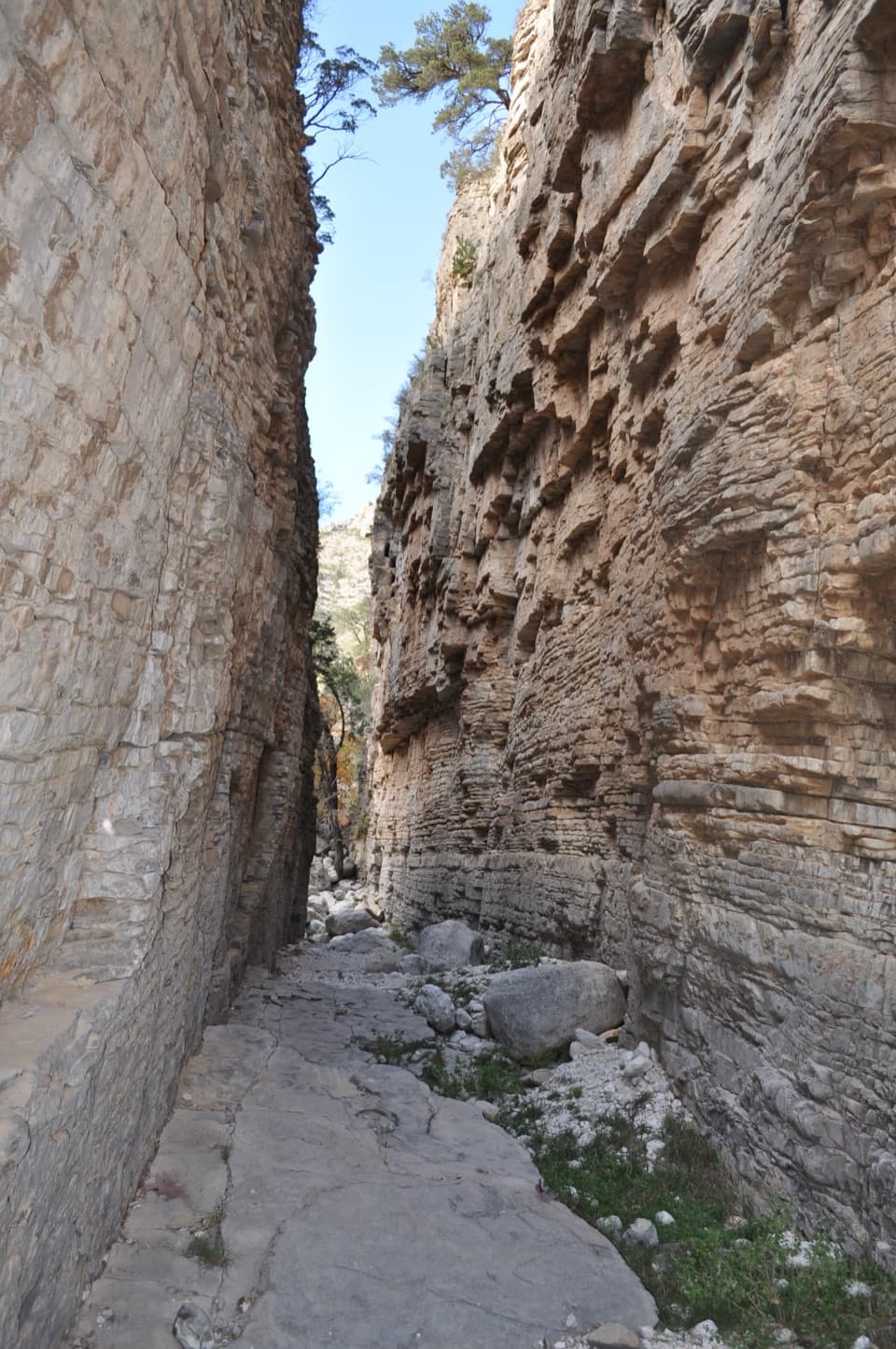 ChallengingDevil's Hall Trail4.2 mi · 4 hr · At the trailheadBoulder scrambling leads to a natural staircase and narrow canyon hall.
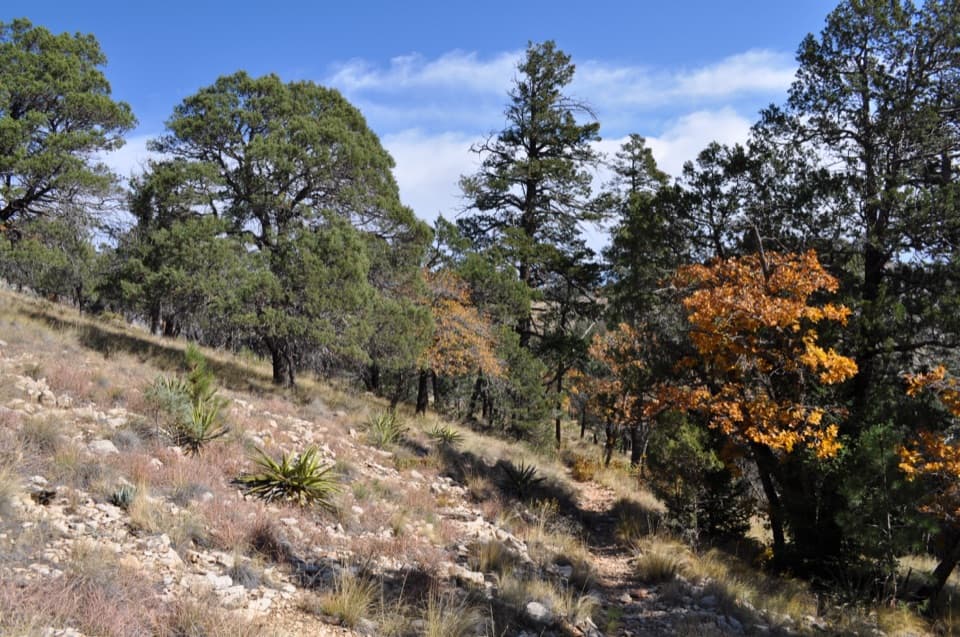 ChallengingBowl Trail11 mi · 9 hr · At the trailheadA long Tejas climb reaches a remnant forest in the high country.
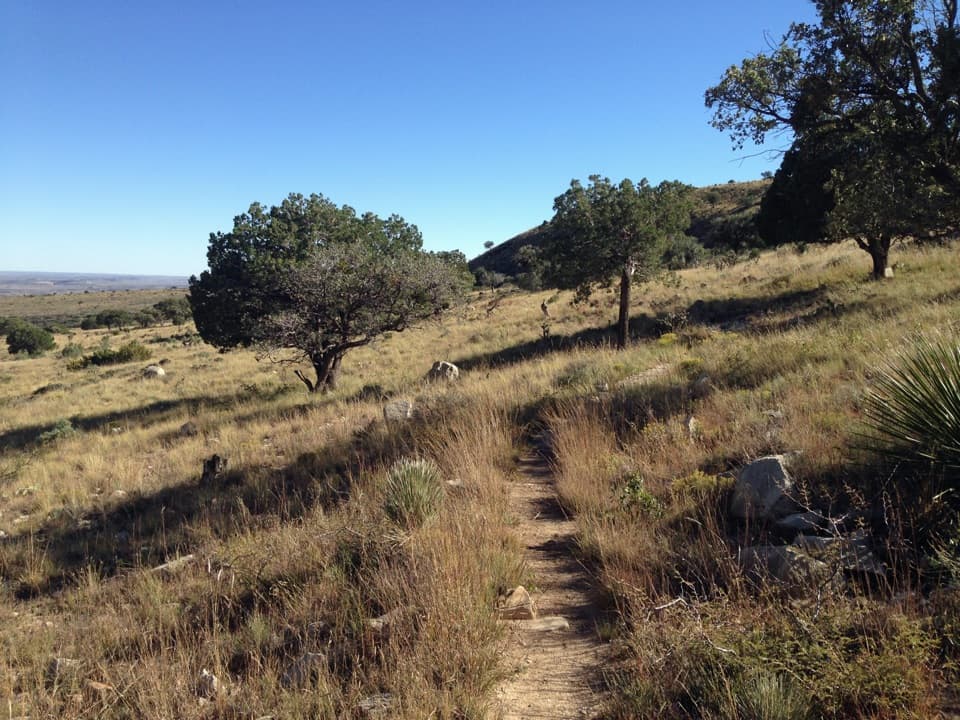 ChallengingSalt Basin Overlook Trail11.3 mi · 8 hr · At the trailheadA long, open loop to the Salt Basin’s wide western views.
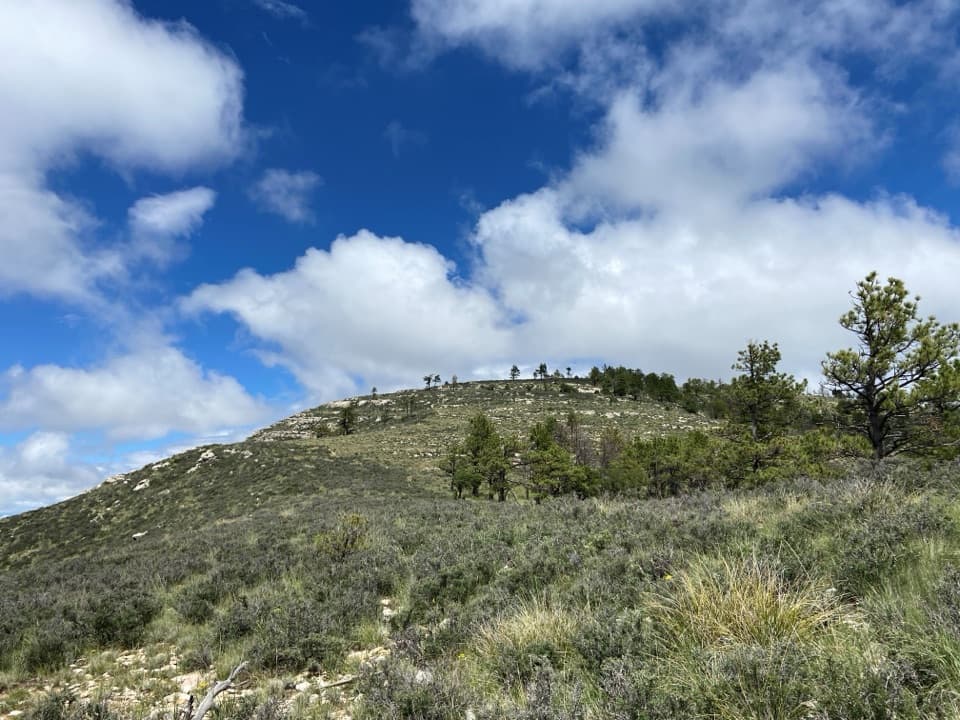 ChallengingBush Mountain Summit Hike13.3 mi · 8.5 hr · At the trailheadA long ridge hike to Texas’s second-highest summit.
 ChallengingTejas Thru Hike11.8 mi · 8 hr · At the trailheadCross the park’s high country from the Bowl to Dog Canyon.
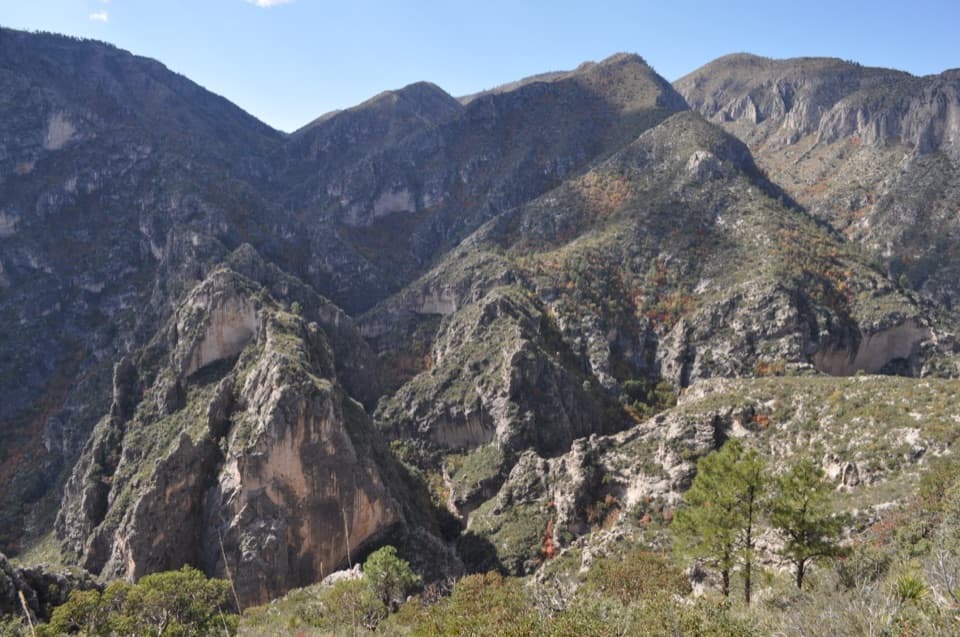 ChallengingPine Springs to McKittrick Canyon18.8 mi · 14 hr · At the trailheadA long high-country traverse ending in South McKittrick Canyon.
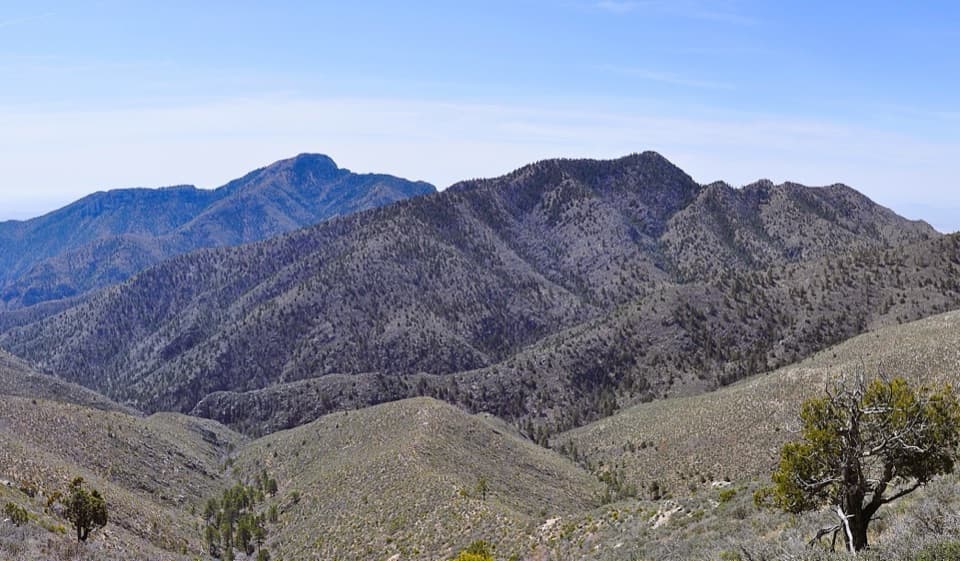 ChallengingBush Mountain–Blue Ridge Loop16.2 mi · 10.5 hr · At the trailheadA full-day ridge loop crosses Texas’s second-highest summit.
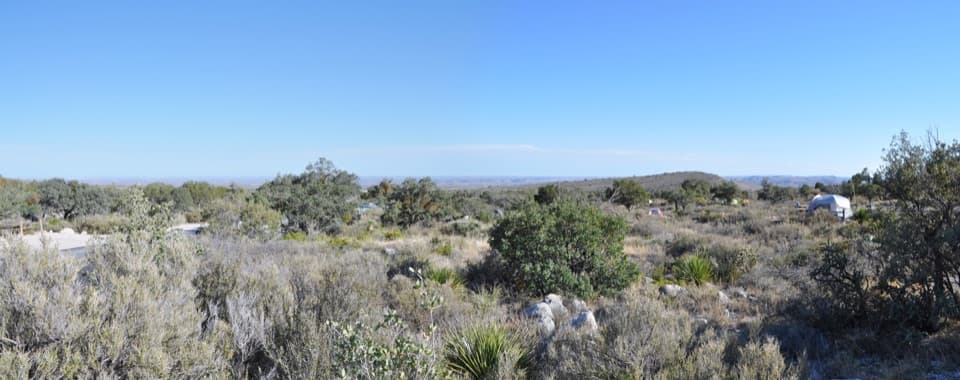 Campground · 0.2 mi awayPine Springs CampgroundA practical hiking base with tent sites, RV space, and mountain views.
 Visitor center · 0.4 mi awayPine Springs Visitor CenterStart here for permits, maps, and advice before your hike.
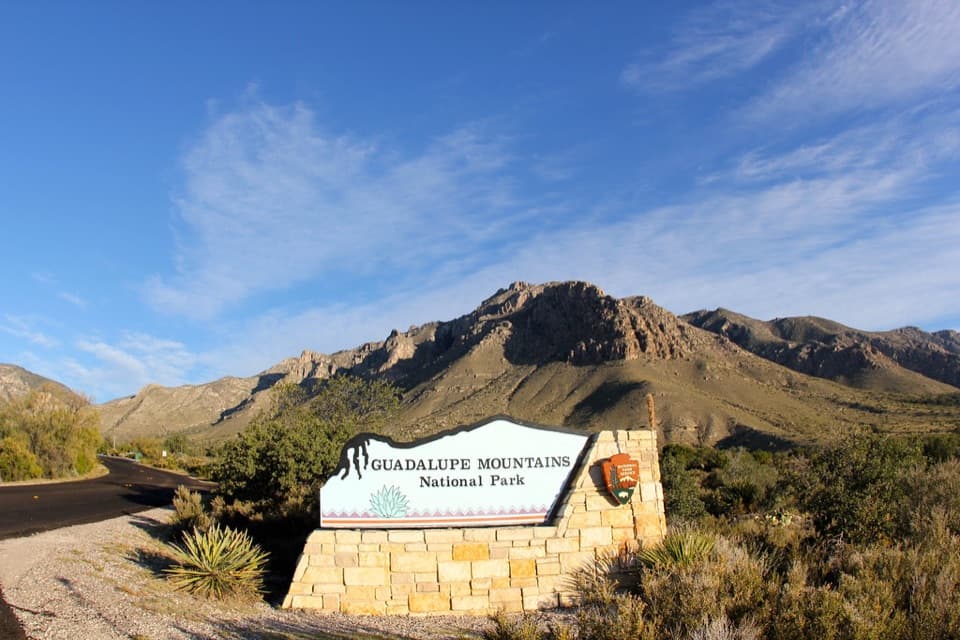 Sight · 0.5 mi awayGuadalupe Mountains National Park Entrance Sign (Pine Springs)A quick entrance photo with Hunter Peak behind the sign.
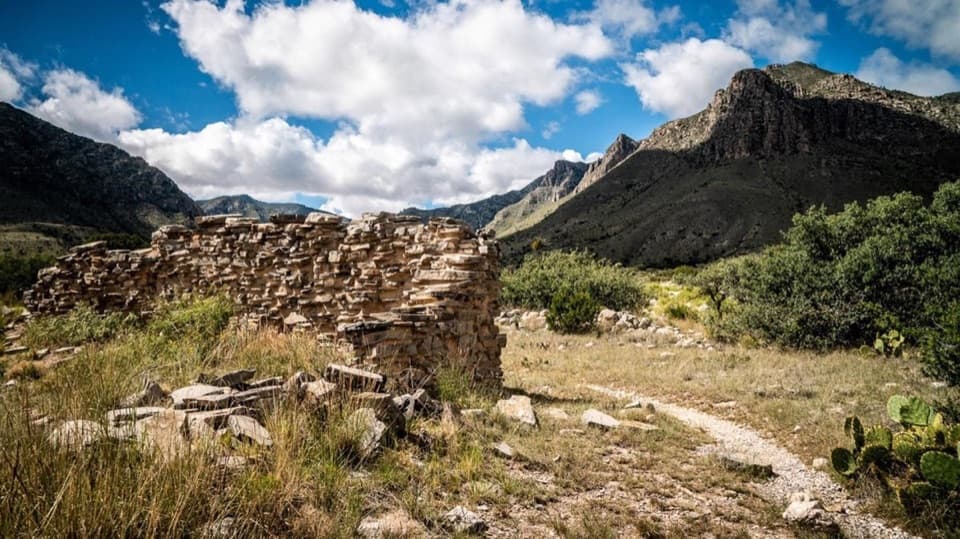 Sight · 0.7 mi awayThe PineryAn easy walk to the Butterfield route's highest station.
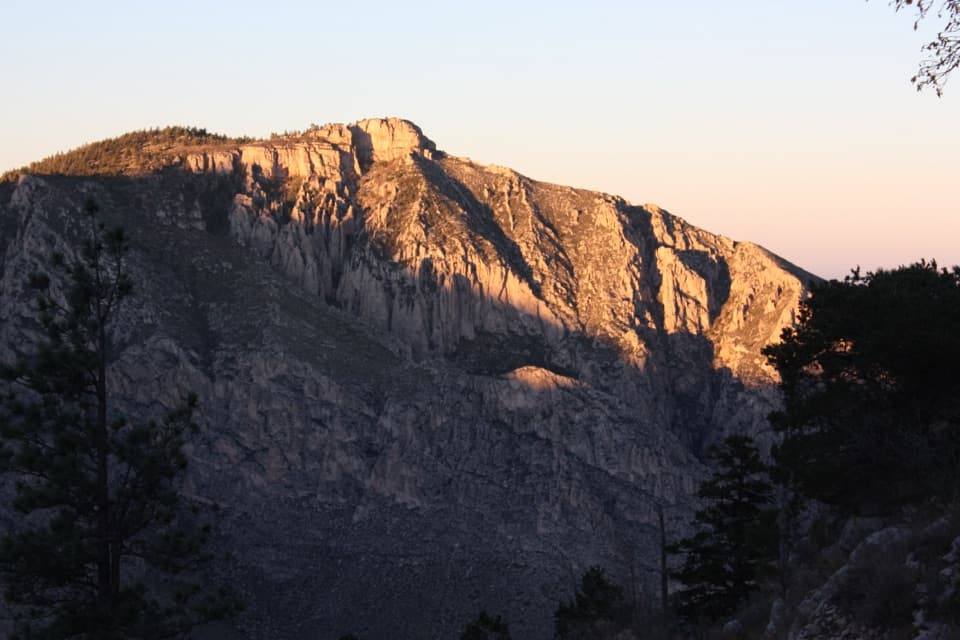 Sight · 1.2 mi awayHunter PeakA full-day climb to broad views from Texas’s sixth-highest peak.Sight · 1.3 mi awayDevil's HallA strenuous boulder scramble ends at a narrow limestone hallway.
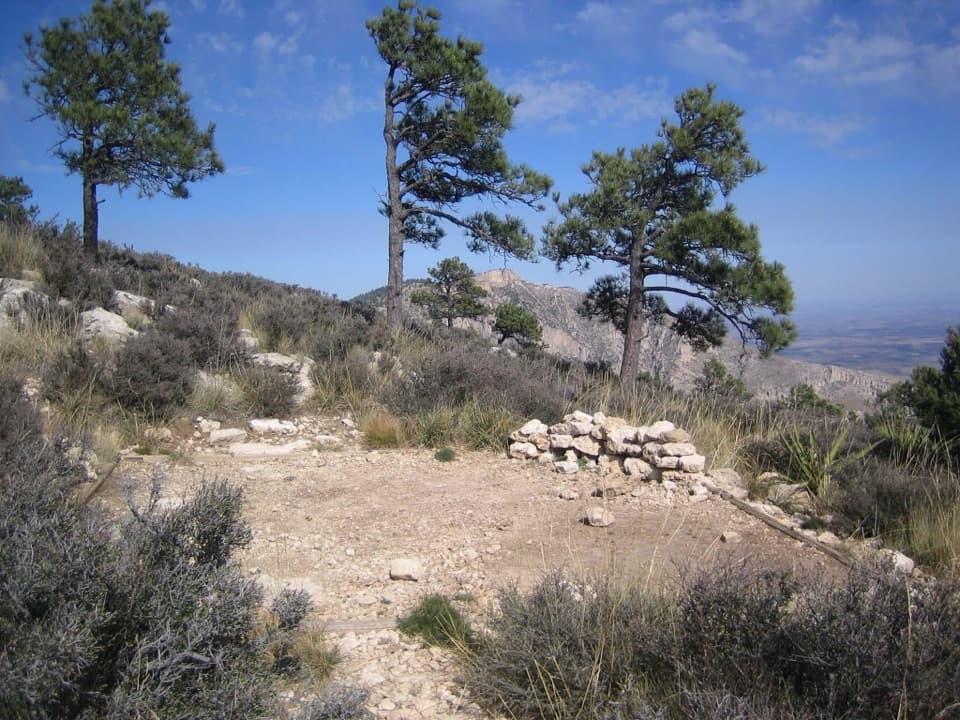 Campground · 1.4 mi awayGuadalupe Peak Wilderness CampgroundOvernight on the steep climb to Guadalupe Peak.
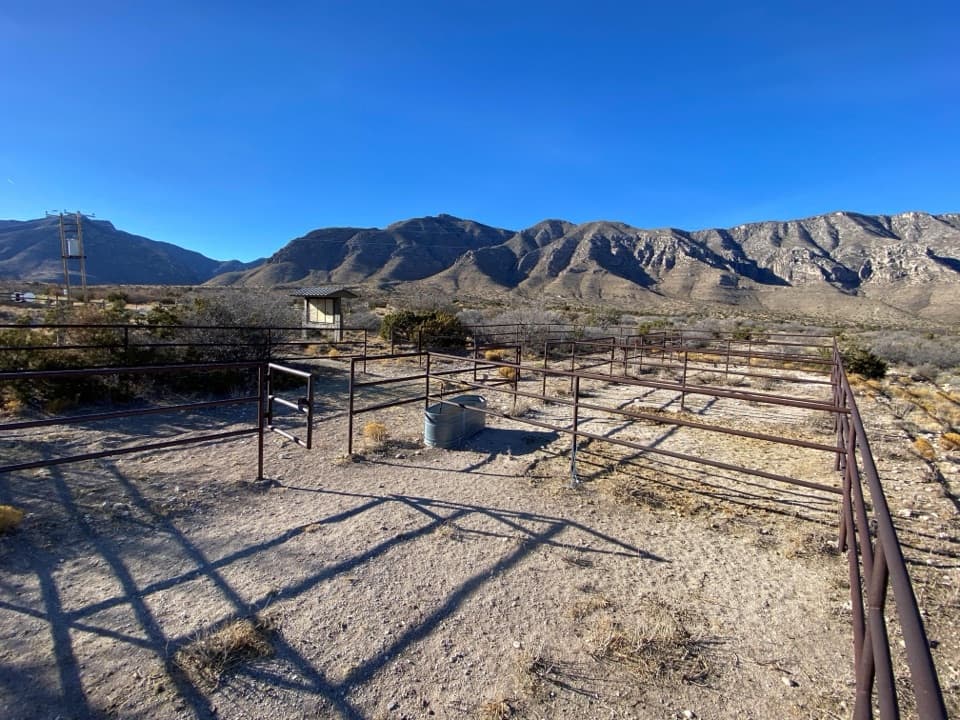 Campground · 1.7 mi awayFrijole Horse Corral CampgroundHorse camping with a clear view of the park's high peaks.
Parkwolf’s Guadalupe Mountains ranking

The audio tour guide for the drive, plus offline maps, trails, and wildlife heatmaps for when the signal drops.