
Place · 1.3 mi away
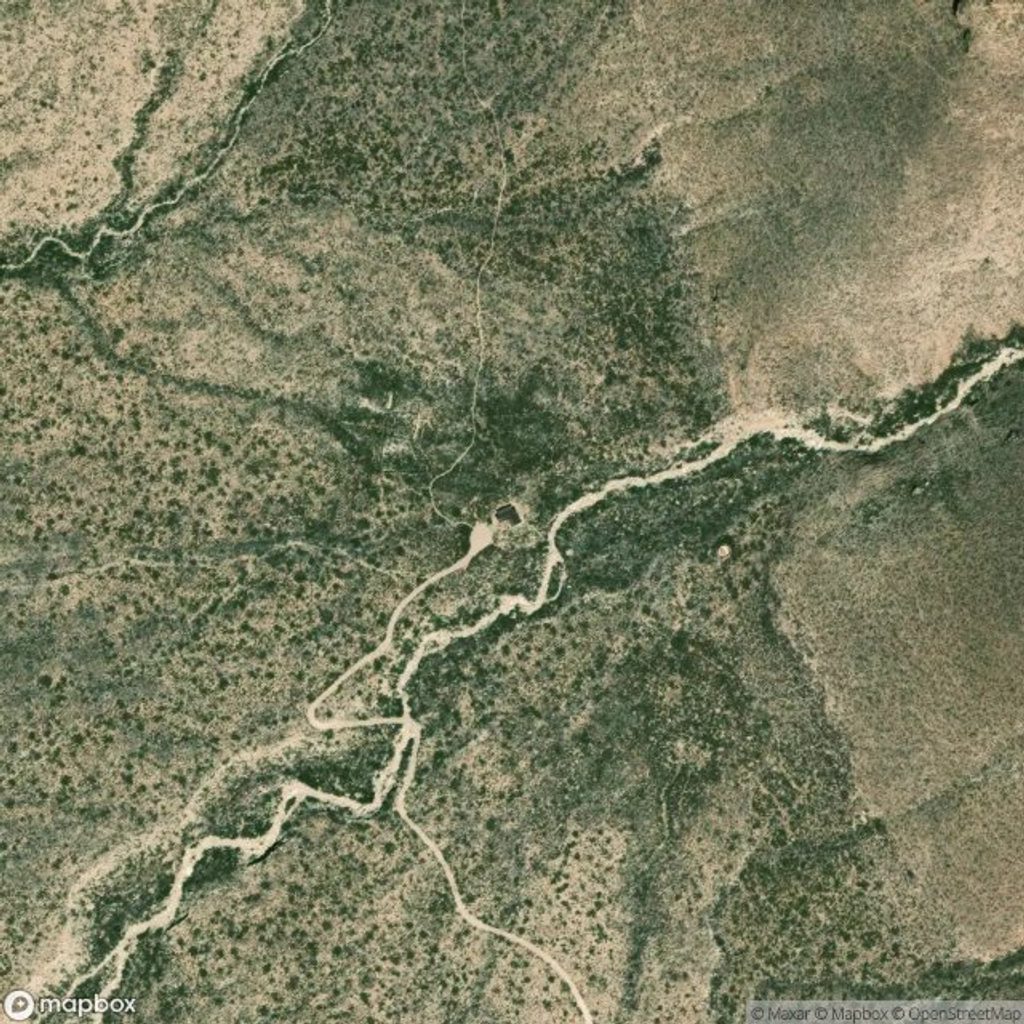
Tucked beneath a towering 3,000-foot cliff on the park’s west side, Williams Ranch House is a time capsule from 1908 set in an epic desert amphitheater. The payoff here is the setting: sweeping westward vistas over the salt flats and an unusual ground-up view of El Capitan and Guadalupe Peak that you don’t get from the main trails.
Built in 1908, the single-story, L‑shaped house blends Victorian touches with frontier practicality: thin box‑and‑strip walls clad in Boston clinker siding, a gabled wood‑shingle roof, and decorative trim with lathed posts on the north porch. It sits on a local sandstone foundation, and you’ll notice quirky vernacular details like door and window frames thicker than the walls. Ownership moved from the Belcher family to J. A. “Dolph” Williams (who ran cattle, sheep, and goats with partner Geronimo Segura), then to J. C. Hunter, and eventually to the National Park Service after the park’s establishment in 1972. Stories from the ranch’s hardscrabble years include patching wallpaper with newspapers to keep out wind and dust.
The ranch sits amid exposures tied to the famed Capitan Reef and forebasin geology—some of the oldest rocks in the range are nearby. From the house and porch area, you look across the salt flats and straight up at the vertical west faces of El Capitan and neighboring Shumard Peak.
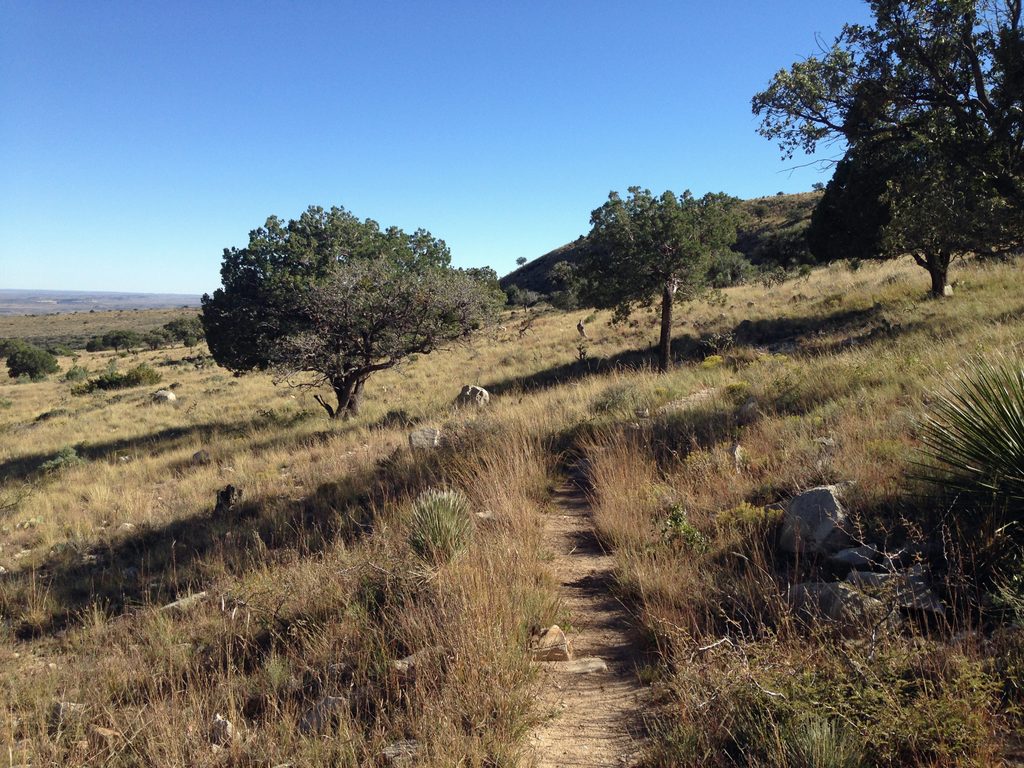
Important: Williams Ranch Road is closed to all public access (vehicles, foot, bikes, and stock) due to severe storm damage from 2021. The park is planning repairs. You can currently reach the ranch by hiking the El Capitan Trail from Pine Springs; do not travel along the closed road corridor. Expect a long desert hike with limited shade and no water.
This is a simple, weathered historic site—more about solitude, scenery, and the feel of the place than interior exhibits. There are no listed amenities (no restrooms or water), so plan self‑sufficiently.
The broader park hosts a wide range of desert wildlife. Many species are nocturnal—think kit foxes, coyotes, bobcats, and bats—while mule deer, javelina, and black‑tailed jackrabbits tend to be more active during the day’s cooler windows. Reptiles, including rattlesnakes and various lizards, are present; stay alert and give all wildlife space.
With the road closed and the approach via a long, exposed trail, aim for the cooler parts of the day for comfort and better chances of daytime wildlife activity. Always check current conditions and closures before you commit.
Place · 1.3 mi away
Place · 1.6 mi away
Place · 1.6 mi away
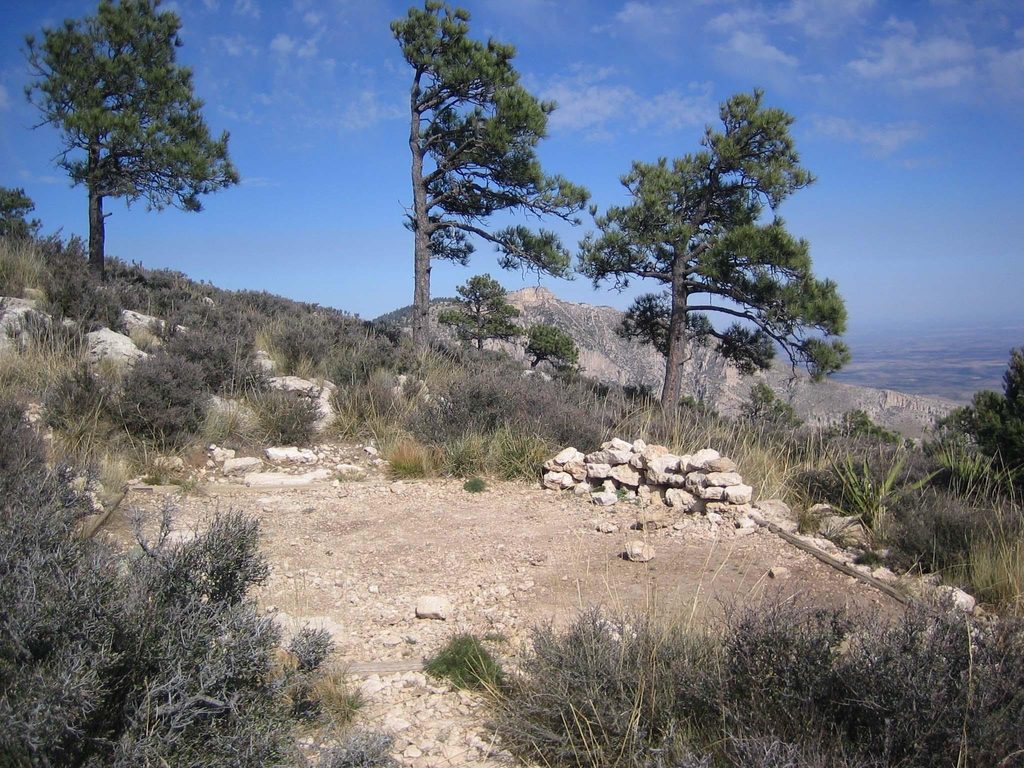
Place · 2 mi away
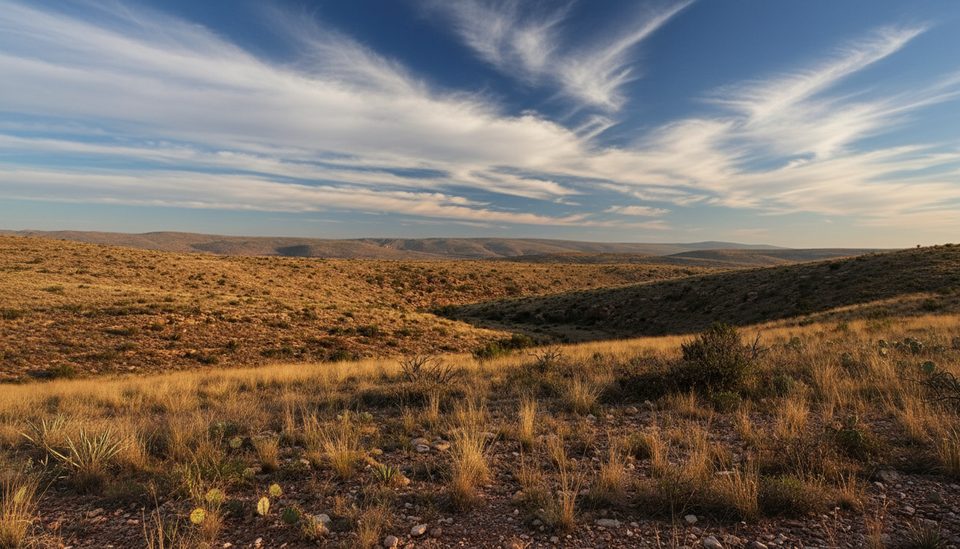
Challenging · 3.5 mi away
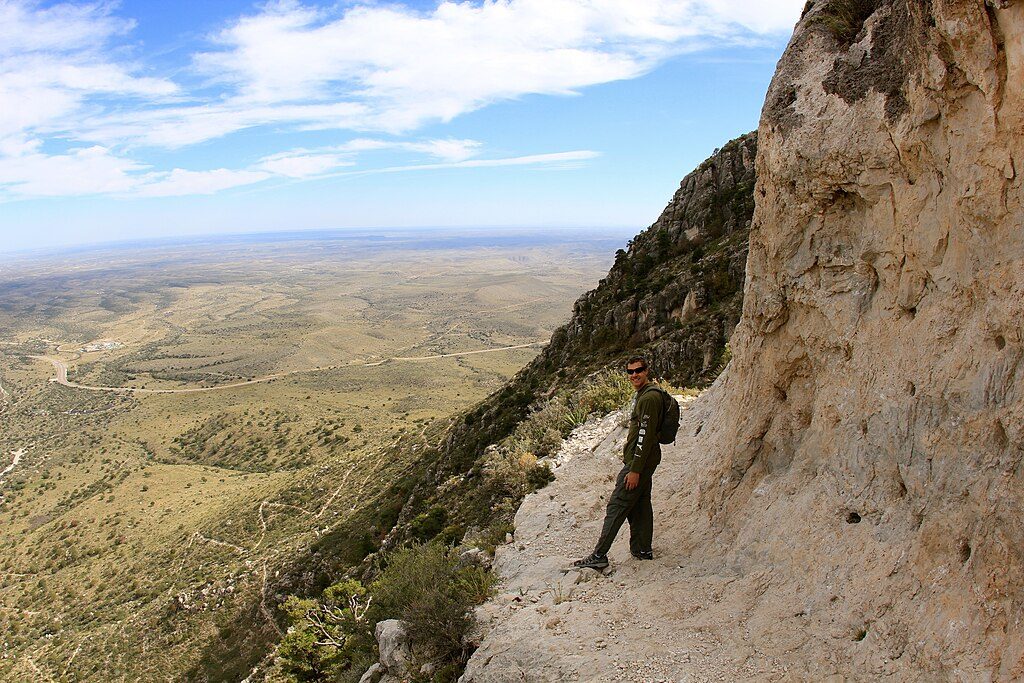
Challenging · 3.5 mi away
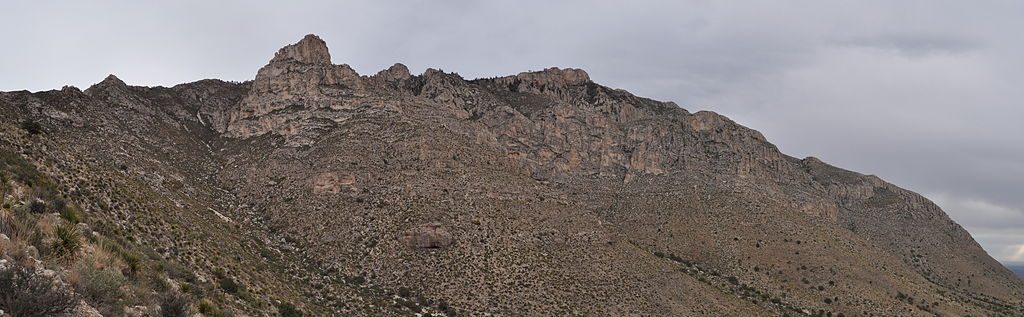
Challenging · 3.5 mi away

Challenging · 3.5 mi away

Parkwolf Tour Guide
