
Place · 1.1 mi away
Easy
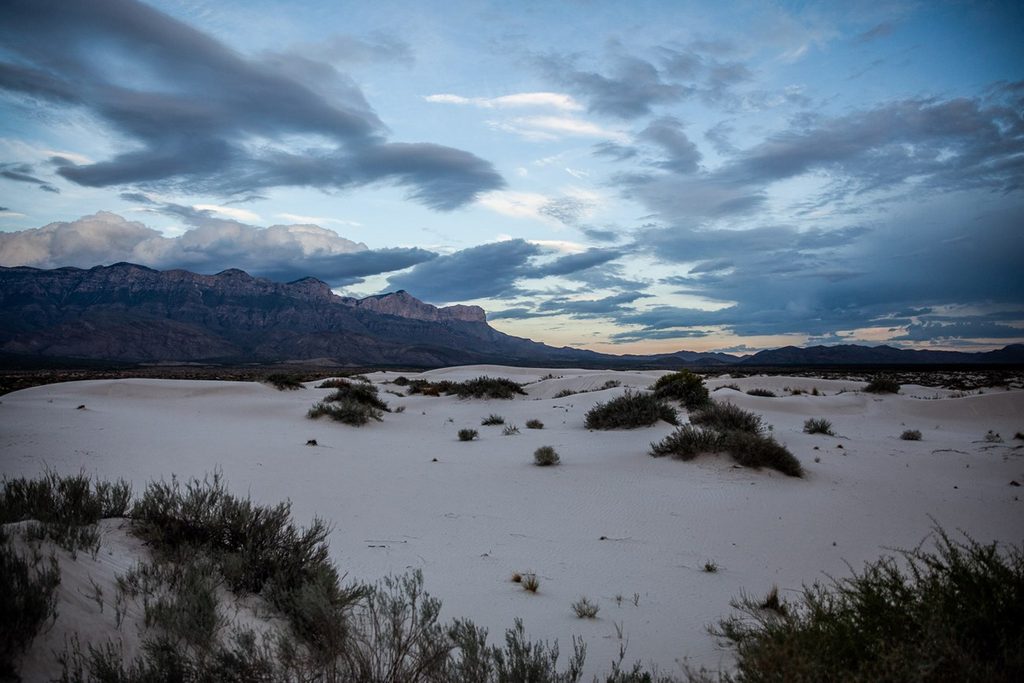
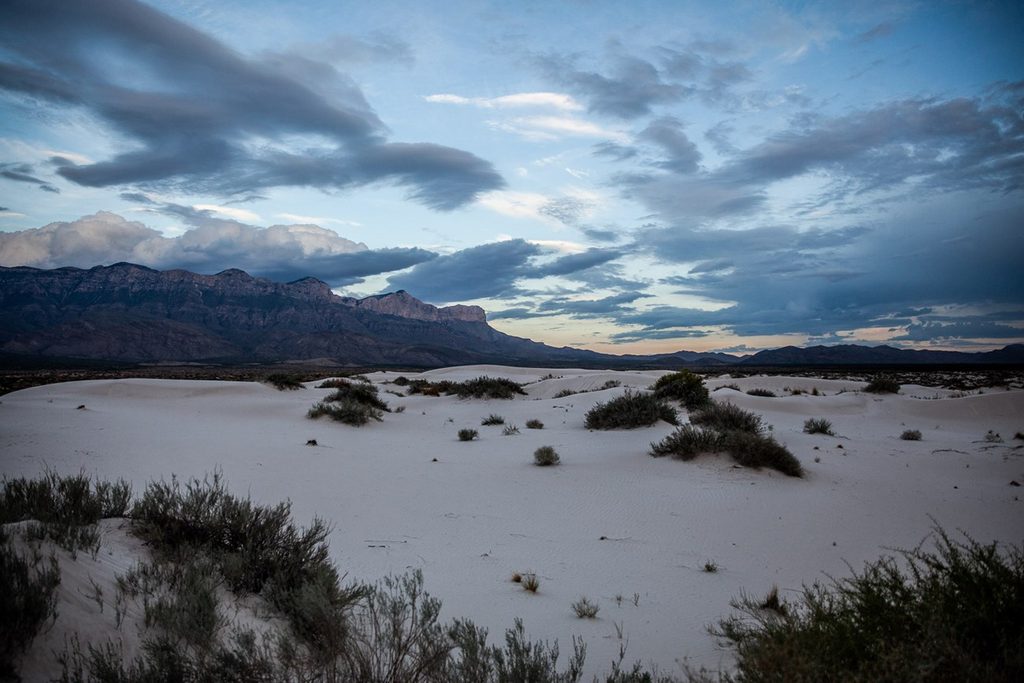
If you want a quiet, otherworldly corner of the park, this is it. The Salt Basin Dunes Trail is a flat walk on an old desert road to a bright-white gypsum dune field set against the park’s western escarpment. It’s roughly 3.0 miles total out-and-back to the edge of the dunes (about 1.5 miles each way), with only 30–40 feet of elevation gain. Expect more effort if you wander and climb the soft, steep dune faces.
Some visitors love the solitude and stark beauty; others feel the payoff is modest for the drive. The dunes here are smaller than the giant dune fields you might know from elsewhere, so set expectations accordingly.
The dunes are on the far west side of the park, a bit over an hour from Pine Springs. From the parking area, follow the old two-track east toward the escarpment for about 1.5 miles to reach the dune edge. There’s no formal trail on the sand—roam the non‑vegetated dunes as you like and return the same way. Wayfinding is simple on the approach road, but it’s easy to get turned around when leaving the dune field, so note your entry point and surrounding landmarks. The historic Butterfield Stage route intersects near the access point.
Trailhead facilities include accessible and RV/bus parking, shade structures with picnic tables, and pit toilets. There is no water—stock up in Dell City.
You’ll cross open desert scrub with yucca and grasses before the landscape turns to gypsum sand. The dune field covers roughly 2,000 acres; dunes range from about 3 feet in the south to around 60 feet in the north. The gypsum often stays cooler than typical quartz sand, which can make barefoot walking pleasant in mild conditions—test first. Views back to the Guadalupe Mountains (including the western escarpment) are the star.
Wildlife is sparse in the heat of day, but rattlesnakes do occur—give any snake a wide berth and let it move on. The dark, crusty soil you’ll see in places is a fragile biological soil crust; avoid stepping on it.
Access is via long stretches of clay/dirt. In wet weather the road becomes slick and can be impassable—do not attempt it when wet. High‑clearance is helpful; some standard cars make it when dry, but expect dips and washboarding and drive slowly. The dunes are day‑use only: open from sunrise to 30 minutes after sunset. No camping and no glass containers.
Heat is the main hazard. Much of the year can be dangerously hot, with no shade on the approach. Carry plenty of water (plan up to a quart per hour on hot days), sun protection, and sturdy footwear for sand climbing. Stay on established roads/trails and the open, non‑vegetated dunes; do not trample the cryptogamic crust, and pack out all trash.
Late fall through early spring is best for temperatures. Winter and spring can be windy. In warm months, start right at sunrise and be done before midday. For photography, the western escarpment lights up best toward late afternoon and sunset; at sunrise the mountains can be backlit and more subdued.
If you’re already exploring the park for a couple of days and want solitude plus a unique gypsum landscape, yes—this is a serene add‑on. If your time is tight and you’re chasing big, dramatic highlights, the long dirt approach and modest dune size may feel underwhelming compared to the park’s marquee peaks and canyons.
Trailhead lot at Salt Basin Dunes via Williams Road; includes accessible and RV/bus parking, shade structures, and pit toilets. No water available.
Extreme heat, no shade, and no water. Clay access road is dangerously slick when wet. Multiple old roads and featureless dunes can make exit disorienting—note landmarks. Venomous snakes present; give them space. Stay off fragile biological soil crust.
Place · 1.1 mi away
Place · 7.4 mi away
Place · 7.6 mi away
Place · 7.6 mi away
Challenging · 10.6 mi away
Challenging · 10.6 mi away
Challenging · 10.6 mi away

Challenging · 10.6 mi away

Parkwolf Tour Guide
