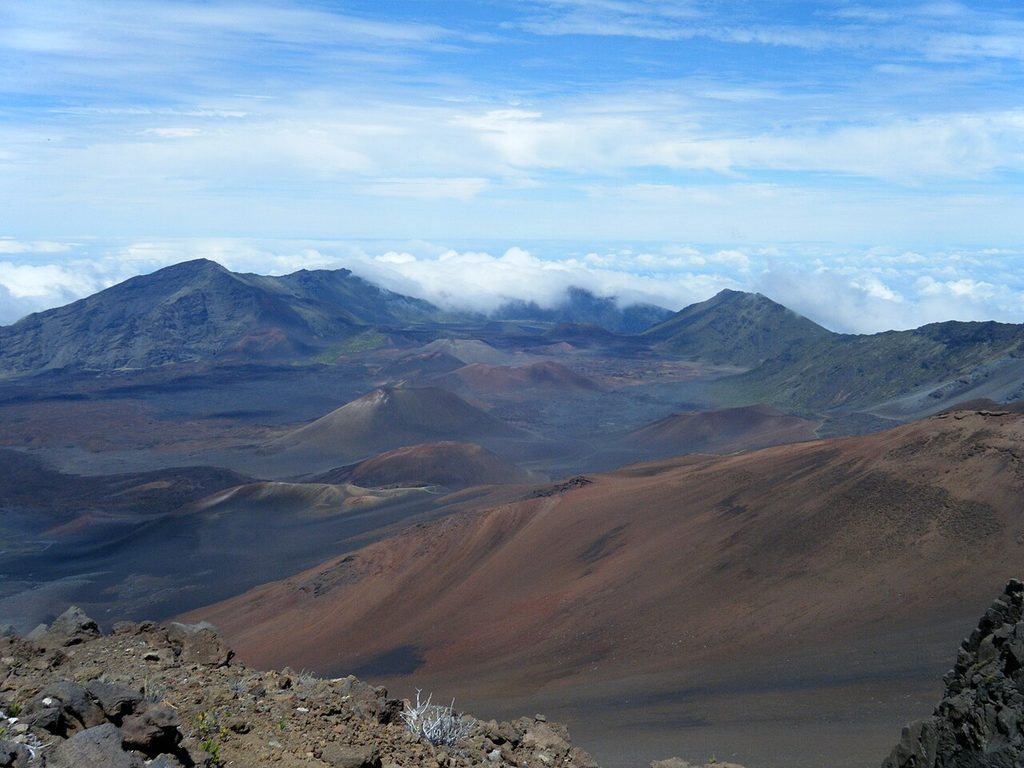
Haleakalā Crater

A vast, silent volcano basin built for sunrise, stargazing, and solitude
Haleakalā Crater, Haleakalā National Park
InsideHaleakalā National Park

Overview

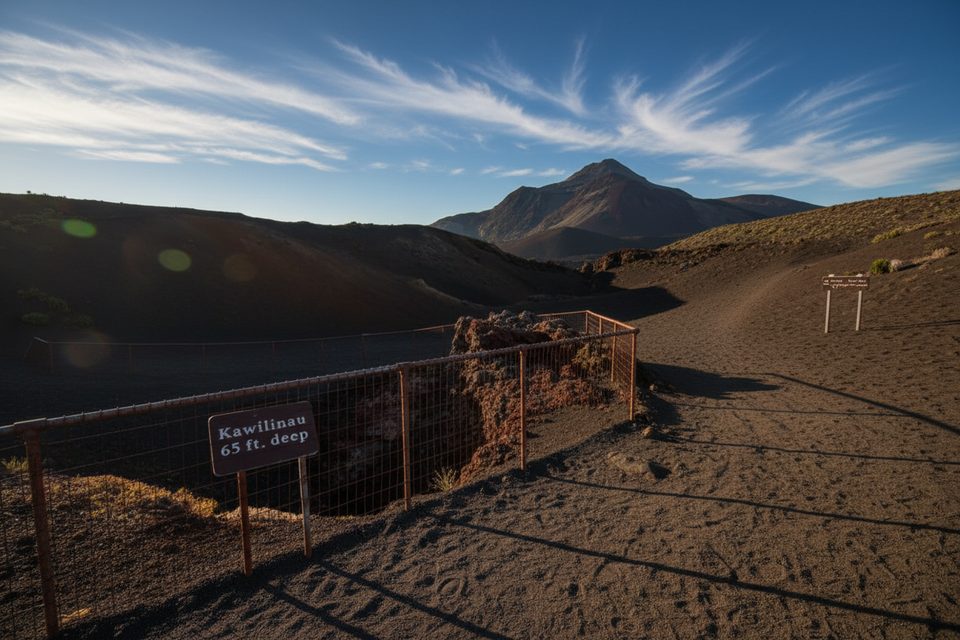
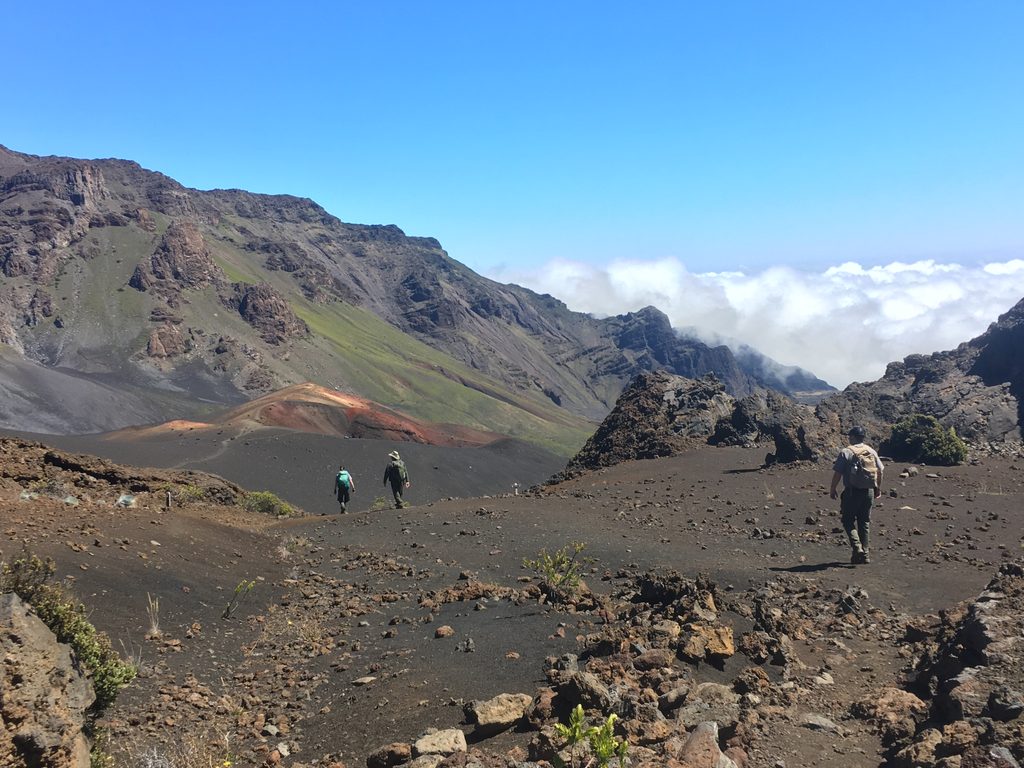
Haleakalā Crater isn’t a true crater—it’s a vast erosional depression carved into the summit of the Haleakalā shield volcano. Think lunar: rust-red cinders, black lava flows, and sand in every shade from copper to charcoal. It spans roughly 7 miles across, drops more than 2,600 feet deep, and sits high at 10,023 feet—often above the clouds.

Why it’s special

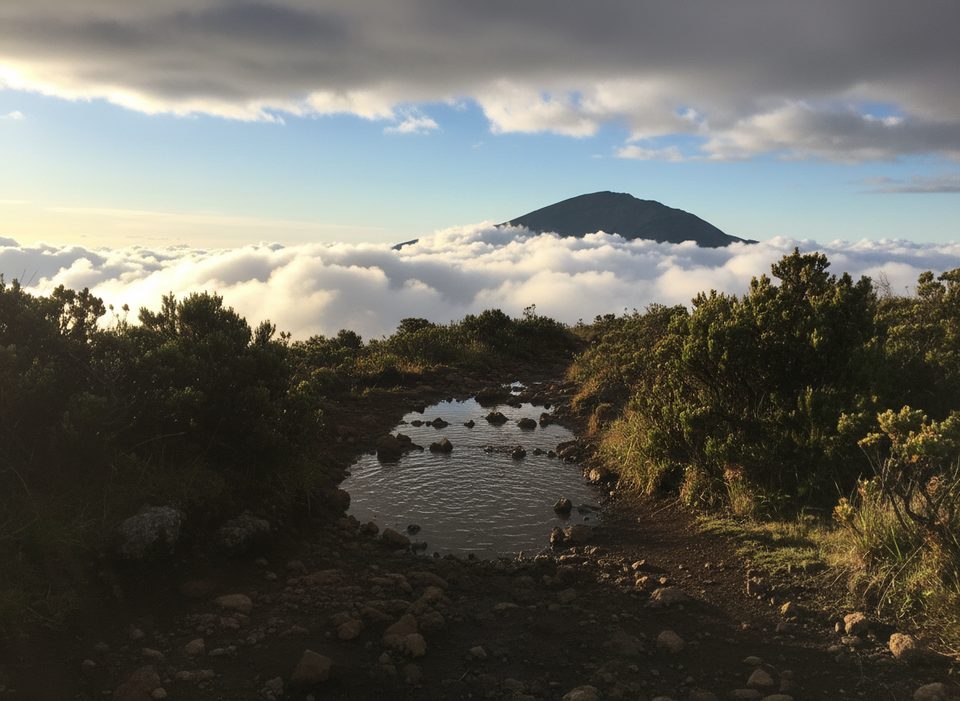
Two things hit you: the silence and the scale. Sound levels here are among the lowest recorded in any park, and the views stretch from a kaleidoscope of cinder cones to the ocean and even other islands on clear days. The rim is famous for sunrise and sunset, and after dark the stargazing is superb thanks to altitude and minimal light pollution.

What you’ll see and do

  • Cinder-cone studded basin with colorful volcanic sands and fresh-looking lava flows.
  • Big-view hiking on Sliding Sands (Keoneheʻeheʻe) or Halemauʻu Trails that drop into the basin and weave among cones.
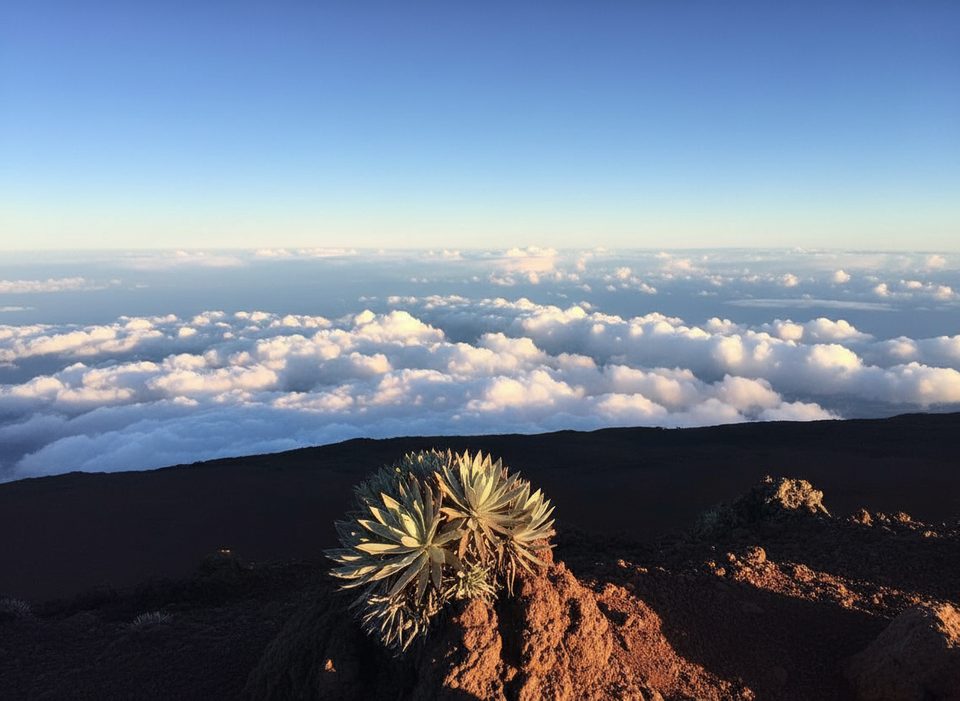
  • On the slopes, look for the rare Haleakalā silversword and listen for native forest birds on the wind.

Wildlife and plants

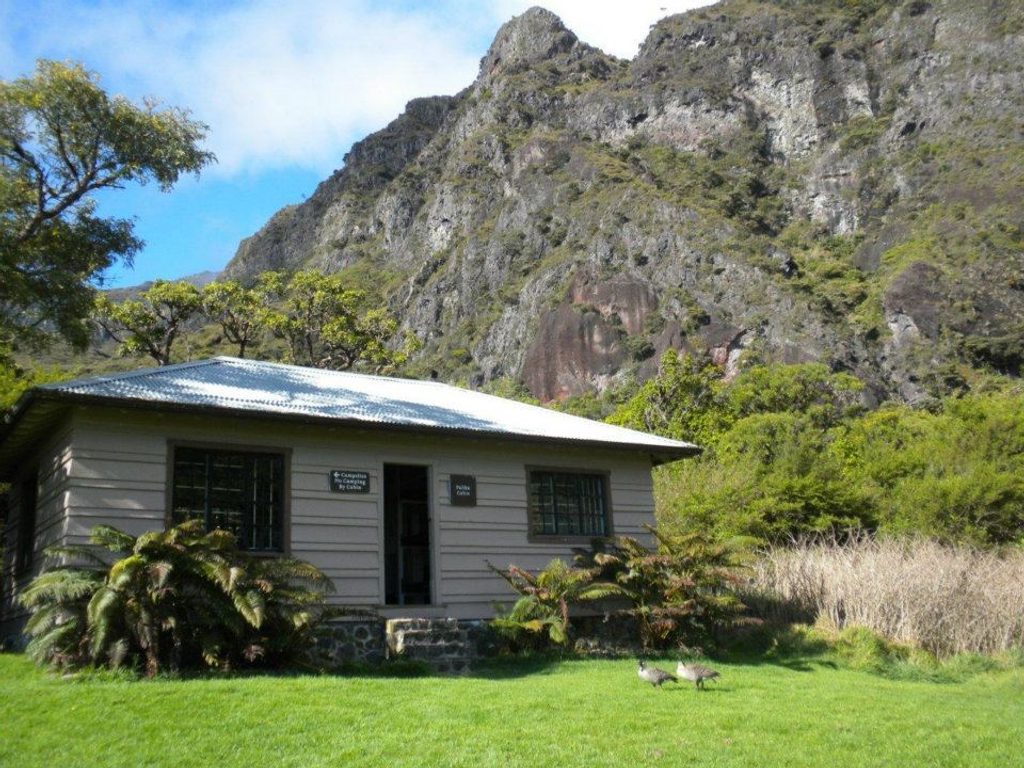
This summit landscape shelters endemic life—over 90% of what lives here exists nowhere else. Highlights include the Haleakalā silversword, the endangered nēnē (Hawaiian goose), and seabirds like the Hawaiian petrel. Keen birders watch for honeycreepers such as the Maui parrotbill and ʻakohekohe.

Culture and geology

Sacred to Native Hawaiians, this summit is tied to stories, traditions, and the piko—the life-line connecting generations. Archaeological surveys have found shelters, petroglyphs, and possible burials. Geologically, the “crater” formed by erosion of the summit, later dotted by younger cinder cones from subsequent eruptions.

Know before you go

  • Services are sparse: there’s no parking, food, or stores inside the basin; restrooms and water are found at trailheads or the visitor center.
  • Weather swings fast—expect wind, intense sun, and temperatures that can dip below freezing even in summer.
  • The elevation is real; some visitors feel altitude effects—go slow, hydrate, and don’t overdo it on day one.
  • Sunrise viewing requires advance reservations.

Best time to visit

  • Sunrise: iconic but crowded and permit-only; go on a clear forecast if you can snag a spot.
  • Midday: often quieter, with strong colors on the cinder cones when clouds part.
  • Sunset to night: dramatic light without the dawn crush, followed by outstanding stargazing on clear nights.

Is it worth it?

Absolutely. This is the park’s crown jewel—come prepared for thin air and fickle weather, and you’ll get a landscape and sky show you won’t forget.

Pros

  • Otherworldly basin of cinder cones and multi-colored volcanic sands
  • Legendary sunrise, sunset, and stargazing above the clouds
  • Remarkable natural quiet and solitude

Cons

  • Cold, windy, thin air at 10,000 feet
  • Sunrise crowds and advance reservations required

Tips

  • Reserve a sunrise spot well in advance; it’s permit-only.
  • Dress in layers—wind and freezing temps are common even in summer.
  • Bring water, food, and sun protection; there are no services in the basin.
  • If hiking into the crater, use Sliding Sands or Halemauʻu and pace yourself at altitude.
  • Stop at the visitor center to read the interpretive displays about endemic life.
The Parkwolf tour guide sitting on a phone mounted in a car

Parkwolf Tour Guide

Like a tour guide in your car.

Save the places you found around Haleakalā, then let Parkwolf guide the drive between them.Download Parkwolf on the App Store