Place · 2.6 mi away

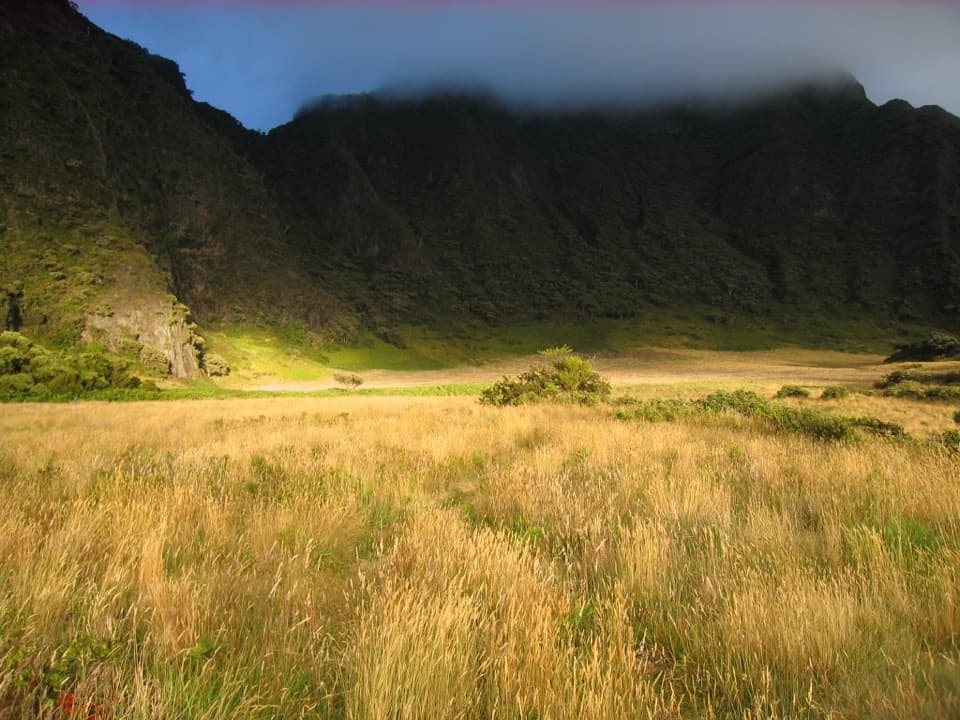
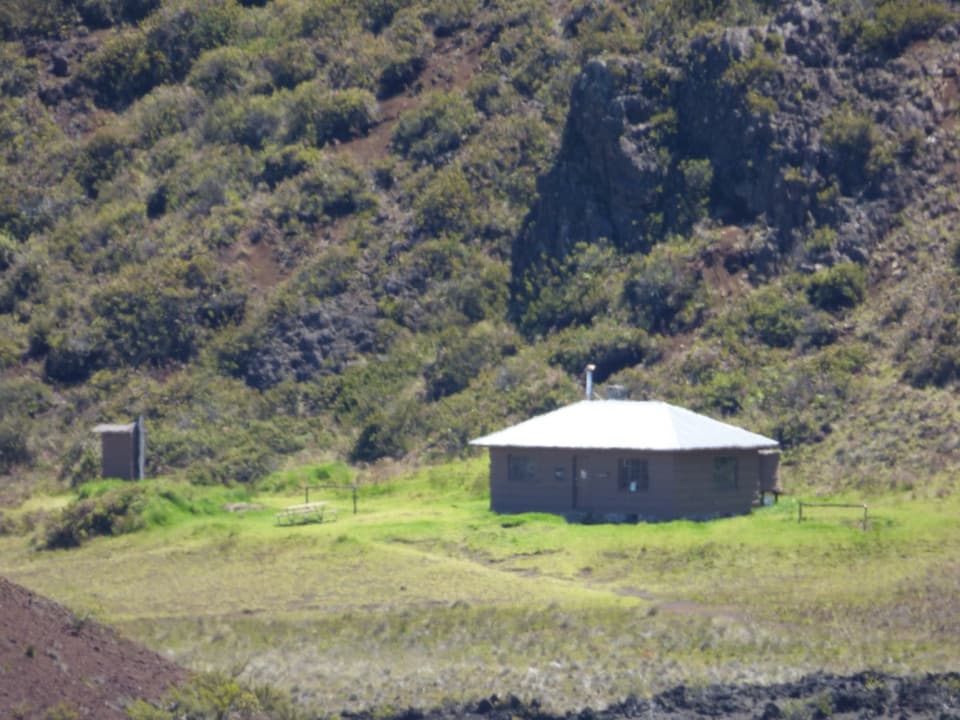
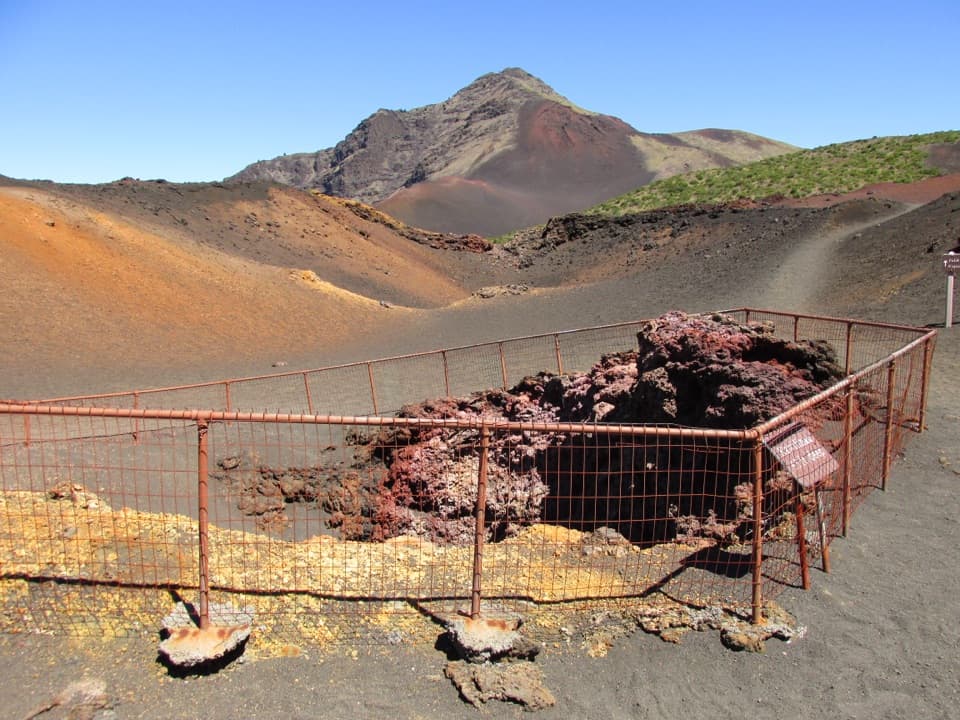
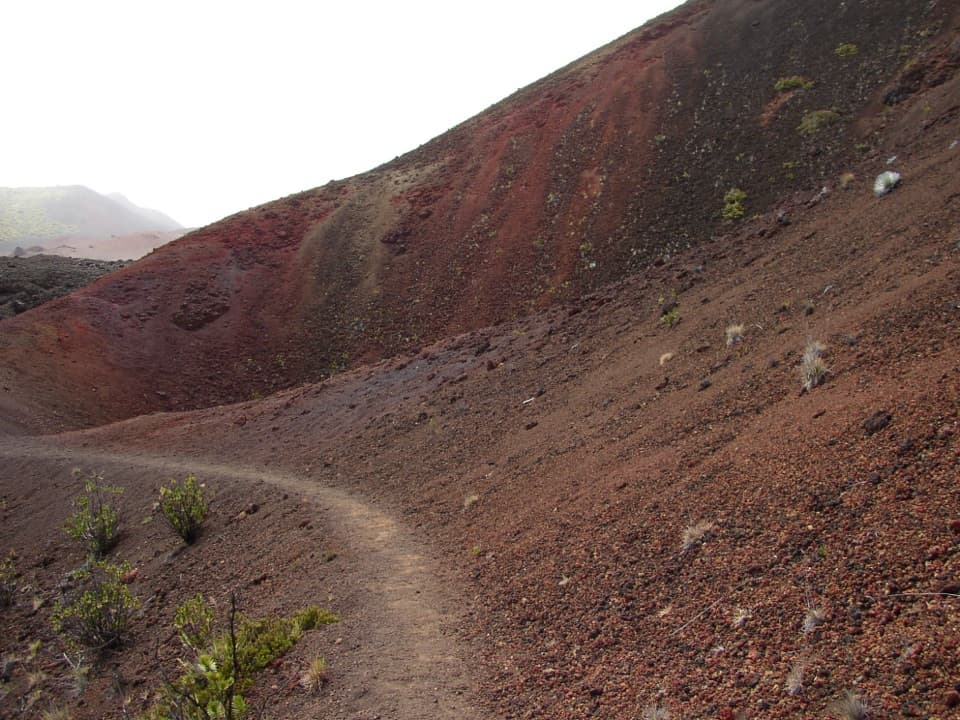
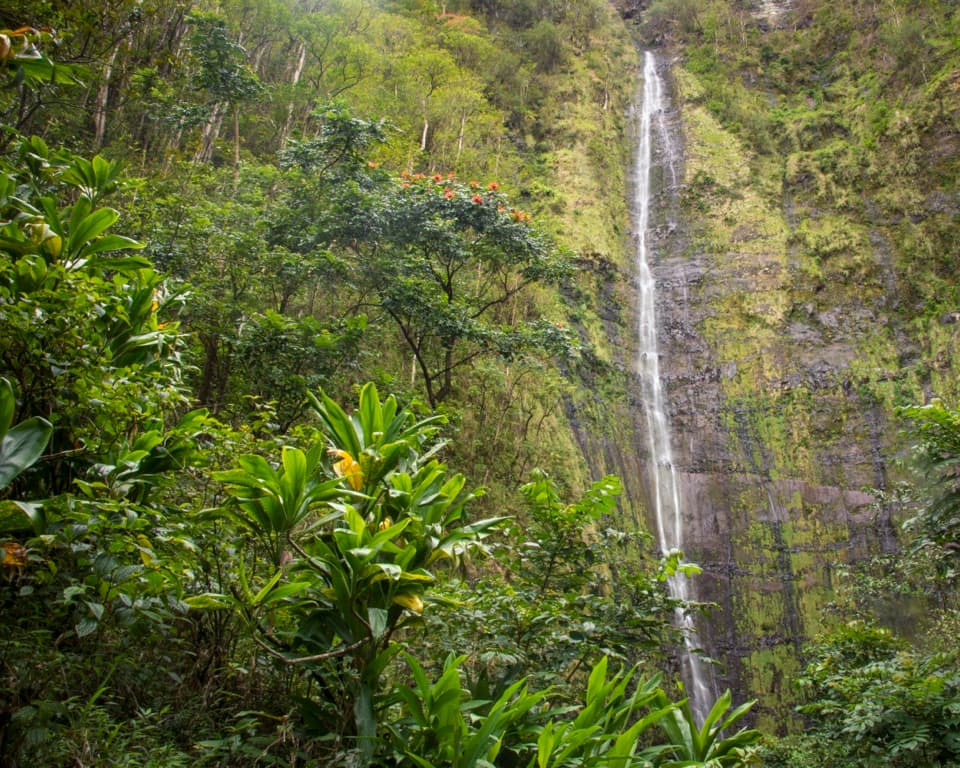
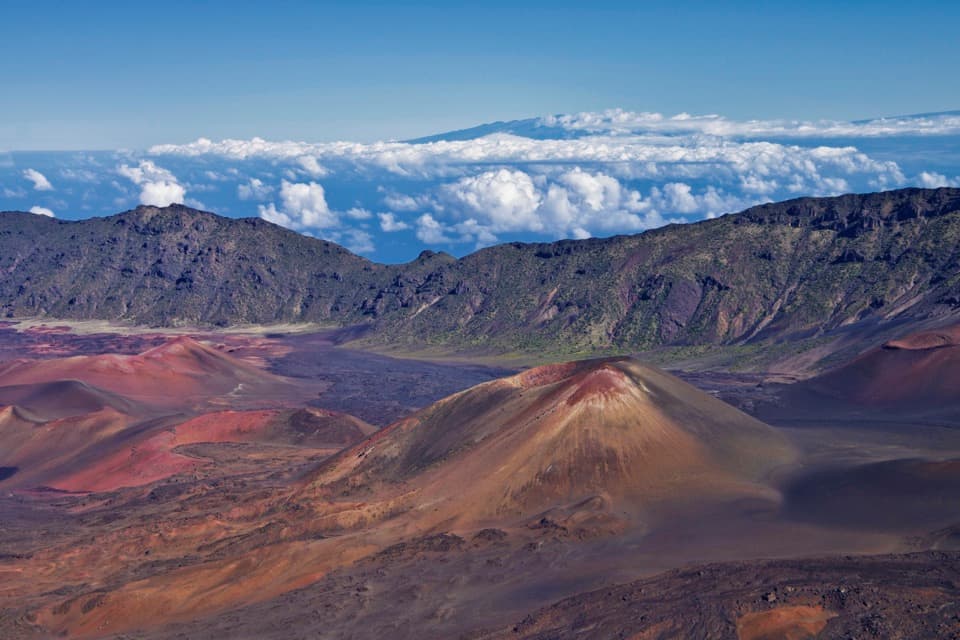
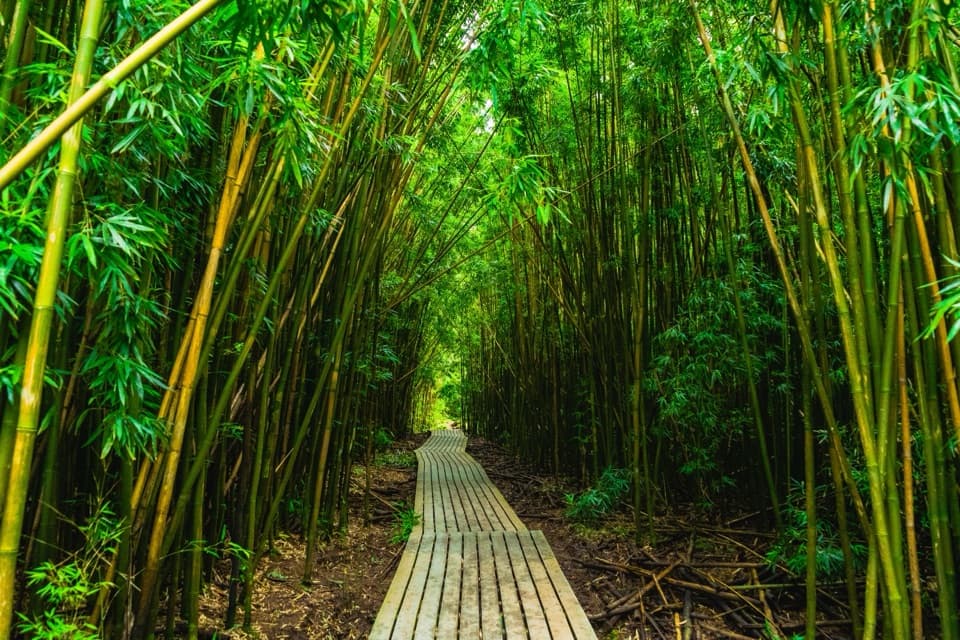
Tucked at 6,380 feet beneath dripping rainforest cliffs on the far eastern end of the crater, Palikū Cabin is the most atmospheric overnight in the backcountry. It’s cool, misty, green, and quiet—a stark contrast to the dry, cindery heart of the crater you’ll cross to get here.
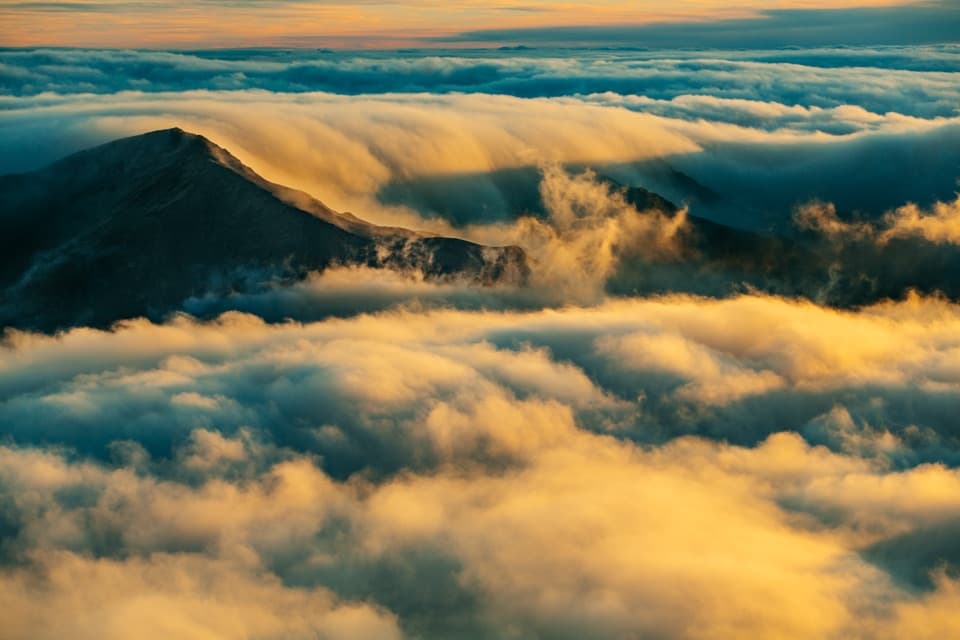
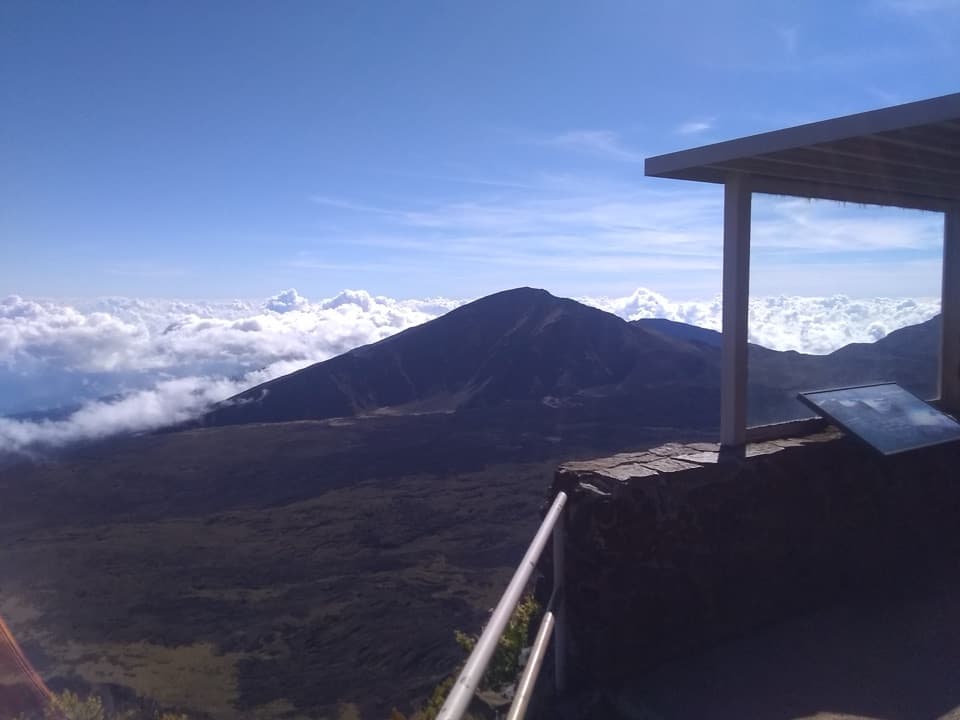
Clouds often spill over the cliff band and sweep the pasture in front of the cabin, giving the place an otherworldly feel. On clear nights, the stars are spectacular. Sunrise from the front pasture gets love from repeat visitors.
There’s no road access. Most hikers come in via the Keoneheʻeheʻe (Sliding Sands) Trail (about 9.3 miles one way) or the Halemauʻu route (about 10.4 miles). Plan a full day—7–8 hours is a realistic estimate depending on fitness and pack weight. Start early to arrive before dark.
Expect rustic. You’ll find bunks (bring your own sleeping pad and warm bag), a wood-burning stove with a very limited allotment of pressed logs, an outdoor non-potable water spigot (treat or filter), and a nearby pit toilet shared with the adjacent campground. There’s no electricity, Wi‑Fi, store, or food service—bring lighting, fuel, food, and basic cleaning supplies.
Keep an eye out for nēnē grazing in the area and, along the approach, rare Haleakalā silversword plants. The dramatic transition from barren lava to mossy, bird-filled rainforest at Palikū is part of the magic here.
This is one of the park’s reservable wilderness cabins and must be booked in advance through Recreation.gov. Capacity is small and demand is high—plan early. Pack out all trash, treat all water, and come ready for foul weather.
If you’re up for a long hike and crave solitude in a moody, rain-kissed corner of the crater, absolutely. If you prefer comfort or easy access, this isn’t your stop—consider day hiking instead.