Place · 0.8 mi away

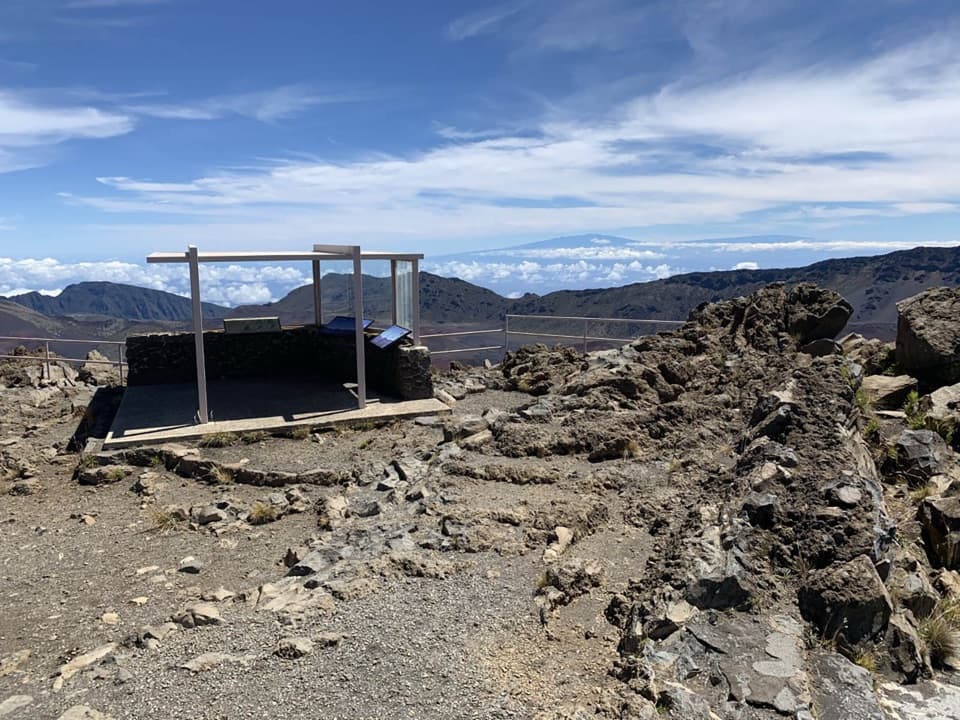
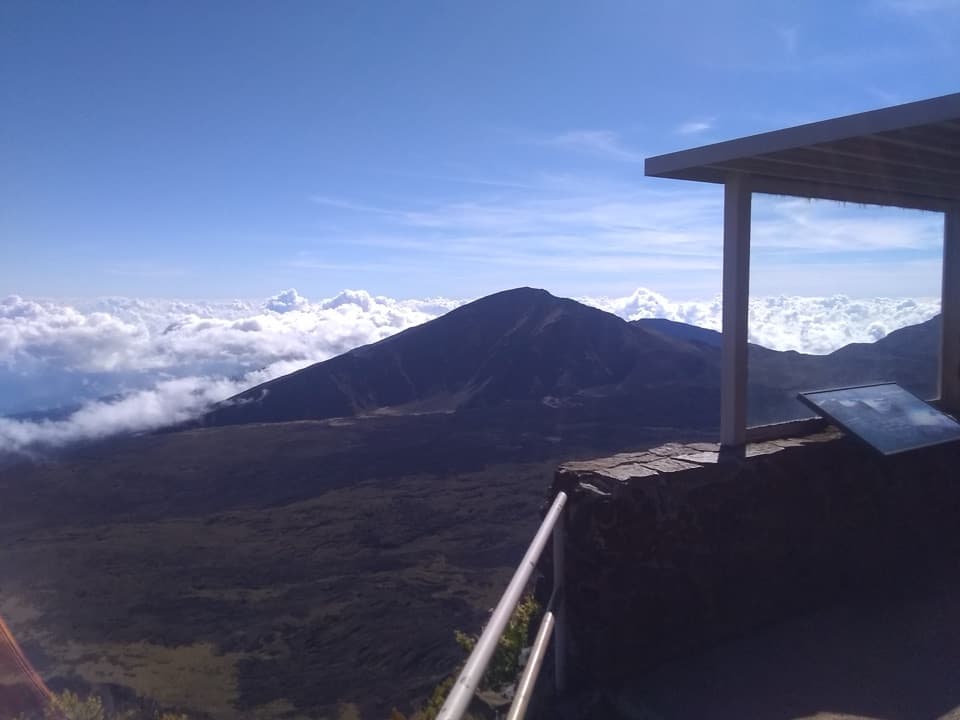
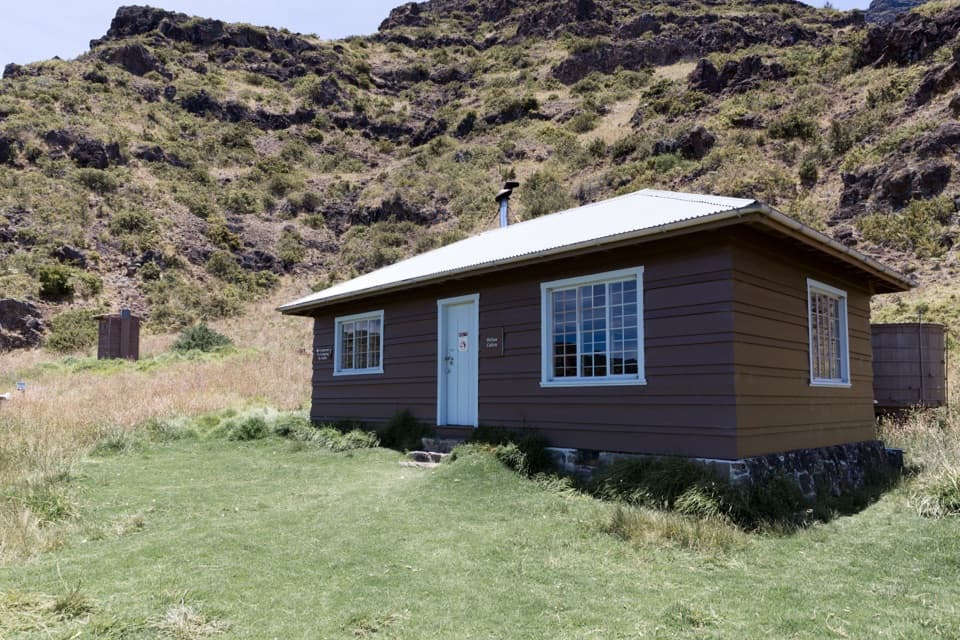
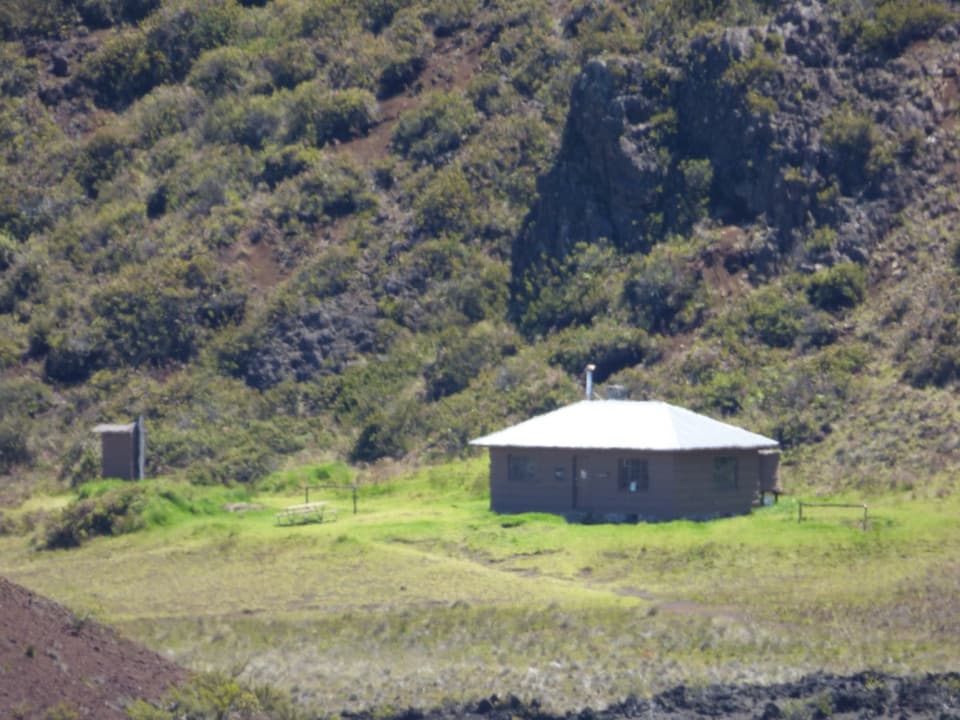
Kapalaoa Cabin is a remote, hike-in wilderness cabin tucked inside the crater near the Kaupo Gap, sitting at about 7,250 feet. It’s the middle stop between the more-visited Hōlua and Palikū, and typically the quietest because the approach is longer. One party has the cabin to themselves (up to 12), so you get true solitude with four walls and a roof.
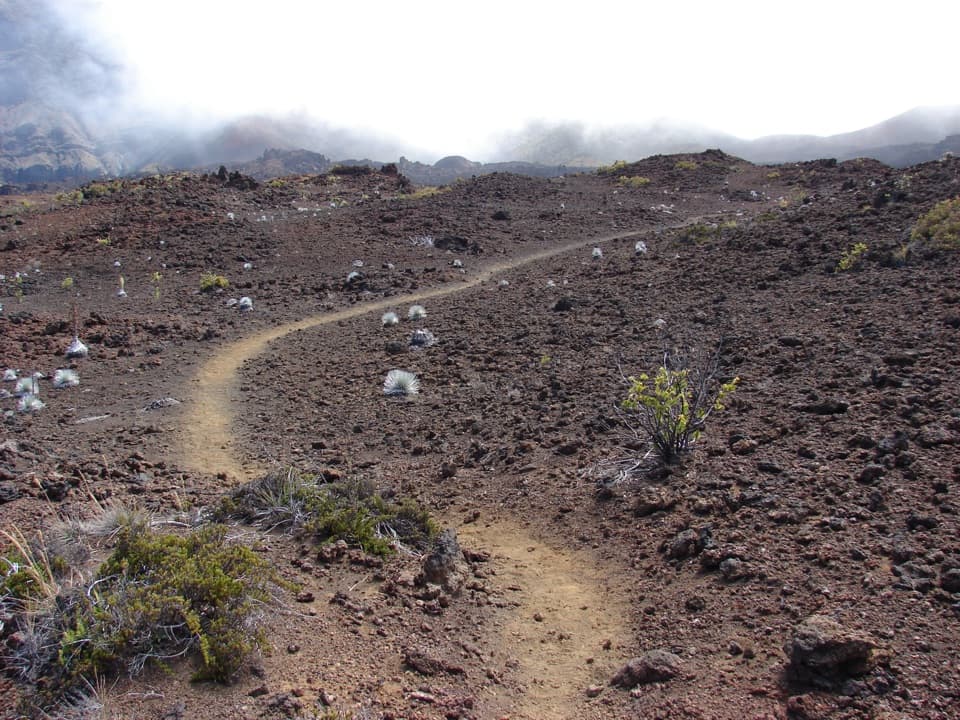
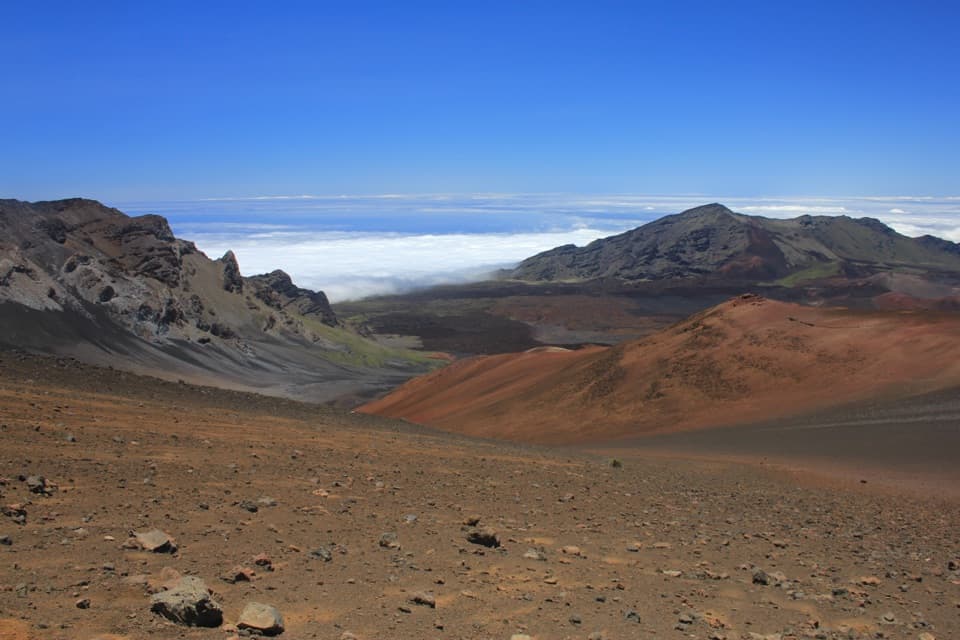
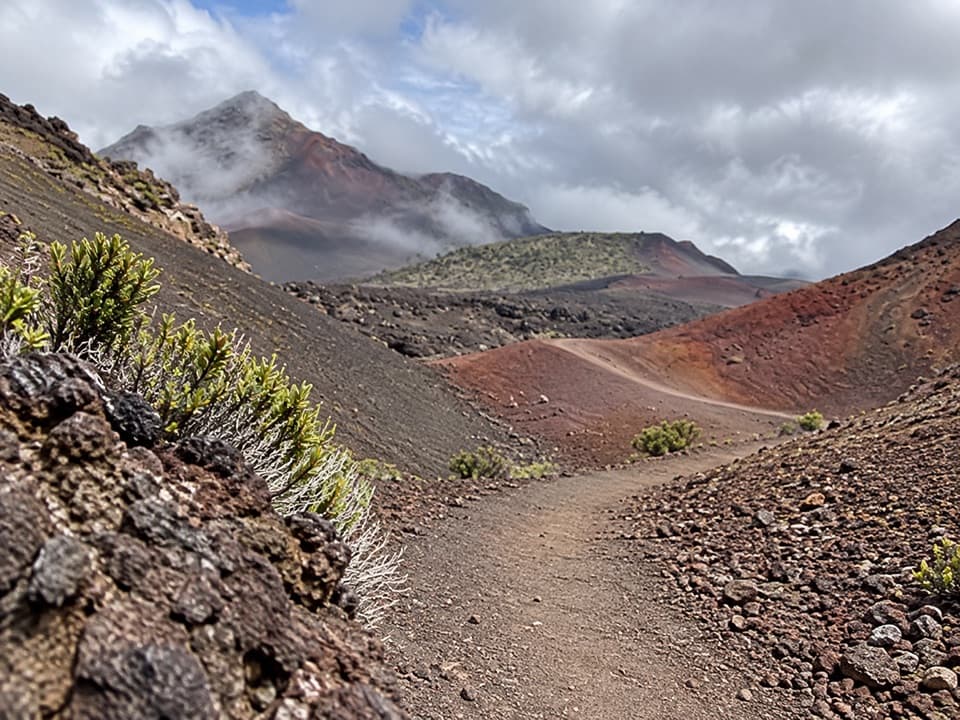
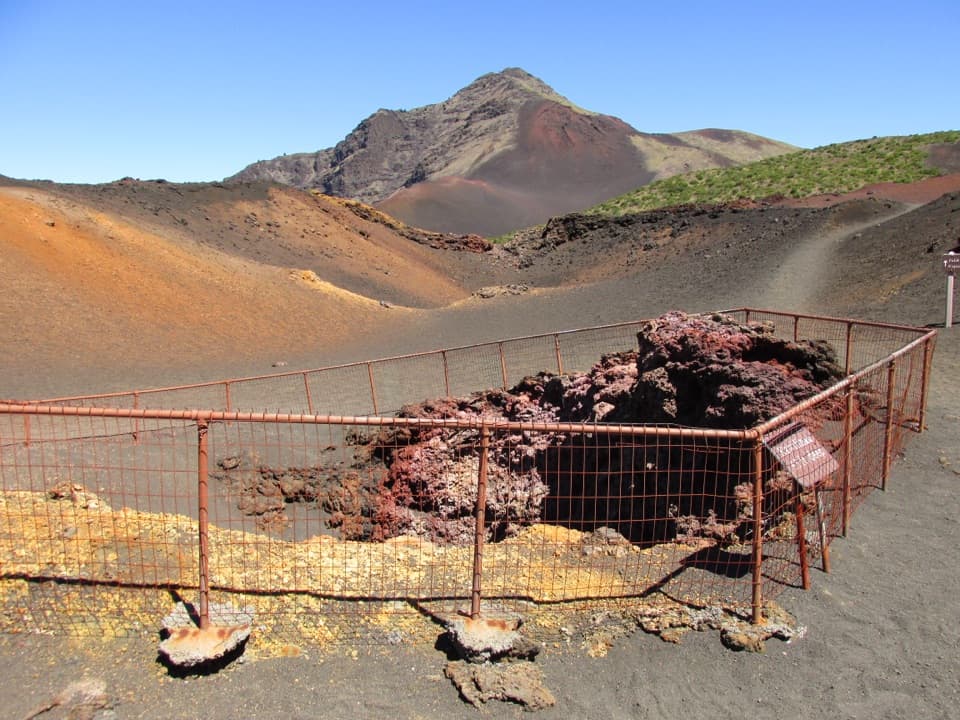
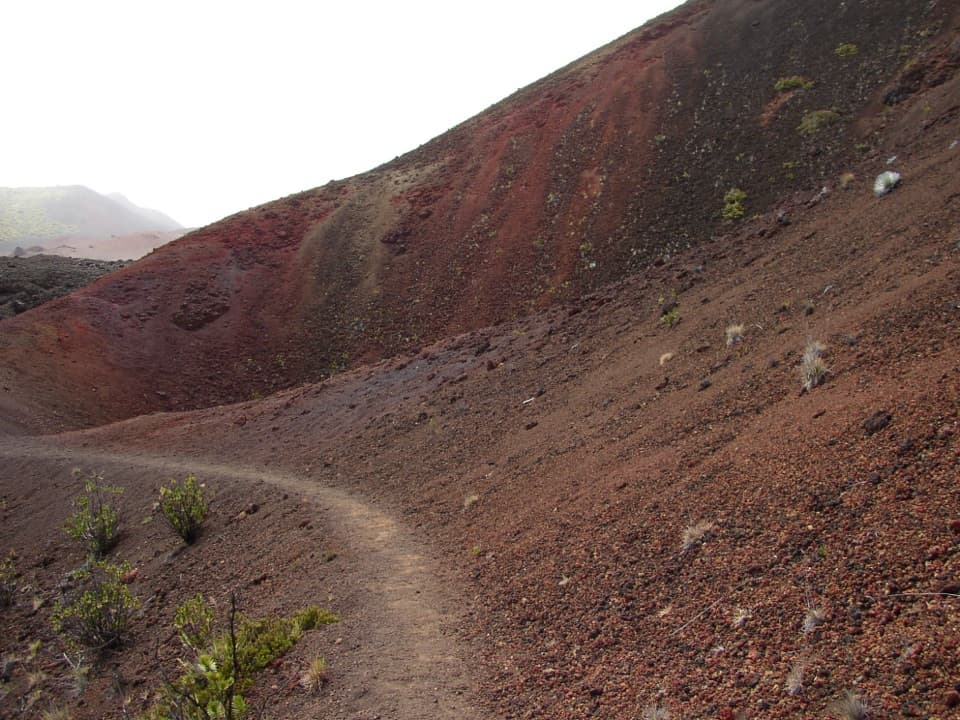
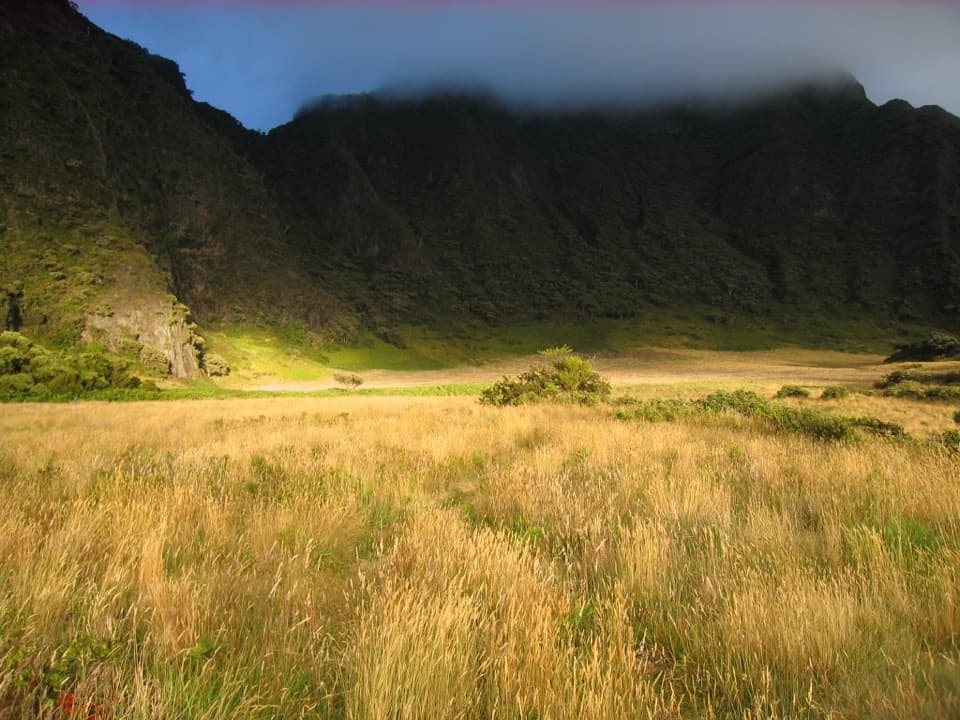
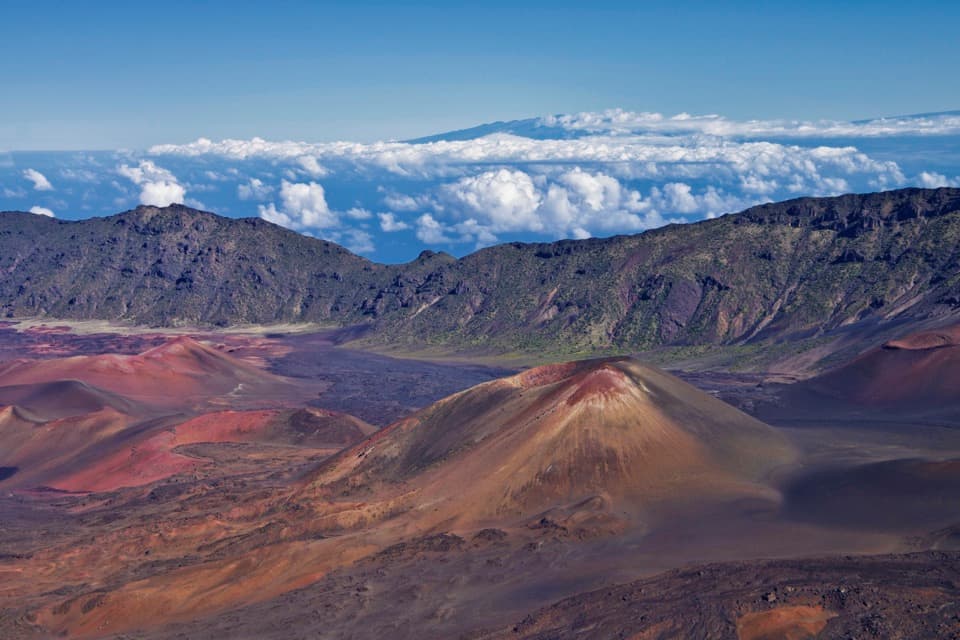
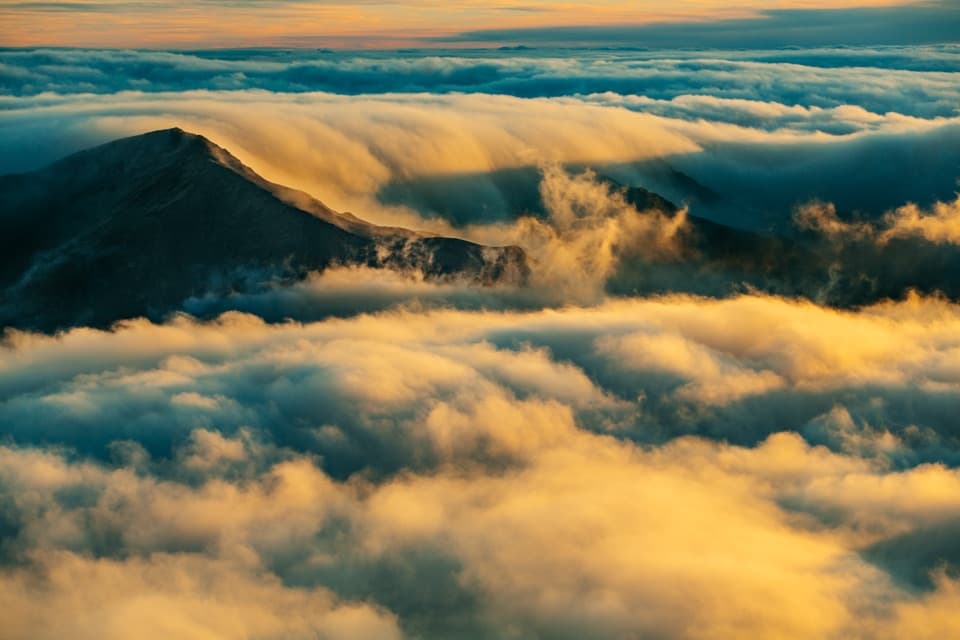
Expect raw volcanic grandeur—cinder cones, old lava flows, and a sweeping erosional valley unlike anywhere else. With little light pollution, stargazing is excellent on clear nights, and sunrise/sunset paints the cinders in warm tones.
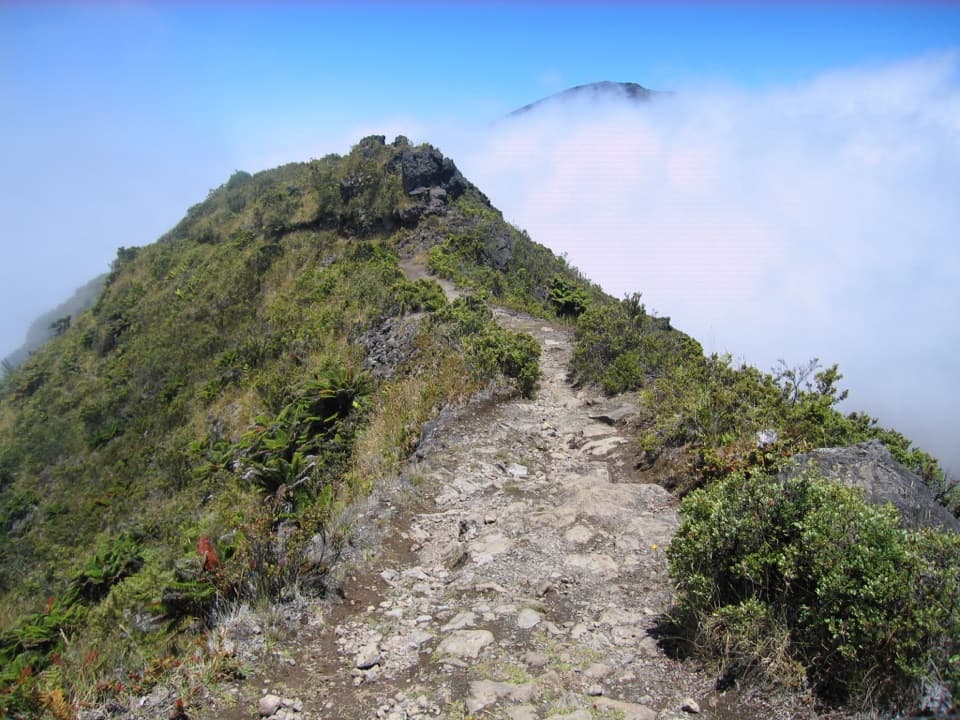
You reach Kapalaoa only by foot, most commonly via the Sliding Sands (Keoneheʻeheʻe) Trail from the summit area—roughly 5.5 miles. There’s no road or parking anywhere near the cabin, so everything you need must be carried in and out.
This is rustic shelter, not a chalet. You’ll find bunks, a big table with benches, and typically basic cookware. There’s no electricity. A pit toilet is nearby. Non-potable water is available from a catchment system/spigot (treat or boil before drinking). Heating and cooking options vary: cabins use a wood/propane system, but supplies are not guaranteed and cabins aren’t checked daily. The park assigns a firewood locker per reservation night (three logs per locker) via a combination code.
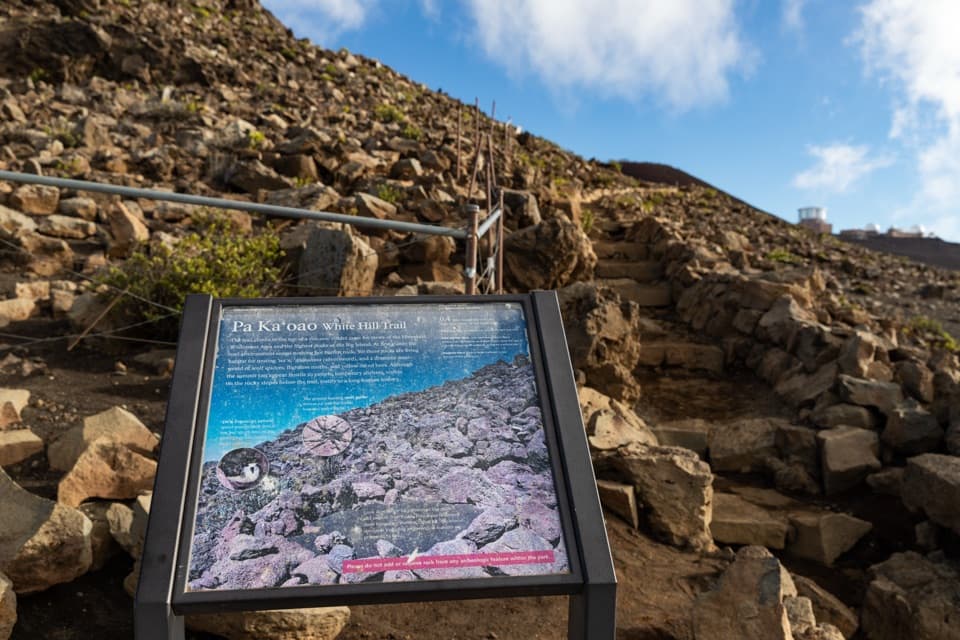
Built by the Civilian Conservation Corps in 1937, Kapalaoa is part of a historic cultural landscape tied to the crater trail system. Recent work refreshed flooring, paint, and kitchen ware to preserve the 1930s feel while making it safer and more comfortable.
Listen for nēnē (Hawaiian goose) during the day and ʻuaʻu (Hawaiian petrel) calls at dusk. This is a sacred, fragile place—treat rocks, plants, and the silence with respect and pack out everything you bring.
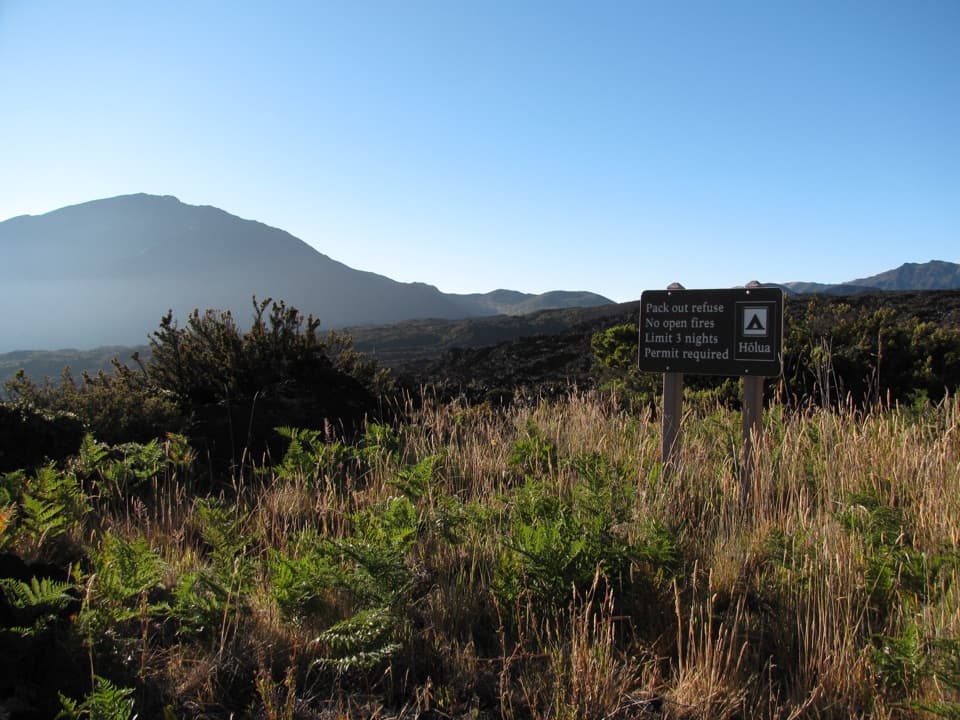
Reservations are required year-round through Recreation.gov. Wilderness stays have overall limits (historically three nights per 30 days, and no more than two at any one site—verify current rules when booking). Firewood is rationed via lockers; don’t collect natural materials.
Midweek dates are easier to snag and quieter. Start your hike early to avoid afternoon winds and clouds, and aim for clear, moonless nights if stargazing is a priority. Shoulder seasons can be wonderfully empty but colder—pack for winterlike conditions even in Hawaii.
If you want a backcountry roof in the most dramatic part of the volcano—and you’re comfortable with a long, sandy, high-altitude hike—Kapalaoa is the sleeper pick. If you want easy access or modern comforts, skip it.