
Place · 0.7 mi away
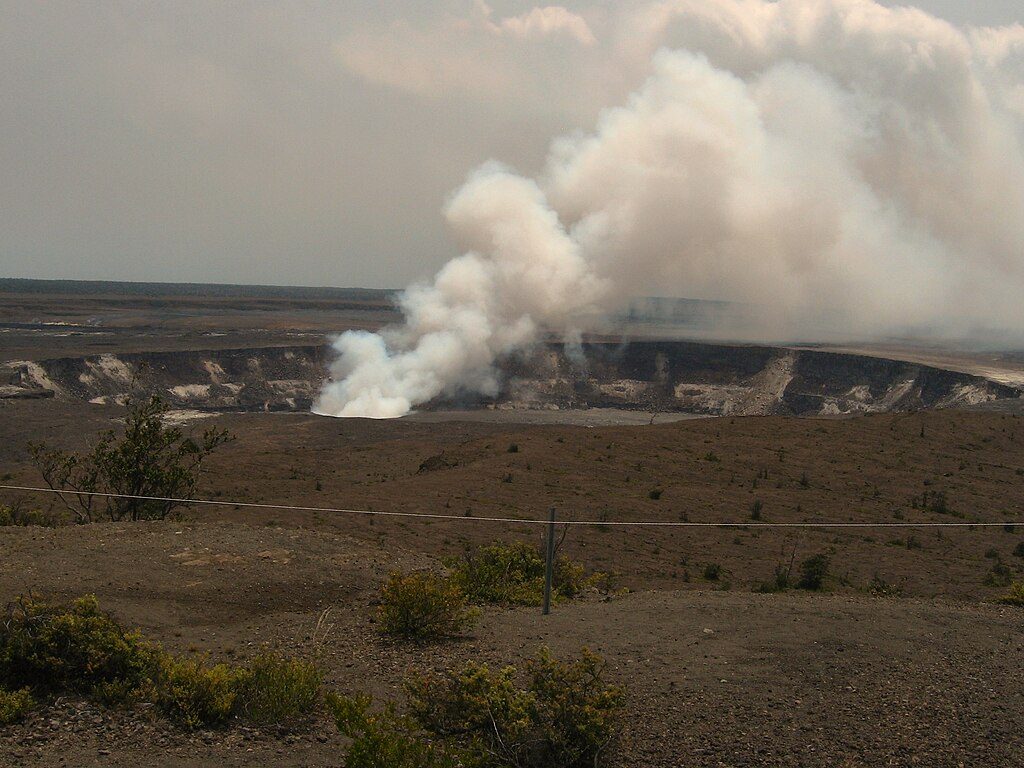
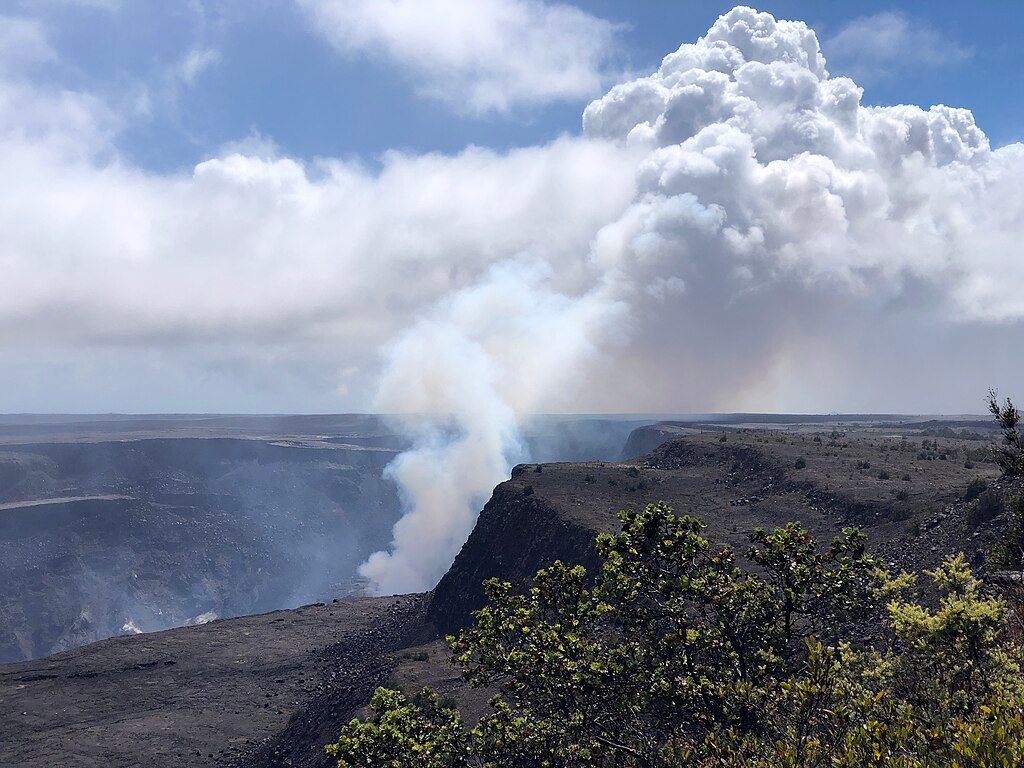
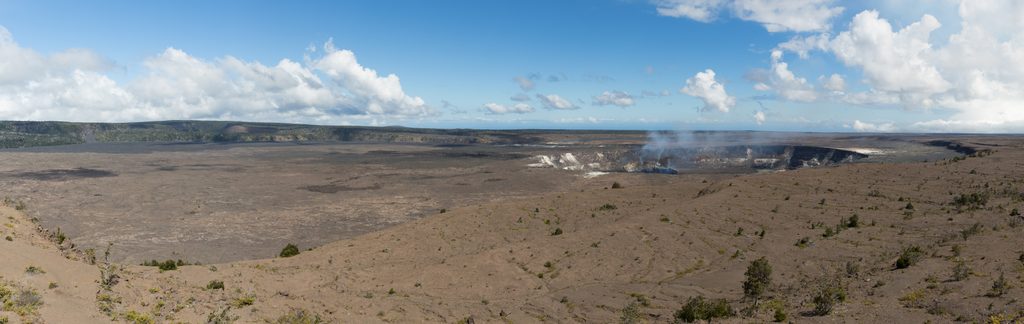
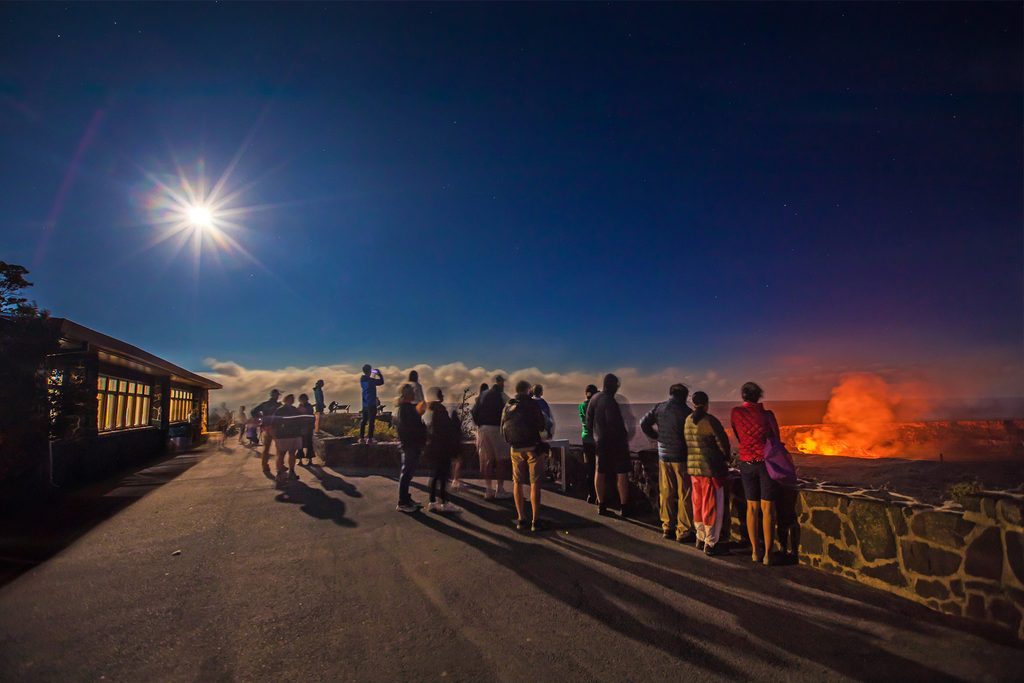
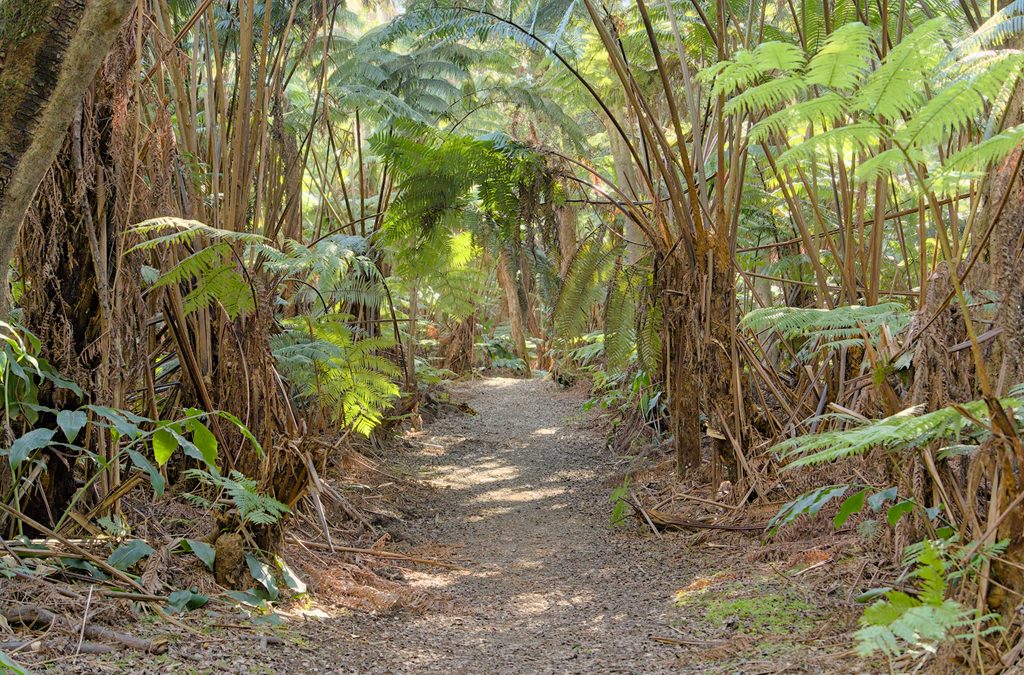
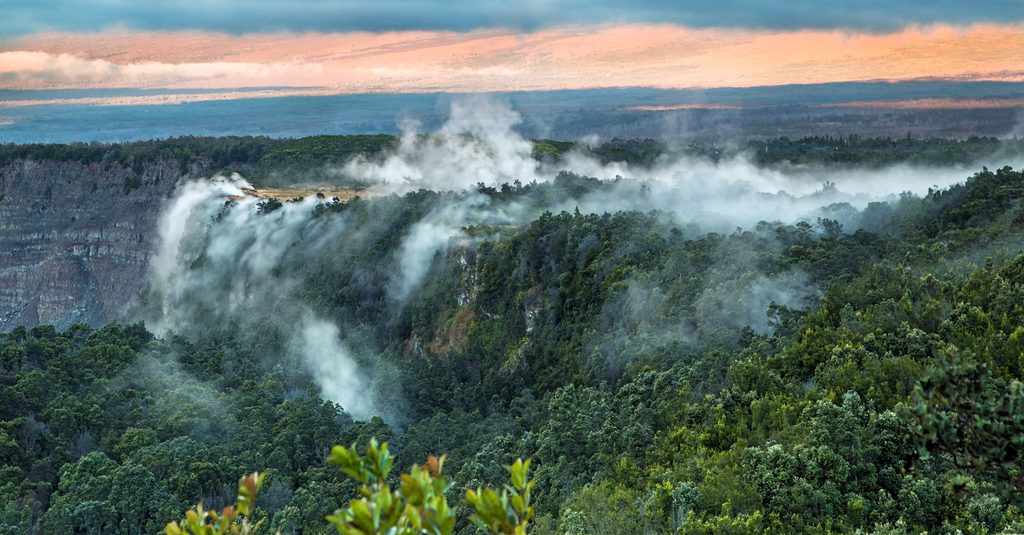
Kīlauea Caldera is the park’s showstopper: a miles‑wide summit depression ringed by lush rainforest and stark lava fields, with Halemaʻumaʻu crater simmering inside. It’s one of the world’s most approachable active volcanoes, and the landscape you’re looking at is constantly being rewritten by eruptions, collapses, and new flows.
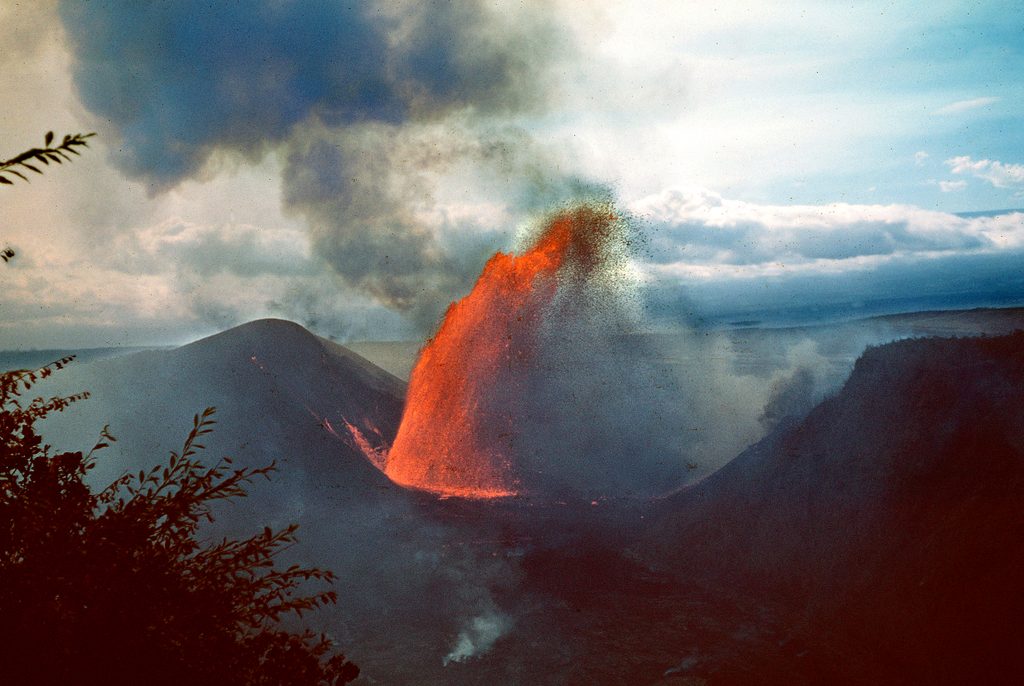
Kīlauea is among the planet’s busiest volcanoes—its very name hints at “spewing” and “much spreading.” The caldera formed through collapses tied to magma withdrawal, and it has hosted many of Kīlauea’s historic eruptions. Within it, Halemaʻumaʻu is revered in Hawaiian tradition as the home of Pele. The rim area was purpose‑built over a century ago to let visitors safely witness an active volcano, and the Crater Rim Historic District still frames today’s experience.
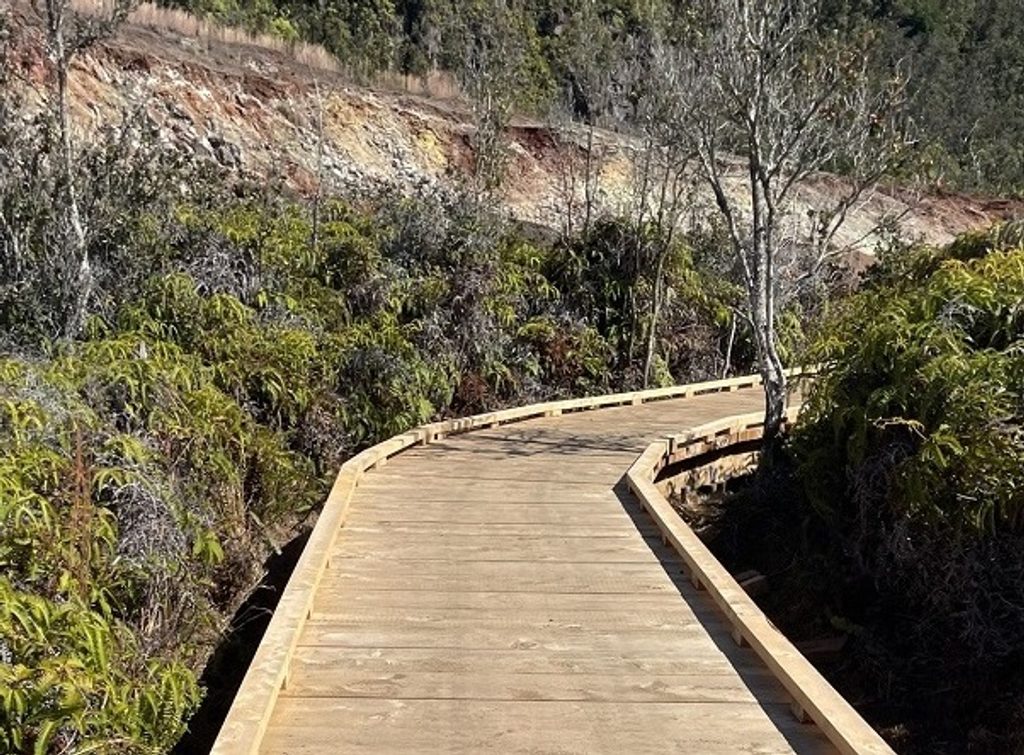
Drive Crater Rim Drive and hop between overlooks and short rim trails for different perspectives. Common waypoints include Steam Vents/Steaming Bluffs, Kīlauea Overlook, and the Uēkahuna side, with trail connections like the Crater Rim Trail. Expect the scene to change visit‑to‑visit—this place lives on geologic time, and sometimes on daily time.
Despite the harsh lava and gases, life persists around the rim. Keep an eye out for native birds; the nēnē (Hawaiian goose) is occasionally seen in the summit area.
This is an active volcanic environment. Sulfur dioxide (vog) and sudden changes in eruptive activity can close roads and trails without warning. Some facilities have been closed or reconfigured after recent eruptions. Always follow posted closures and current park guidance.
The best time is when the volcano is active—check current conditions before you go. If there’s surface activity, after dark can reveal a lava glow from the summit area. Weather at the 4,000‑foot summit swings quickly; clear, vog‑free periods offer the best visibility.
Place · 0.7 mi away
Place · 0.8 mi away
Place · 0.8 mi away
Place · 0.8 mi away
Moderate · 0.7 mi away
Easy · 1.2 mi away
Easy · 1.3 mi away
Easy · 1.4 mi away

Parkwolf Tour Guide
