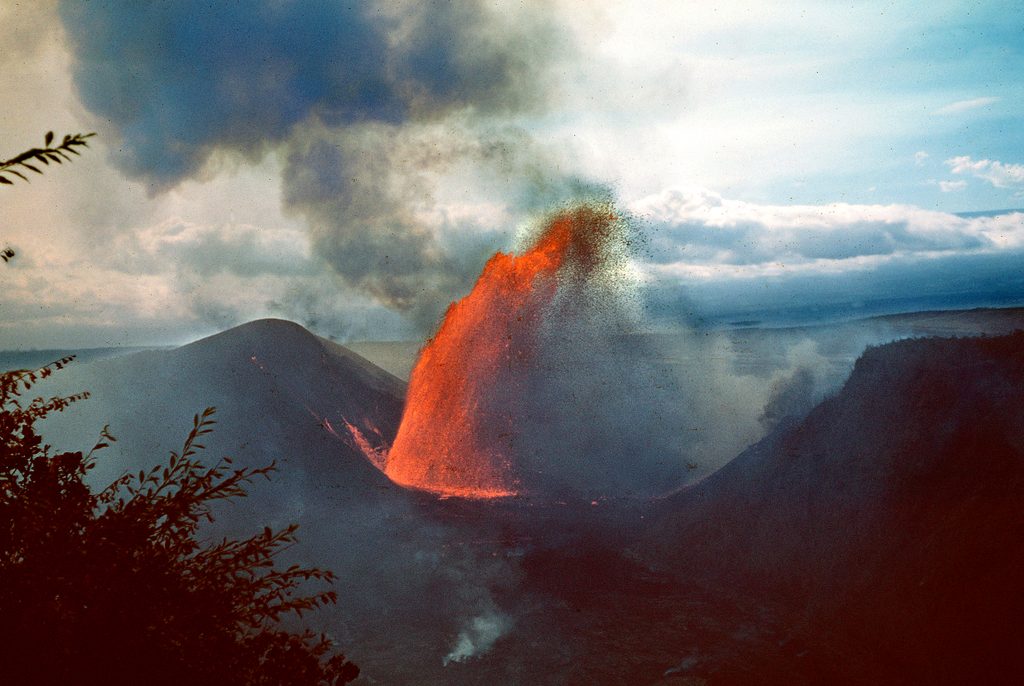
Kīlauea

Active shield volcano with caldera views and occasional night glow
Kīlauea, Hawaiʻi Volcanoes National Park
InsideHawaiʻi Volcanoes National Park

Overview

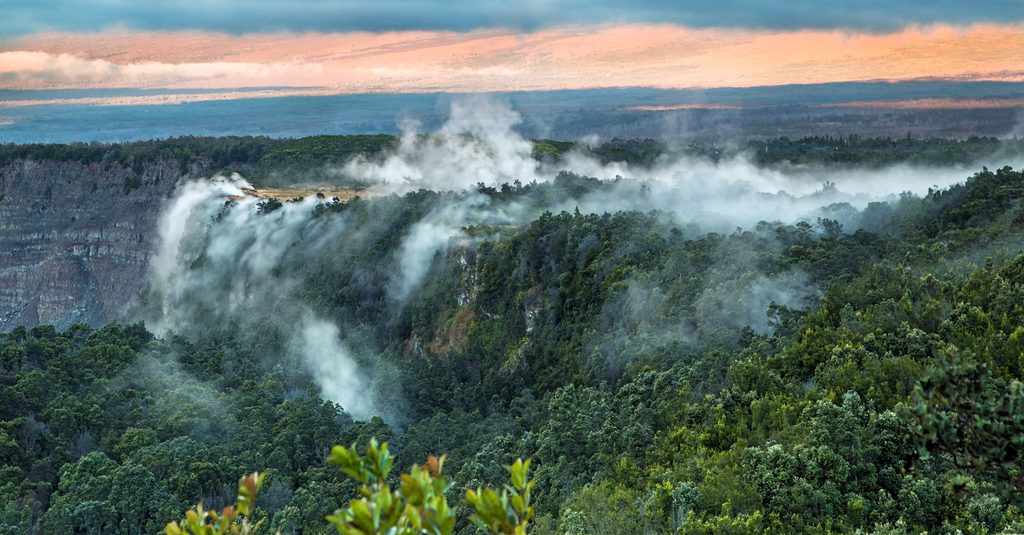
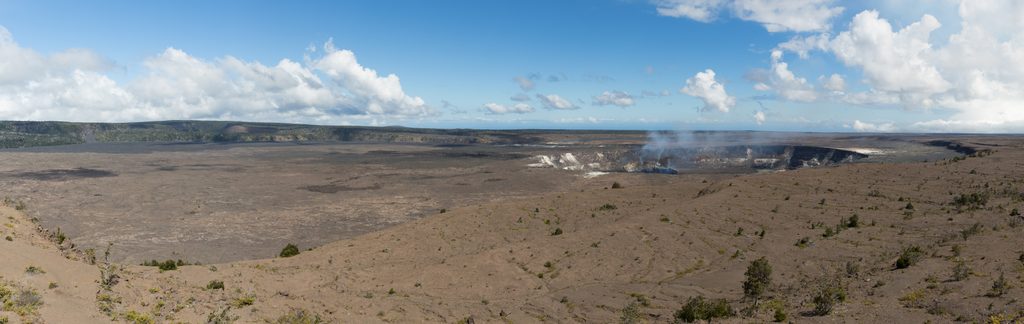
Kīlauea is the park’s headline act: a restless shield volcano whose summit caldera (Kaluapele) cradles Halemaʻumaʻu, a place revered in Hawaiian culture. The landscape is raw and ever‑changing—steam vents, sulfur banks, fresh lava, and the colossal scars of events like the 2018 summit collapse.

What You’ll See

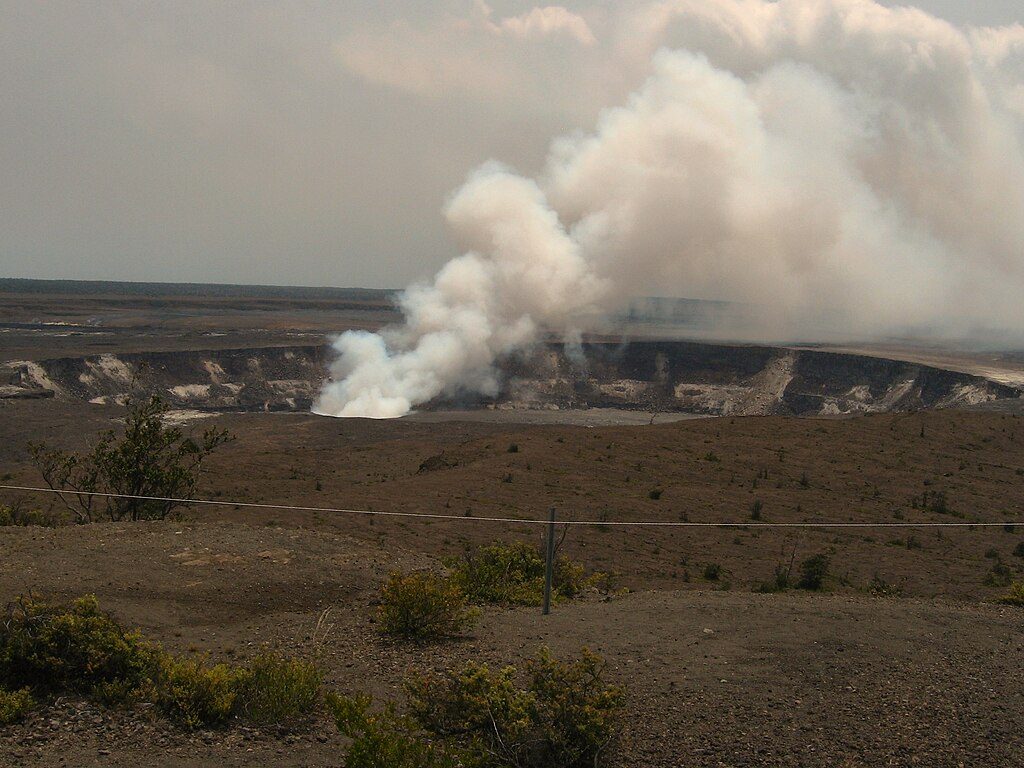
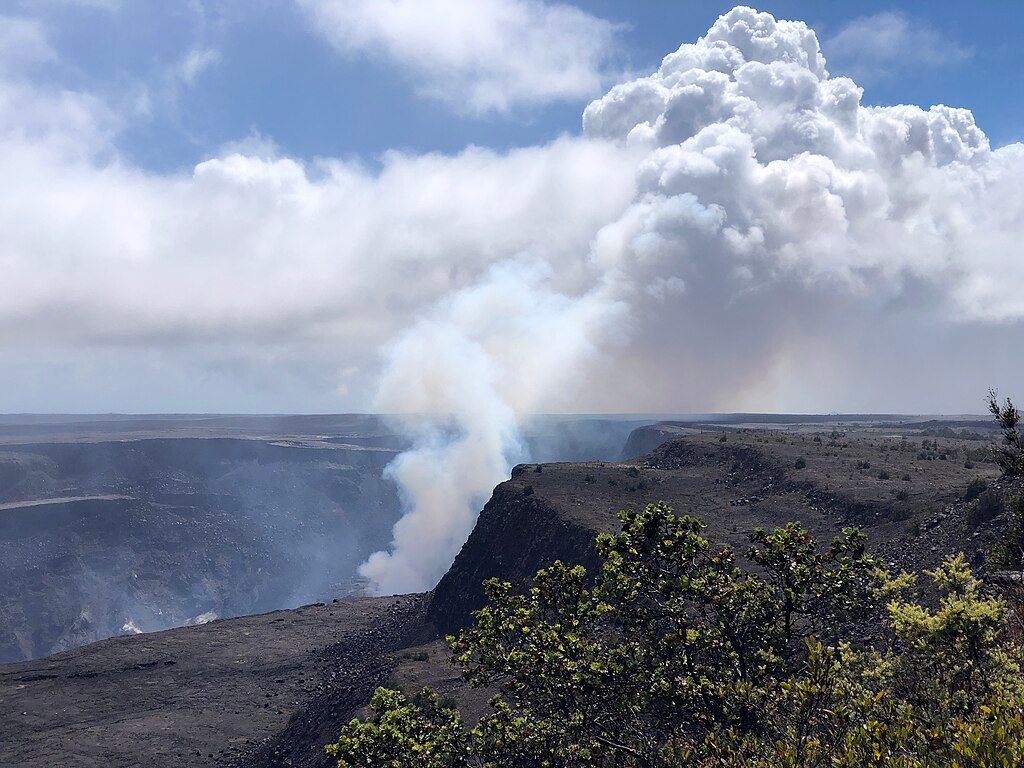
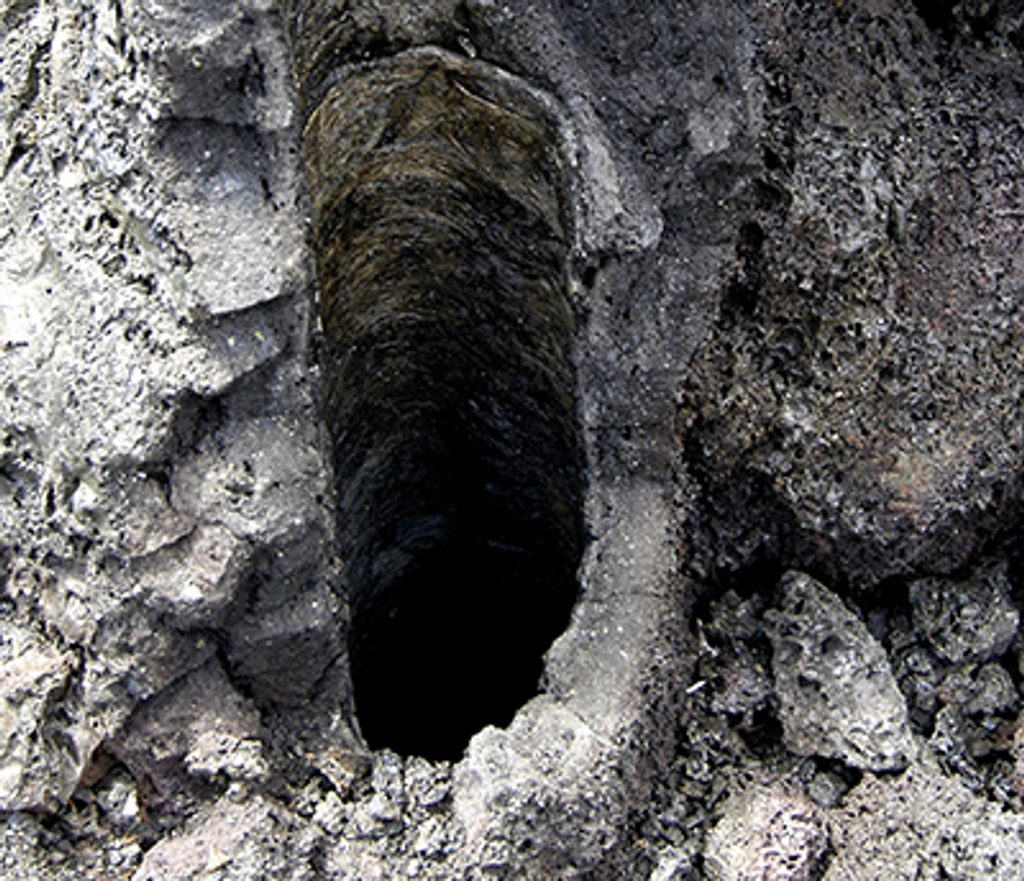
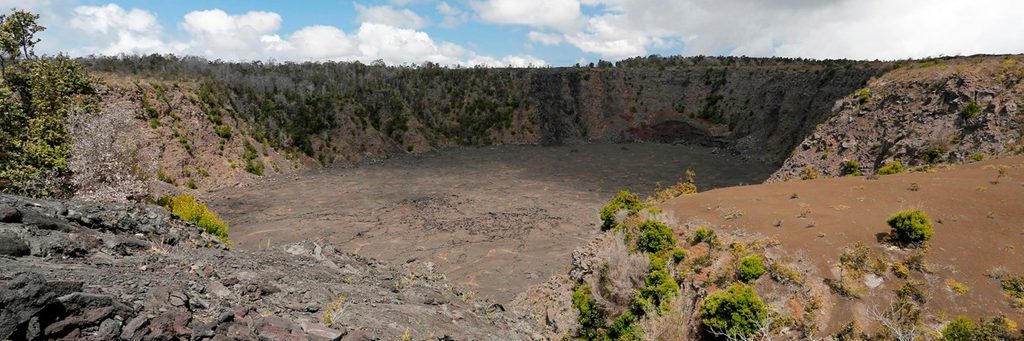
  • By day: billowing gas and steam from Halemaʻumaʻu, layered crater walls, and sweeping views from rim lookouts such as Kīlauea Overlook, Uēkahuna, and Keanakākoʻi. Short walks lead to steam vents, sulfur banks, and (nearby) the famous Nāhuku lava tube.
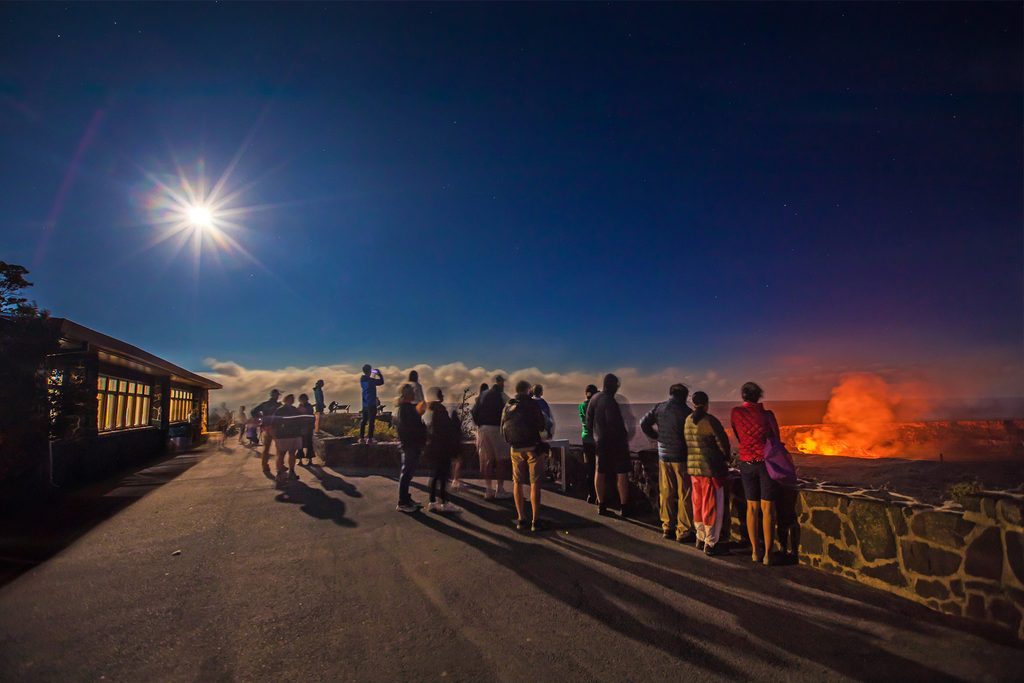
  • After dark (when active): a dramatic red glow that lights the plume and clouds. Eruptions are episodic—sometimes you’ll catch lava or a glow, sometimes not.
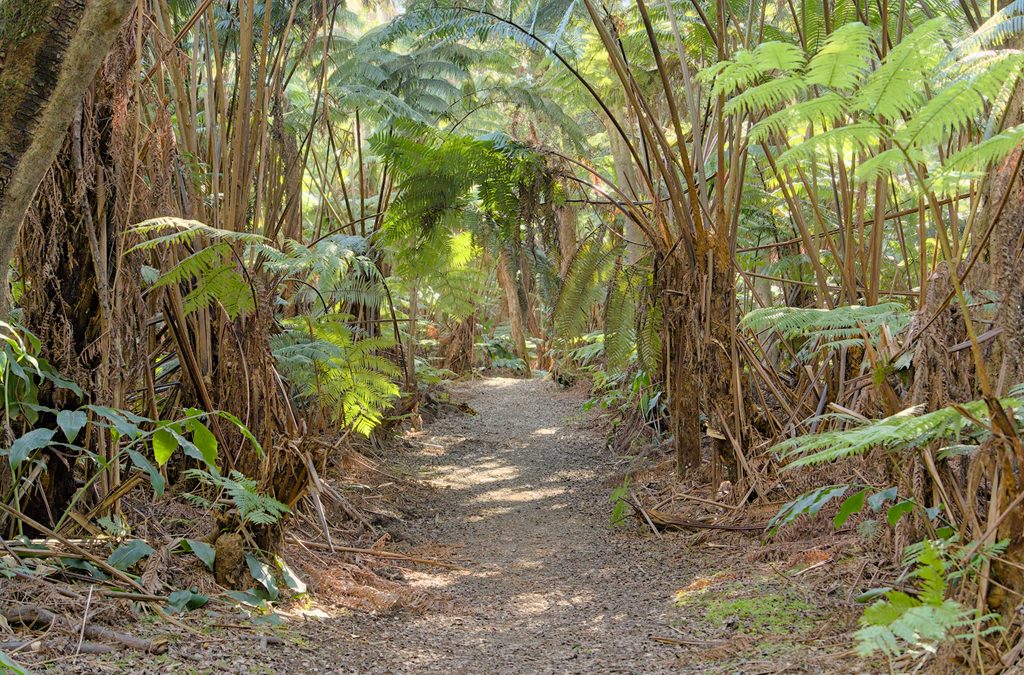
  • Trails: The Crater Rim Trail strings together the best vantage points and the stark transition from rainforest to barren lava fields.

Why It’s Special

Kīlauea is among the most active volcanoes on Earth, with near‑continuous activity in the late 20th century, a major summit collapse in 2018, and frequent eruptive episodes since. Halemaʻumaʻu is traditionally the home of Pele—the volcano goddess—so this is not just geology; it’s living culture.

Wildlife

Look up for koaʻe kea (white‑tailed tropicbirds) riding the updrafts above the caldera. The broader summit area shelters highly endemic Hawaiian species shaped by the island’s isolation.

Safety and Realities

Volcanic gases (like sulfur dioxide), unstable ground, sharp lava, and hidden lava tubes are real hazards. Areas can close without notice as conditions shift, especially during eruptions. Heed signs and rangers, and don’t cross barriers.

How to Do It

Start with current conditions and closures, then work the rim: Kīlauea Overlook, Uēkahuna, Wahinekapu/Steaming Bluff, Kūpinaʻi Pali/Waldron Ledge, and Keanakākoʻi are classics. Ranger programs add context when available. During the ongoing renovation of the Kīlauea Visitor Center, rangers and the park store are operating from a temporary Welcome Center; restrooms and the water station at the visitor center are unavailable and some parking is reduced.

What to Bring

Layers (it gets cold at elevation, especially at night), sturdy shoes, water and snacks, sun/rain protection, and a headlamp for pre‑dawn or night viewing. If you have respiratory issues, follow health guidance regarding volcanic gases.

Best Time to Visit

  • For fewer people: arrive at first light or late evening. Pre‑dawn often means open parking and stellar skies; nights are best for any crater glow.
  • For photos: daylight shows crater textures and color; after dark highlights the glow (when present).
  • When eruptions occur: expect heavy crowds—build in time, patience, and backup viewpoints.

Pros

  • Multiple summit lookouts on the Crater Rim Trail for caldera views
  • Occasional after-dark lava glow during active eruptions
  • Deep cultural significance at Halemaʻumaʻu, traditional home of Pele

Cons

  • Conditions change fast—gas, closures, and visibility are unpredictable
  • Eruption nights can be crowded and chilly

Tips

  • Check current eruption status, webcams, and closures before you go.
  • Link multiple overlooks via the Crater Rim Trail for the best perspectives.
  • For glow, arrive after dark or pre‑dawn and bring warm layers and a headlamp.
  • During Kīlauea Visitor Center renovations, use the temporary Welcome Center for info.
  • If an area is crowded, shift to another rim viewpoint rather than waiting.
The Parkwolf tour guide sitting on a phone mounted in a car

Parkwolf Tour Guide

Like a tour guide in your car.

Save the places you found around Hawaiʻi Volcanoes, then let Parkwolf guide the drive between them.Download Parkwolf on the App Store