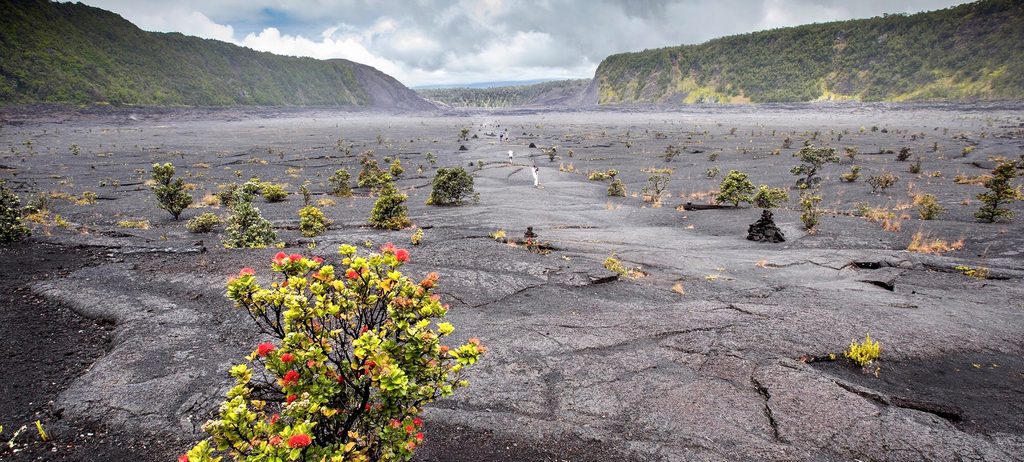
Kīlauea Iki Crater

Walk across a 1959 lava lake amid rainforest and rim views
Kīlauea Iki Crater, Hawaiʻi Volcanoes National Park
InsideHawaiʻi Volcanoes National Park

Overview

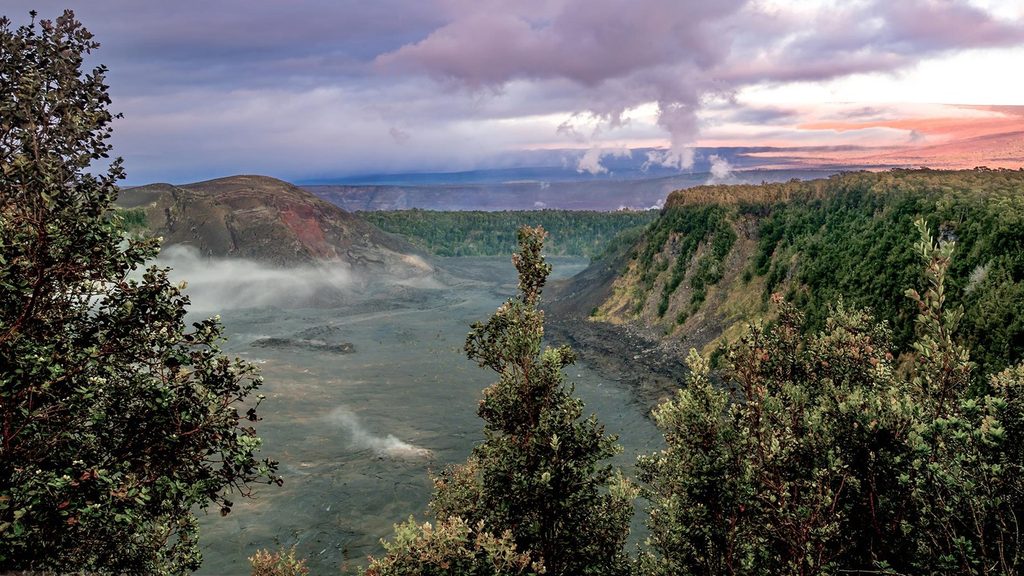
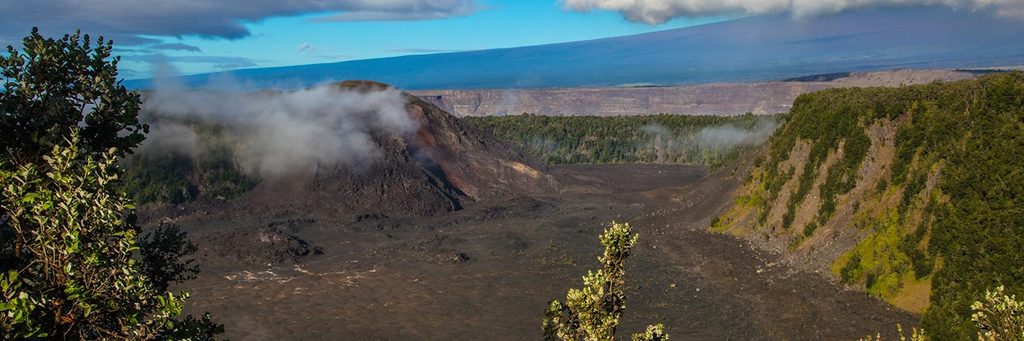
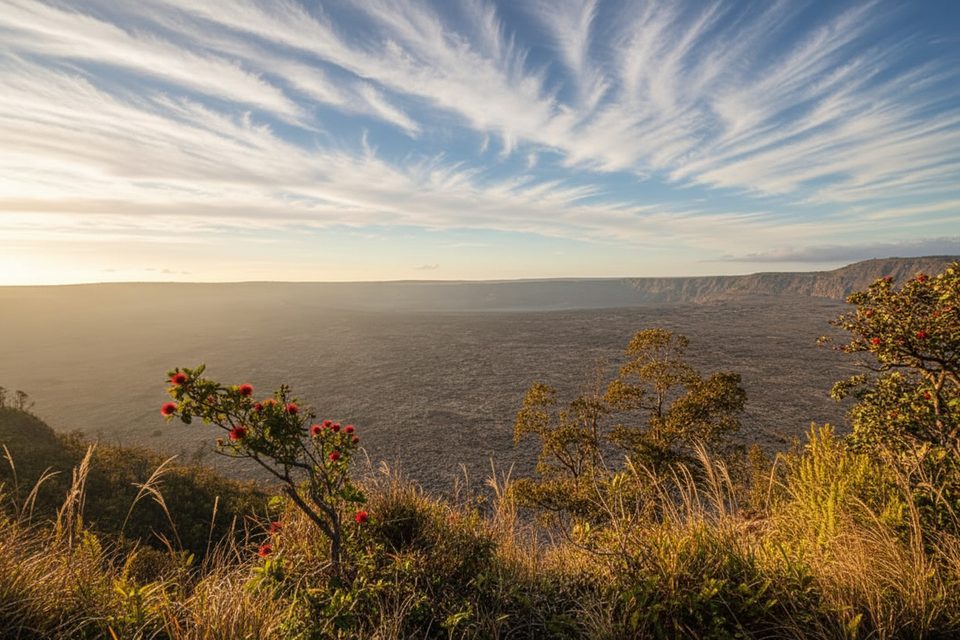
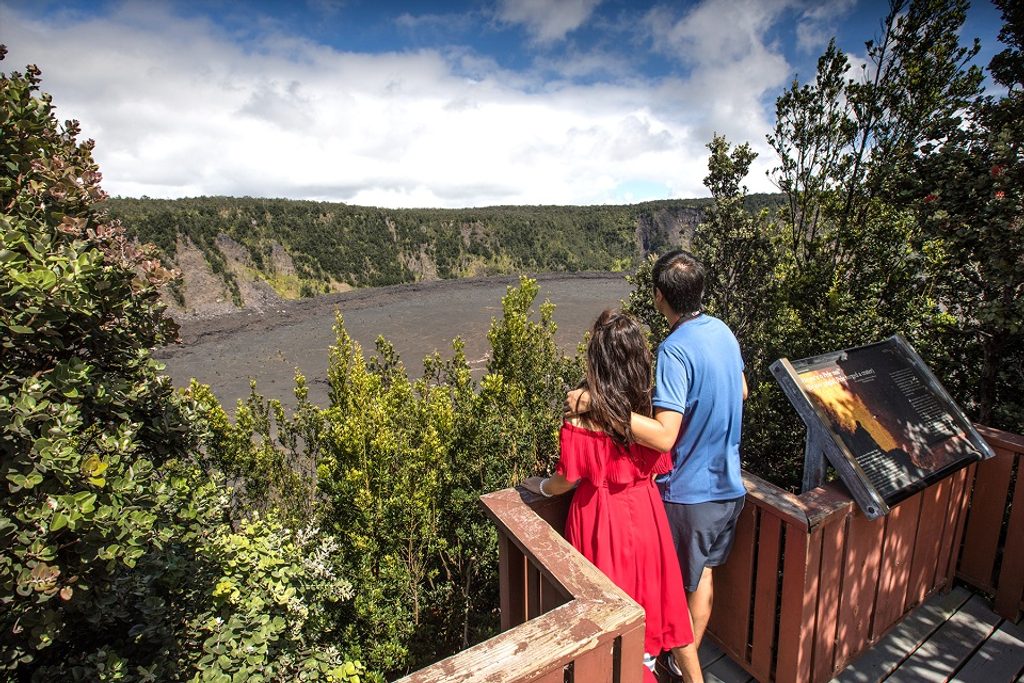
Kīlauea Iki is a 400-foot-deep pit crater with a solidified lava lake you can actually walk across. It’s a rare, cinematic mix: stark black lava underfoot, emerald rainforest on the rim, and wide-open views from overlooks like Puʻu Puaʻi.

Why it’s special

You’re crossing what was once a boiling lava lake from the 1959 eruption—lava fountains soared as high as 1,900 feet before cooling into the cracked, ropey surface you see today. Few places let you step so directly onto recent volcanic history.

The hike (what to expect)

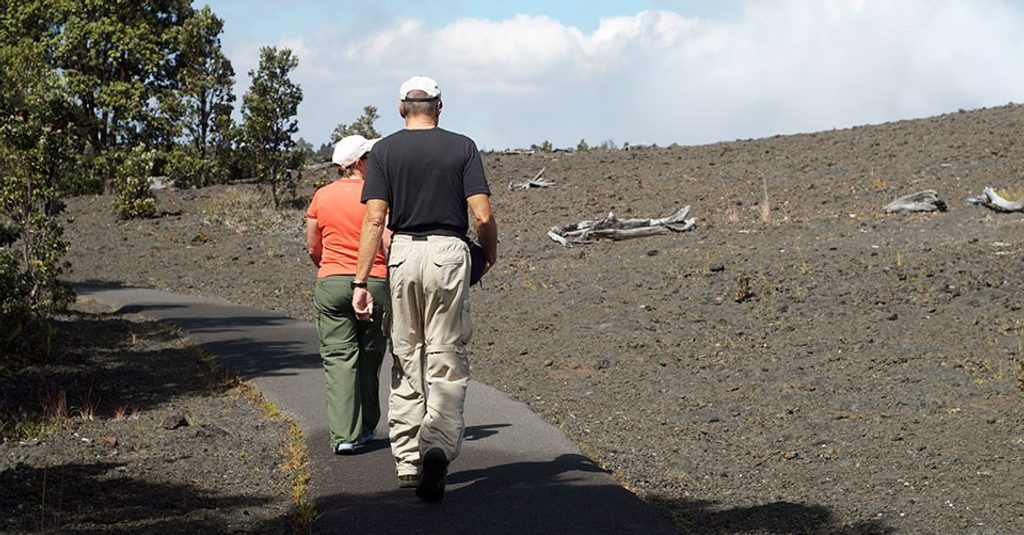
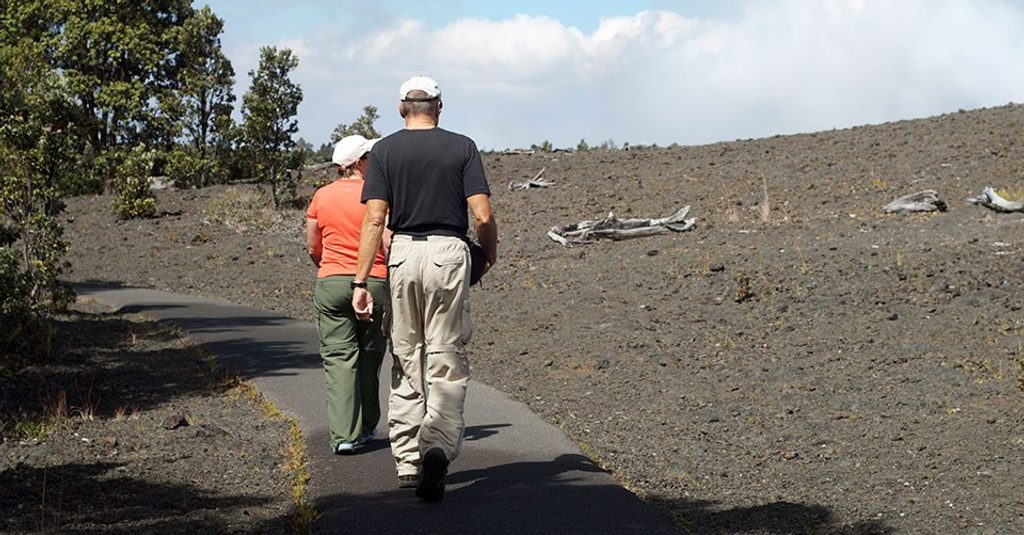
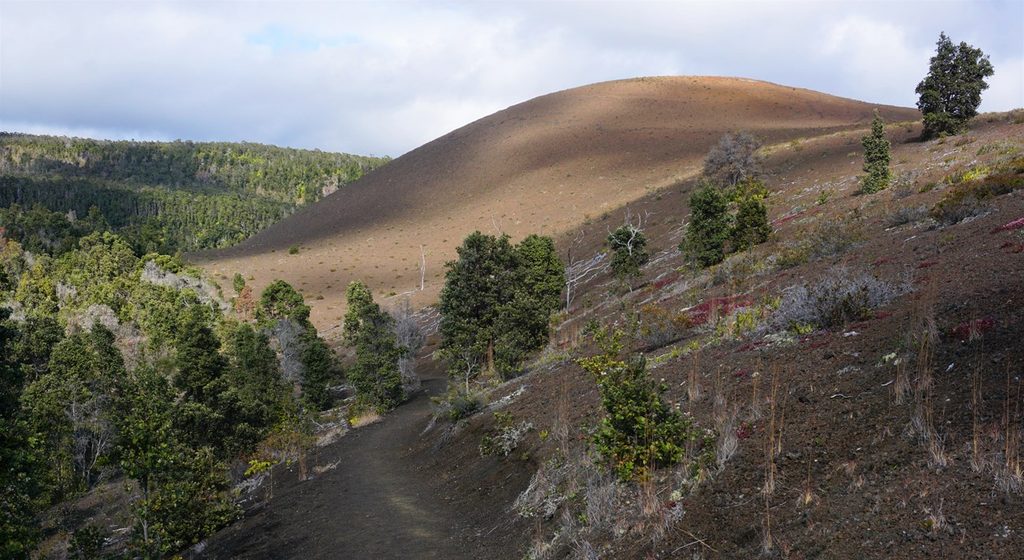
  • Classic loop: About 3.3 miles from Kīlauea Iki Overlook, typically 2–3 hours. You descend through ferny rainforest, traverse the crater floor on marked routes, then climb back to the rim.
  • Longer option: Start at Kīlauea Visitor Center for roughly 5.3 miles total, 3–4 hours. NPS also suggests starting from Devastation Trailhead or Puʻupuaʻi if the main lot is full.
  • Terrain: Forested rim is cool and shaded; the crater floor is black, open, and can feel like an oven by midday.

History & geology

Kīlauea Iki formed as a pit crater when the ground collapsed after magma withdrew. In 1959, spectacular lava fountains filled it, creating the lava lake that later solidified. Today’s fractures, “frozen waves,” and vents are a clean readout of how that eruption played out beneath your feet.

Wildlife

Keep an ear out for native honeycreepers like ʻapapane and ʻamakihi in the rim rainforest. The plant life—especially ferns and ʻōhiʻa—adds a lush frame around the stark crater.

Practicalities

  • Facilities: Trailhead parking at the Overlook; restrooms are basic vault toilets. No water filling station—bring your own.
  • Crowds & parking: The Kīlauea Iki/ Nāhuku lot fills quickly. NPS encourages using the Visitor Center, Devastation Trailhead, or Puʻupuaʻi parking as alternatives.
  • Safety: Stay on the signed route across the crater; vents and thin crusts can be hazardous.

Best time to visit

Aim for sunrise or early morning: cooler temps, softer light on the crater floor, and a better shot at parking. Midday brings heat and the busiest lots. Late afternoon can also be pleasant, but leave enough time to climb out before dark.

Pros

  • Walk across a hardened lava lake
  • Rim-to-floor loop with lush rainforest contrast

Cons

  • Parking at the overlook is very limited
  • Crater floor is hot and exposed with little shade

Tips

  • Arrive at sunrise or start from the Visitor Center to beat parking crunches.
  • Bring plenty of water; there’s no filling station and the crater bakes in the sun.
  • If the main lot is full, use Devastation Trailhead or Puʻupuaʻi as alternates.
  • Stay on marked routes across the crater—vents and thin crusts can be dangerous.
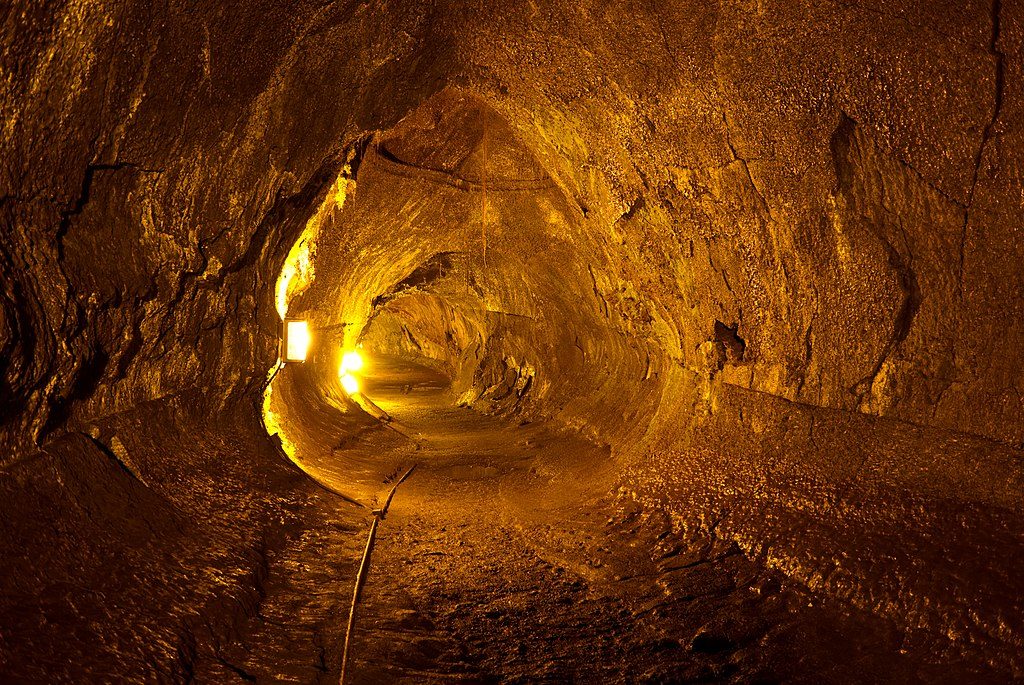
  • Pair the loop with nearby Nāhuku (Thurston Lava Tube) for a varied outing.
The Parkwolf tour guide sitting on a phone mounted in a car

Parkwolf Tour Guide

Like a tour guide in your car.

Save the places you found around Hawaiʻi Volcanoes, then let Parkwolf guide the drive between them.Download Parkwolf on the App Store