
Place · 0 mi away
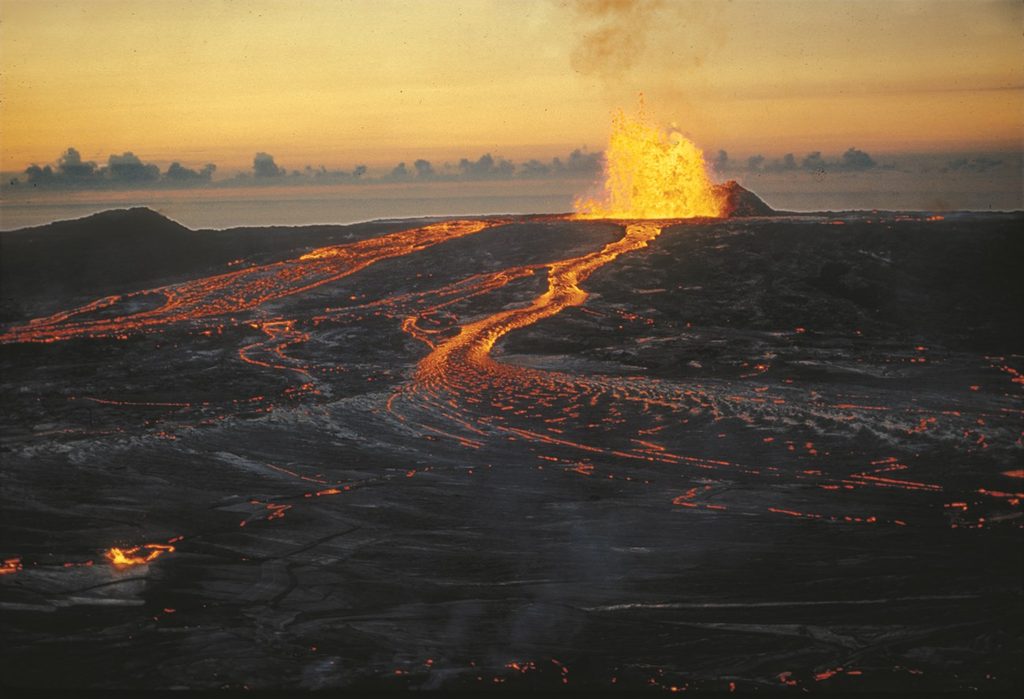
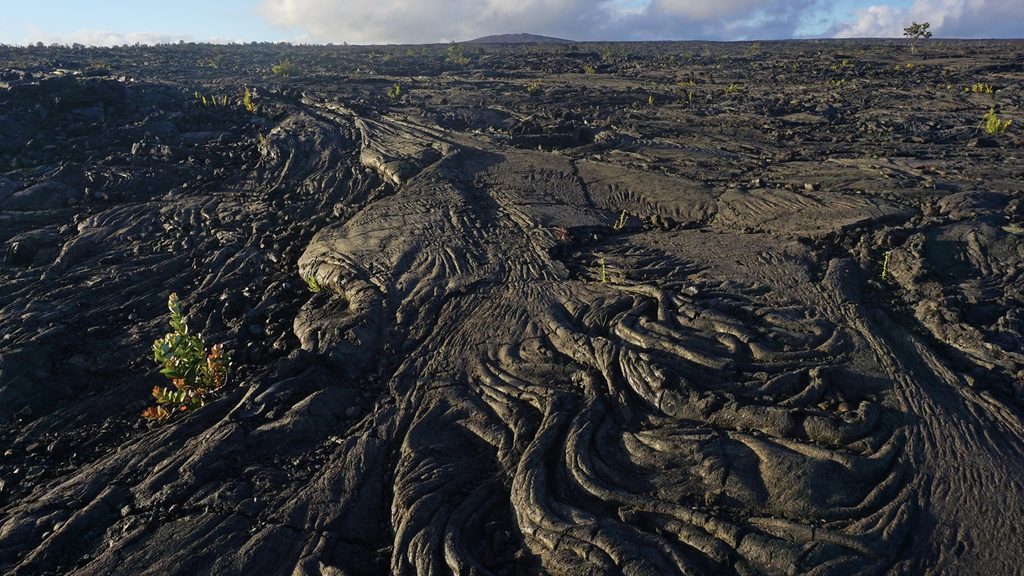
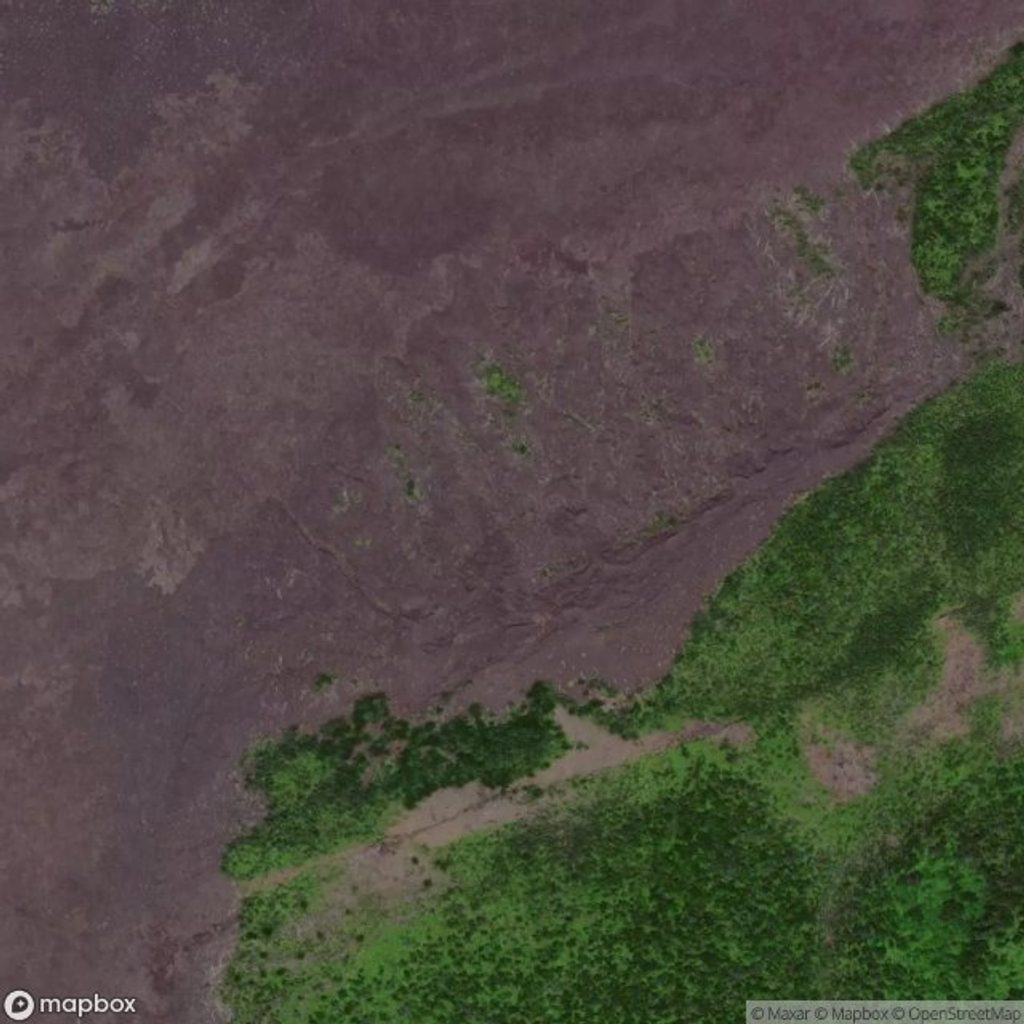
Mauna Ulu—“the growing mountain”—is Kīlauea’s East Rift Zone showpiece. Its five-year eruption (1969–1974) built a volcanic cone and spread fresh, jet-black lava across the landscape, burying parts of Chain of Craters Road and creating new coastline. Walking here feels like stepping onto a newly made planet.
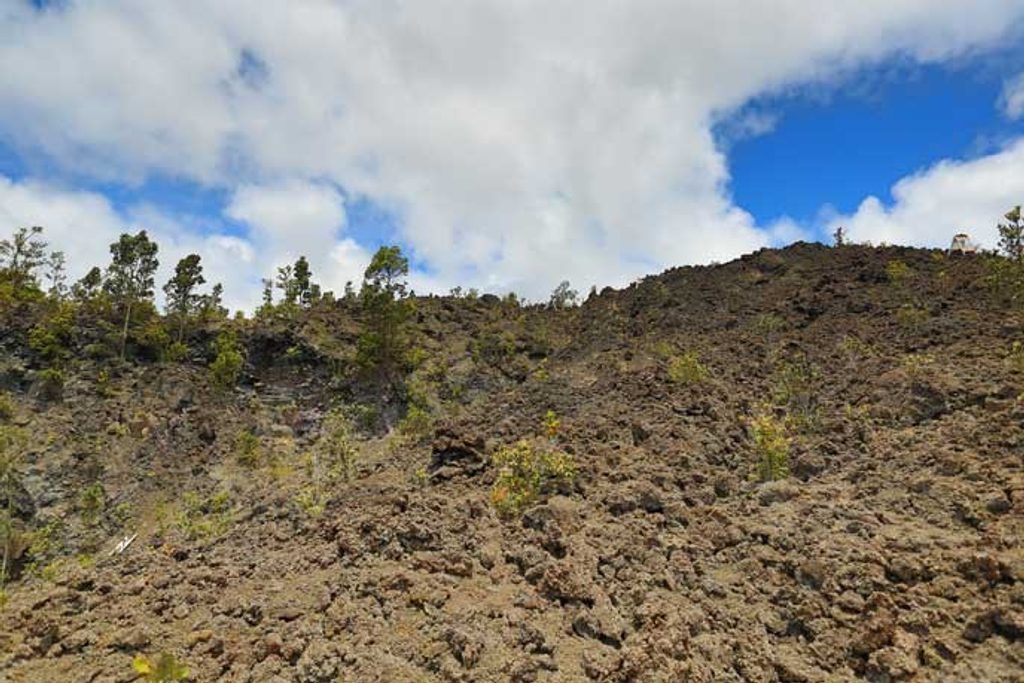
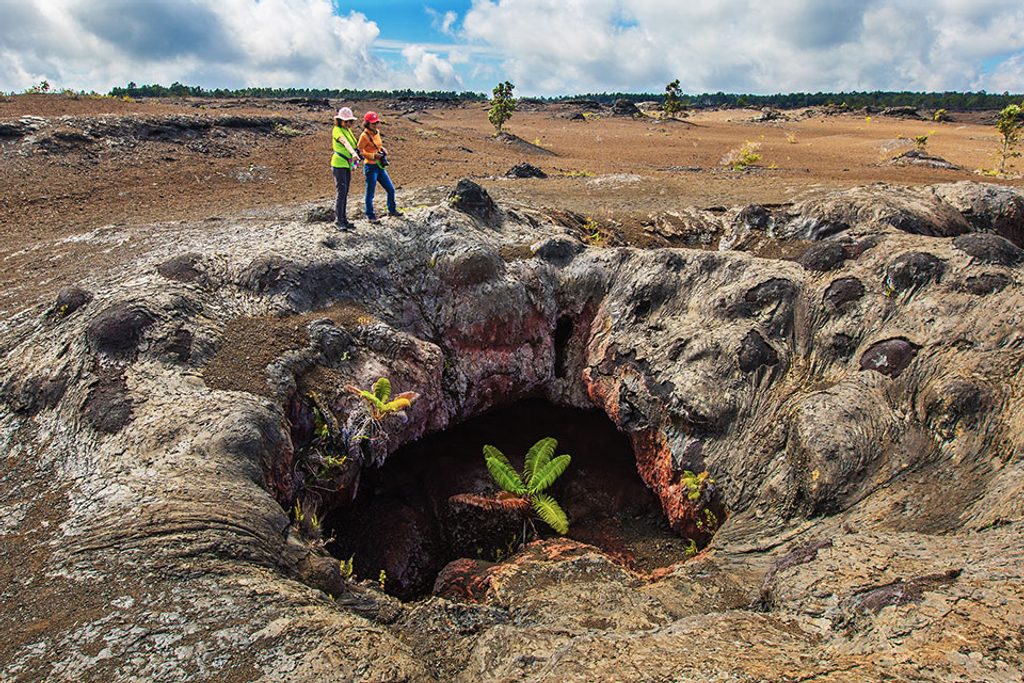
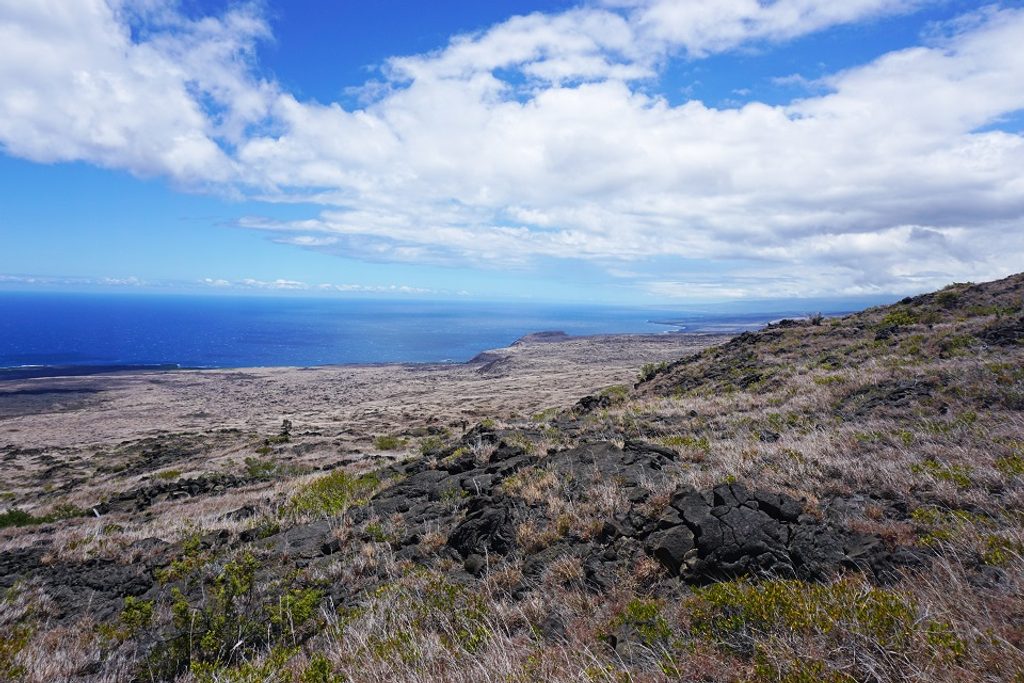
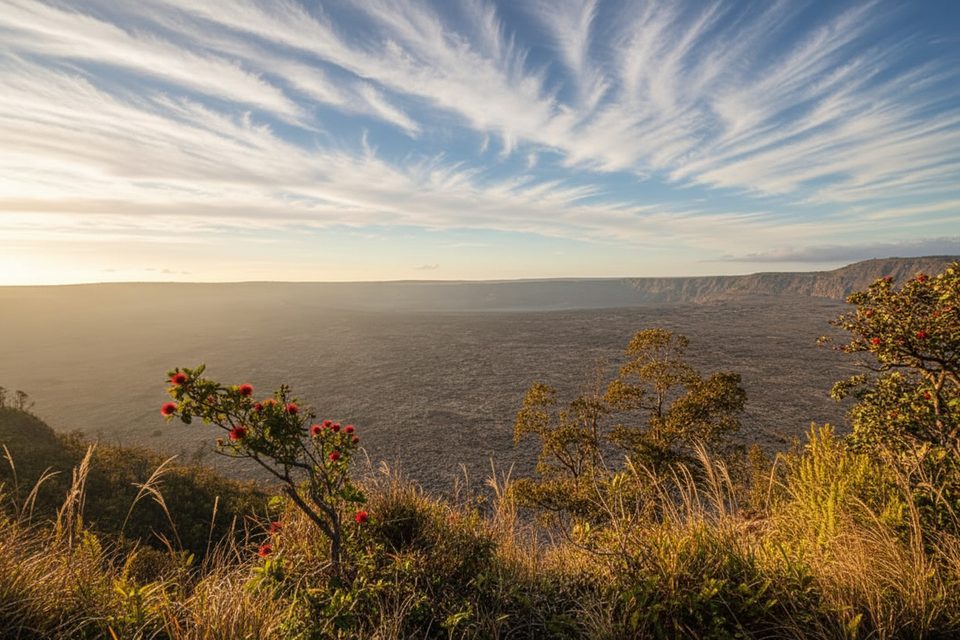
Expect vast lava fields, old fissures, steam vents, lava tree molds, and views toward Mauna Loa, Mauna Kea, and the Pacific on clear days. From the Mauna Ulu area, trails cross the 1969–1974 flows to Puʻu Huluhulu, where panoramic viewpoints help you grasp the scale of this eruption.
This was the longest and most voluminous flank eruption of Kīlauea in over 2,200 years—hundreds of millions of cubic meters of lava poured out, at times creating lava cascades that dwarfed Niagara Falls and fountains that blasted skyward. The result is a stark, apocalyptic terrain that’s still being reclaimed by nature.
The Mauna Ulu parking area along Chain of Craters Road serves the Nāpau Trail segment to Puʻu Huluhulu and the Mauna Ulu lava fields. There’s a restroom at the lot, but no drinking water. Trails traverse rough, sharp pāhoehoe and ‘a‘ā; footing is uneven and there’s no shade. Stay on marked routes and don’t stack rocks—cairns can mislead others and carry cultural impacts.
Wildlife is sparse on the fresh flows, but around Puʻu Huluhulu’s recovering forest you may hear or glimpse native birds and plenty of hardy insects. Don’t come expecting abundant wildlife—come for the geology.
Lava rock cuts skin and shoes; sturdy footwear is mandatory. Sun, wind, and sudden rain are common—pack sun protection, layers, plenty of water, and snacks. The lava fields can be disorienting; carry a map/GPS and heed current park advisories.
Go early or late in the day for gentler temperatures, softer light for photos, and fewer people. Midday is the harshest—bright, hot, and windy. Weekdays tend to be quieter than weekends.
Place · 0 mi away
Place · 0.4 mi away
Place · 1.4 mi away
Place · 1.9 mi away
Challenging · 1 mi away
Moderate · 1 mi away
Challenging · 2.1 mi away
Easy · 4.1 mi away

Parkwolf Tour Guide
