
Place · 0.4 mi away
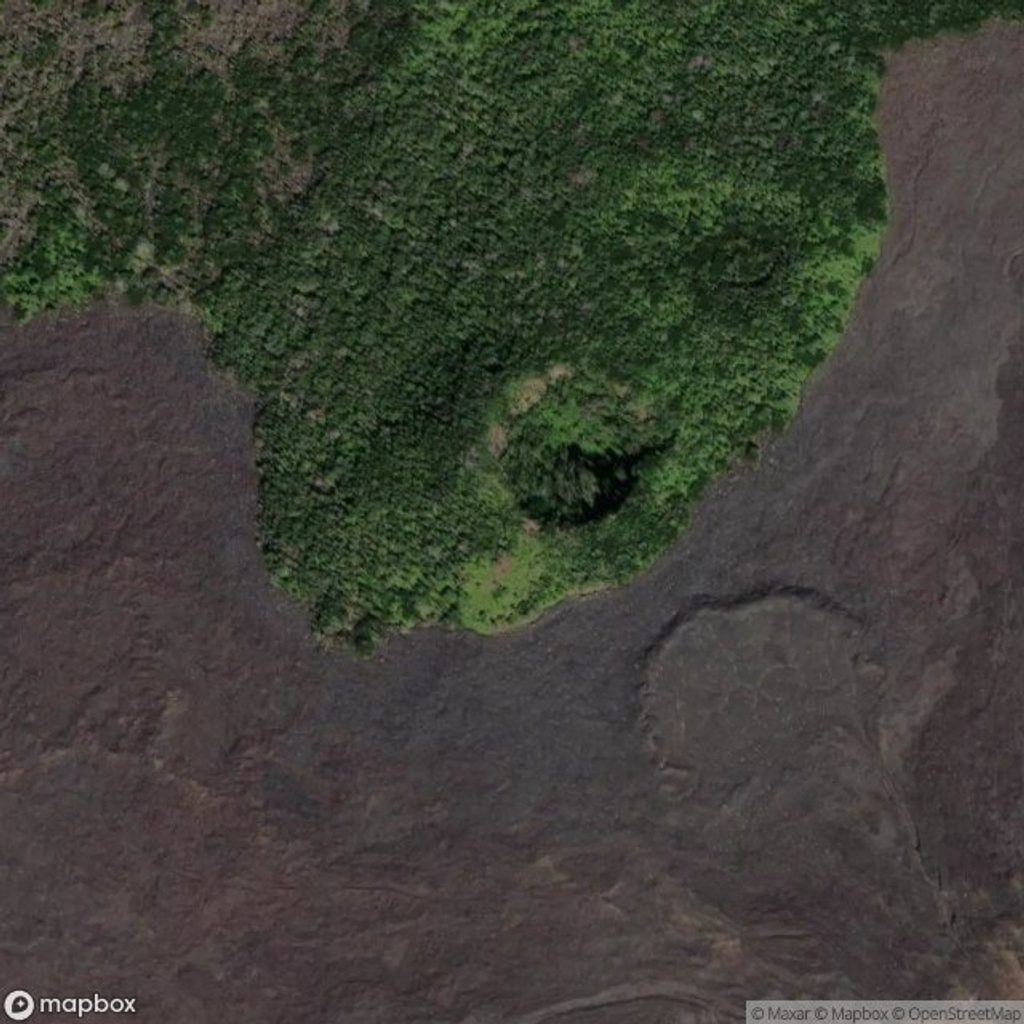
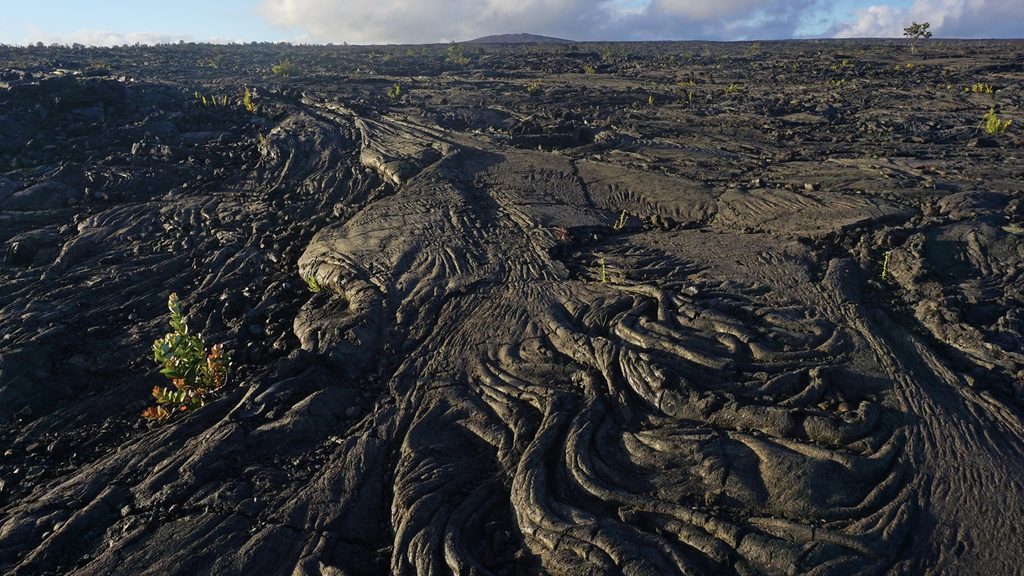
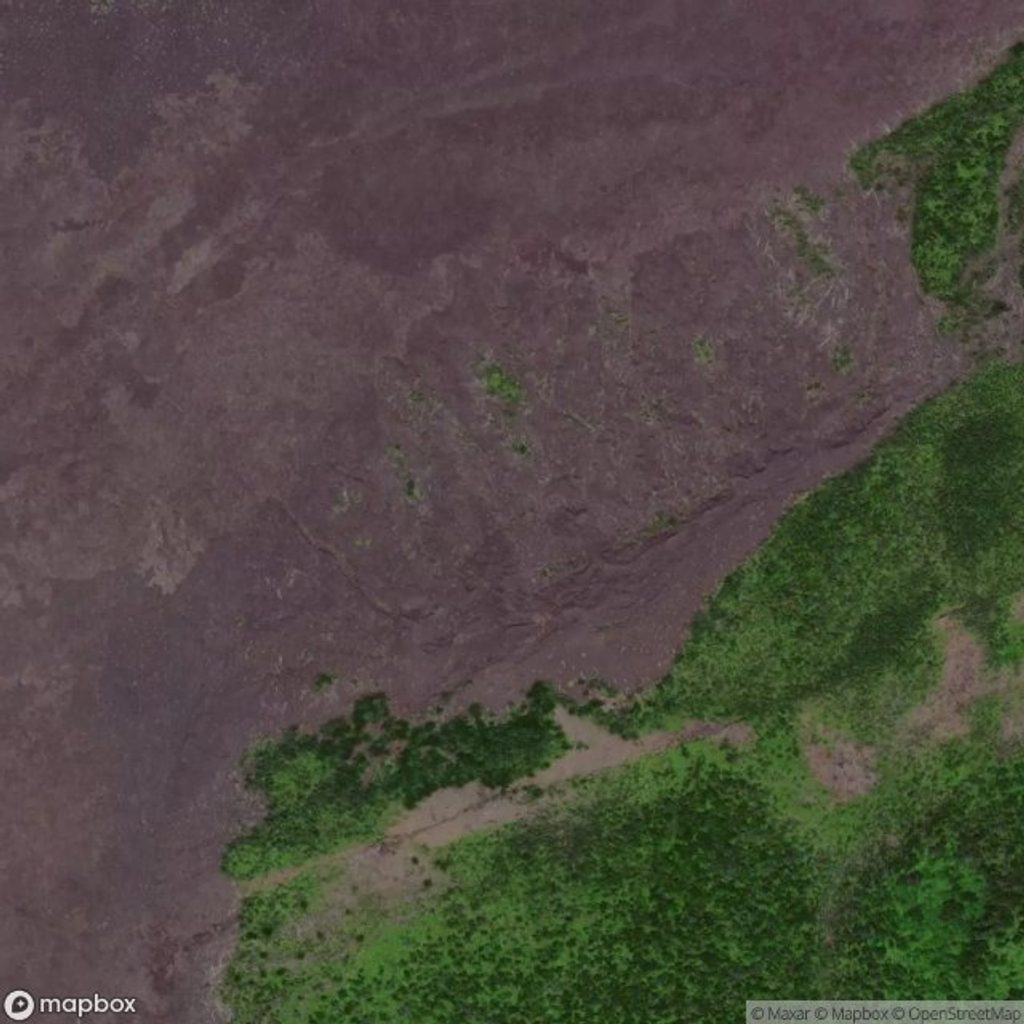
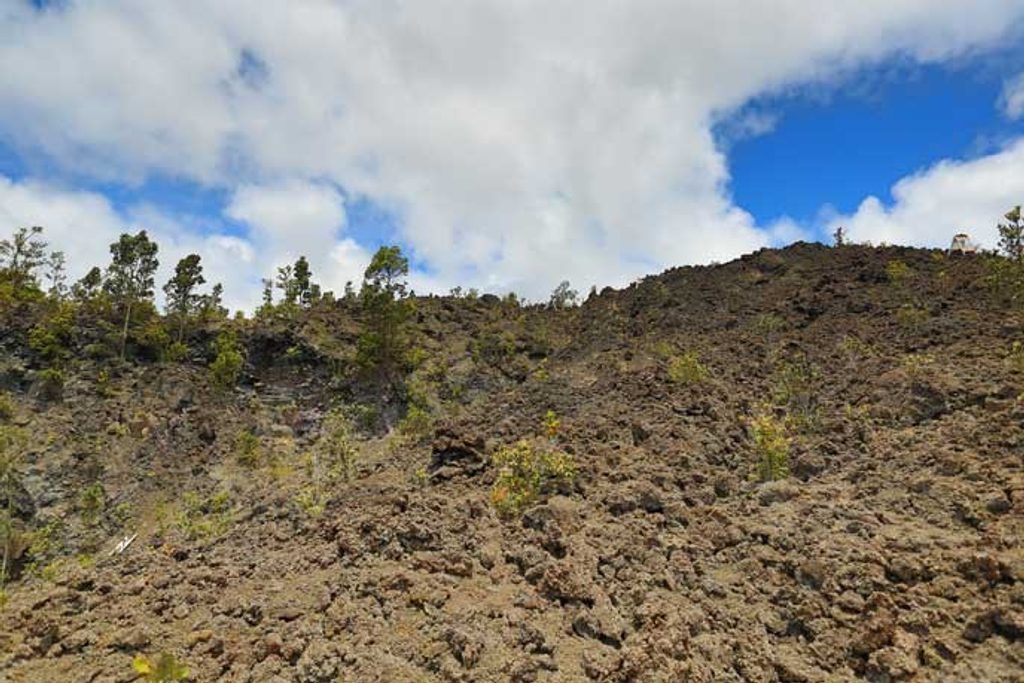
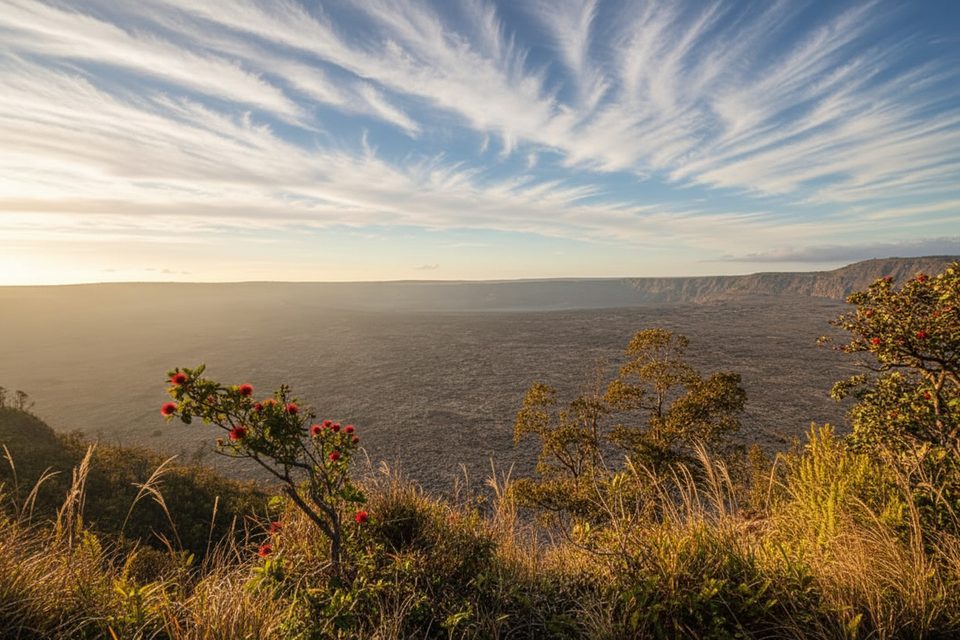
Puʻu Huluhulu, the “hairy hill,” rises like an island of green out of the stark Mauna Ulu lava flows. This short day hike leads to a forested cinder cone with sweeping views and on-site interpretation that ties together eruption history, ecology, and Hawaiian cultural stories.
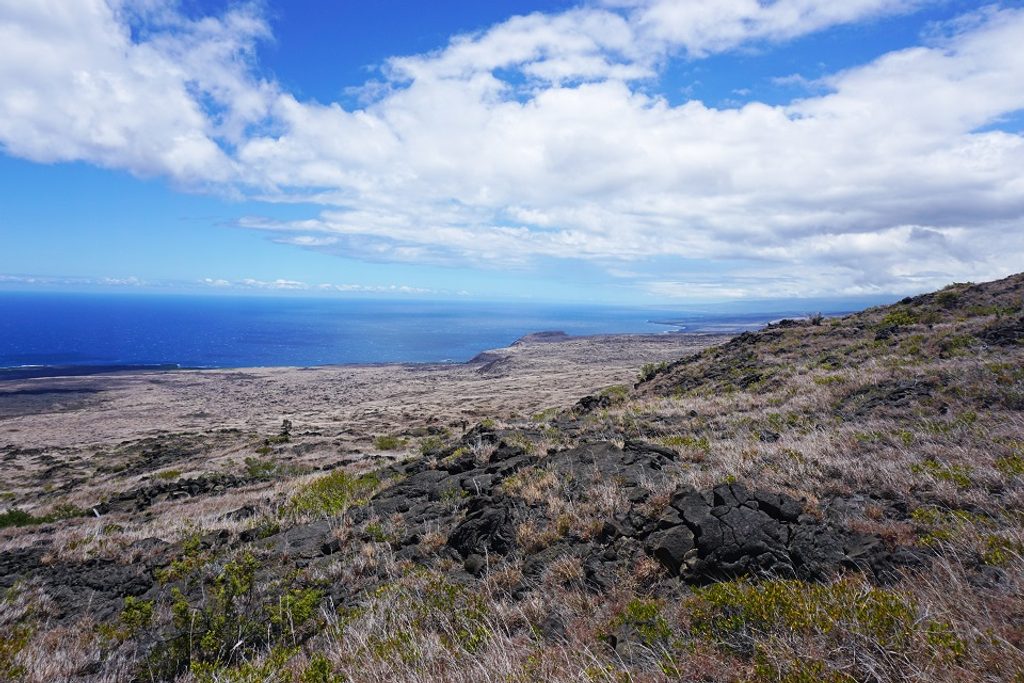
If you want a big payoff without a huge effort, this is it: a lush kipuka surrounded by young ʻaʻā and pāhoehoe, plus multiple viewpoints across the Mauna Ulu flows toward nearby volcanic features. It’s quieter than the busier Kīlauea rim stops and feels wonderfully different—green summit, black lava sea.
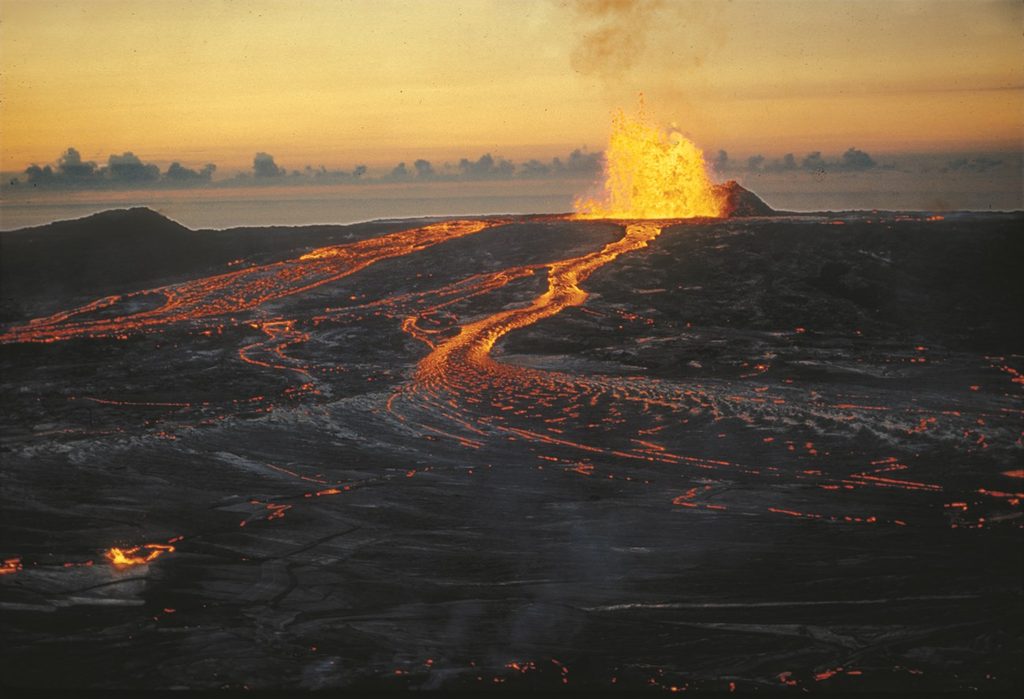
Park interpretation here connects Pelehonuamea’s destructive/creative power with the return of life symbolized by Lono and Hiʻiaka. Geologically, Puʻu Huluhulu is a cinder cone preserved as a kipuka; after the Mauna Ulu eruption (1969–1974), it served as a seed source for the surrounding flows, making it a living lesson in ecological succession.
Listen for Hawaiian honeycreepers such as ʻapapane and ʻamakihi in the summit forest. Insects and butterflies are common; nēnē occasionally pass through the area.
The hike starts at the Mauna Ulu area, where there’s a small parking lot, a trail register, and a vault/pit toilet. There’s no water here—bring your own. Trails are well-signed, but stay alert crossing lava. Follow official markers only; building rock stacks (ahu) is discouraged and can be unsafe and culturally offensive.
Morning is best for cooler temperatures and softer light on the lava. Weekdays tend to be quieter. Midday can be brutally hot on the exposed flows; start early if the sun’s out or clouds are scarce.
Place · 0.4 mi away
Place · 0.4 mi away
Place · 1.1 mi away
Place · 2.1 mi away
Challenging · 0.8 mi away
Moderate · 0.8 mi away
Challenging · 2.4 mi away
Easy · 3.7 mi away

Parkwolf Tour Guide
