
Place · 1.6 mi away
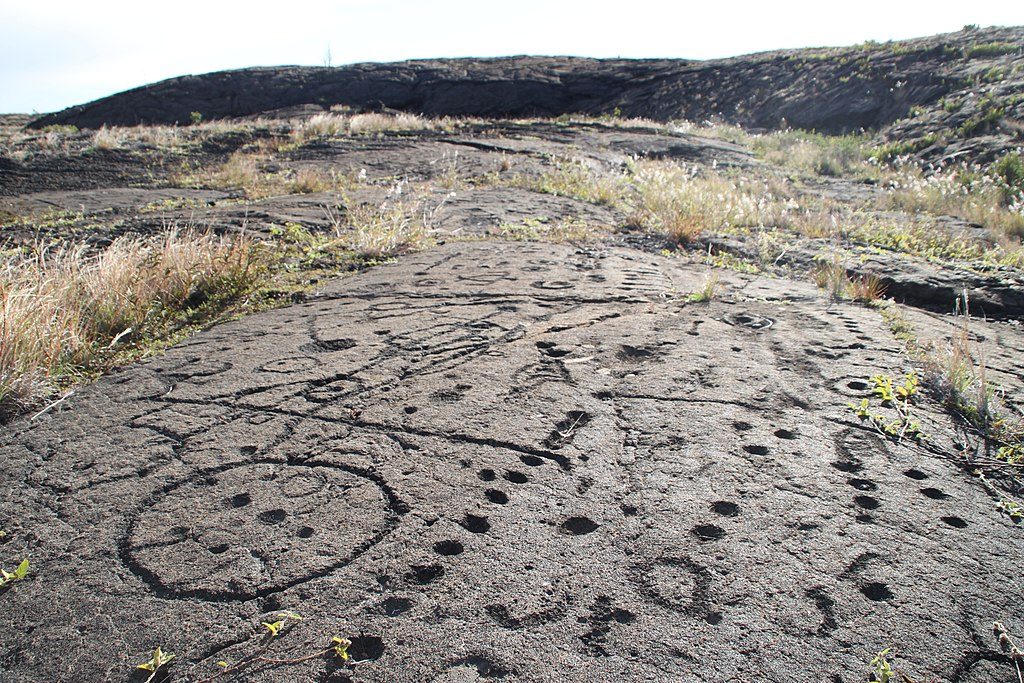
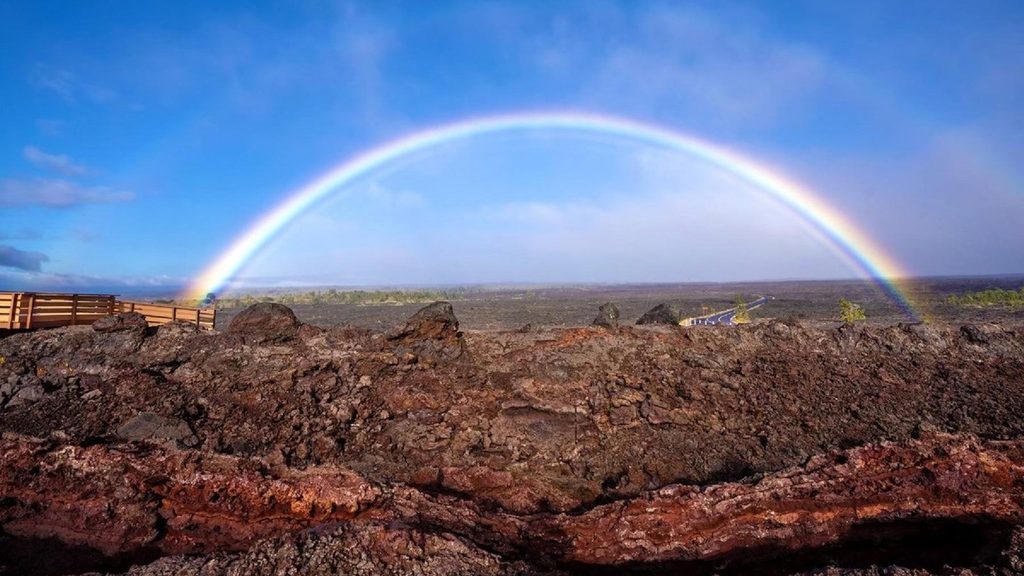
Puʻu Loa is the park’s sacred gallery of kiʻi pōhaku—petroglyph images pecked into young lava. The name means “hill of long life,” and that sense of significance is palpable the moment you step onto the boardwalk that protects the carvings.
From a pullout on Chain of Craters Road, it’s roughly 0.7 mile each way over gently undulating pāhoehoe to a wooden boardwalk loop. Along and around the boardwalk you’ll spot hundreds of carvings: human figures, circles and dots, canoe sails, and other motifs. Many are associated with life events—especially birth—and the practice of placing piko (umbilical cords) in small holes for blessings of long life.
This is considered Hawaiʻi’s most extensive petroglyph field and a must for anyone curious about Native Hawaiian history and culture. The setting—an austere, wind-swept lava plain with ocean views—adds to the experience. It’s powerful, not just picturesque.
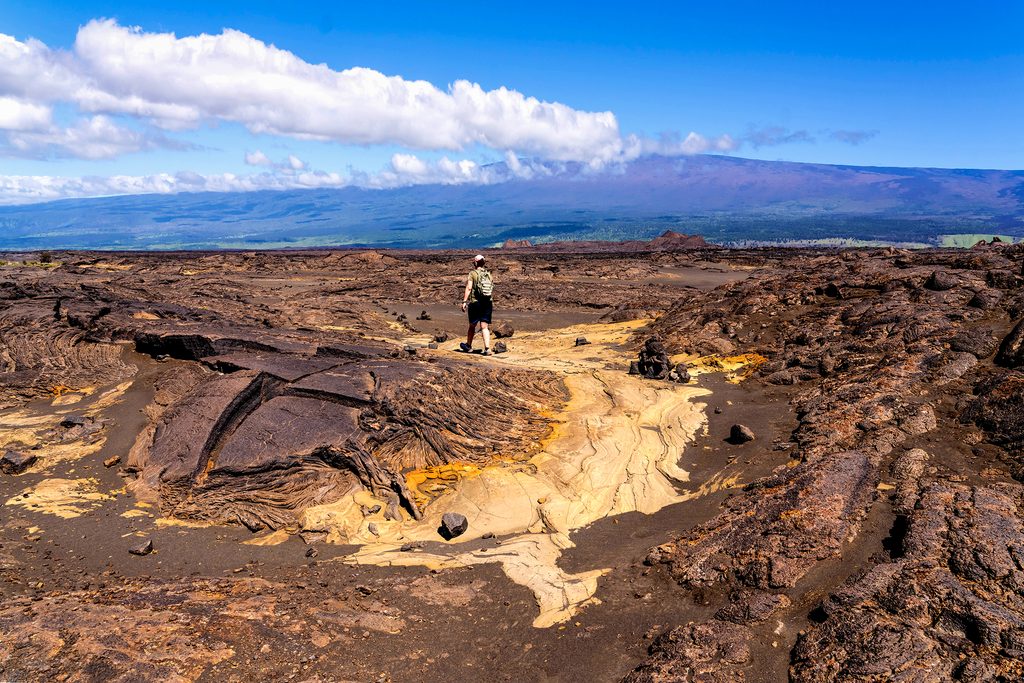
Puʻu Loa formed as a volcanic pressure dome on relatively young (about 500–600-year-old) lava flows from the Kāne Nui o Hamo eruption. The smooth, ropy pāhoehoe you cross is textbook Kīlauea geology.
This isn’t a wildlife hotspot. The field is mostly barren; you might notice insects or the occasional small lizard. Come for culture and landscape, not critters.
Reviews peg the outing at about 40 minutes round-trip walking, plus time on the boardwalk. People typically spend up to 30 minutes at the site itself reading signs and scanning for carvings.
Go early morning or late afternoon to dodge the fiercest heat and the mild midday uptick in visitors. The site is open day and night, but daylight is best for spotting details in the carvings.
Place · 1.6 mi away
Place · 1.6 mi away
Place · 3.1 mi away
Place · 5.2 mi away
Challenging · 6.1 mi away
Challenging · 7.9 mi away
Moderate · 7.9 mi away
Challenging · 10.5 mi away

Parkwolf Tour Guide
