
Place · 0 mi away
Challenging
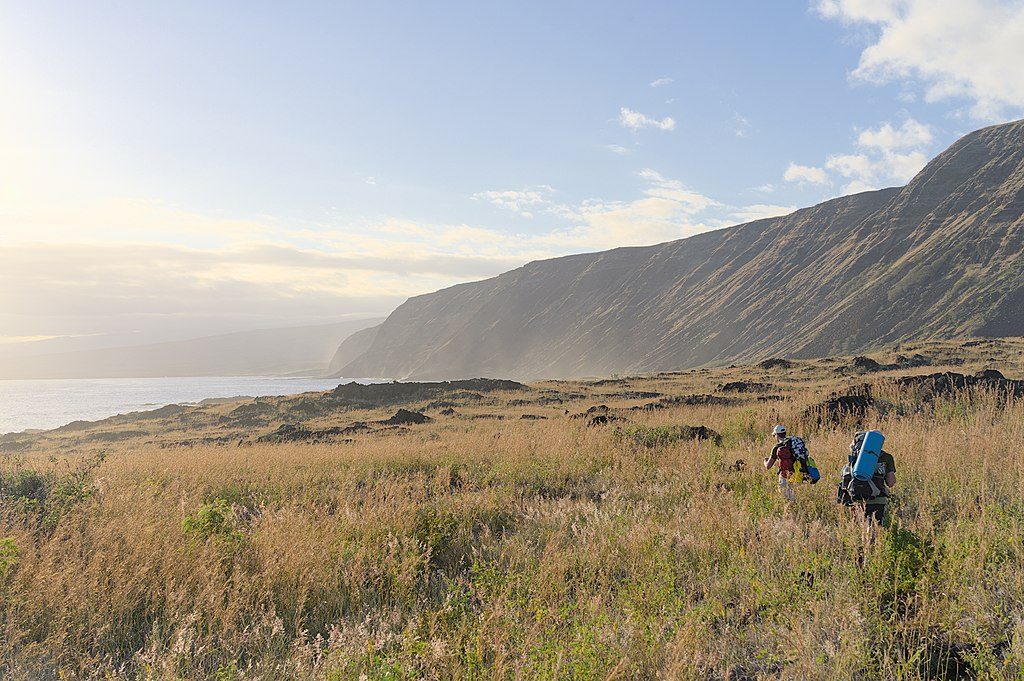
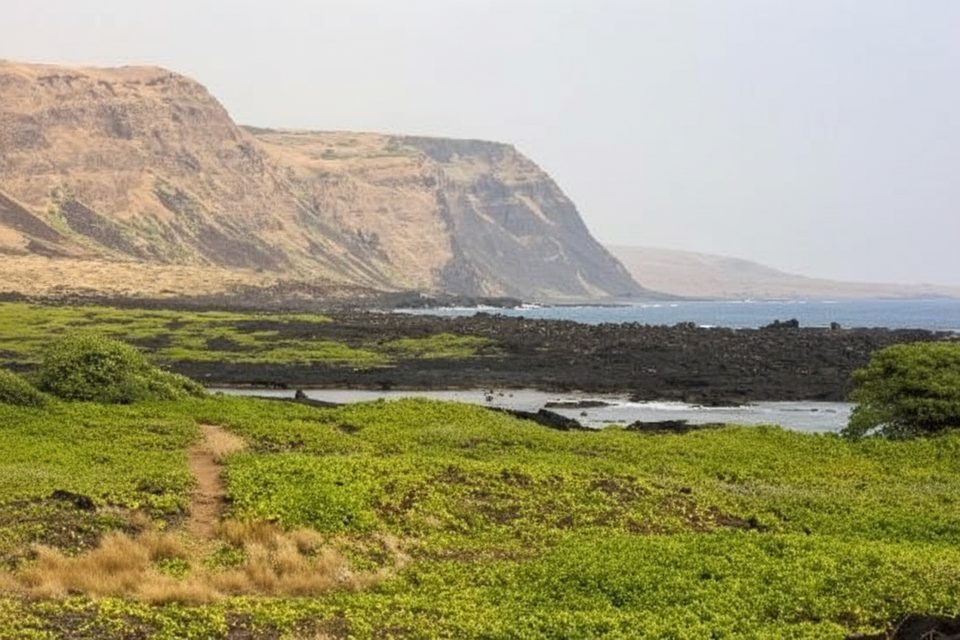
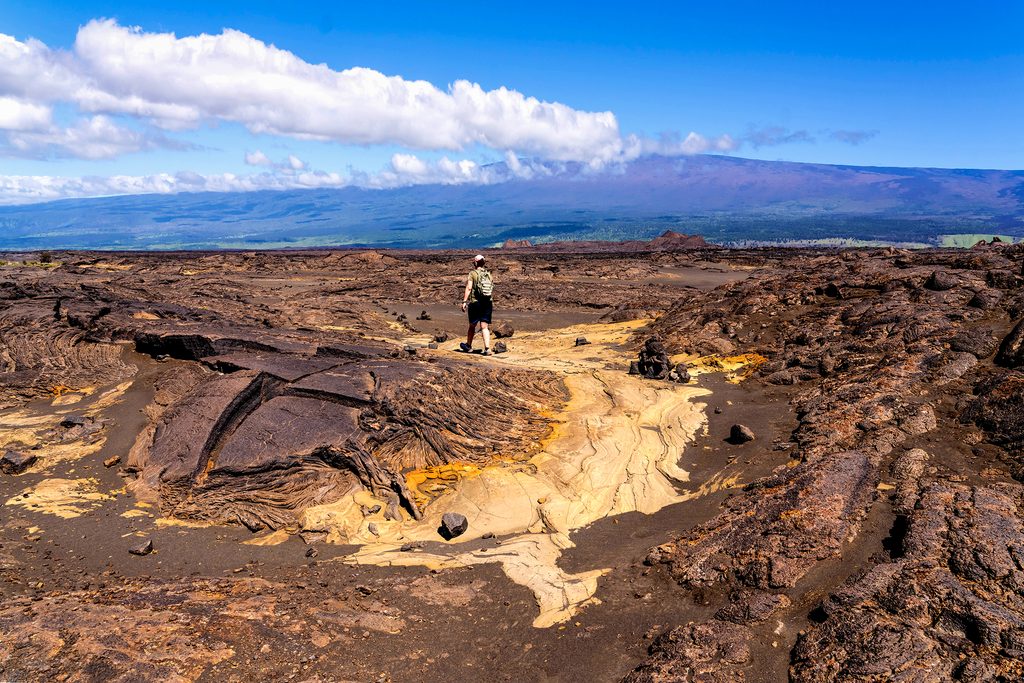
This is a serious backcountry descent from the Hilina Pali Overlook to Halapē, a secluded beach on Hawaiʻi Volcanoes National Park’s wild south coast. Expect stark lava landscapes, huge views off the 1,500-foot escarpment, and an end destination of palms, anchialine tide pools, and whitewater surf. It’s commonly done as an overnight backpack, not a casual day hike.
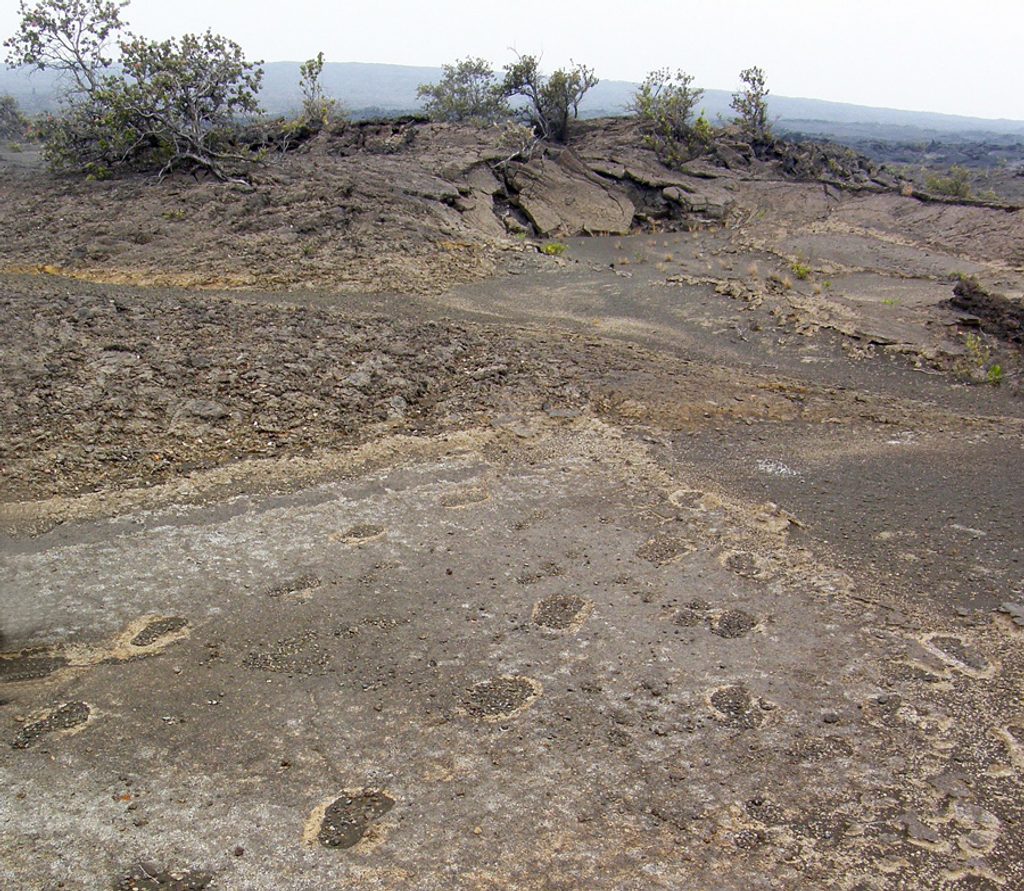
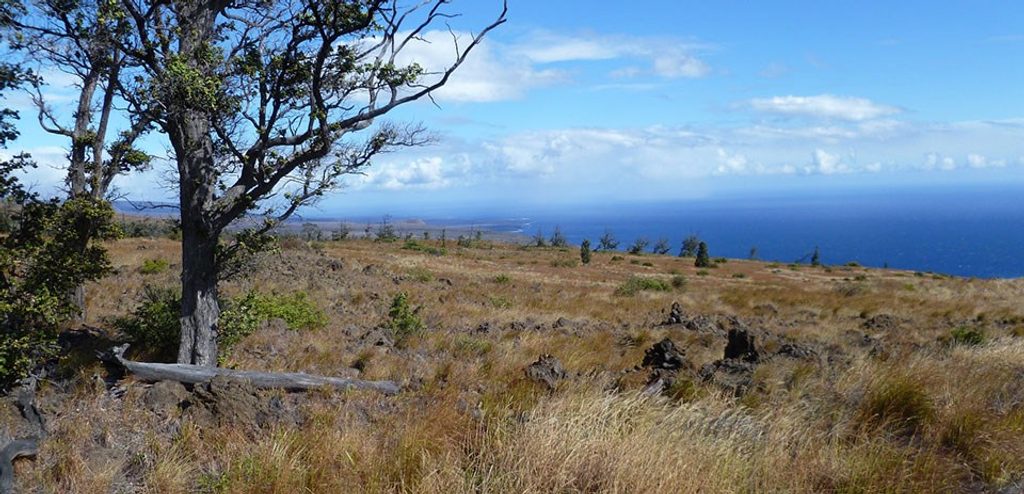
Distance is about 16 miles round-trip (out-and-back) with roughly 3,000 feet of cumulative gain. The downhill is front-loaded—your real work comes on the return, grinding back up the pali in full sun. Surfaces range from sharp ‘a‘ā and cinder to open grassland and coastal sand, with almost no shade. Travel can be slow and footwork matters.
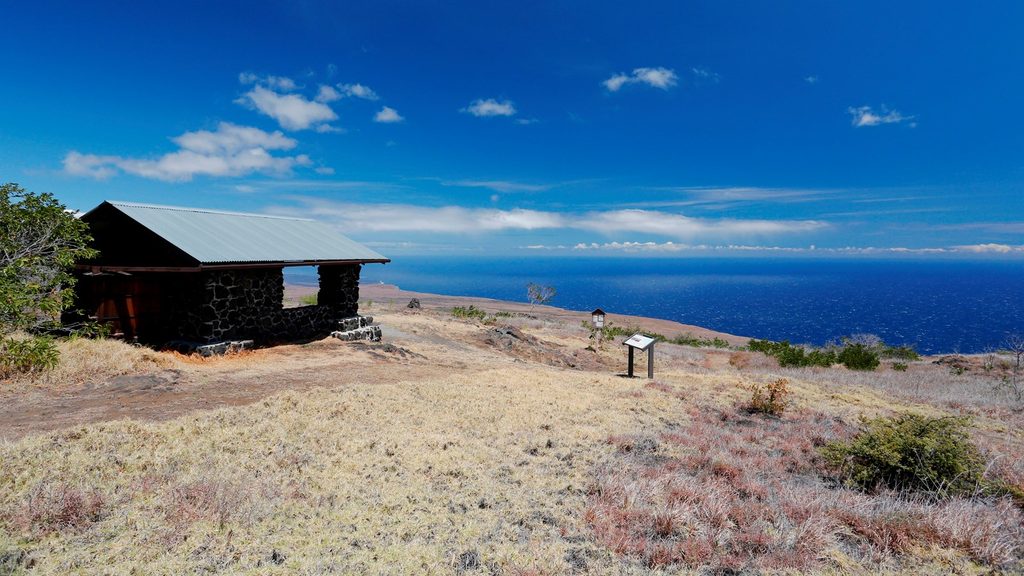
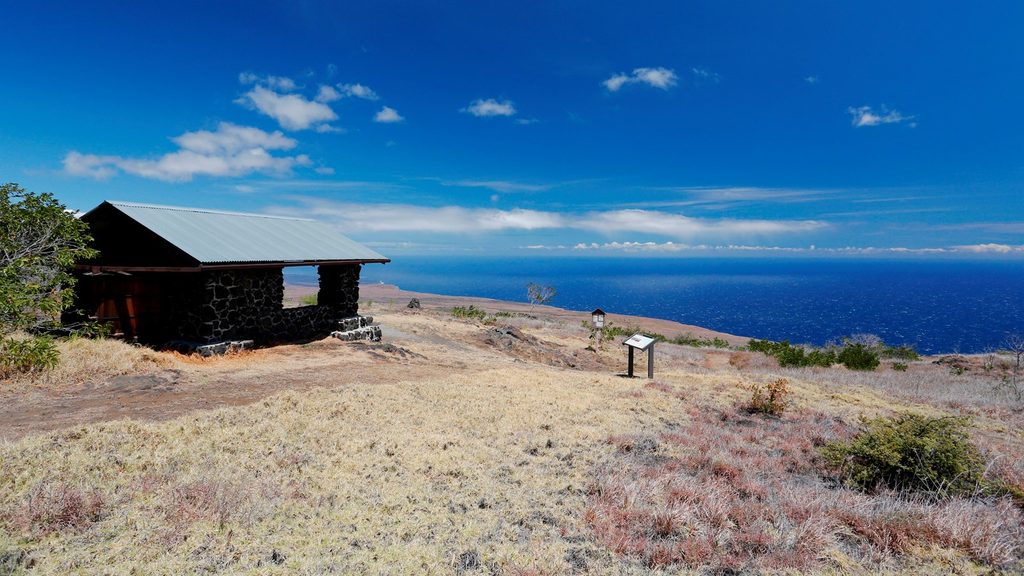
Halapē itself is a backcountry oasis. You’ll find a shade shelter, a composting toilet with a view, and a water catchment tank—though the tank is not reliable. Filter all water and check with the park’s Backcountry Office before you go for current water levels and trail conditions. Halapē is the most popular of several remote coastal campsites in the park and requires a backcountry camping permit.
If you’ve got gas left, a short wander southwest to Halapē Iki leads to two small white sand beaches and a sheltered swimming hole known for snorkeling and solitude. Along the way, keep an eye out for anchialine pools—unique coastal tide pools tucked among the lava.
Access is typically from the Hilina Pali Overlook at the end of a narrow, one-lane road—drive with caution. An alternate approach reaches Halapē from Mau Loa o Maunaulu via the Keauhou Trail (about 8.5–9.2 miles one way), also rugged and exposed. Routes can be overgrown in spots; bring a good map and solid route-finding skills.
Tips and essentials: start early to dodge the worst heat; this hike is fully exposed and the black lava reflects sun. Wear a wide-brimmed hat, sunscreen, long sleeves, and sturdy boots for the sharp, loose rock. Bring more water capacity than you think you need (3 liters per person per day is a baseline), and pack out all trash.
Best time to hike: year-round, but early spring and late fall tend to be more comfortable. Regardless of season, early morning departures are key. Afternoons on the lava can be punishing, and the climb back to the rim is a slog in the heat.
Bottom line: For experienced, self-sufficient hikers, Halapē delivers a big-adventure payoff—epic pali views, raw volcano-country walking, and a rare, quiet beach camp. If you’re not up for heat, exposure, and a stout climb, pick something more forgiving.
Park at Hilina Pali Overlook trailhead at the end of a narrow, one-lane road (drive with caution). Alternate access from Mau Loa o Maunaulu via the Keauhou Trail.
Extreme sun exposure, heat, and sharp ‘a‘ā make travel slow and hazardous; the return is a steep, sustained climb. Water from the Halapē catchment is not guaranteed—carry ample capacity and filter what you use. Routes can be overgrown; strong navigation skills required. Backcountry permit needed to camp.
Place · 0 mi away
Place · 3.6 mi away
Place · 4 mi away
Place · 5.9 mi away
Challenging · 0 mi away
Challenging · 0 mi away
Challenging · 0 mi away
Challenging · 3.8 mi away

Parkwolf Tour Guide
