Place · 3.3 mi away

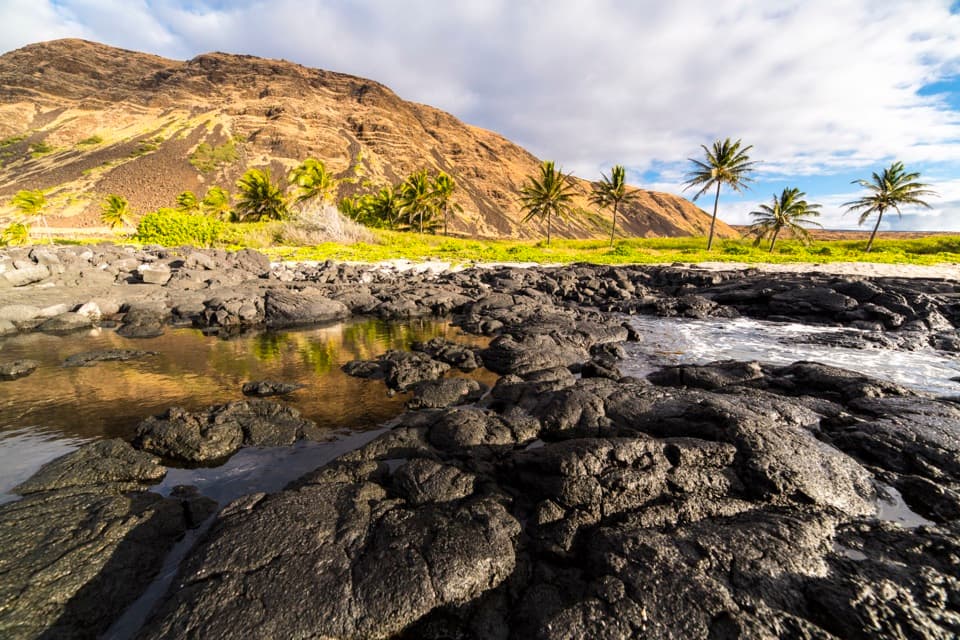
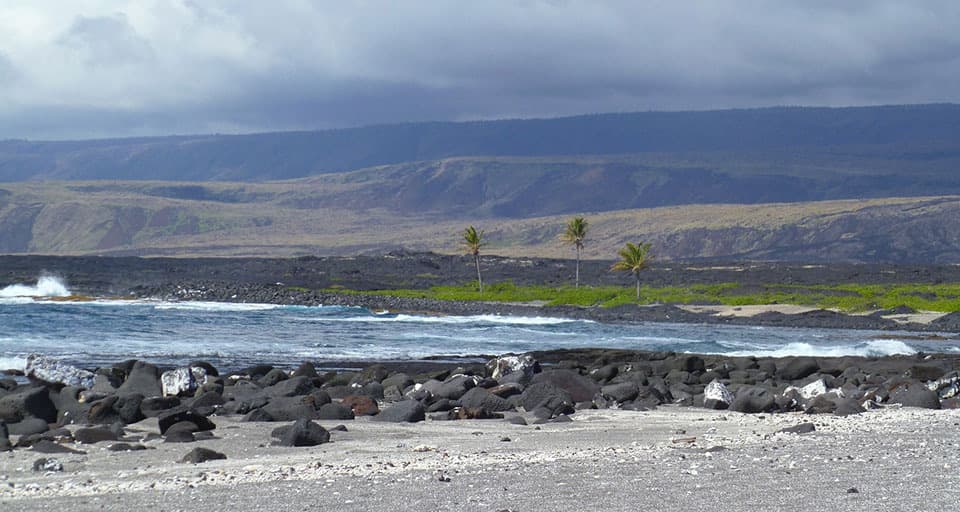
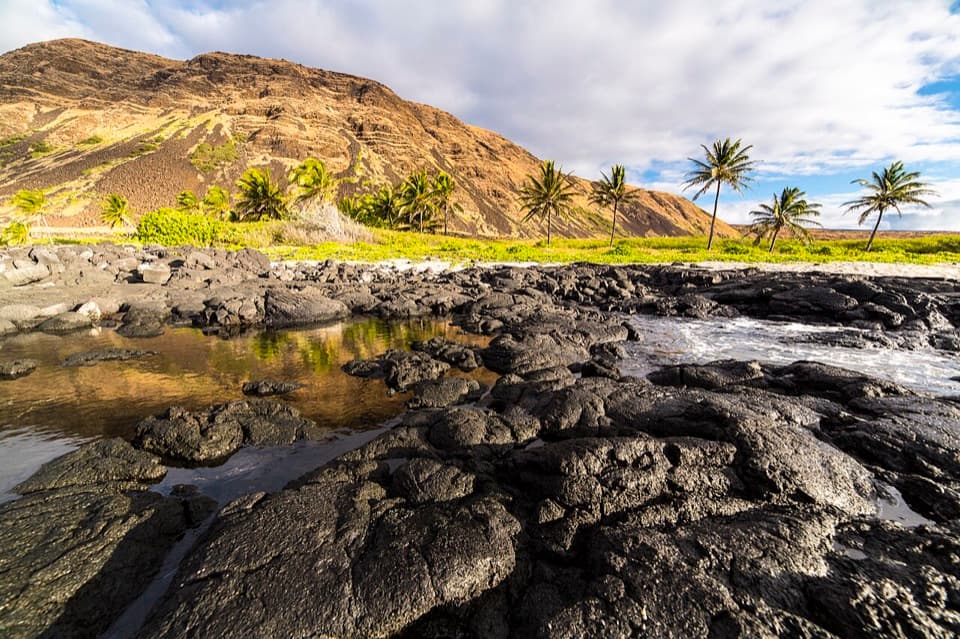
Halapē is the park’s classic backcountry beach camp: an oasis of sand, cool ocean water, and coconut palms tucked along the remote southern coast. Getting here is half the story—long miles over stark lava and a big descent from the uplands—then you drop into a palm-dotted shoreline with calm pools and turquoise water. It’s rugged, beautiful, and blissfully isolated.
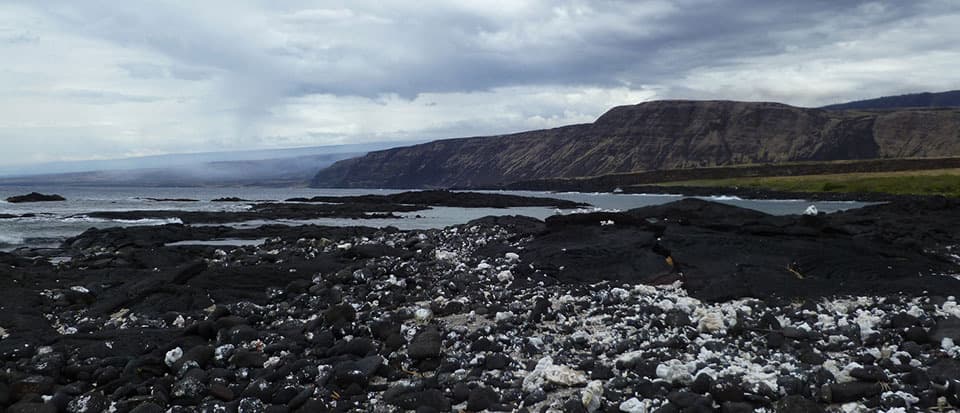
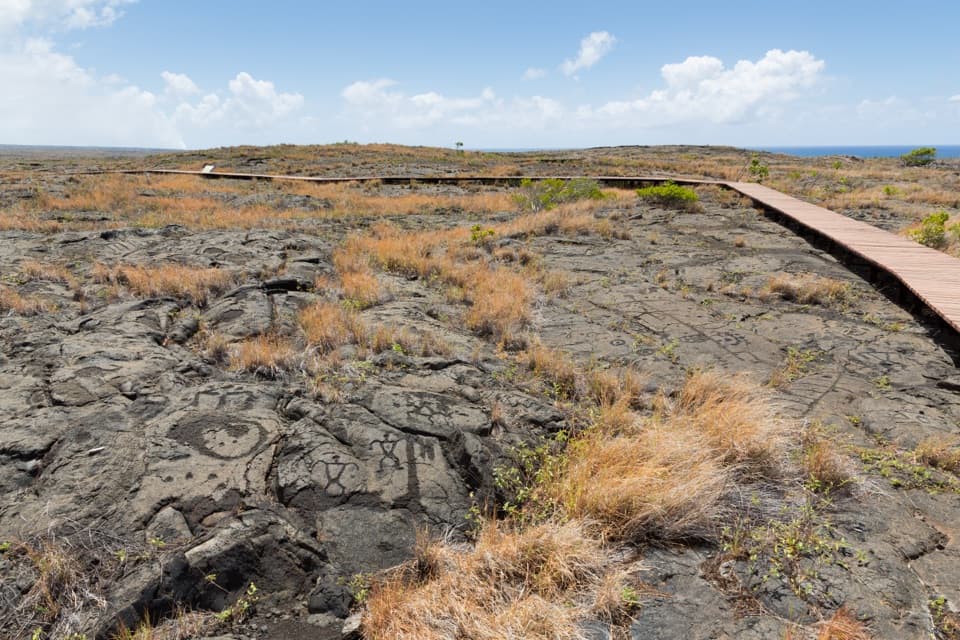
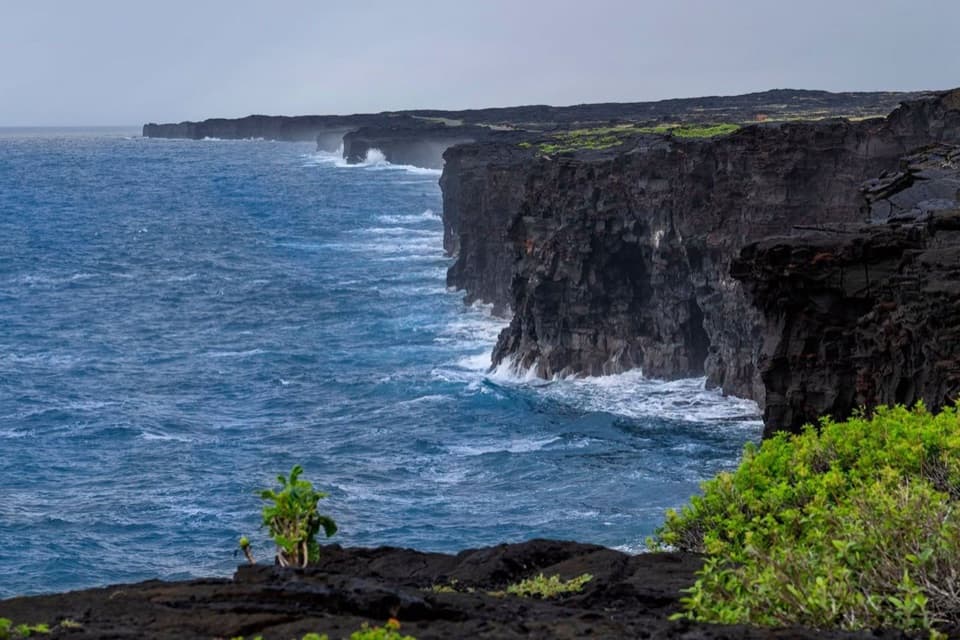
Reaching Halapē is a serious undertaking. Hikers commonly descend roughly 7.7 miles and about 2,680 feet from the Mau Loa o Mauna Ulu area, or come in from Hilina Pali—either way, expect a strenuous out-and-back with major elevation change and no shade for long stretches. The route crosses recent lava flows and the Hilina Fault escarpments; footing can be sharp, loose, and hot. Some sections can be faint or overgrown, so solid navigation skills are important.
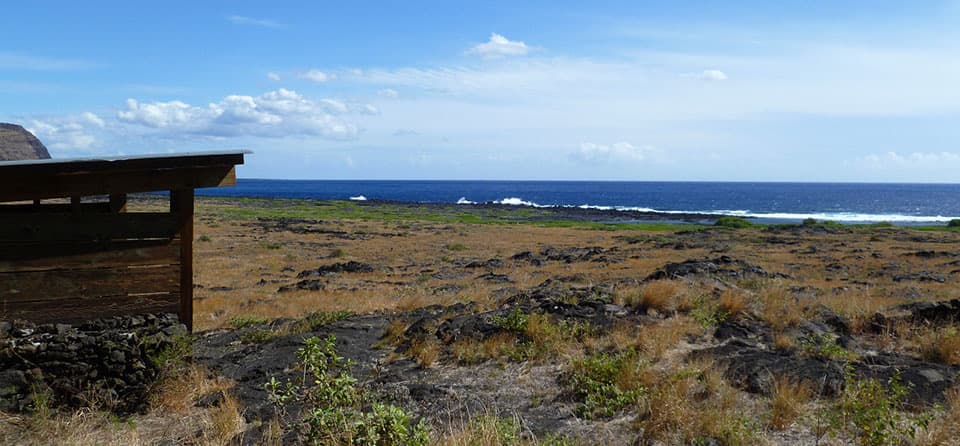
The approach serves up big views toward Mauna Loa and a moonscape of black lava, with native ʻōhelo berries appearing near the uplands. Down at Halapē, the vibe flips to palm trees, sandy pockets, and anchialine tide pools. The protected swimming holes are clear and often full of fish and coral—many hikers call this the reward after a tough descent.
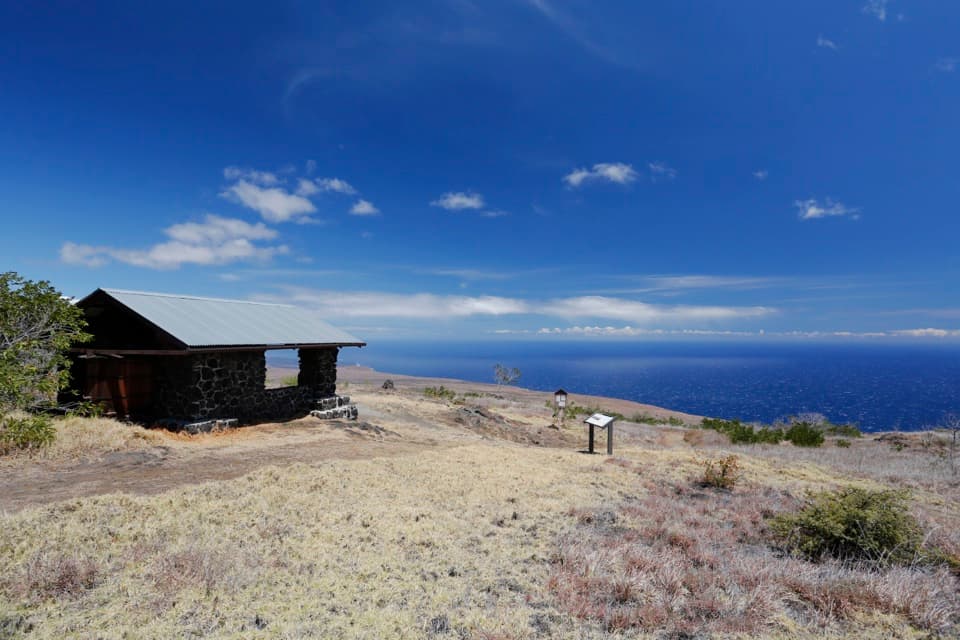
Halapē is a designated backcountry campground and a favorite of hearty wilderness hikers. Overnight use requires a backcountry camping permit. Facilities are primitive: a composting toilet is available, and there’s a three-sided shelter for shade. Plan to pack in all your food and gear; there are no services.
Water here is the crux. Roof catchment may exist but is not reliable, and any water must be treated. Check current water status with rangers before committing, and carry what you need. The hike is fully exposed—sun protection is mandatory—and the climb back out is a grind. Given the isolation, you should be self-sufficient and prepared for emergencies.
Few places deliver such a dramatic transition: miles of raw volcanic terrain that suddenly give way to palms, sand, and tranquil pools. If you’re prepared, Halapē feels like your own private coastline.
Start at dawn to beat the heat on both the descent and the return climb. Weekdays often feel even quieter, and early/late light makes the coast especially photogenic while avoiding the harsh midday sun.