Overview
In the heart of the Kaʻū Desert, the Footprints Area preserves human footsteps left in soft volcanic ash during explosive activity of Kīlauea—most notably in 1790. It’s a stark, otherworldly stop where history and geology literally intersect underfoot.
What You’ll See
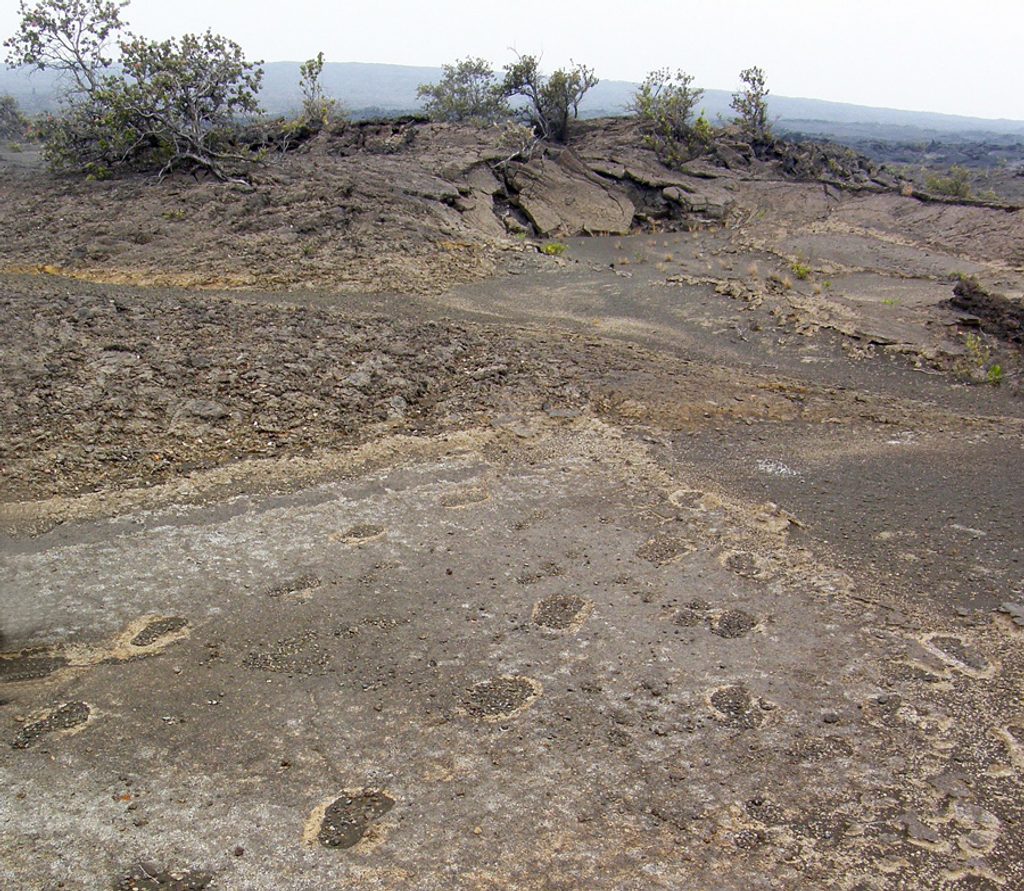
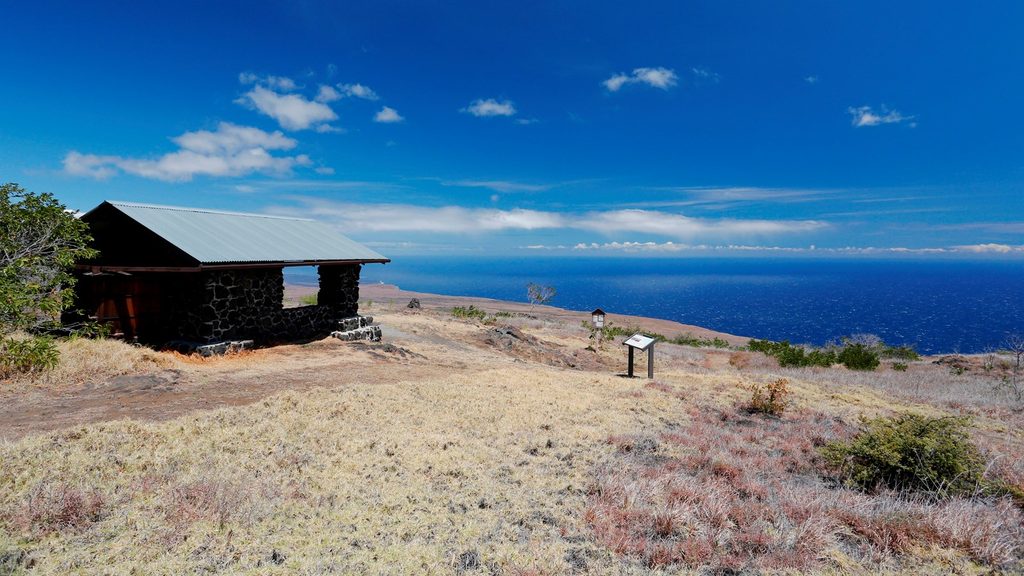
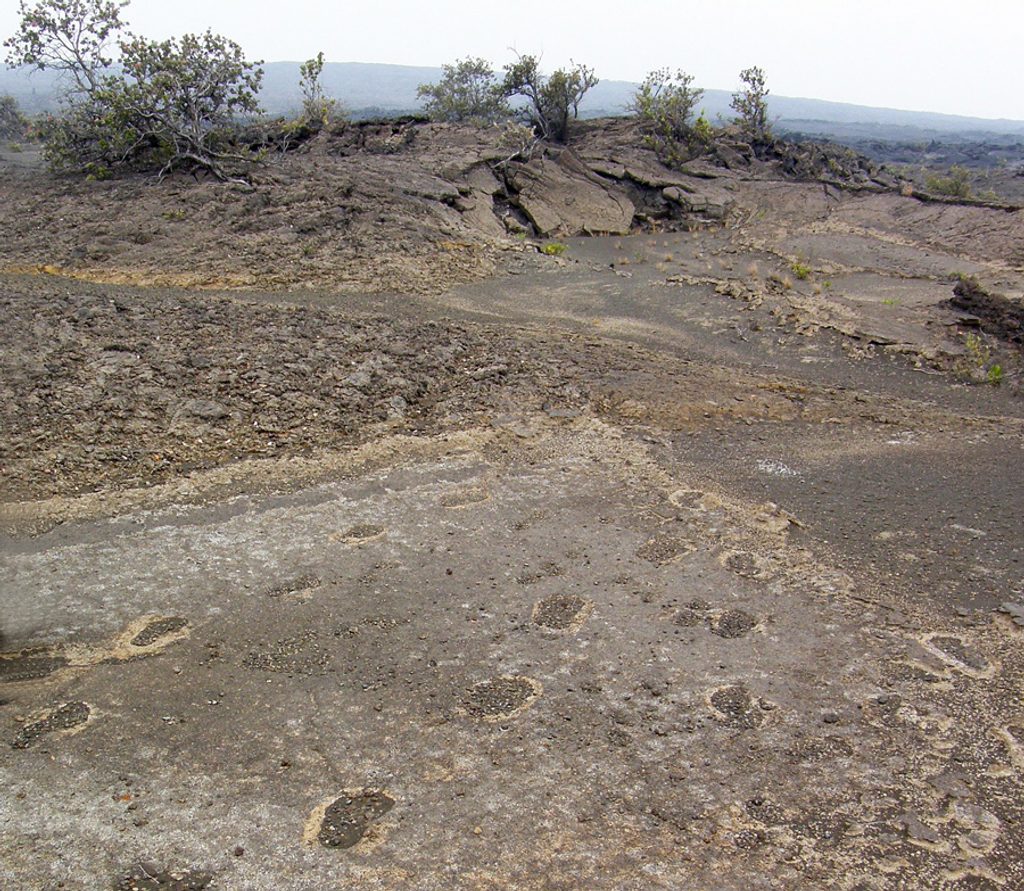
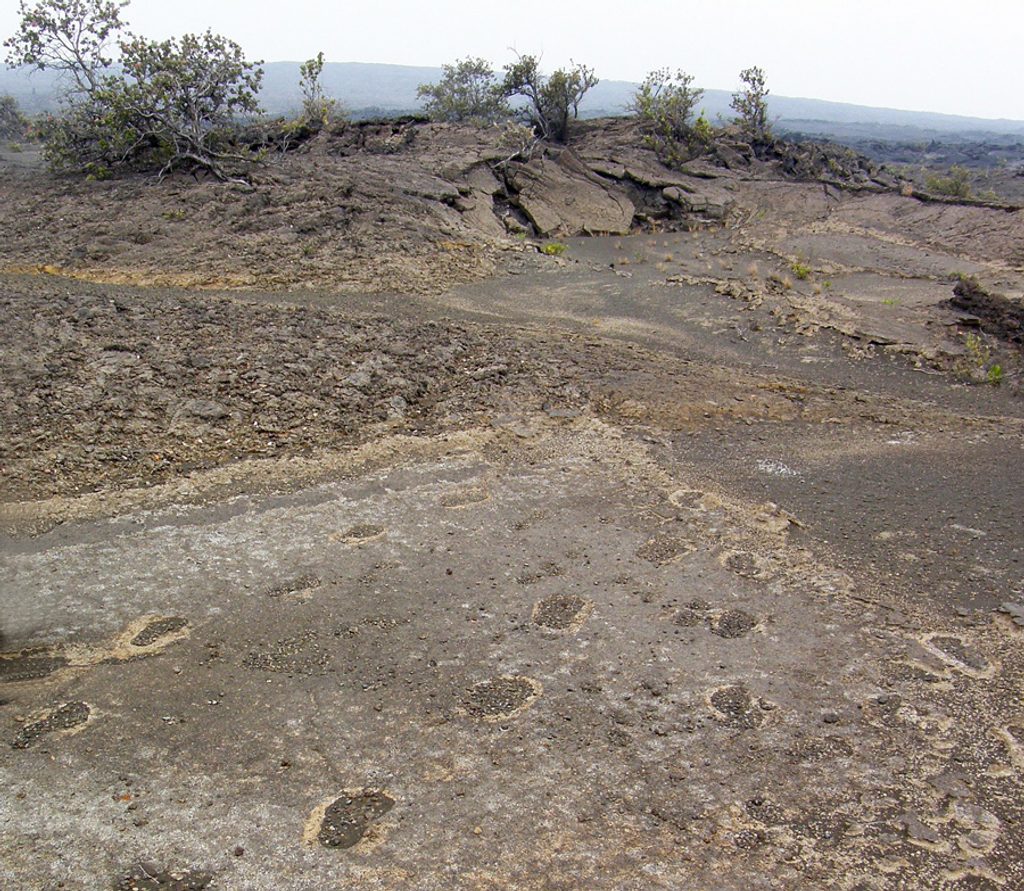
- A protective shelter and nearby ash layers where preserved footprints—some with distinct toes and varying sizes—are visible. Visibility changes as sands shift, so the best impressions aren’t always the ones under the shelter.
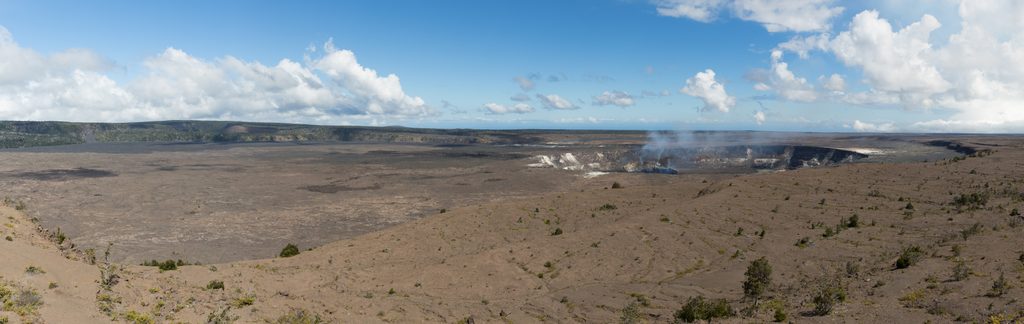
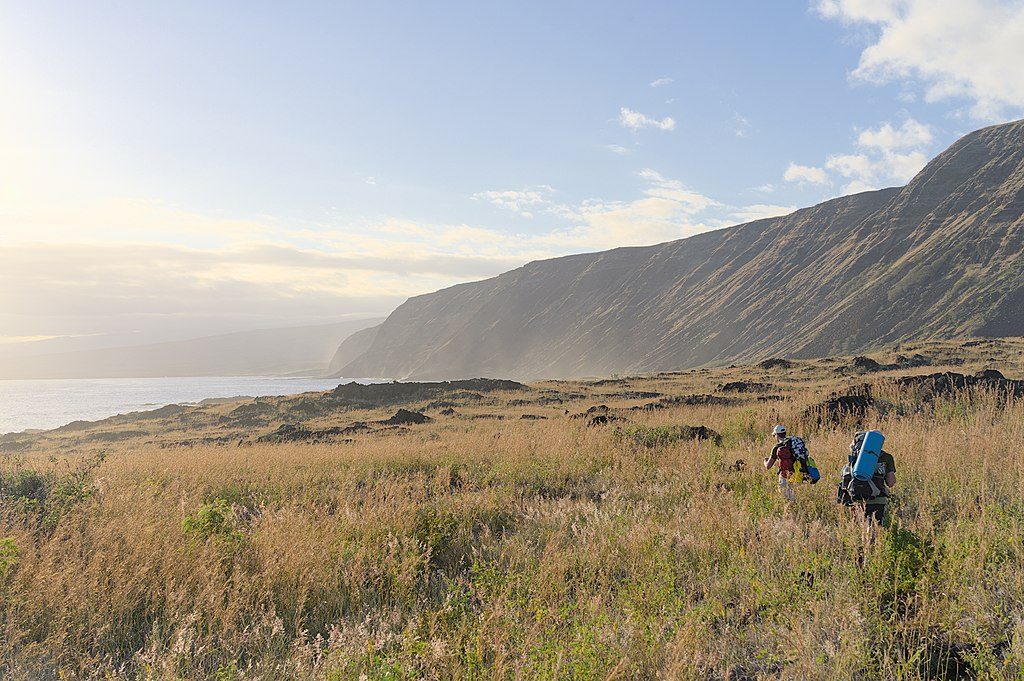
- A vast, barren ash-and-lava landscape that drives home the power of Kīlauea and the harshness of the Kaʻū Desert.
Getting There & Route Options
- Easiest access is from the Kaʻū Desert Trailhead on Highway 11; it’s roughly 0.8–0.84 mile one way to the Footprints shelter on mostly easy terrain.
- You can also reach the area via the Maunaiki Trailhead on Hilina Pali Road, with sections that are more moderate. Trails in this network connect with the Kaʻū Desert and Mauna Iki routes if you want to extend the hike.
History & Geology
- The footprints were made when people traversed ash laid down by Kīlauea’s explosive events, especially in 1790. Rain briefly turned fresh ash into a clay-like surface that captured impressions before hardening.
- The shelter (an interpretive site with exhibits) highlights the story and protects a portion of the footprint layer; additional prints sometimes appear nearby as sands shift.
Conditions, Safety, and Etiquette
- Expect uneven footing and occasional deep sand. The area is fully exposed with little to no shade and no water.
- Check for closures or air-quality alerts tied to volcanic activity before you go.
- The ash layers are fragile—do not step on them. Respect signs and roped areas to protect the prints.
Wildlife
- This is a sparse desert environment. You may notice hardy insects or the occasional bird, but wildlife sightings are limited.
Best Time to Visit
- Go when weather is stable and the park reports favorable air quality. Wind and shifting sands can cover or reveal prints, so what’s visible varies from day to day.
What to Bring
- Sturdy footwear, plenty of water, sun protection (hat, sunscreen), and a light rain layer—conditions can change quickly at elevation.