Place · 3.6 mi away

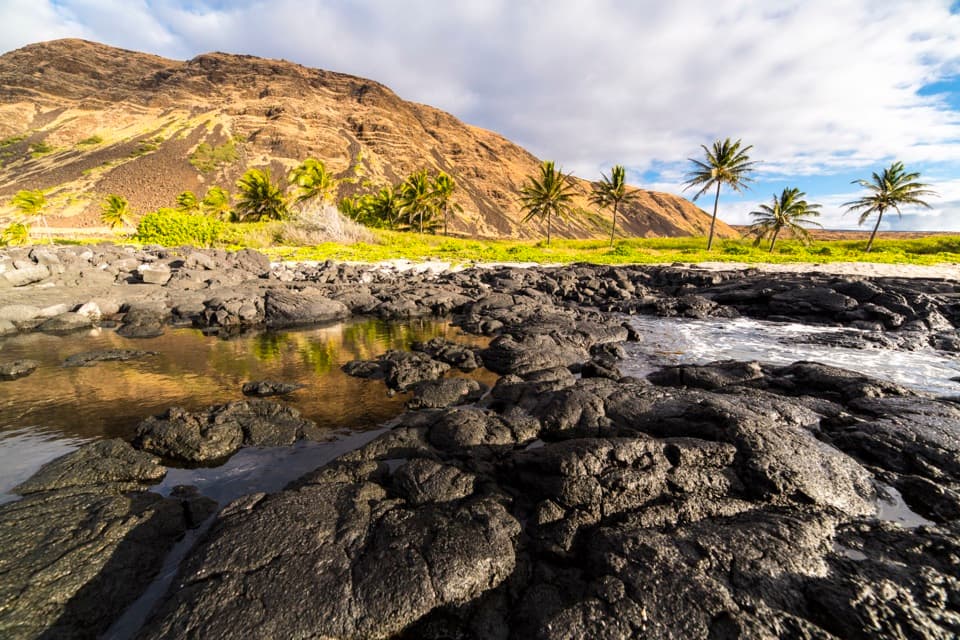
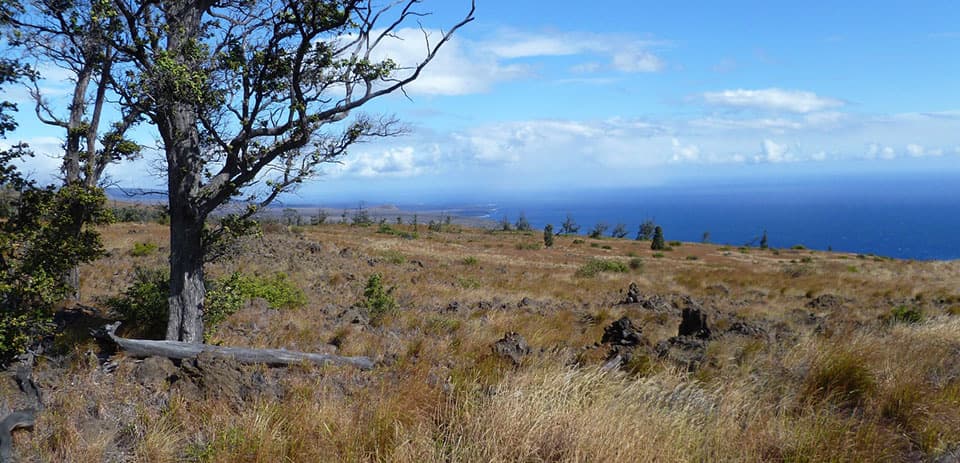
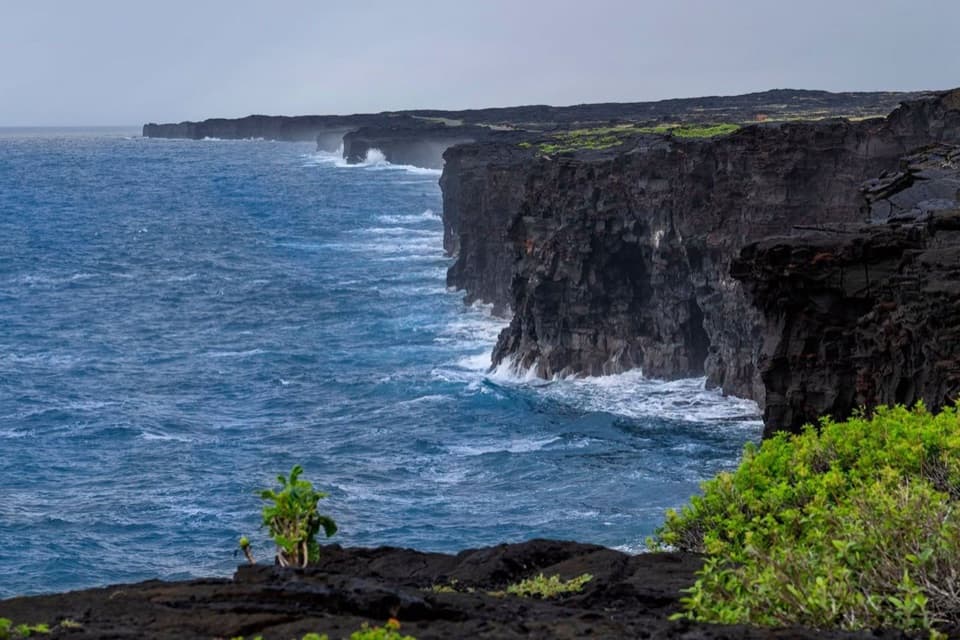
At the very end of Hilina Pali Road, this cliff‑edge perch drops more than 2,200 feet to the coastal plain. You’re looking across the arid Kaʻu Desert, ancient lava flows, and out to a huge sweep of Pacific—often with hardly another soul around. If you like big views and quiet, it’s a gem.
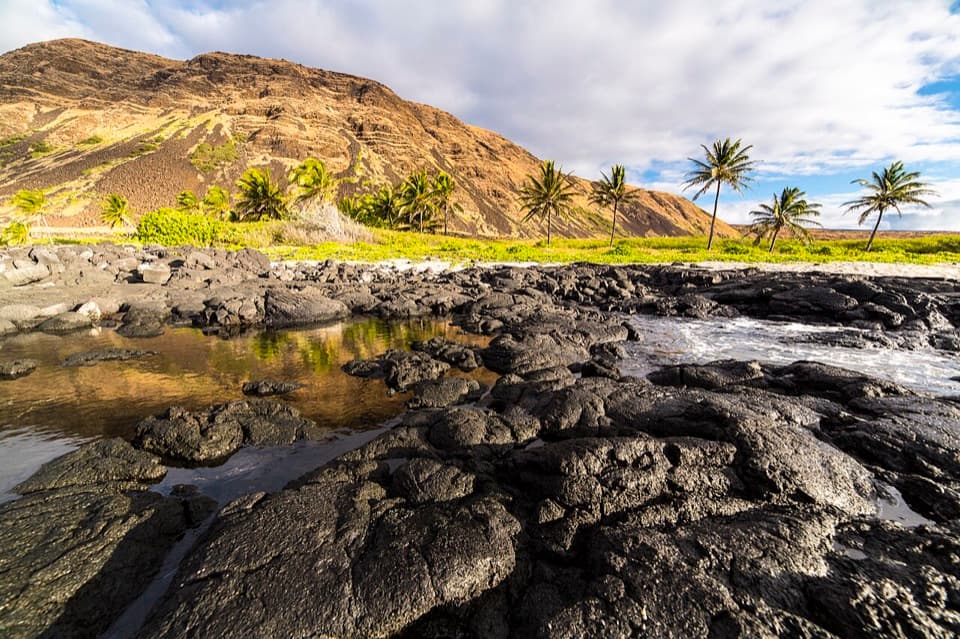
Hilina Pali feels remote, with wide‑open horizons by day and notably dark skies at night. It’s also a window into the park’s restless geology: you’re above the Hilina Slump and near the Koaʻe fault system—earth that’s literally on the move. A powerful 7.2 quake in 1975 dropped parts of this coastline and sent a tsunami ashore.
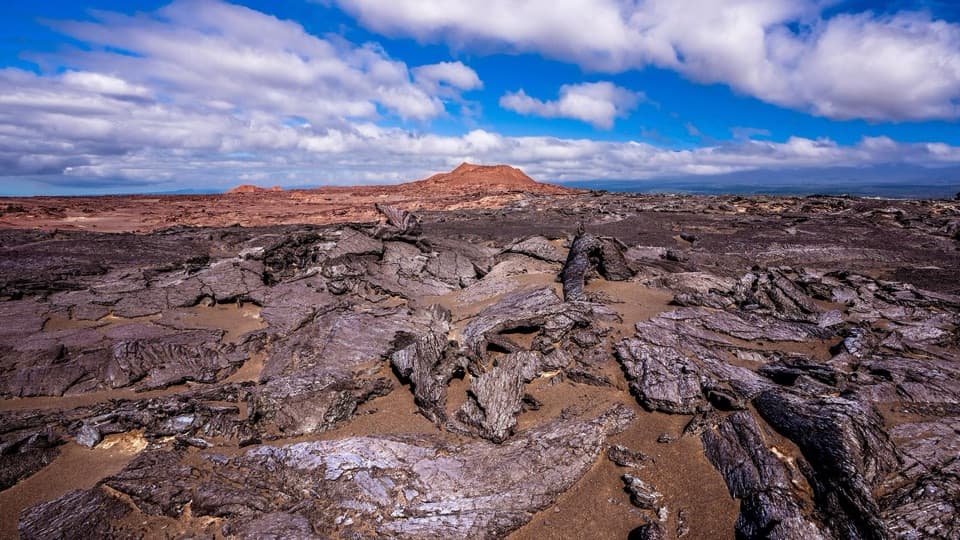
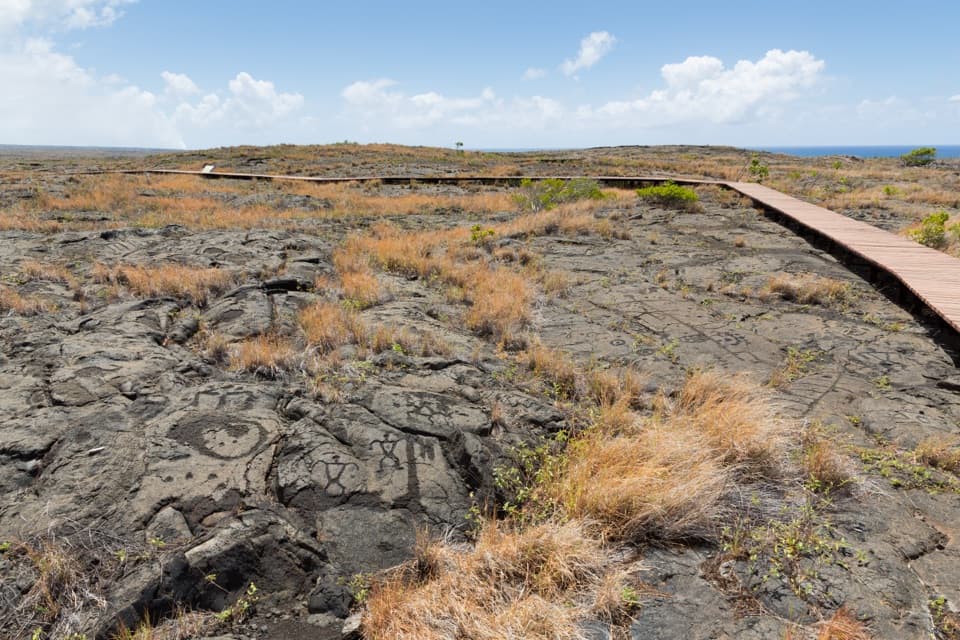
It’s about nine miles down a paved, narrow, mostly one‑lane road. Expect 20–30 minutes of careful driving with blind turns. The approach passes lava textures and shifting vegetation before the road dead‑ends at the overlook.
This is a launch point for serious hikes. Trails descend steep switchbacks off the pali to Kaʻaha (about 4 miles and ~2,200 feet down) and farther to other backcountry camps. The climb back is strenuous; bring plenty of water and plan conservatively. Permits are required for overnight trips.
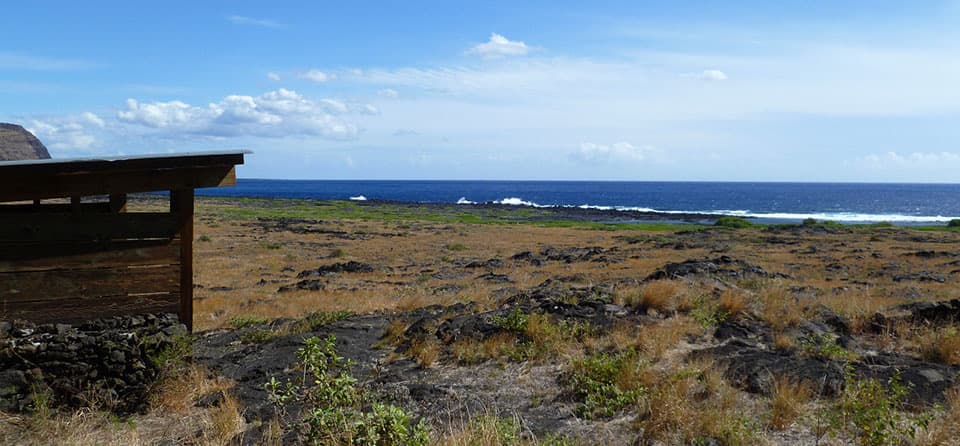
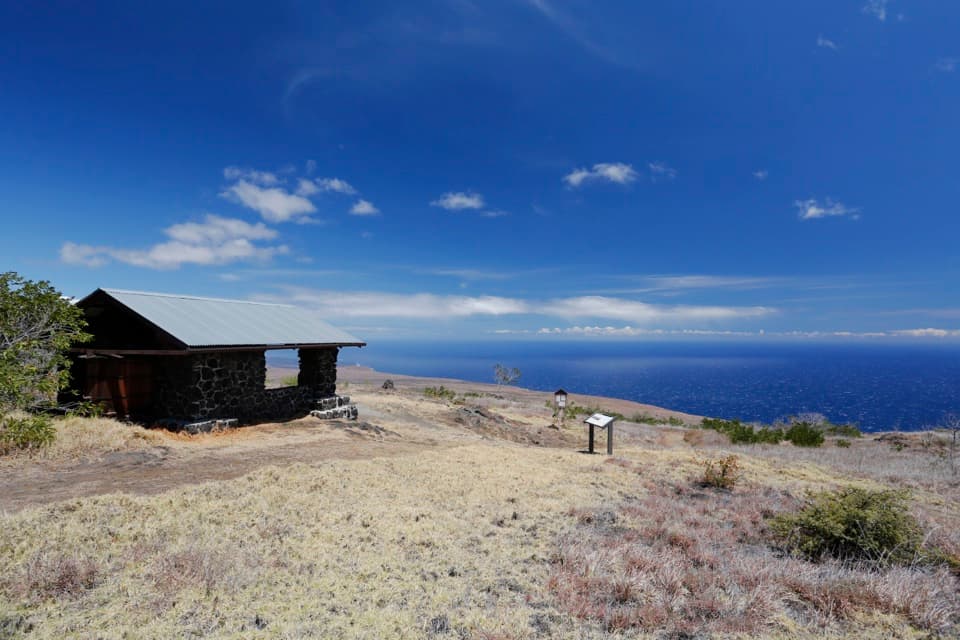
Minimal but useful: a small parking area, picnic tables (including a rustic, roofed shelter), and a vault toilet. No water, food, or store—pack in everything and pack out your trash.
You’re in nēnē country. Drive slowly and keep an eye out for these endangered geese along the road.
Weekdays are typically quieter. The overlook is open around the clock, but the road can feel slow—build that into your plan.
If you’re short on time or hate narrow roads, you might skip it. But for travelers who value space, silence, and geology you can feel underfoot, Hilina Pali is a rewarding detour.