
Overview
About Cantwell Cliffs
Why stop
- Lookout Point frames the cliff and rock shelter from above.
- CCC Camp Logan’s history is unusually tied to the site itself.
Heads up
- Steep stairs, uneven footing and exposed edges make the hike demanding.
Map
Where it is
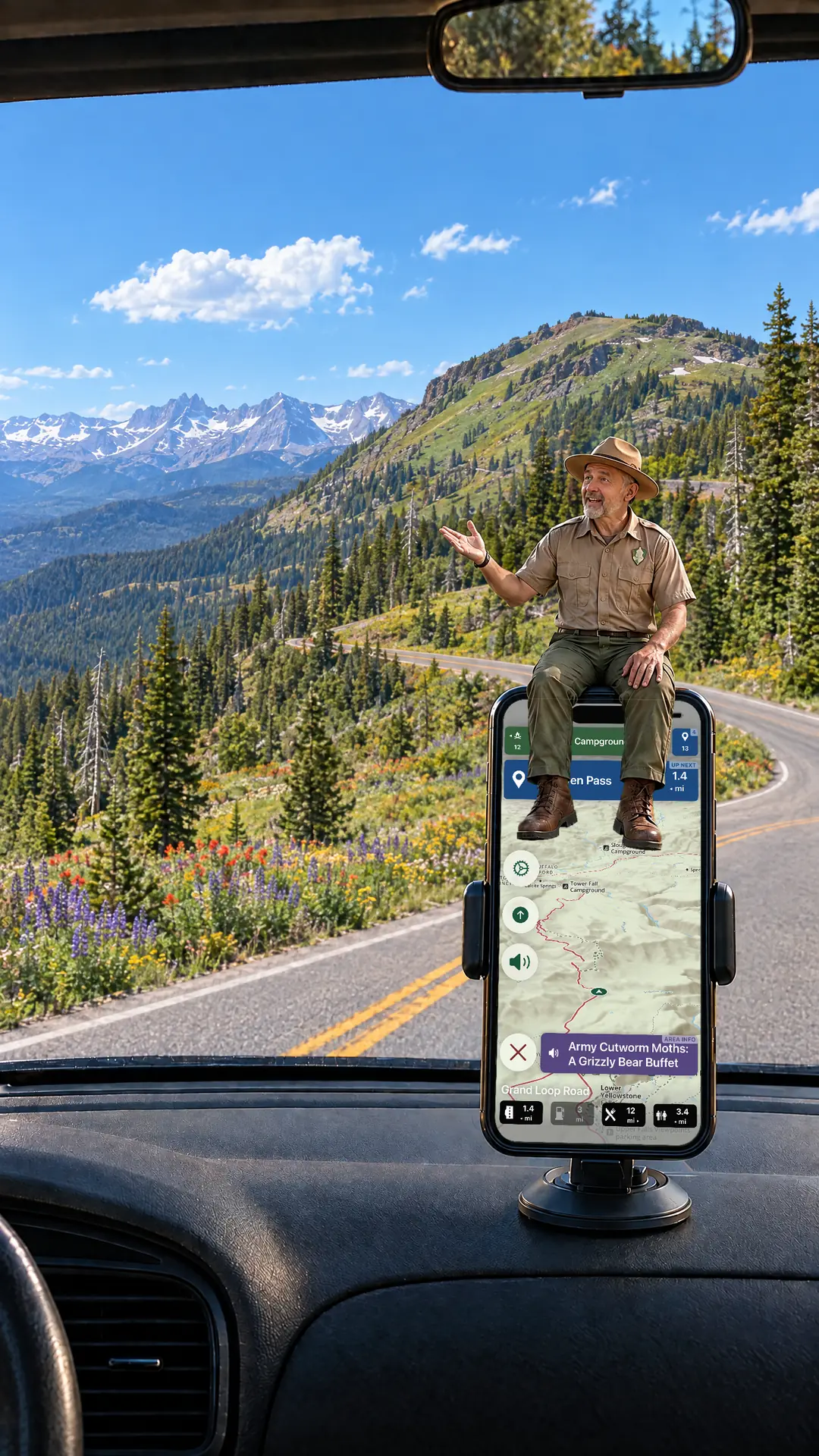
The highest, rockiest slopes around here are a summer buffet for grizzly bears.
Hocking Hills Tour Guide
Your drive to Cantwell Cliffs, narrated.
Parkwolf is a GPS audio tour guide for Hocking Hills State Park. As you drive, it chimes in with what’s ahead: hidden gems, upcoming stops, history, geology, and wildlife, right through your car’s speakers.
Recorded for this place
Cantwell Cliffs“Cantwell Cliffs is coming up, with a narrow sandstone passage called the Squeeze and a rugged gorge below. Allow an hour or more for the lower gorge loop, with steep stairs, rough rock and exposed edges.”
Plays as you drive up to Cantwell Cliffs in the Parkwolf Hocking Hills Tour Guide.
More stories near here in the app
- Pines over Old Fields
- Pieces of a Cliff
- A Ballroom by the Cave
- Hocking State Forest Horse Campground Turnoff
- 22 audio storiesacross Hocking Hills’s roads, triggered by GPS as you drive
- Wildlife heatmapsfor White-tailed Deer, Snapping Turtle, Chipmunk, and 9 more
- Works offlinemaps, 18 trails, 29 places, and audio download before you lose signal
- CarPlay readysimple controls built for the drive
“Fantastic app with many points of information… It’s great to just turn on while you’re driving and it gives you an audio tour of the national Park. We love it!!!!”


Guide
More about Cantwell Cliffs
A tougher look at the cliffsCantwell Cliffs is a sandstone gorge and cliff area at the north end of Hocking Hills, reached…
Cantwell Cliffs is a sandstone gorge and cliff area at the north end of Hocking Hills, reached from OH-374. A lower route winds between huge fallen blocks to a rock shelter; a separate rim trail climbs above the gorge to a view back into it. Come for the close, enclosed sandstone passages and the contrast from the top. If you want an easy stroll, choose somewhere else: steep stairs, uneven rock and exposed edges make this a demanding stop.
Choose your routeThe full trail system is listed at 2 difficult miles, though route descriptions also break out…
The full trail system is listed at 2 difficult miles, though route descriptions also break out a 1.1-mile upper rim loop and a short lower gorge route. The total depends on which sections you connect. Give yourself 60 to 90 minutes if you want to see both levels and stop at the overlook. The rim has lots of steps; roots, rough stone and exposed cliff edges call for steady footing. This isn't suitable for wheelchairs or strollers.
Fat Woman’s SqueezeThe narrow passage called Fat Woman’s Squeeze is pinched between large blocks that slumped away…
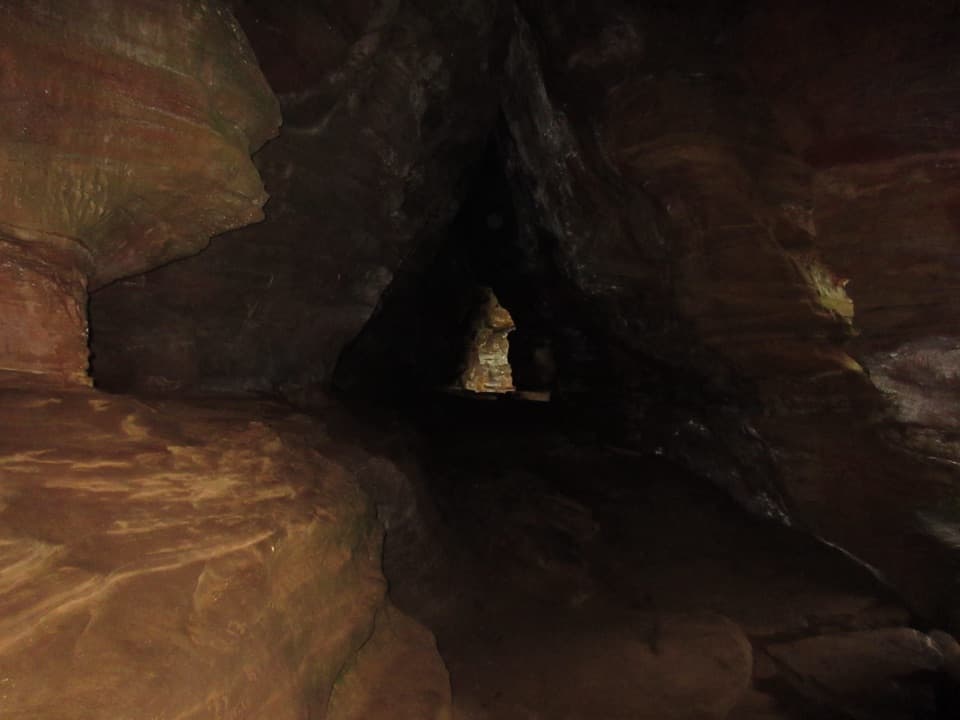
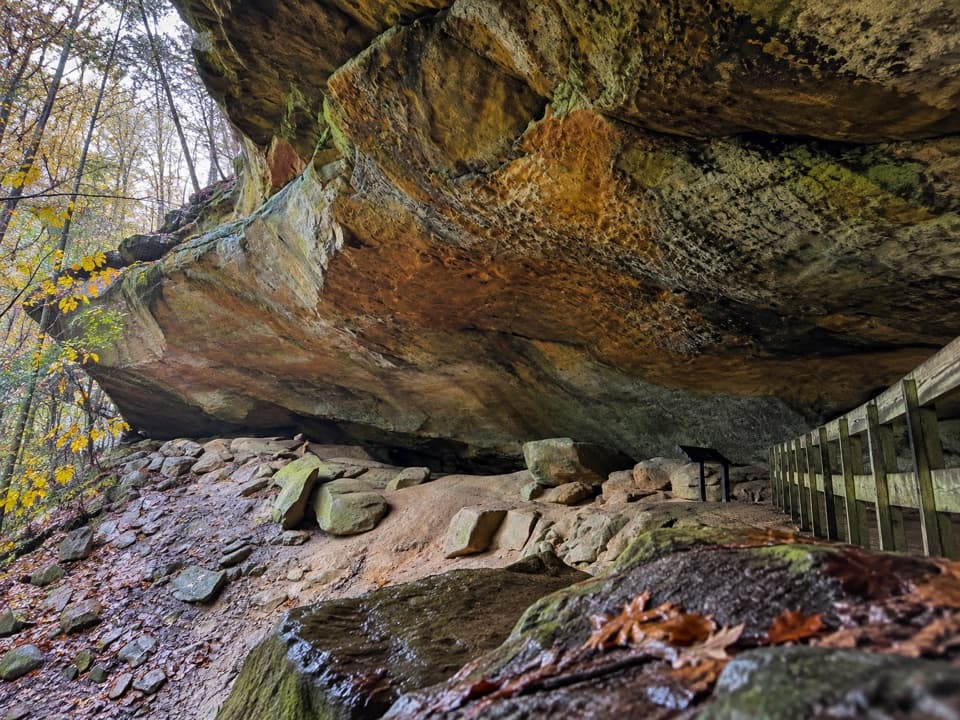
The narrow passage called Fat Woman’s Squeeze is pinched between large blocks that slumped away from the main cliff. The valley route also reaches a sandstone rock shelter. Pause in the corridor and look up: the walls are separate slabs, close enough to make the passage feel much tighter than the open rim above.
Look back from the rimLookout Point on the east Rim Trail gives a view of the cliff and rock shelter.
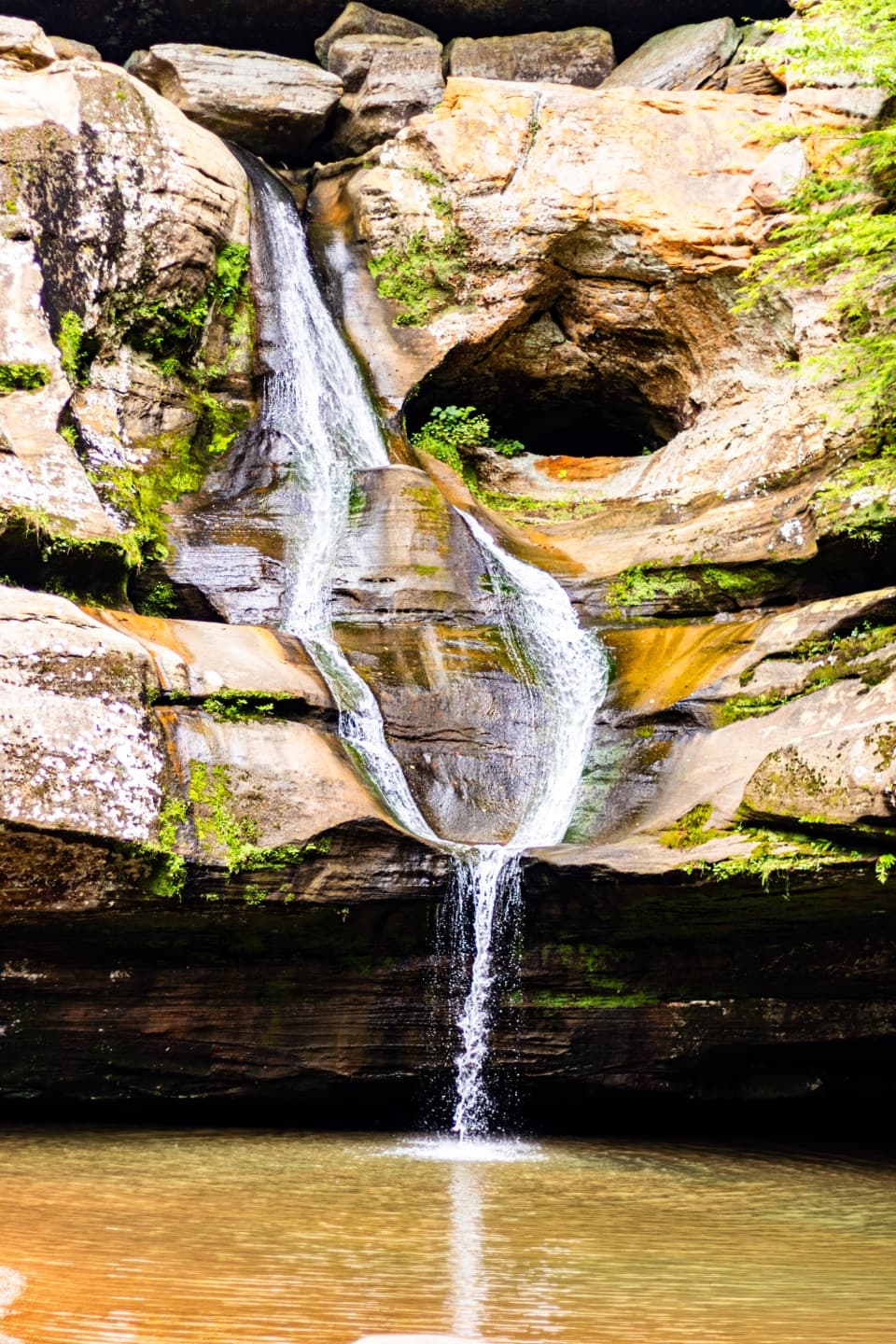
Lookout Point on the east Rim Trail gives a view of the cliff and rock shelter. For a photo, frame the squeeze vertically so its tall walls close around the bright opening. Small falls in the area may be dry when water is low; the rock formations are the sure thing.
A landscape shaped by waterThe cliffs are carved from Black Hand Sandstone deposited more than 350 million years ago.
The cliffs are carved from Black Hand Sandstone deposited more than 350 million years ago. Uplift and stream erosion cut the valley, while the rock’s softer middle layer weathered into the recess shelter. Iron-rich concretions leave dark reddish-brown stains on some cliff faces, and the huge slump blocks now shape the narrow passages.
Camp Logan above the gorgeBlack Camp Logan, CCC Company 526, was established atop Cantwell Cliffs in 1933.
Black Camp Logan, CCC Company 526, was established atop Cantwell Cliffs in 1933. It was a segregated camp for Black workers; the company helped improve Cantwell Cliffs as well as Rock House and Rock Bridge before the camp closed in 1937. That history is tied directly to this part of the park.
Make the stop workThe access road is OH-374 near Rockbridge, about 17 road miles from Old Man’s Cave.
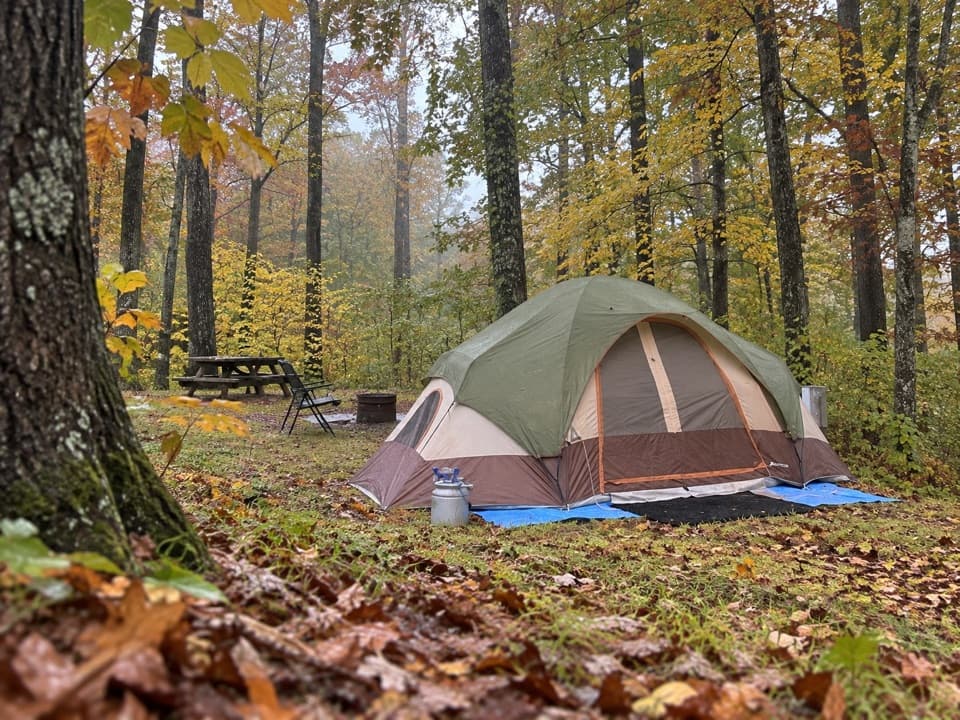
The access road is OH-374 near Rockbridge, about 17 road miles from Old Man’s Cave. The trailhead has parking, picnic tables, grills and latrines, plus a reservable day-use shelter. There’s no on-site food service or potable-water source listed, so plan food and drinking water before you arrive. Pets are allowed on leash.
Wildlife
Wildlife in Hocking Hills
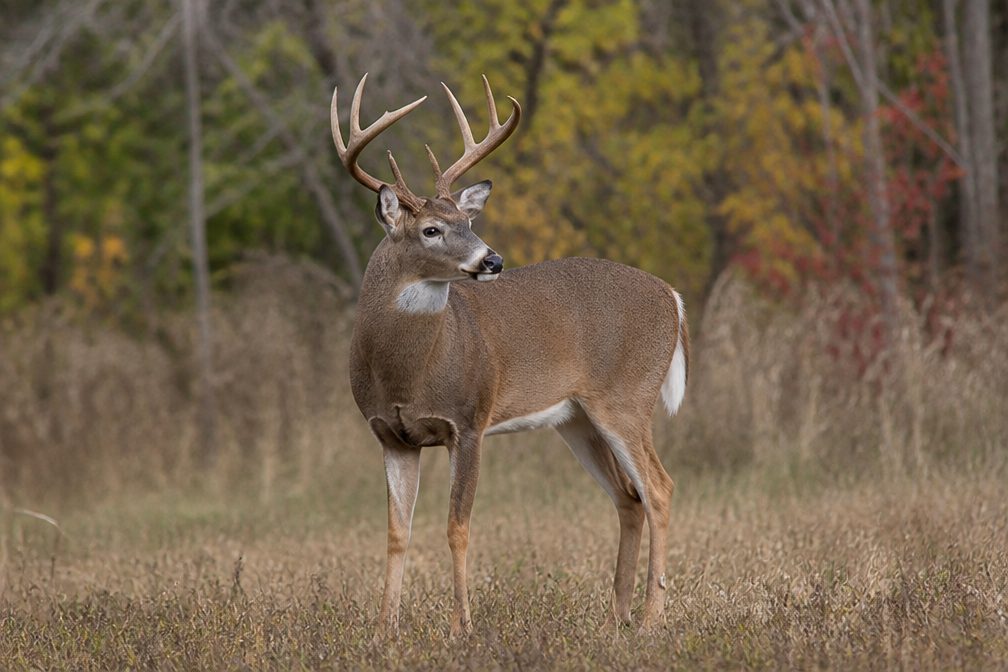 16 sightingsWhite-tailed DeerMost seen around 7 AMSighting map
 87 sightingsSnapping TurtleMost seen around 5 PMSighting map
 14 sightingsChipmunkMost seen around 8 AMSighting map
 19 sightingsGray RatsnakeMost seen around 6 PMSighting map
 47 sightingsWatersnakeMost seen around 10 AMSighting map
 11 sightingsRing-necked SnakeMost seen around 7 PMSighting map
Sighting maps show where each species has been reported across Hocking Hills. Wildlife moves, so no sighting is guaranteed.