Overview
About Rock House
Why stop
- Seven window openings make the interior feel like a natural stone hall.
Heads up
- Uneven rock steps and a steep climb out make the mile-long walk moderate.
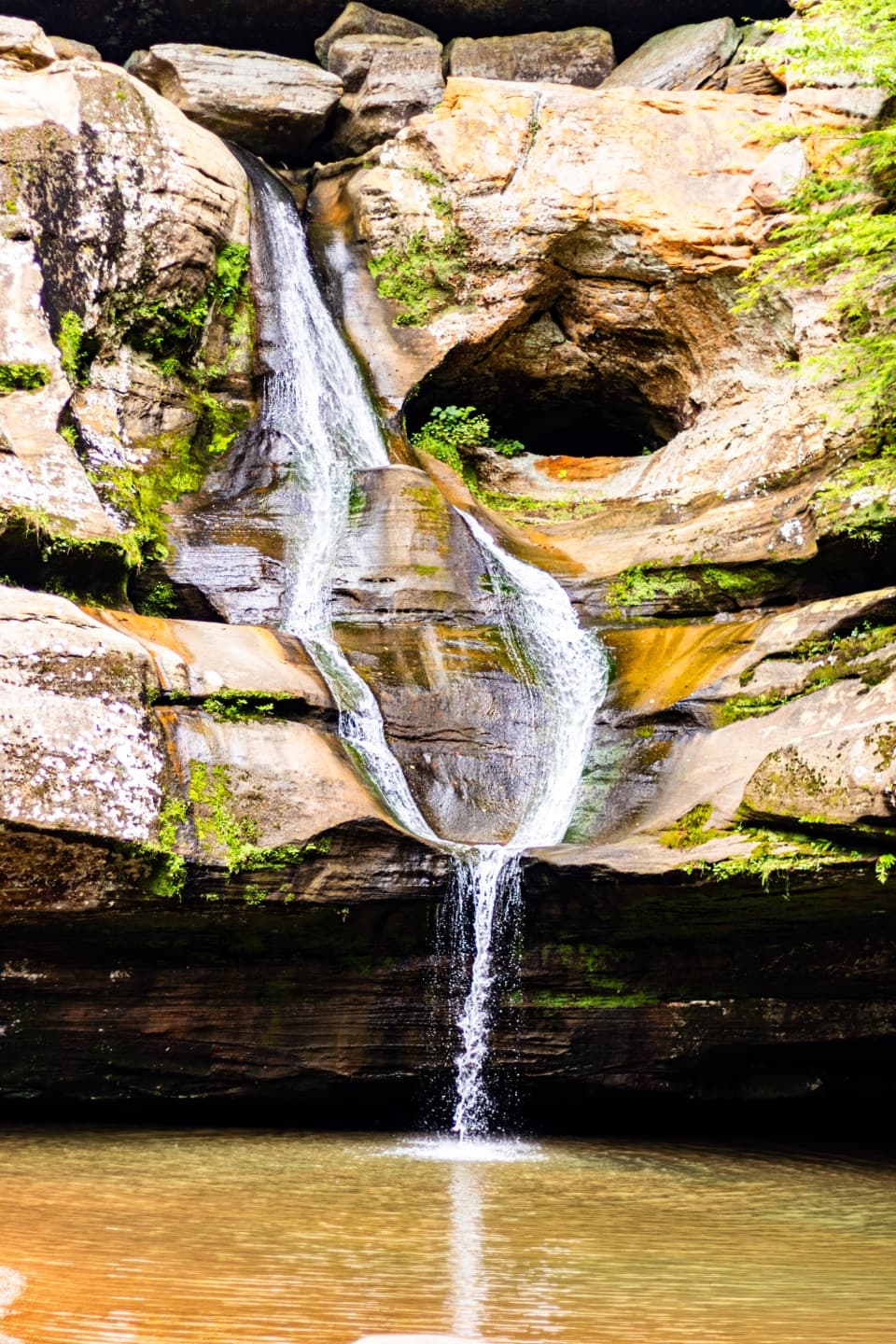
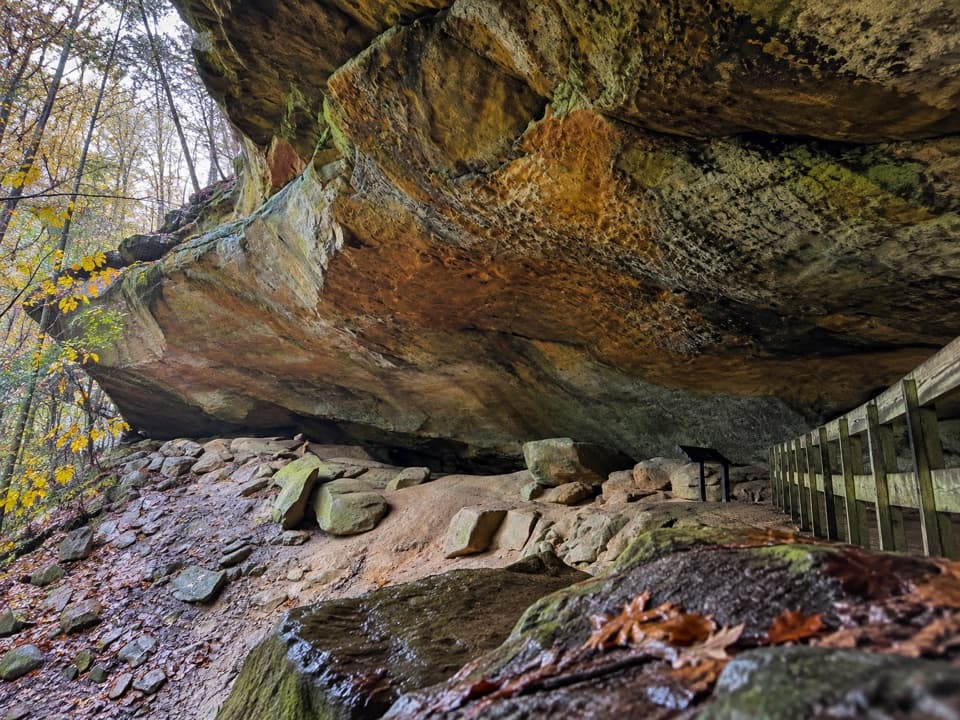
Rock House is a walk-through cavern in a sandstone cliff, with a tunnel-like passage about 200 feet long, 25 feet high and 20 to 30 feet wide. Seven large window openings, divided by thick stone columns, set it apart from the park's other rock shelters. If you want one of Hocking Hills' most unusual rock formations, make time for this one.
 Parkwolf’s verdictWhy this cave belongs on the list
Map
Where it is
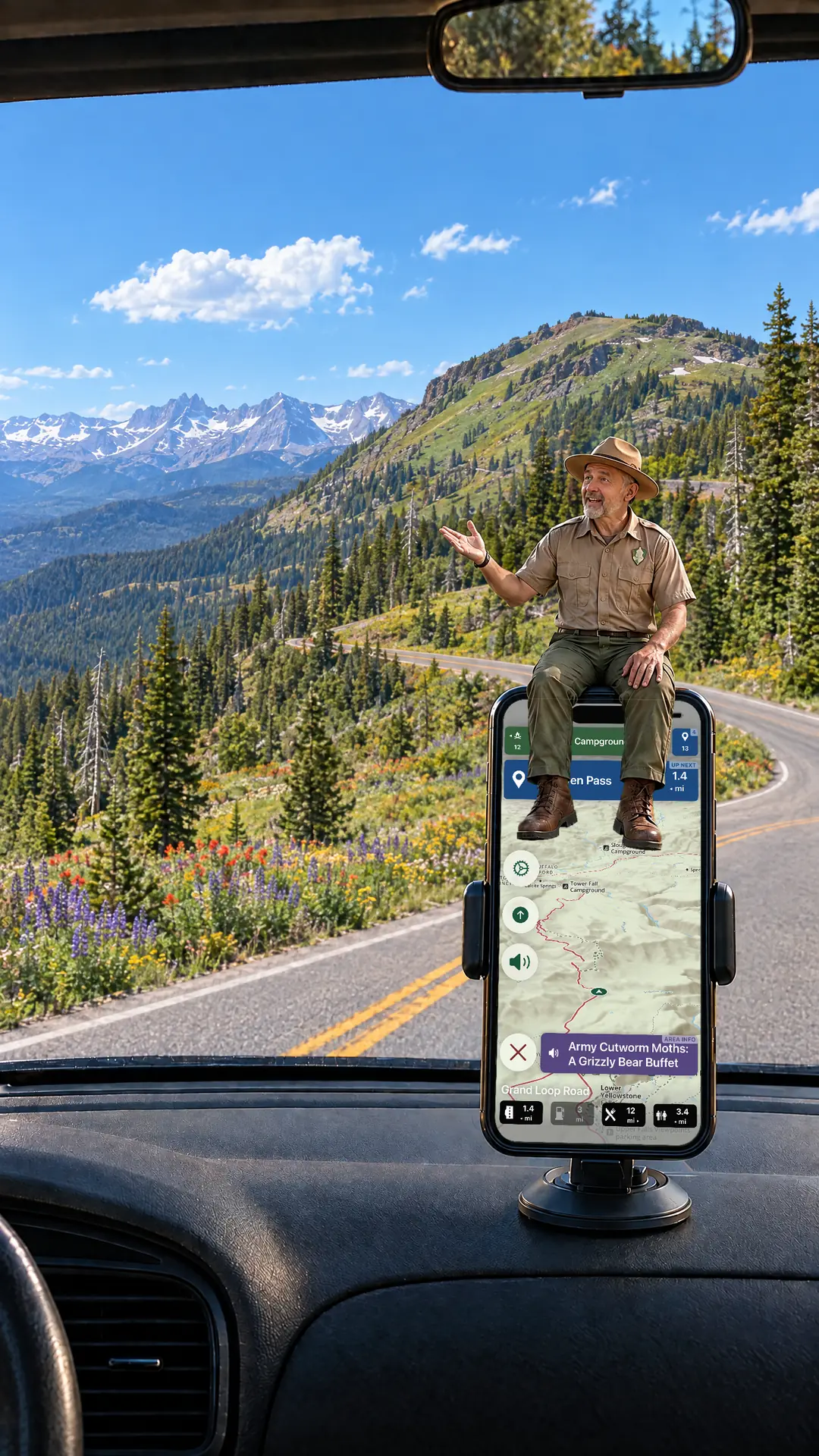
The highest, rockiest slopes around here are a summer buffet for grizzly bears.
Hocking Hills Tour Guide
Your drive to Rock House, narrated.
Parkwolf is a GPS audio tour guide for Hocking Hills State Park. As you drive, it chimes in with what’s ahead: hidden gems, upcoming stops, history, geology, and wildlife, right through your car’s speakers.
Recorded for this place
Rock House“Rock House is ahead, with seven window-like openings into a long sandstone chamber. Allow about an hour for the visit, with stone steps, steep sections and uneven rock inside.”
Plays as you drive up to Rock House in the Parkwolf Hocking Hills Tour Guide.
More stories near here in the app
- A Ballroom by the Cave
- Hocking State Forest Horse Campground Turnoff
- Pieces of a Cliff
- Breathing Through Skin
- 22 audio storiesacross Hocking Hills’s roads, triggered by GPS as you drive
- Wildlife heatmapsfor White-tailed Deer, Snapping Turtle, Chipmunk, and 9 more
- Works offlinemaps, 18 trails, 29 places, and audio download before you lose signal
- CarPlay readysimple controls built for the drive
“Fantastic app with many points of information… It’s great to just turn on while you’re driving and it gives you an audio tour of the national Park. We love it!!!!”


Guide
More about Rock House
Follow the steps to the openingsThe marked walk is about a mile and moderate.
The marked walk is about a mile and moderate. It dips into a wooded cove, then climbs stone steps to the cave's openings and back out. Rock House can blend into the cliff until you're close, so watch for the steps leading up instead of expecting a cave entrance at path level. The stone can be slippery when wet, and the climb out is steep enough that the short distance understates the effort.
Take your time insideThe cavern feels more like a long stone room than a narrow passage.
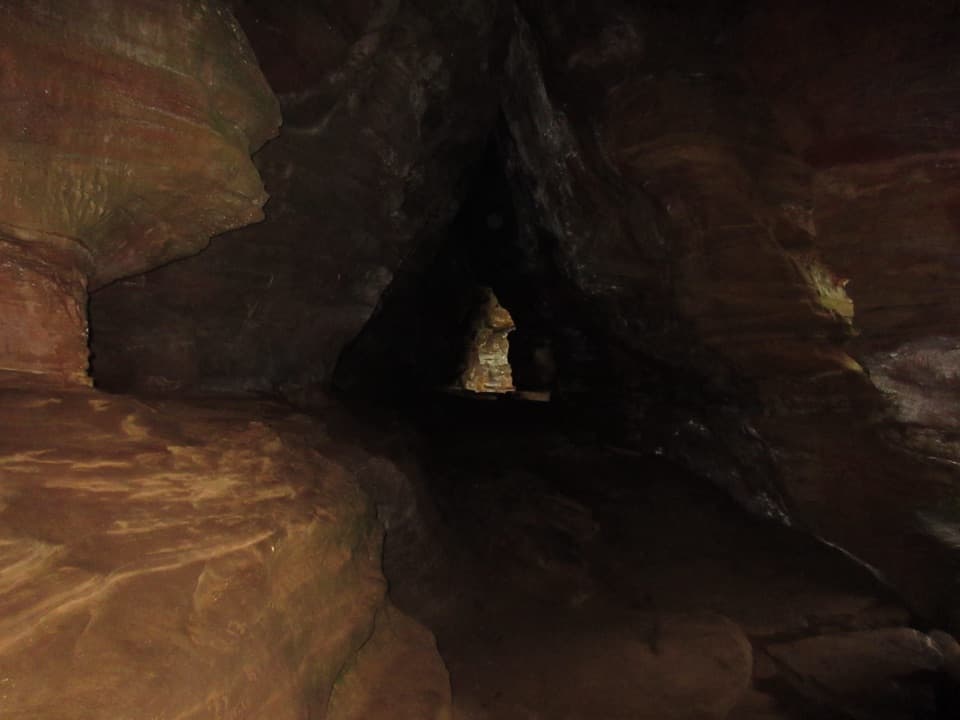
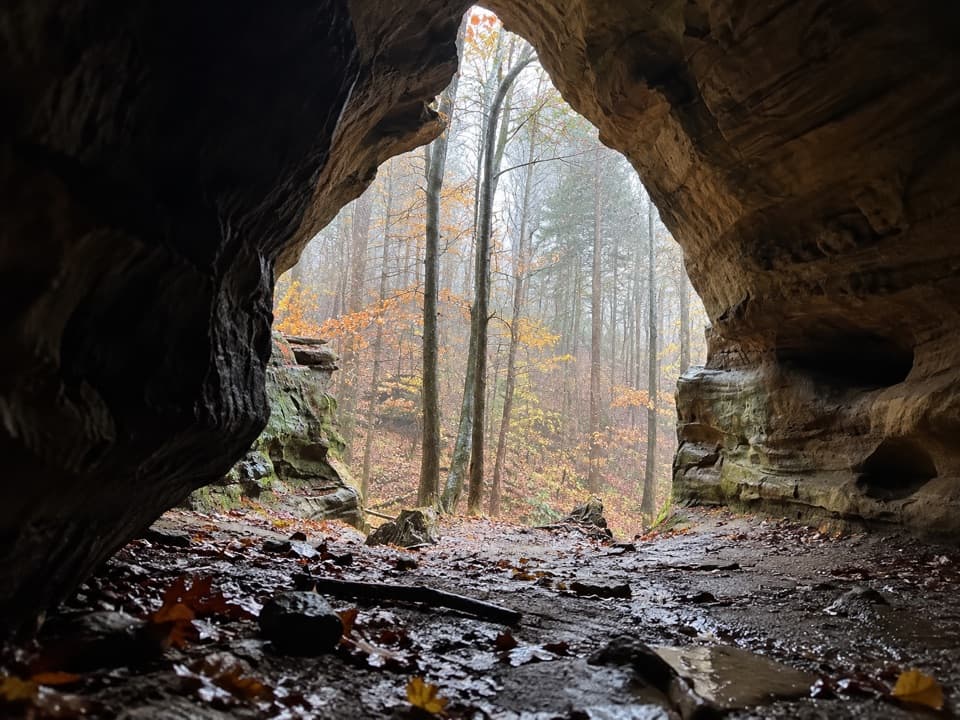
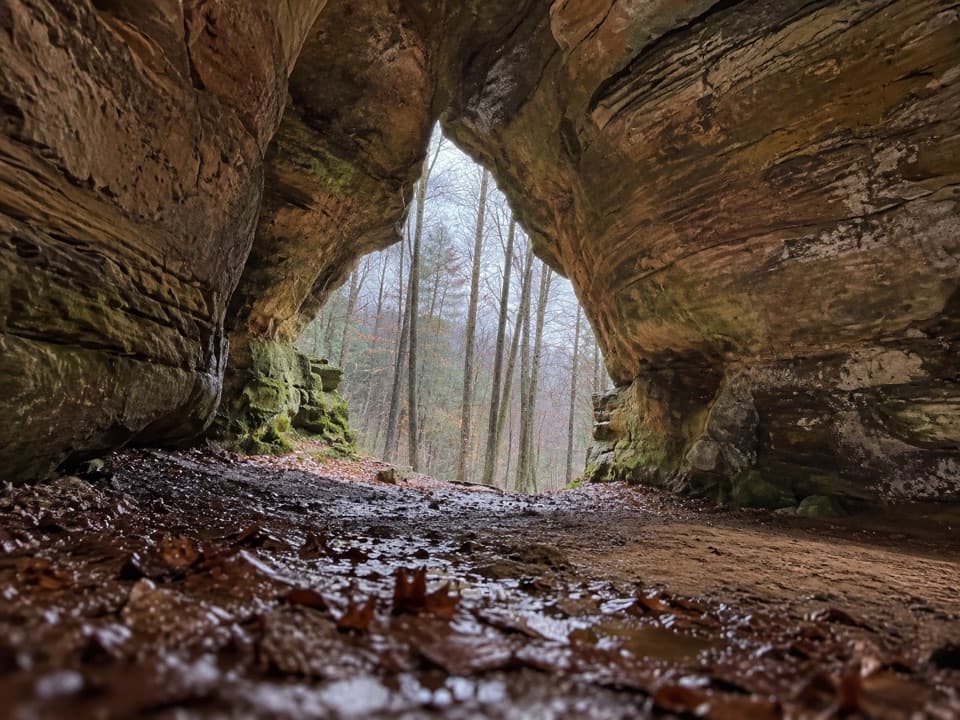
The cavern feels more like a long stone room than a narrow passage. Walk through the windows and look back along the chamber: the columns divide the openings into separate frames, with patches of forest and daylight beyond them. The floor is uneven rock, so slow down where it gets slick and give yourself time to look around rather than rushing straight through.
How the sandstone opened upRock House is in Blackhand sandstone.
Rock House is in Blackhand sandstone. Water working along a horizontal seam helped hollow the chamber, while intersecting cracks widened into its windows. The same layers that make long ledges along the cliff are visible inside the passage, where softer and harder bands weather at different rates.
Signs of Indigenous lifeIndigenous people used the cavern as shelter for thousands of years.
Indigenous people used the cavern as shelter for thousands of years. Small recesses in the walls, later called hominy holes, are believed to have been used as baking ovens; troughs in the floor collected rainwater. They are easy to miss among the stripes and ledges in the sandstone, so look carefully without touching or altering them.
A hotel before the state parkRock House was a tourist destination long before the park was established.
Rock House was a tourist destination long before the park was established. Around 1835, Levi Friend built the nearby Rock House Hotel; Colonel Rempel bought it in 1878. The 16-room hotel had a ballroom and a livery stable. Its main building is gone, though features and plants from the garden remain.
The shelter house on the former hotel site dates to 1934, when Civilian Conservation Corps Company 505 built it. Company 526, an African American CCC unit camped near Cantwell Cliffs, also worked in the area on shelters, trails, tree planting and fire response.
At the trailheadThe picnic area has tables, grills and latrines, and a day-use shelter that can be reserved;…
The picnic area has tables, grills and latrines, and a day-use shelter that can be reserved; when it is not reserved, it is first-come, first-served. Trails and picnic areas are open from half an hour before sunrise until half an hour after sunset. In winter, expect icy trail sections.
Frame a window from insideFor a photo, stand inside one of the openings and include a stone column at the edge of the…
For a photo, stand inside one of the openings and include a stone column at the edge of the frame with trees beyond it. That bit of dark passage makes the cavern feel deeper than a straight shot out toward the bright forest.
Wildlife
Wildlife in Hocking Hills
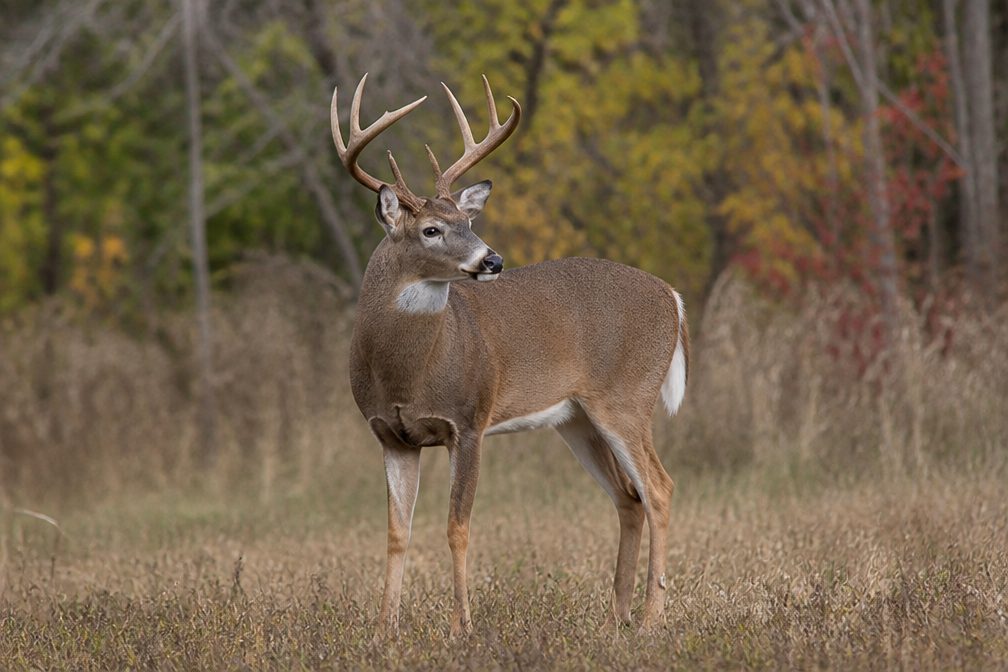 16 sightingsWhite-tailed DeerMost seen around 7 AMSighting map
 87 sightingsSnapping TurtleMost seen around 5 PMSighting map
 14 sightingsChipmunkMost seen around 8 AMSighting map
 19 sightingsGray RatsnakeMost seen around 6 PMSighting map
 47 sightingsWatersnakeMost seen around 10 AMSighting map
 11 sightingsRing-necked SnakeMost seen around 7 PMSighting map
Sighting maps show where each species has been reported across Hocking Hills. Wildlife moves, so no sighting is guaranteed.