Pros & cons
PROS
- Close-up glacier views for minimal effort
- Clear retreat markers and interpretive signs
- Big vistas of the Columbia Icefield and peaks
CONS
- Often crowded at midday in summer
- No walking on the ice unless on a guided tour
Overview
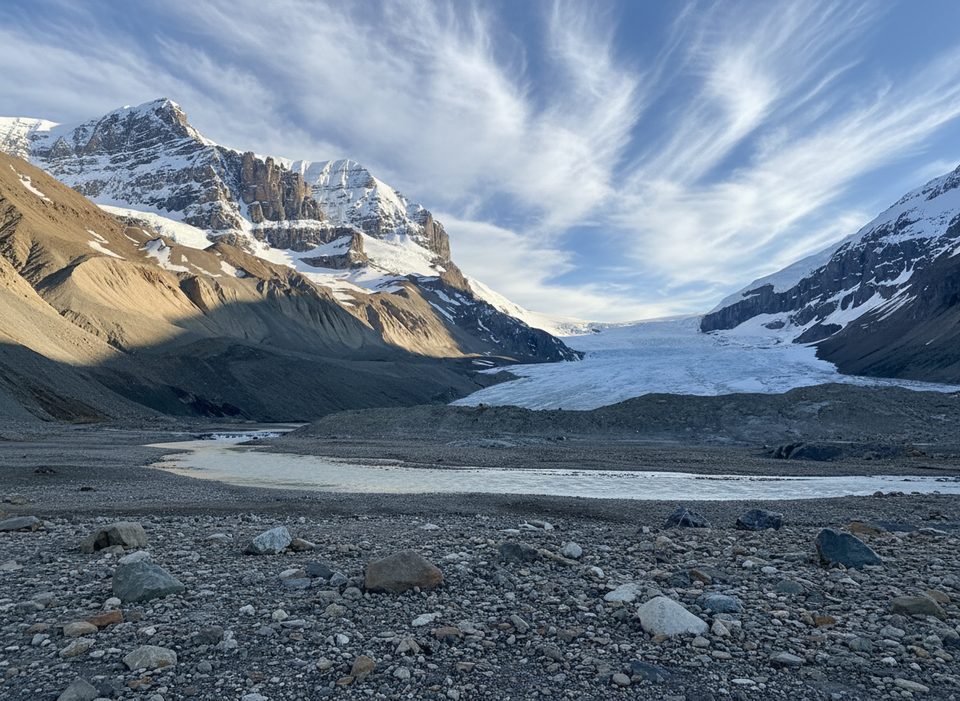
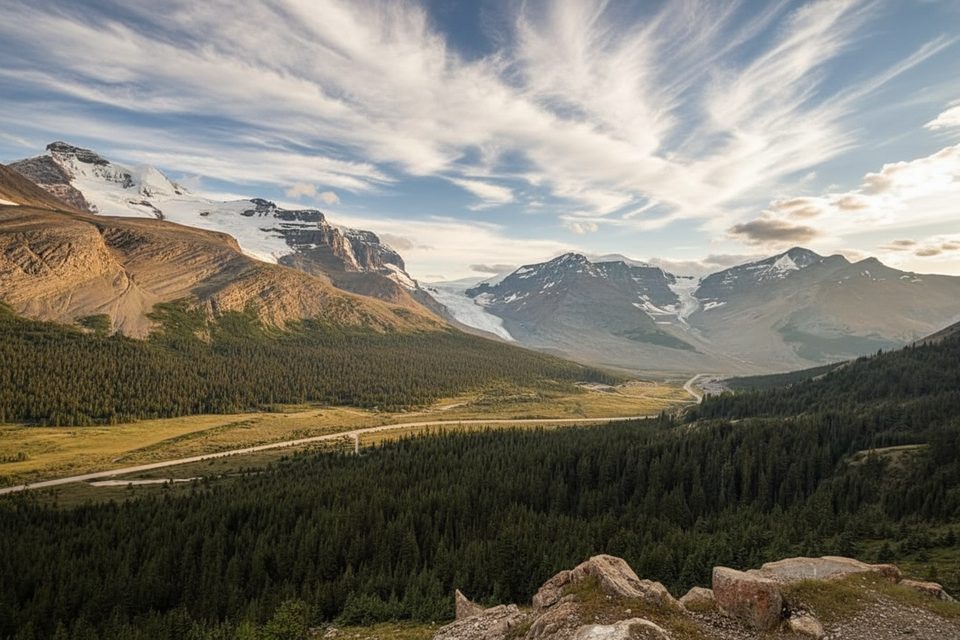
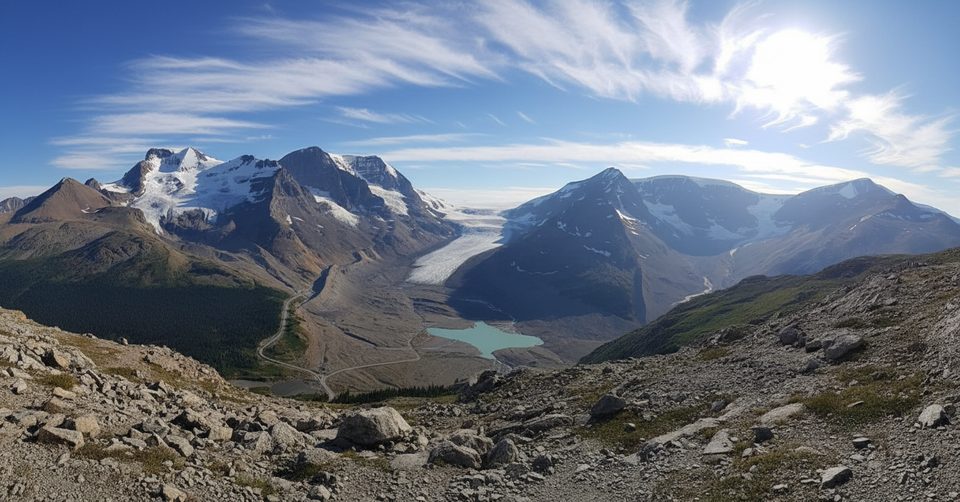
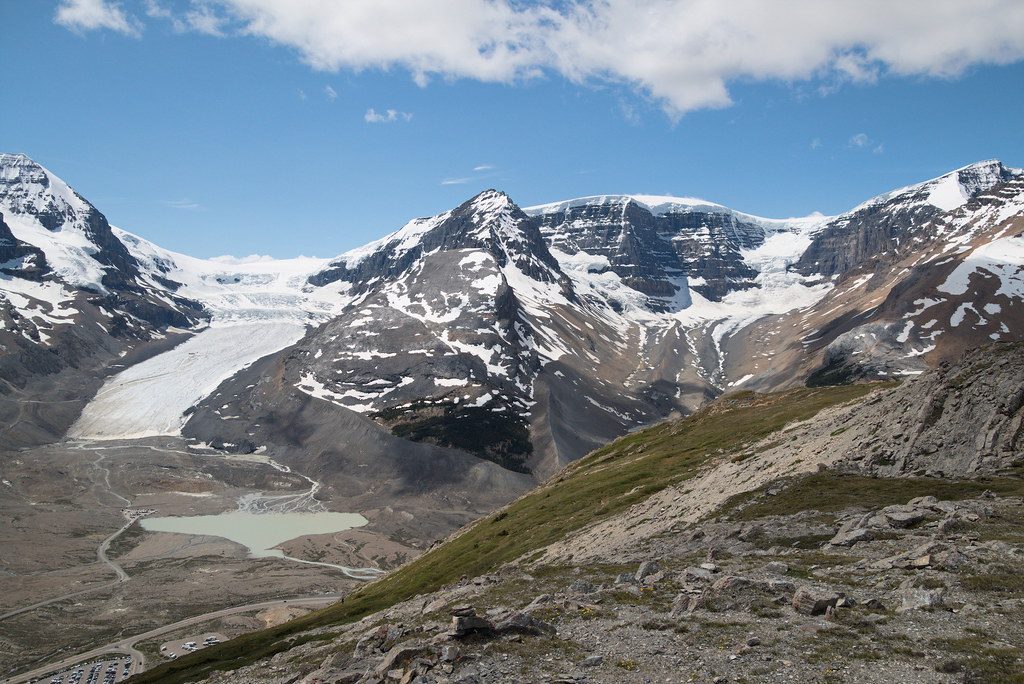
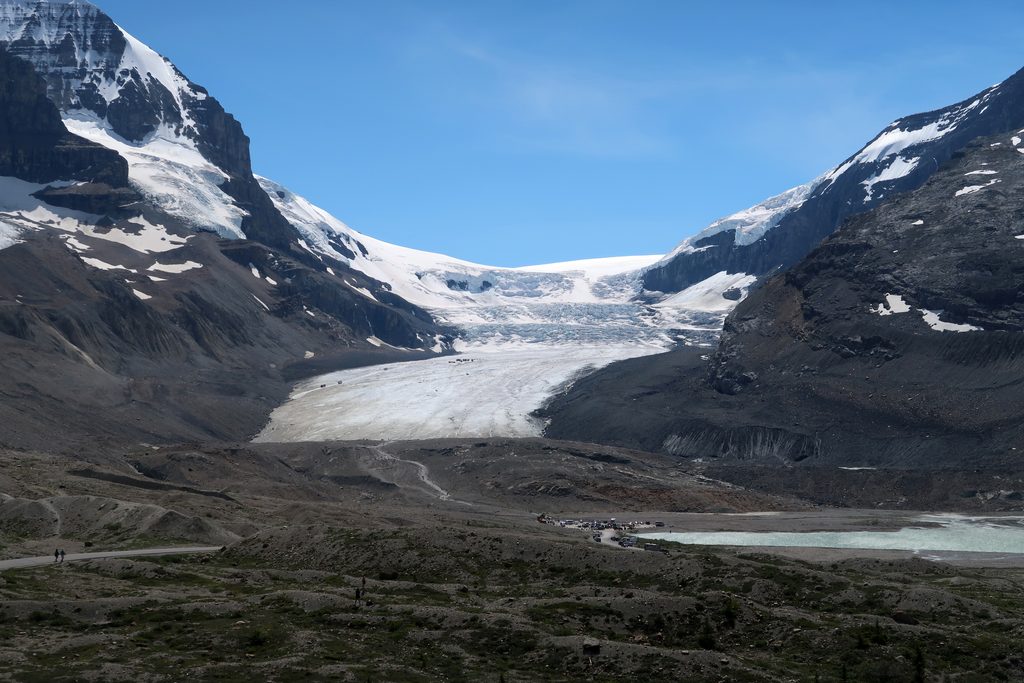
The Athabasca Glacier Toe is the lower terminus of one of the most accessible glaciers in North America. A short, marked path leads from the parking lot to a safe viewpoint near the ice, where you’ll see stark glacial terrain, meltwater streams, and the immense tongue of ice flowing down from the Columbia Icefield.
What You’ll See
- Blue-tinged ice looming above a raw foreground of polished rock and moraine.
- Historic date markers and interpretive signs that make the glacier’s rapid retreat impossible to ignore.
- Mountain-and-ice panoramas that include nearby peaks like Mount Athabasca and Snow Dome.
The Walk
Expect about 0.9 miles / 1.4 km round trip with roughly 60 m of gain. The route crosses a bridge and climbs a short, steeper rise before looping near the glacier’s edge. Footing can be rocky and slick, especially when wet or snowy.
Safety Essentials
Stay behind ropes and signs—hidden crevasses and thin ice at the edge are deadly. Do not step onto the glacier without a guide. Meltwater channels can swell on warm days and occasionally soak parts of the path. Dress for wind and cold year-round; it can be biting even in summer.
Facilities
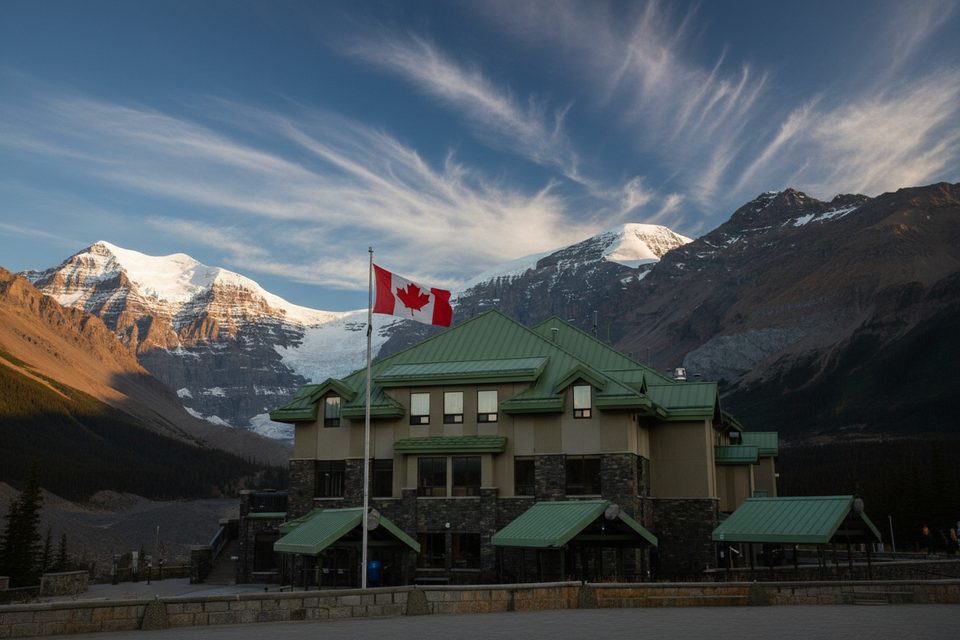
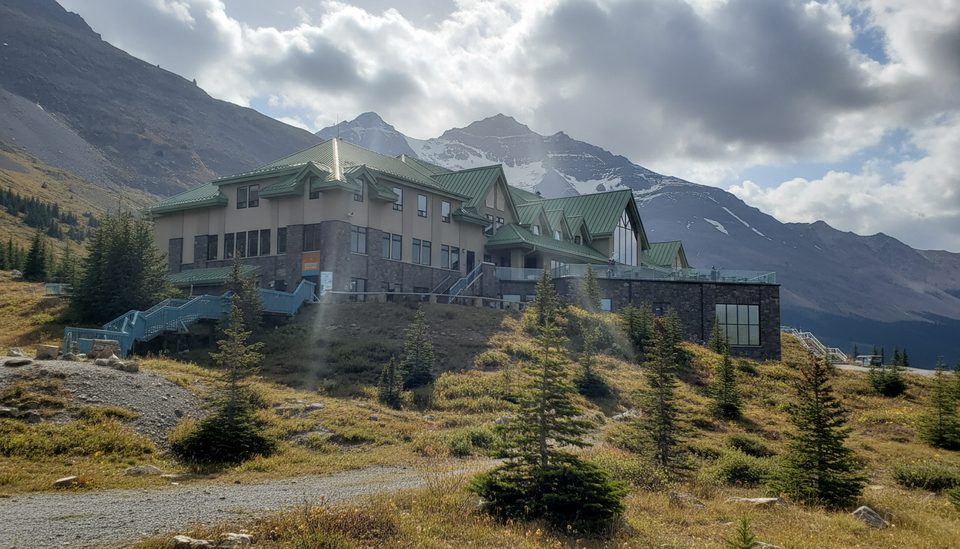
There’s a dedicated parking lot at the toe with basic toilets. Full services—indoor restrooms, food, and water—are across the road at the Columbia Icefield Discovery Centre.
Wildlife
This is harsh, newly exposed terrain with sparse vegetation, so wildlife sightings are uncommon here. You’ll notice hardy pioneer plants starting to recolonize the forefield.
Best Time to Visit
The trail is typically best from May–September, weather permitting. Midday (roughly 1–4 pm) is usually the busiest; arrive before 10 am or after 6 pm for lighter crowds and softer light. The area is accessible around the clock, and most visits take 30–60 minutes. Expect very changeable conditions—clear one hour, rainy or windy the next.
Tips for a Great Visit
- Wear sturdy shoes; that short hill can feel steep and slippery.
- Bring warm layers, gloves, and a hat—even in July.
- Dogs are allowed if leashed.
- If you want to stand on the ice, book a guided tour from the Discovery Centre.
- In shoulder season, the short access road may be closed; be prepared for a longer approach on foot.
Where it is
52.2126, -117.2328Tips for Athabasca Glacier Toe
- 01Arrive before 10 am or after 6 pm to avoid peak crowds.
- 02Stay behind ropes; hidden crevasses at the edge are lethal.
- 03Wear sturdy shoes for the short but steep, rocky section.
- 04Pack windproof layers—glacial gusts are cold even in summer.
- 05Shoulder season can close the access road; be ready to walk farther.
Amenities
Near Athabasca Glacier Toe
All places →All trails →
0 mi awayToe of the Athabasca GlacierShort, rocky walk to stand face to face with a living glacierEasy · 1.1 mi · 1 hr
0.6 mi awayColumbia Icefield SkywalkGlass-floored cliff walk suspended 280 m above Sunwapta ValleyExhibit · Scenic Viewpoint
0.6 mi awayGlacier View LodgeBoutique stay with front-row Athabasca Glacier viewsLodging · Restaurant
0.6 mi awayAltitude RestaurantSit-down dining with floor-to-ceiling glacier viewsFood · Restaurant
0.6 mi awayColumbia Icefield Discovery CentreGlacier-view hub for Ice Explorer tours and the SkywalkVisitor Center · Restroom
2.1 mi awayMount Wilcox (Wilcox Peak)Quick alpine and glacier views, with a bonus summit option.Moderate · 5.8 mi · 3.3 hr
2.1 mi awayWilcox ViewpointQuick climb to big glacier views across from Athabasca GlacierModerate · 5.9 mi · 4 hr
2.1 mi awayWilcox PassBig glacier views for moderate effort above the Icefields ParkwayModerate · 5.9 mi · 4 hr