Overview
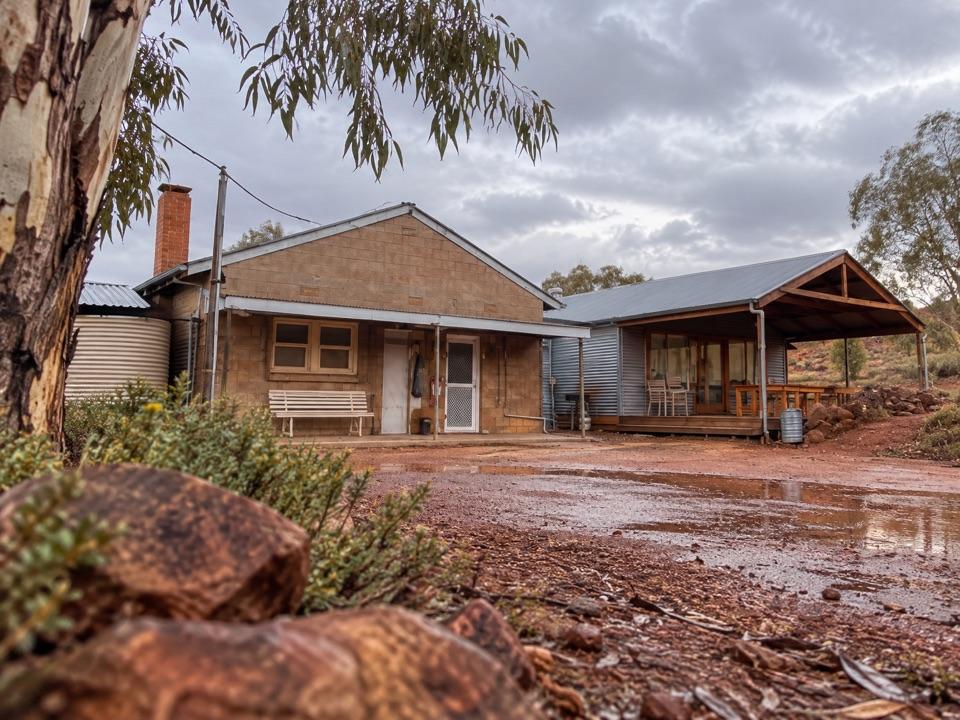
About Willow Springs Station
Why stop
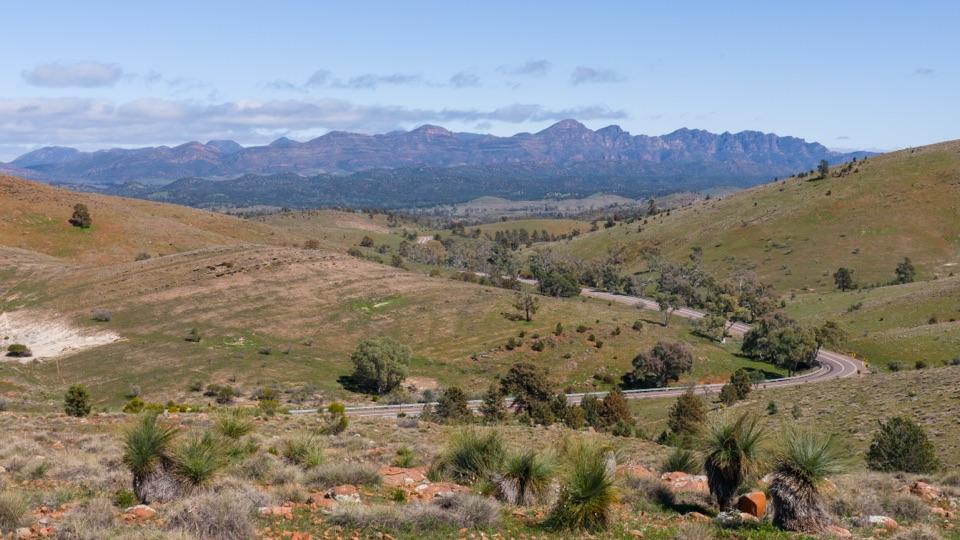
- Upalinna Lookout opens onto Wilpena Pound
Heads up
- AWD vehicles can’t complete the Skytrek track
Map
Where it is
The highest, rockiest slopes around here are a summer buffet for grizzly bears.
Ikara-Flinders Ranges Tour Guide
Your drive to Willow Springs Station, narrated.
Parkwolf is a GPS audio tour guide for Ikara-Flinders Ranges National Park. As you drive, it chimes in with what’s ahead: hidden gems, upcoming stops, history, geology, and wildlife, right through your car’s speakers.
Recorded for this area
The Emu Dad and His Chicks“If you see an emu with striped chicks, you're looking at their father. After the female lays her dark green eggs, the male takes over.”
Plays on the road 3 km from Willow Springs Station in the Parkwolf Ikara-Flinders Ranges Tour Guide.
More stories near here in the app
- The Water Between Appealinna’s Ruins
- Spot the Wedge Tail
- A Robin’s Quick Drop
- Walls of Pug and Pine
- 49 audio storiesacross Ikara-Flinders Ranges’s roads, triggered by GPS as you drive
- Wildlife heatmapsfor Wedge-tailed Eagle, Short-beaked Echidna, Red Kangaroo, and 13 more
- Works offlinemaps, 21 trails, 43 places, and audio download before you lose signal
- CarPlay readysimple controls built for the drive
“Fantastic app with many points of information… It’s great to just turn on while you’re driving and it gives you an audio tour of the national Park. We love it!!!!”


Guide
More about Willow Springs Station
Set aside most of a dayWillow Springs Station is a working sheep station on the eastern side of Ikara-Flinders Ranges…
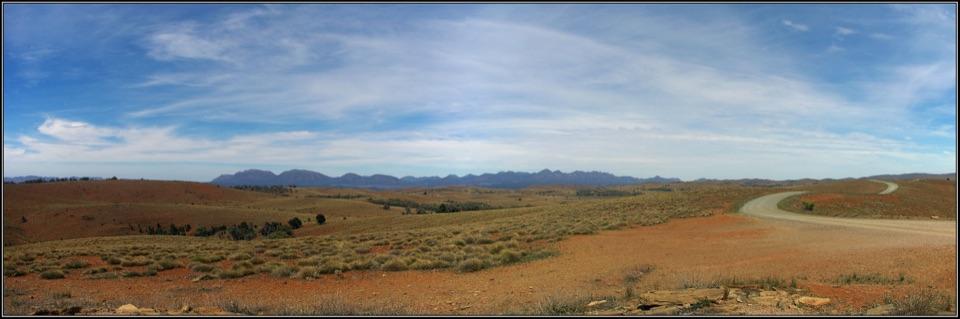
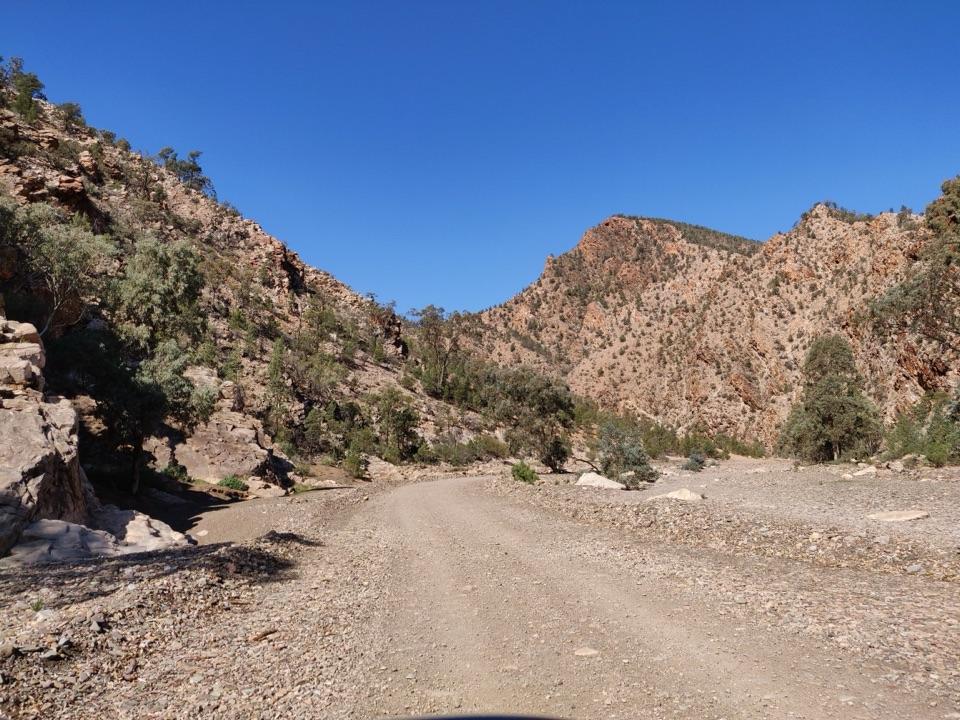
Willow Springs Station is a working sheep station on the eastern side of Ikara-Flinders Ranges National Park and the base for Skytrek, a self-guided 4WD route across the property. The current route is about 80 km and takes roughly seven hours with stops, so this is a full-day outing rather than a quick scenic detour. You need an experienced driver and a low-range 4WD; AWD vehicles can’t complete it. I’d choose Skytrek if you want a long drive through station country. If you’re looking for an easy park drive or a short stop, it’s the wrong fit.
Watch the country changeThe route moves through red-gum-lined creeks, native-pine and black-oak groves, bluebush plains…
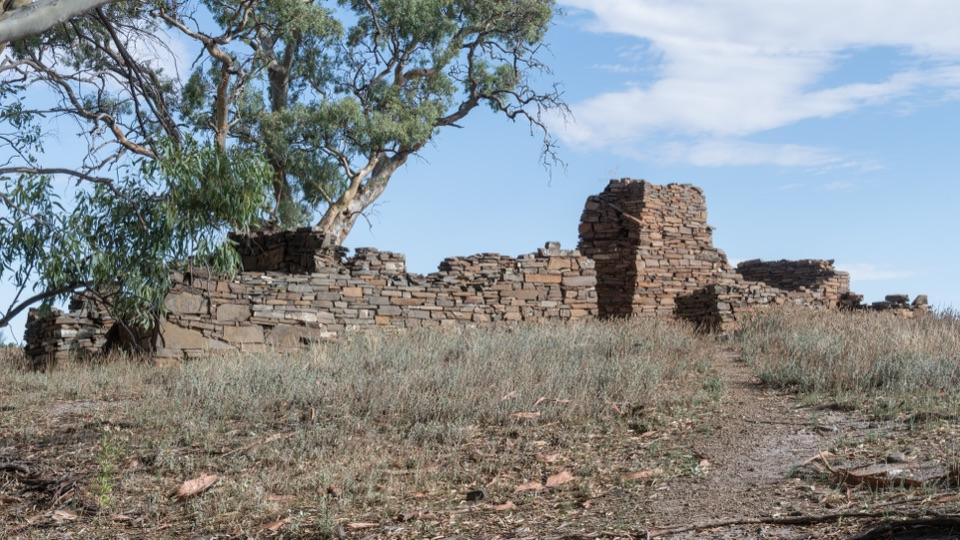
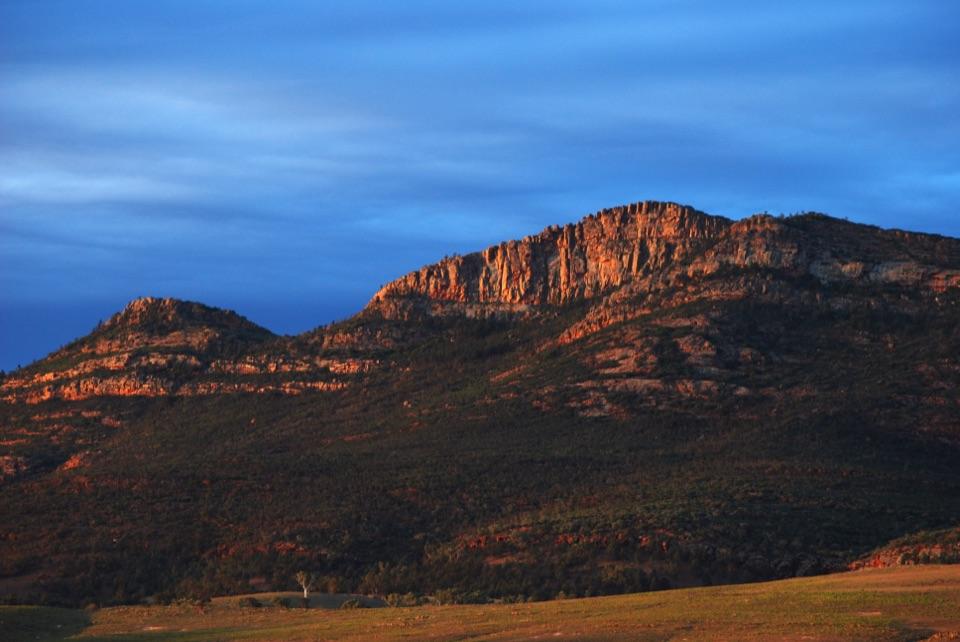
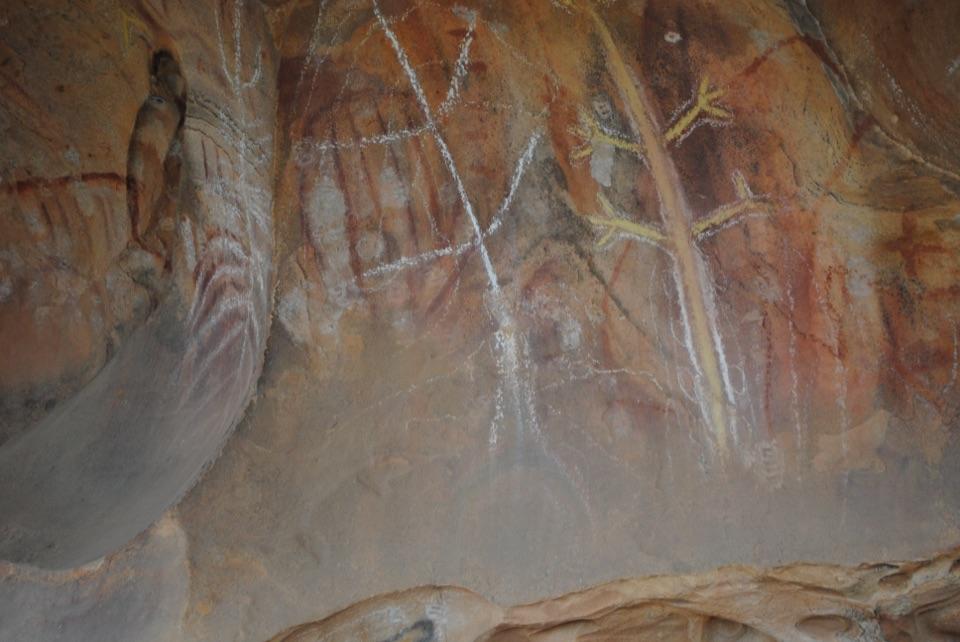
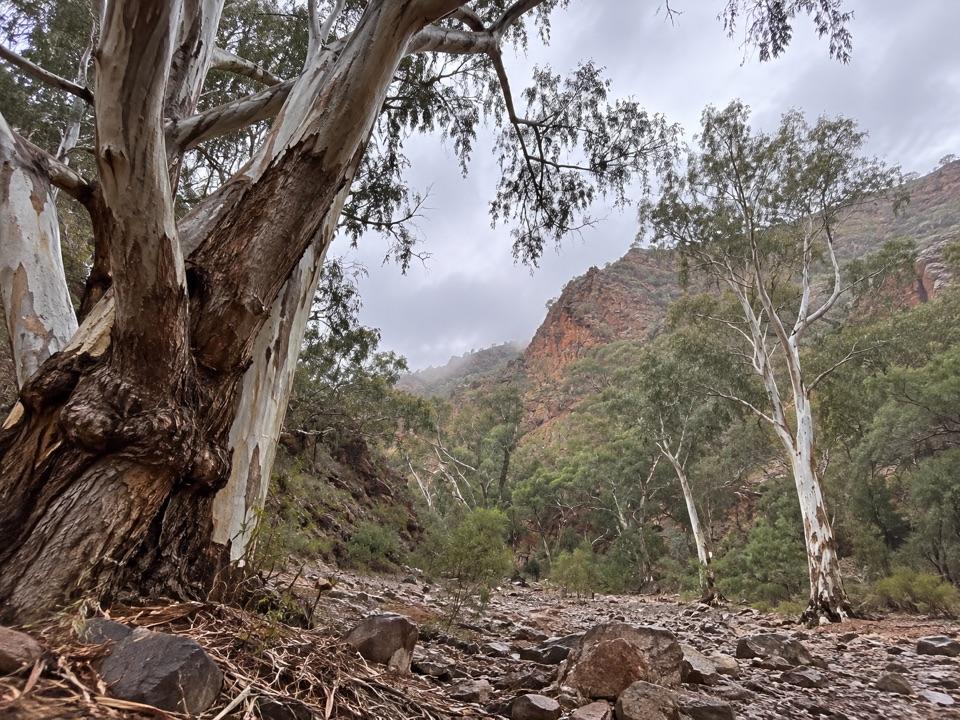
The route moves through red-gum-lined creeks, native-pine and black-oak groves, bluebush plains and rugged valleys. The self-guiding map points out shepherd-hut ruins, ochre cliffs, natural springs, windmills, mustering yards and the station’s original Willow Springs waterhole. That variety gives the drive more to do than simply cover ground. Upalinna Lookout is one of the big stops, with a panoramic view toward Wilpena Pound and the surrounding Flinders ranges.
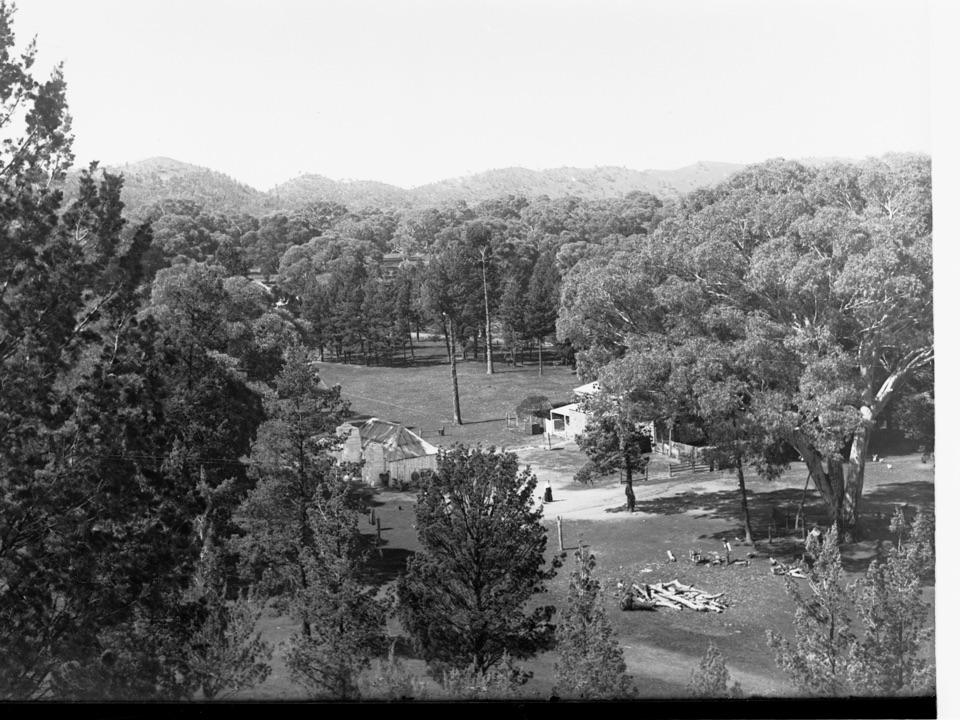
A long pastoral historyWillow Springs was once known as Appealinna.
Willow Springs was once known as Appealinna. Joseph Wills took up the property in 1856, and the Reynolds family bought the station in 1952. Skytrek was built in 1995 as a 60 km track; in 2012 its route changed so it stayed entirely on Willow Springs Station. The current route is longer, at about 80 km, so old references to 60 km describe the original track.
Reaching the stationThe homestead is about 3 km off Flinders Ranges Way, and the last stretch is narrow and winding.
The homestead is about 3 km off Flinders Ranges Way, and the last stretch is narrow and winding. The station itself is described as 2WD-accessible year-round, but that doesn’t mean the Skytrek route is: the track needs low range and an experienced driver. Cottages and shearers’ quarters are available if you’d like to stay on the property. Book Skytrek with the operator before you go; bookings are essential. Check the current route information too, since the drive takes most of the day.
Wildlife
Wildlife in Ikara-Flinders Ranges
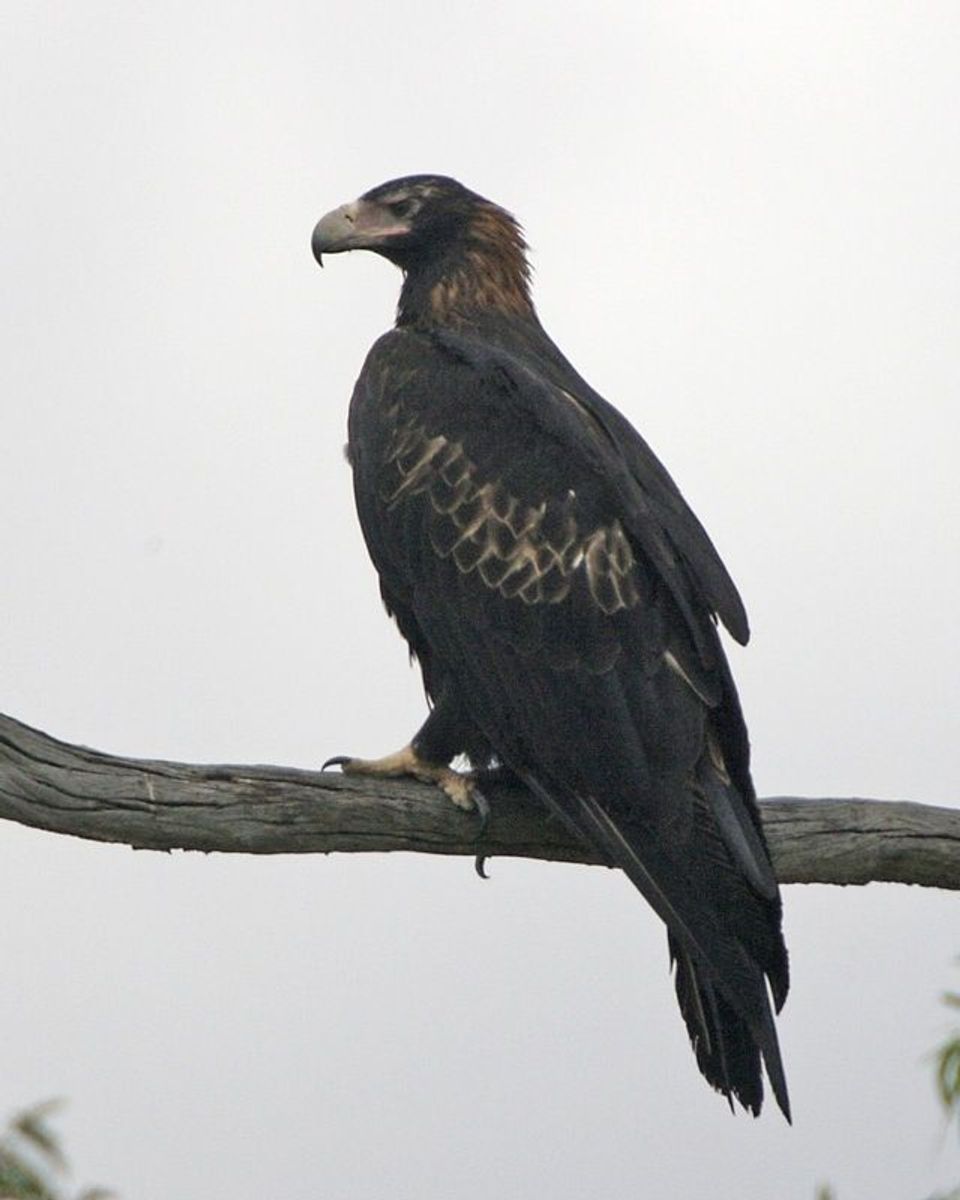 75 sightingsWedge-tailed EagleMost seen around 10 AMSighting map
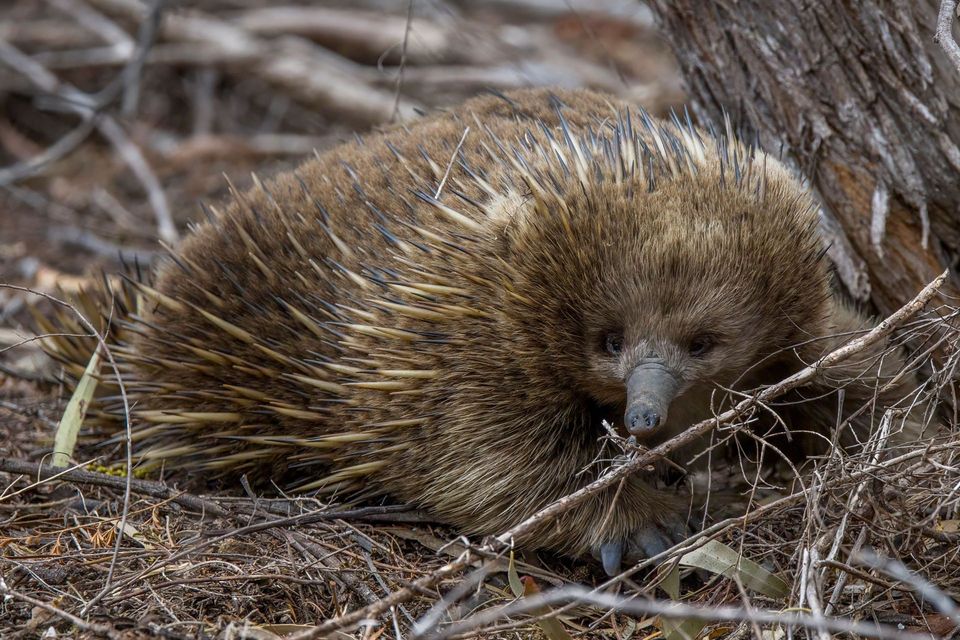 107 sightingsShort-beaked EchidnaMost seen around 6 PMSighting map
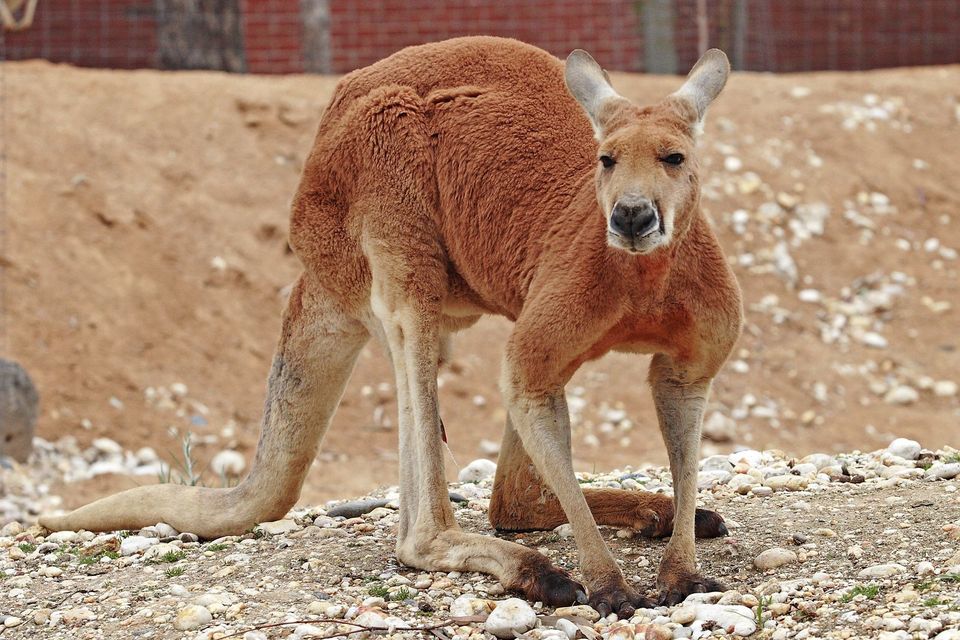 69 sightingsRed KangarooMost seen around 5 PMSighting map
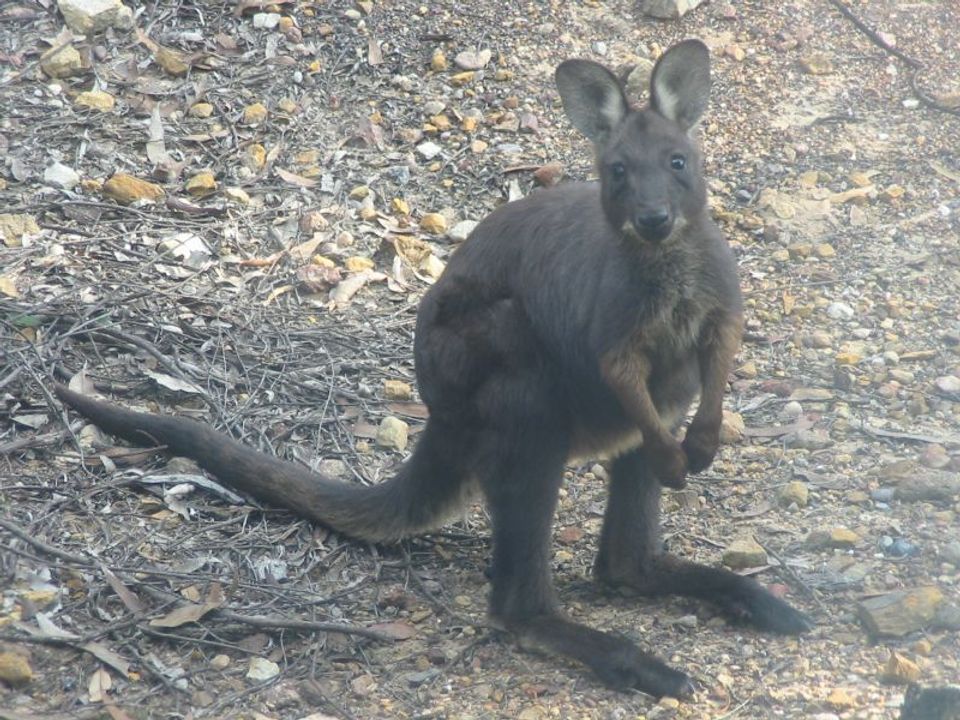 223 sightingsCommon WallarooMost seen around 6 PMSighting map
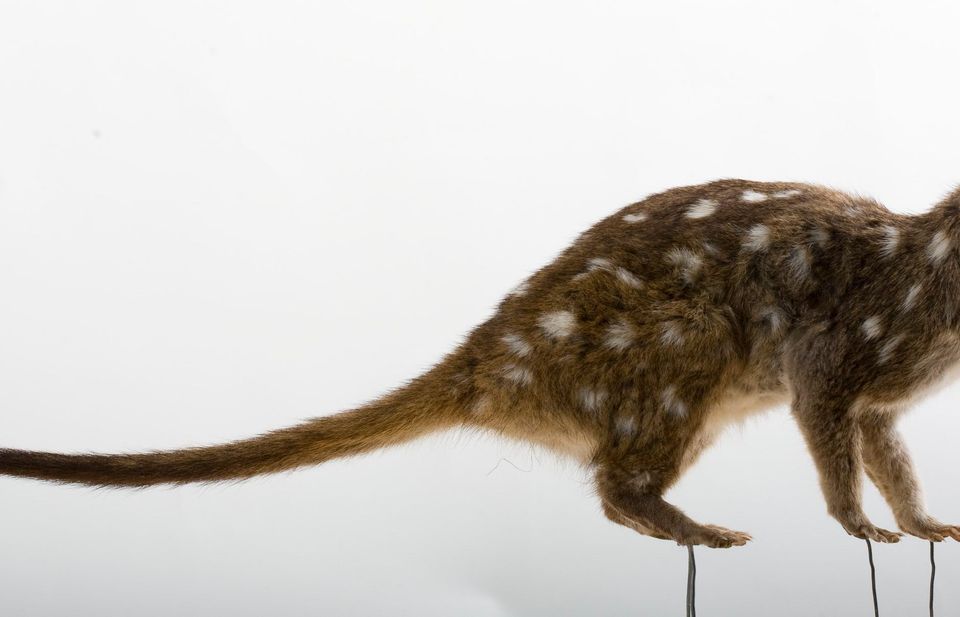 56 sightingsWestern QuollMost seen around 6 PMSighting map
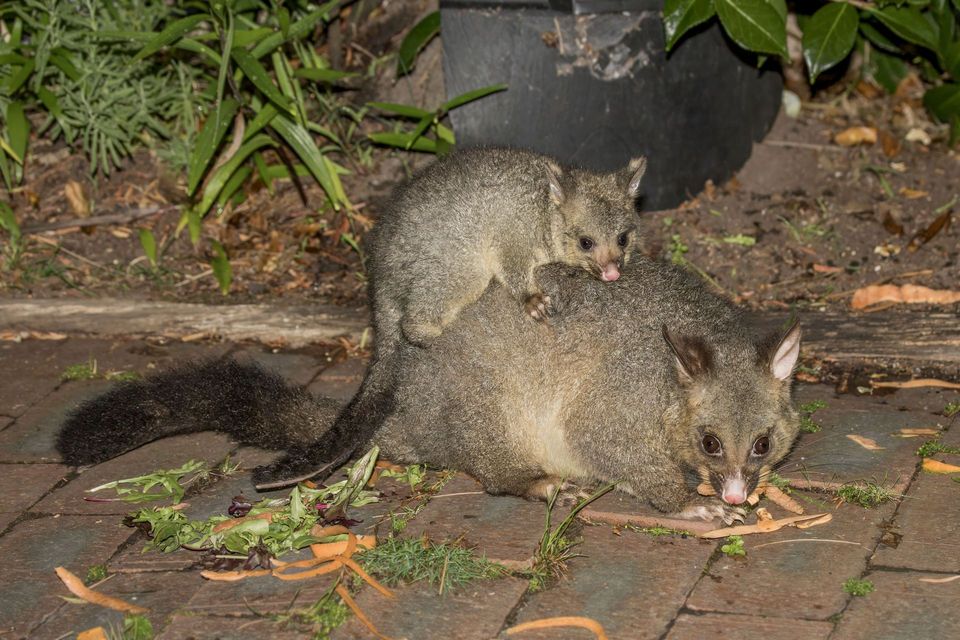 48 sightingsCommon Brushtail PossumMost seen around 6 PMSighting map
Sighting maps show where each species has been reported across Ikara-Flinders Ranges. Wildlife moves, so no sighting is guaranteed.