
Place · 0 mi away
Easy
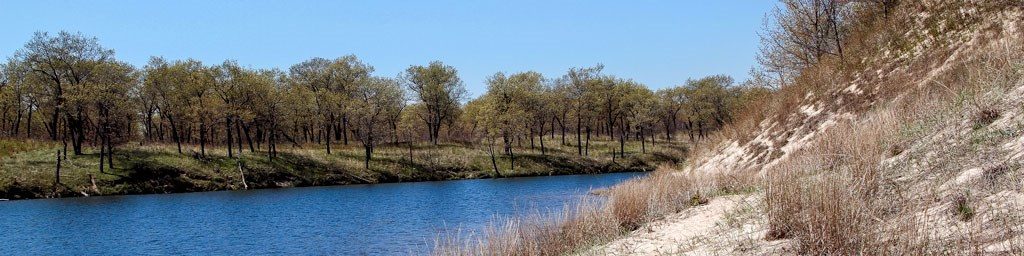
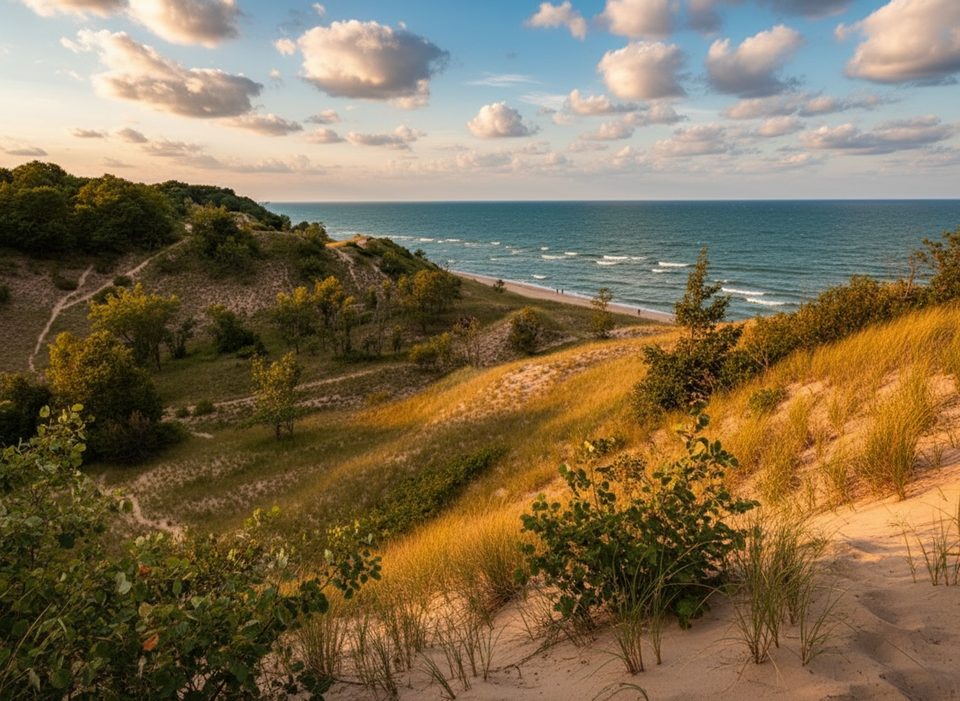
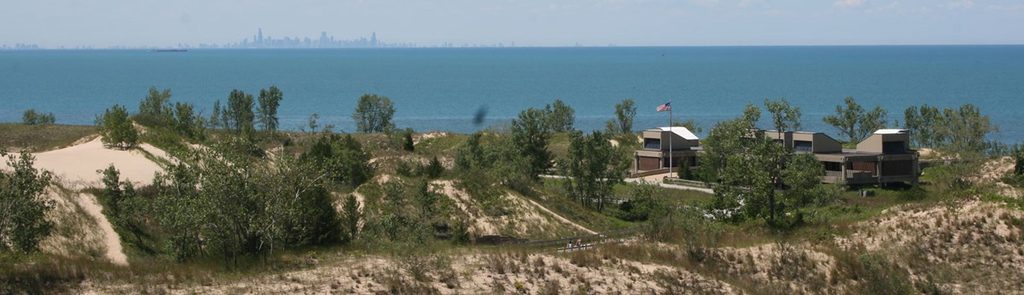
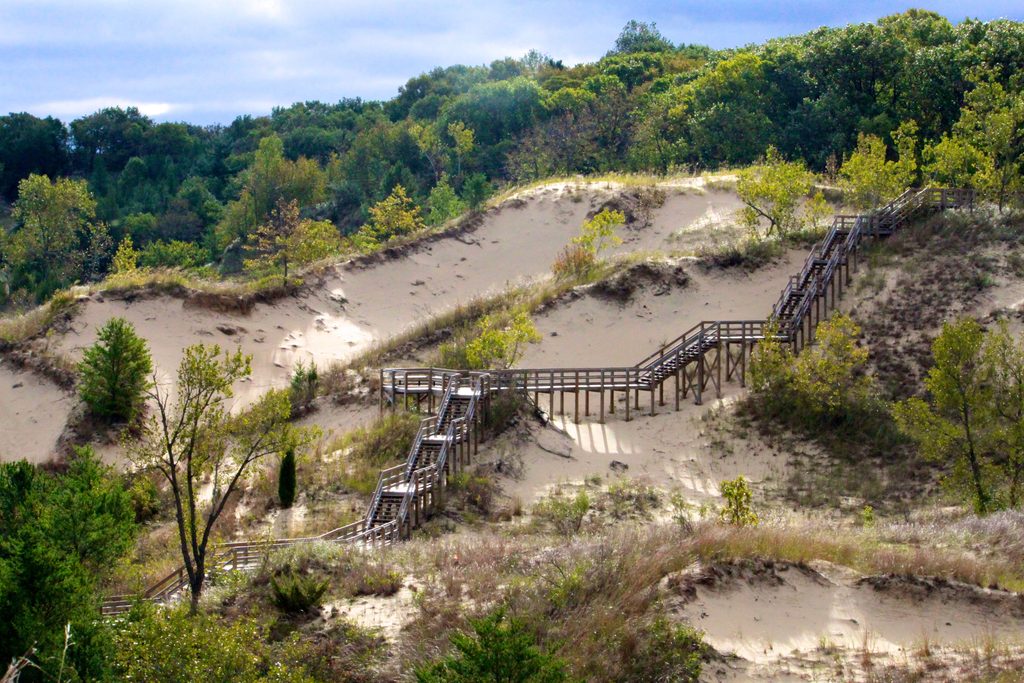
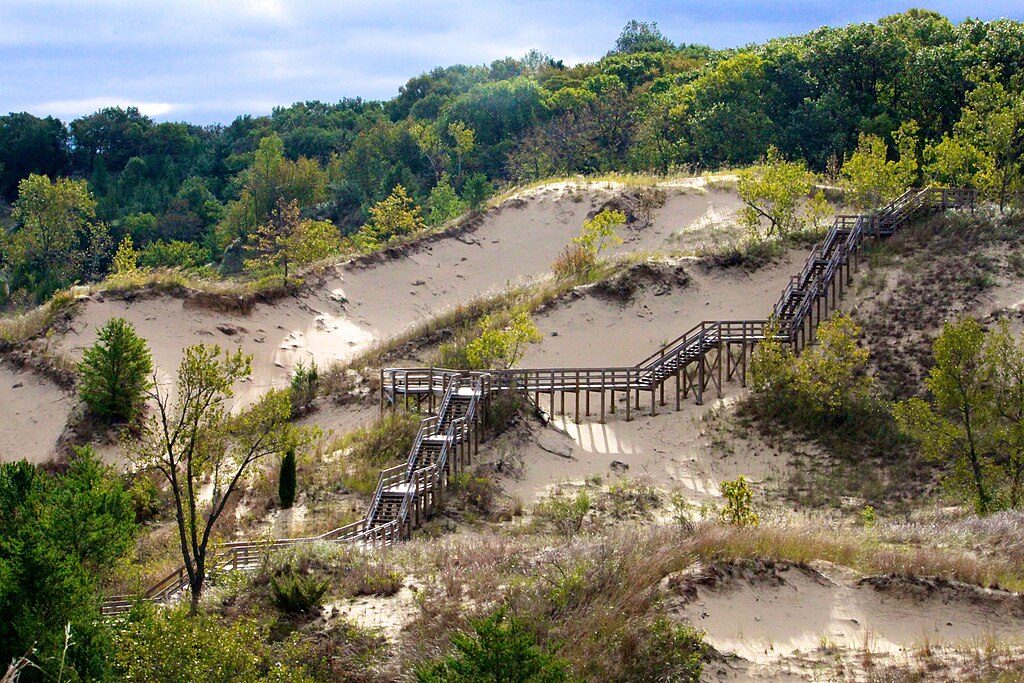
This is the park’s classic Miller Woods walk: a gentle, sandy wander from shaded oak savanna and wetlands to open dunes and the shore of Lake Michigan. It’s an easy hike on paper—about 3.4 miles total, out-and-back—but the sand slows the pace, so plan on roughly 2 hours. Expect minimal elevation (about 46 feet total) with mostly gentle grades.
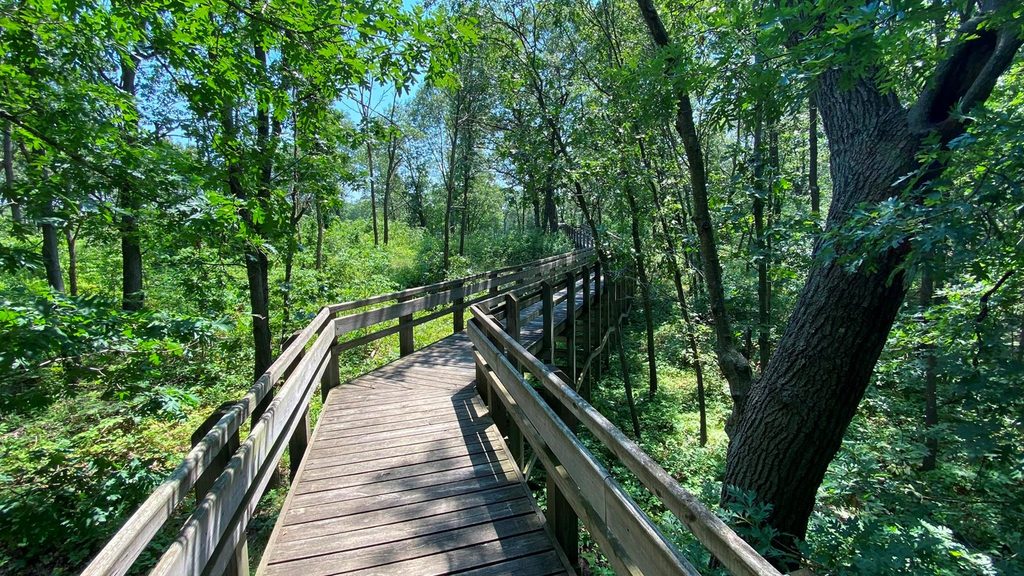
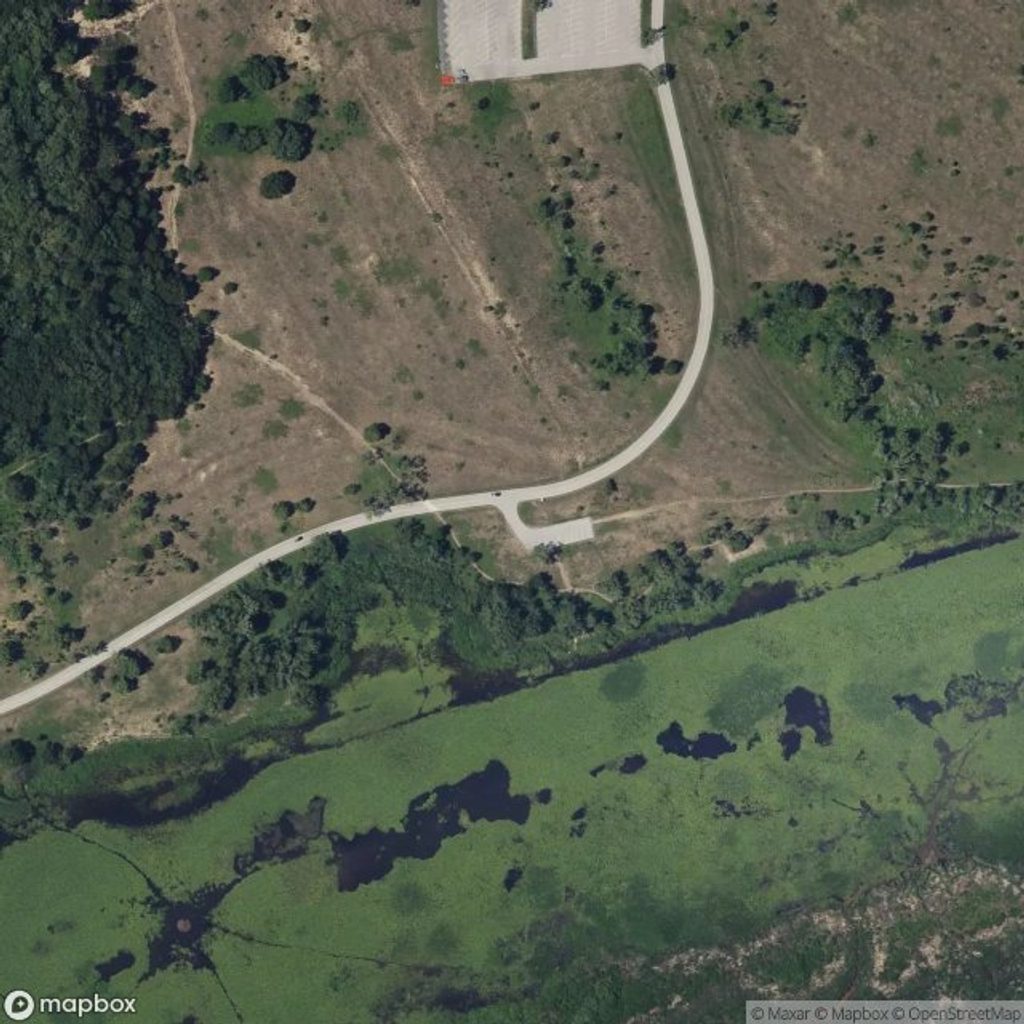
The first half weaves through black oak savanna and interdunal wetlands—prime territory for wildflowers, birds, turtles, and beavers. Keep an eye out for snakes and, if you’re lucky, the speedy six-lined racerunner darting across sunny sand. After crossing the Grand Calumet River, the landscape opens into rolling dunes and, finally, a broad, less-crowded stretch of beach with big-lake views.
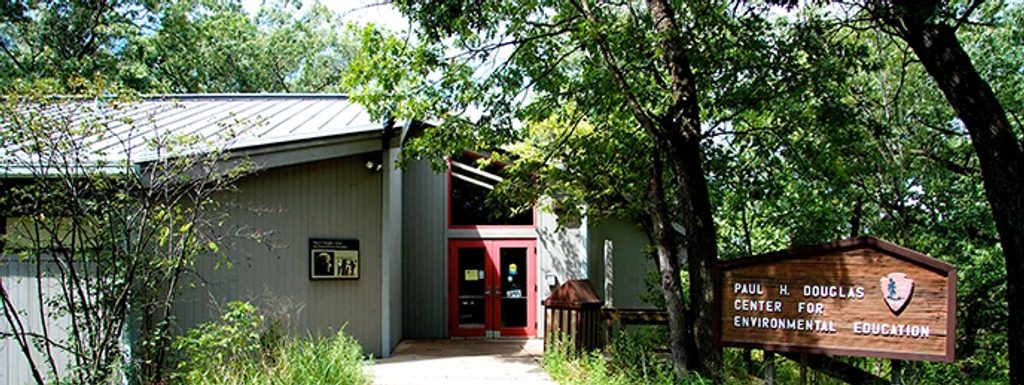
You’ve got two ways to do it: a quick 0.9-mile loop near the Paul H. Douglas Center, or the full 3.4-mile out-and-back to the beach. Surfaces range from packed soil and boardwalk near wetlands to loose sand on the dunes; sturdy shoes help. The dunes section is exposed, so it can feel hot on sunny days and the footing is slower than you’d expect.
Start at the Paul H. Douglas Center for Environmental Education; there’s parking at the center and across the street, restrooms inside, and benches along the route for quiet wildlife watching. Dogs are allowed on leash. The first half-mile near the center includes accessible surfaces, but the longer, sandy section to the beach is not fully accessible.
Spring and summer bring peak wildflowers and birding; fall delivers great color. Start early for cooler temps and softer light, and bring plenty of water and sun protection—the dunes offer little shade and the beach can feel hotter than the woods. Check for ticks year-round and watch for poison ivy along narrow edges. If you want to swim, plan for beach-friendly weather and conditions.
Park at the Paul H. Douglas Center for Environmental Education or in the lot across the street; the trail begins beside the center.
Loose sand slows travel and increases effort; dunes are exposed to sun and heat. Check for ticks and avoid poison ivy at trail margins. Temperature and wind can differ dramatically between woods and beach—pack layers, water, and sun protection.
Place · 0 mi away
Place · 2.8 mi away
Place · 3.4 mi away
Place · 3.4 mi away
Moderate · 2.4 mi away
Moderate · 3.1 mi away
Easy · 3.2 mi away
Moderate · 3.6 mi away

Parkwolf Tour Guide
