Pros & cons
PROS
- Hands-on exhibits and live animal displays
- Direct access to the Paul H. Douglas Trail through oak savanna and wetlands
CONS
- Trails can be narrow with sensitive vegetation
- Occasional maintenance or construction can limit access
Overview
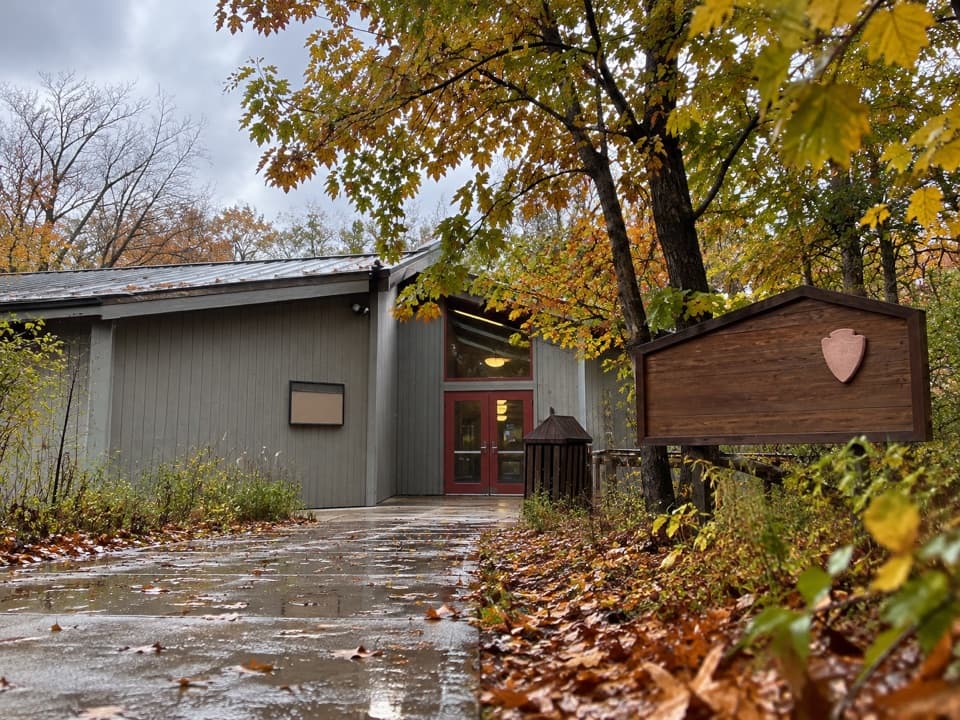
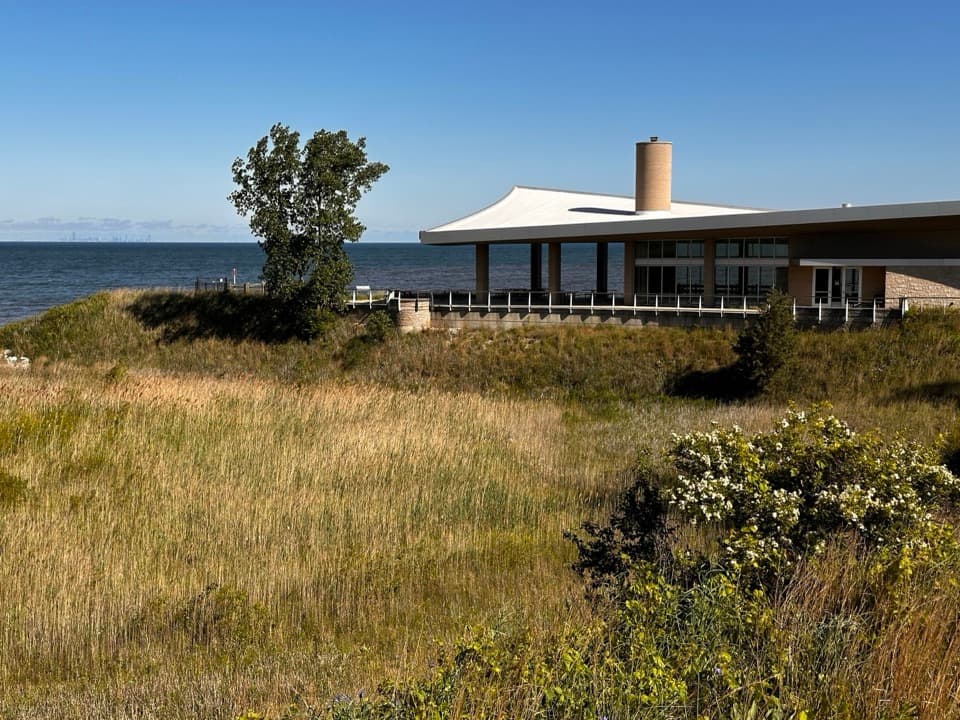
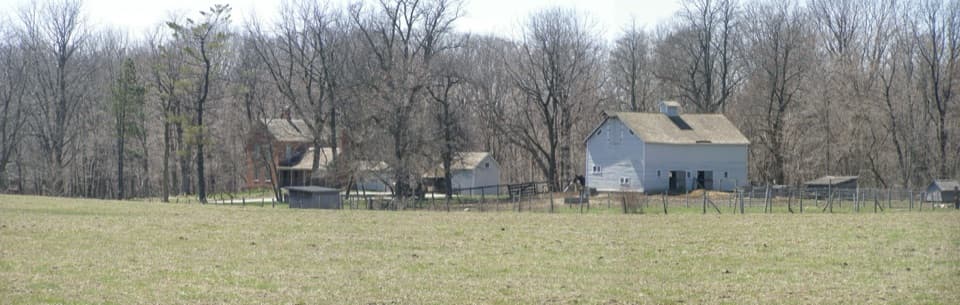
This is the park’s education hub on the edge of Miller Woods—a low‑key launch point to explore rare oak savanna and wetlands. Inside, you’ll find interactive exhibits, live animal displays, and helpful staff; step outside and you’re on the Paul H. Douglas Trail, a mellow walk that can be short or stretched longer depending on your time. It’s a calmer alternative to the busier lakeshore spots and a solid first stop if you like to learn a bit before wandering.
What You’ll See Inside
- Interactive, hands‑on exhibits focused on local ecology and conservation
- Live animals like turtles and snakes in educational displays
- A Nature Play Zone outdoors that encourages kid‑led discovery
- Orientation help, a park film, and National Park Passport stamping
On the Trail (Miller Woods)
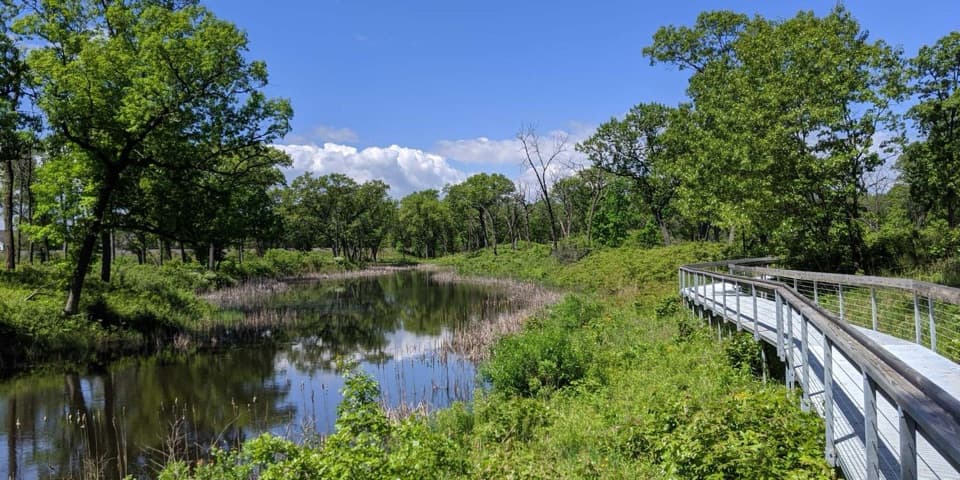
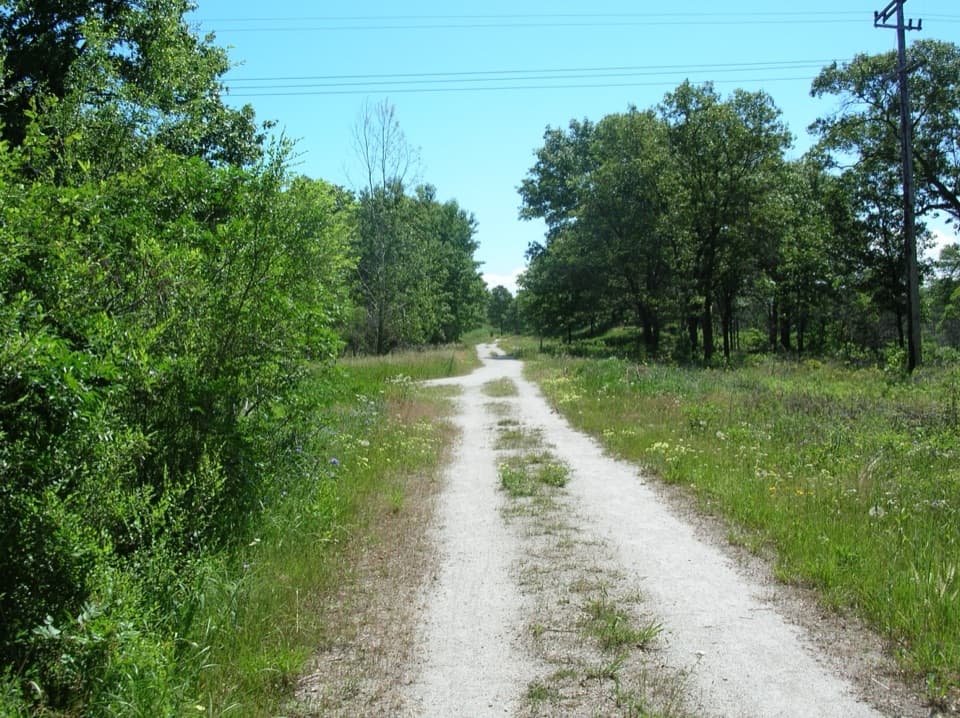
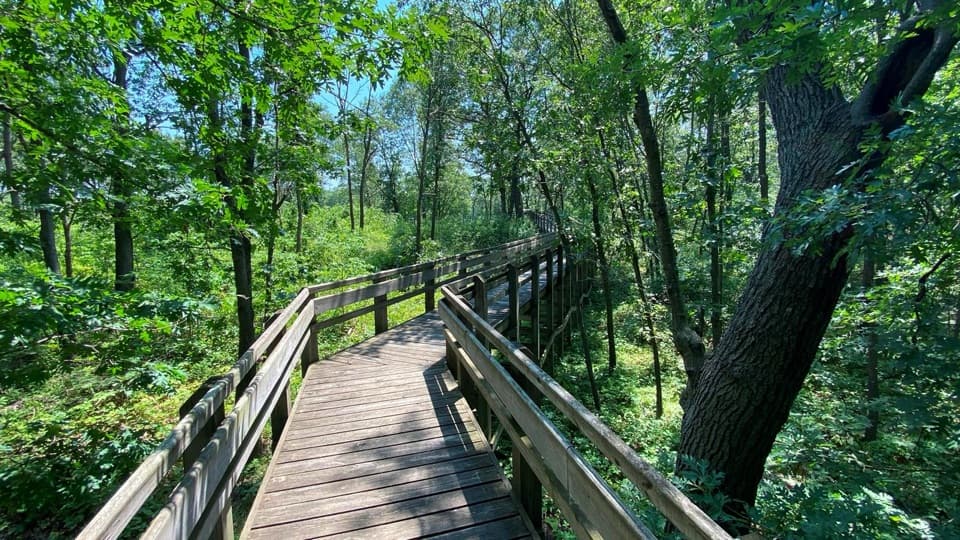
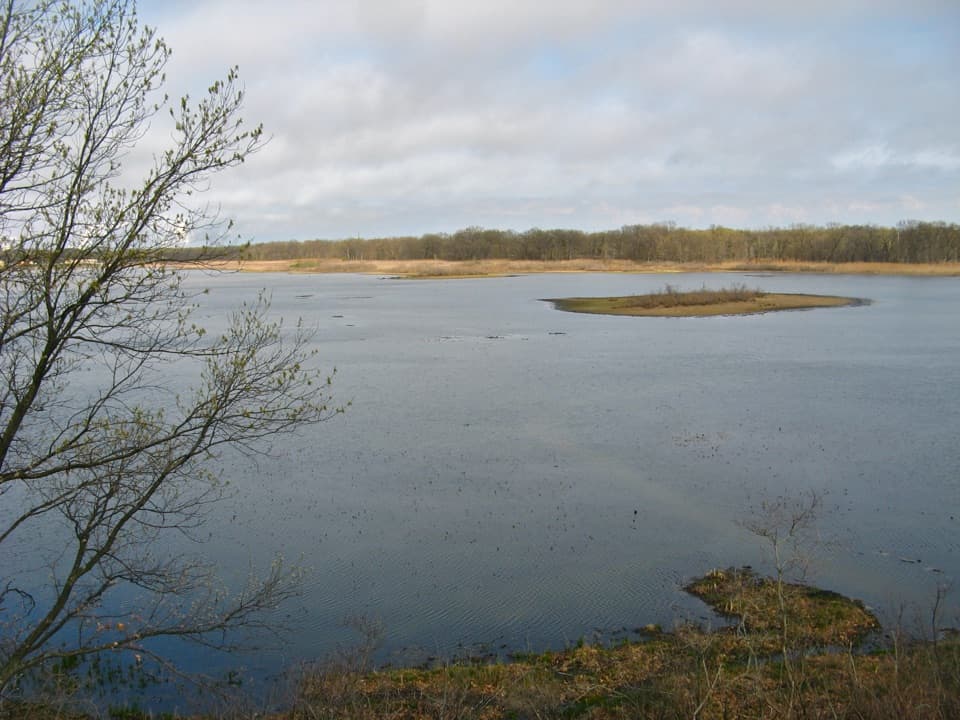
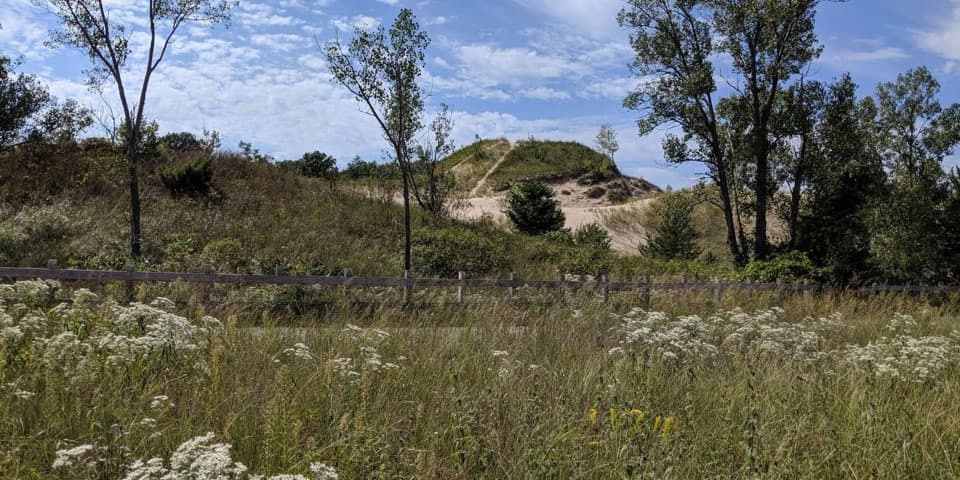
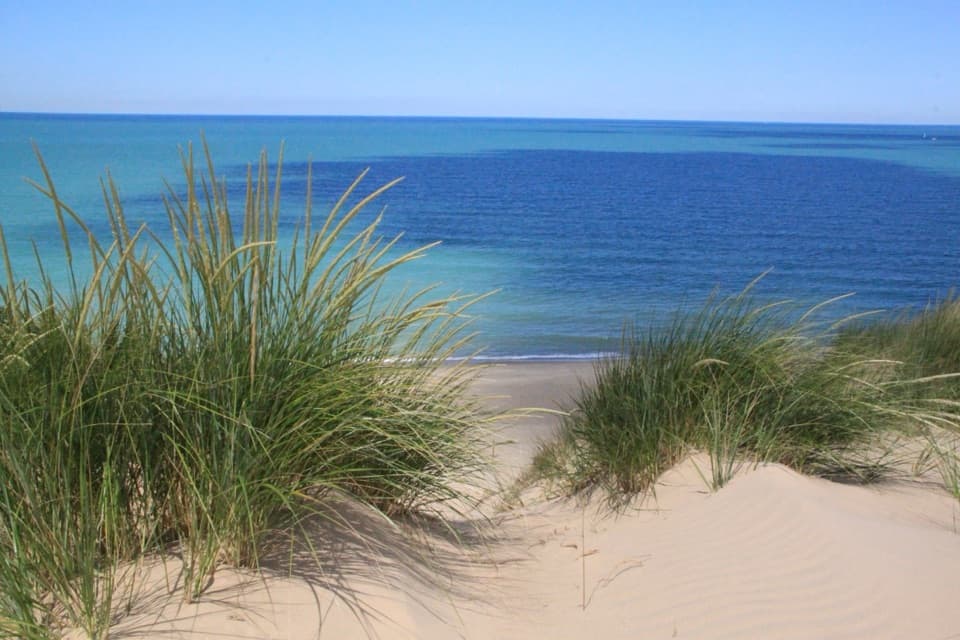
Trails start right from the center and thread through oak savanna, wetlands, and boardwalks over marshy stretches. Expect benches and small bridges in scenic pockets, with water on two sides of Miller Woods creating great wildlife habitat. You can make it a quick nature fix or a longer meander that eventually reaches the beach.
Wildlife
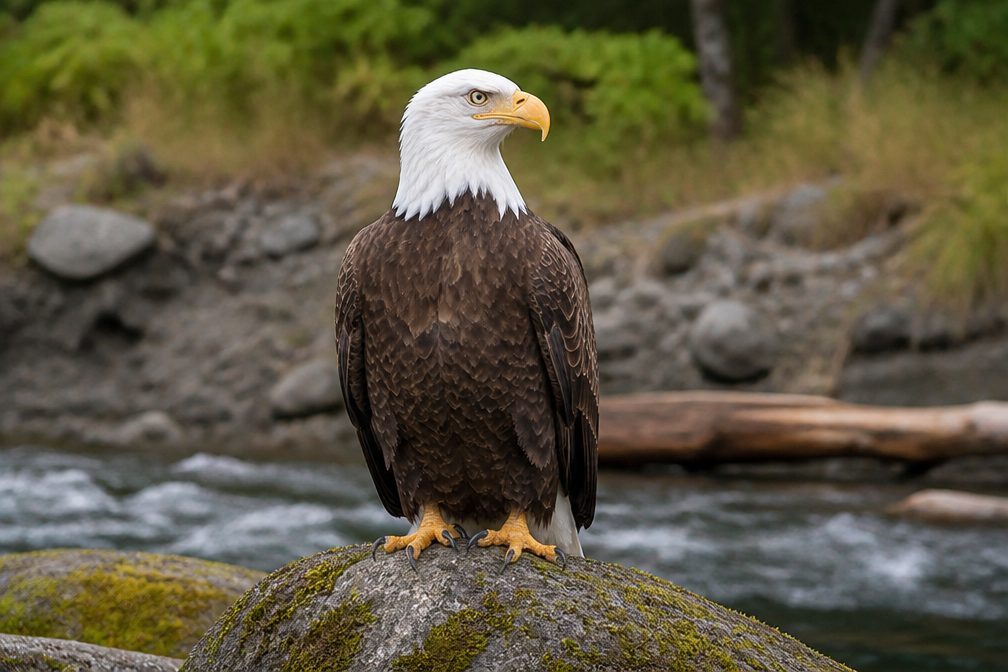
- Birds thrive around the wetlands—bring your curiosity
- Butterflies supported by savanna vegetation
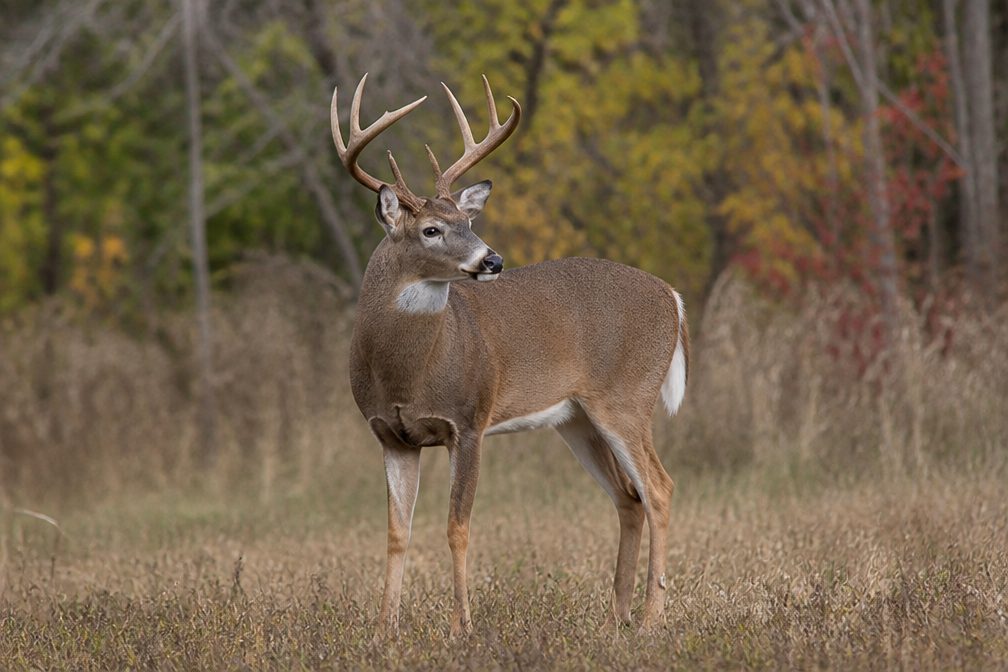
- Deer sightings aren’t uncommon
- Turtles and the occasional snake basking or crossing the path
Amenities
- Restrooms and picnic tables at the center
- Parking adjacent to the facility (a park pass is required if you’re using the trails)
- Exhibits and staffed information inside
- Trailhead access to the Paul H. Douglas Trail
Best Time to Visit
Open daily 9 AM–4 PM, year‑round. The center is a steady, less‑crowded spot compared to other areas, and the trail system stays appealing in all seasons (hiking in warm months; snowshoeing or cross‑country skiing when conditions allow). Start inside for the film and orientation, then head out while daylight is soft for better viewing and photos.
Need-to-Know
Parking is nearby; use the pedestrian tunnel if you’re crossing the main road. Trails can be narrow in places—stay on the path to protect sensitive plants and butterfly habitat. Maintenance projects (like bridge repairs) sometimes affect access, so it’s worth a quick check before you go.
Where it is
41.6063, -87.2690Tips for Paul H. Douglas Center for Environmental Education
- 01Park in the lot and use the pedestrian tunnel to reach the center and trails.
- 02Start inside for the park film and to get your National Park Passport stamped.
- 03A park pass is required to use the parking lot when accessing the trails.
- 04Stay on the path—some sections are narrow with sensitive vegetation and butterflies.
- 05Check for any maintenance or bridge repair updates that could affect access.
Amenities
Near Paul H. Douglas Center for Environmental Education
All places →All trails →
0 mi awayPaul H. Douglas TrailWetlands-to-dunes stroll ending at a quiet Lake Michigan beachEasy · 3.4 mi · 2 hr
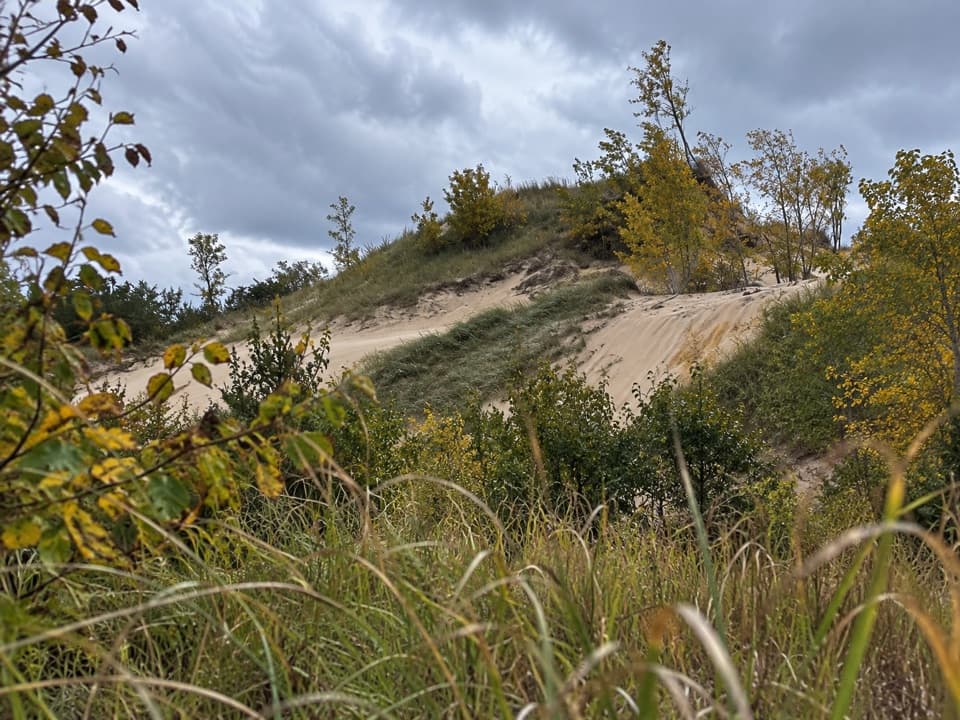
2.4 mi awayWest Beach TrailStairs, sand, and skyline views over classic Great Lakes dunesModerate · 3.5 mi · 1.8 hr
2.8 mi awayLong Lake Viewing PlatformPlatform overlooking an interdunal lake with easy birdingParking · Scenic Viewpoint
3.1 mi awayWest Beach - Dune Succession TrailShort dune loop with stairs, skyline views, and a beach finishModerate · 1 mi · 22 min
3.2 mi awayLong Lake Trail (West Beach)Quiet loop with lake-edge birding, sand, and a rare jack pine stretchEasy · 2.2 mi · 1.3 hr
3.4 mi awayTolleston Dunes OverlookRoadside boardwalk over dunes and wetlands, with birding and quietPullout · Parking
3.4 mi awayWest Beach OverlookStair climb to sweeping dune and lake views above West BeachTrailhead · Restroom
3.4 mi awayWest BeachBig, amenity-rich stretch of Lake Michigan with dune viewsTrailhead · Restroom