Sunwapta Falls

Powerful roadside falls with a photogenic island and canyon bridge

Sunwapta Falls, Jasper National Park
Image credit: Flickr

Pros & cons

PROS

  • Jaw‑dropping upper falls just steps from the parking lot
  • Quieter lower falls via an easy short trail with multiple viewpoints
  • Iconic bridge view with a little tree‑topped island above the drop

CONS

  • Upper viewpoints get crowded in peak summer
  • Mist makes surfaces slick; limited space at prime photo spots
  • Only basic facilities on site

Overview

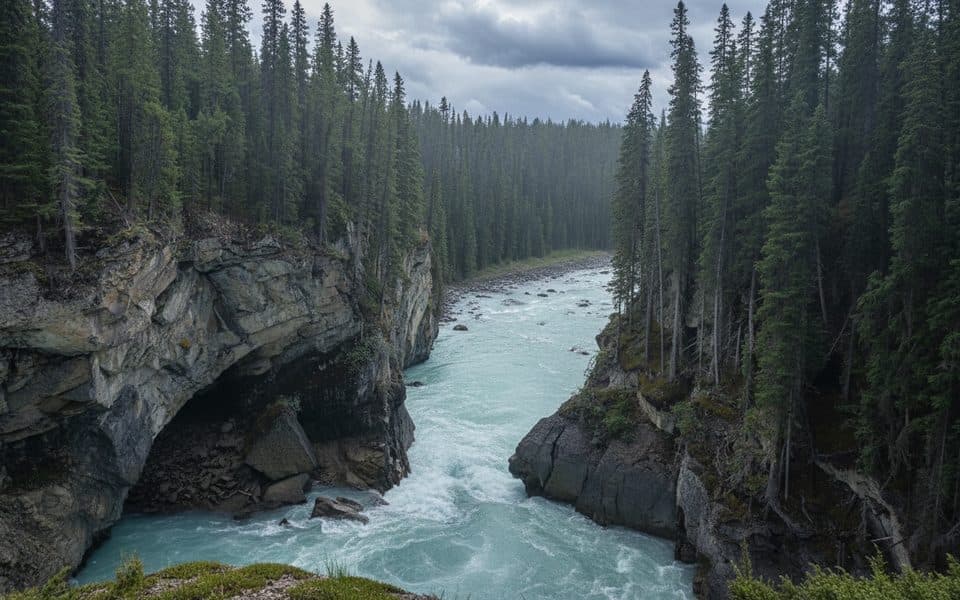
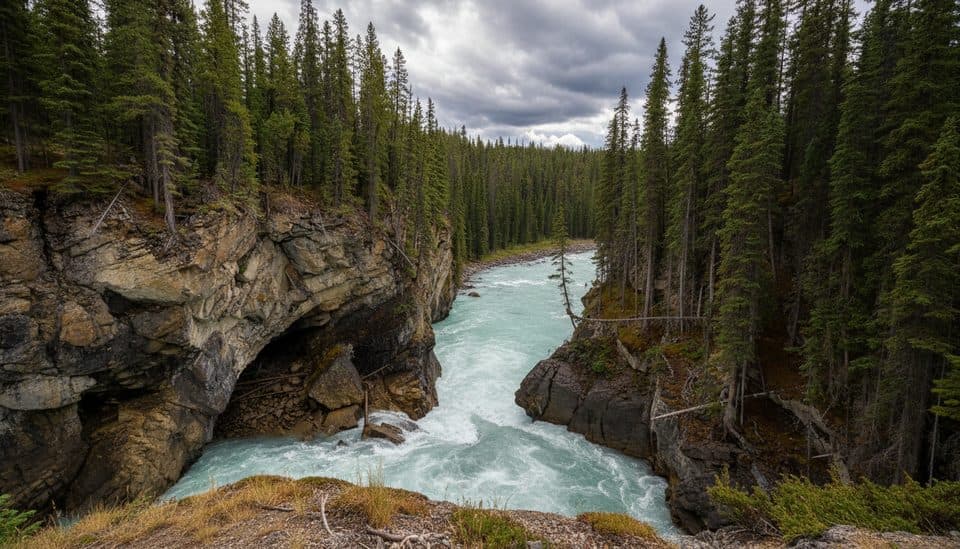
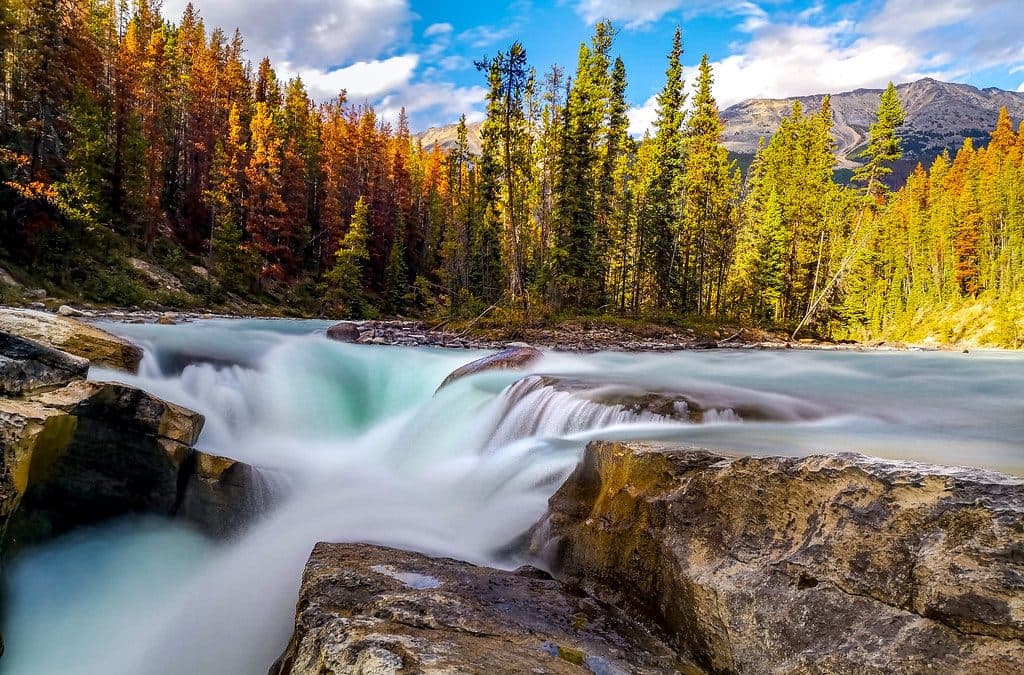
Sunwapta Falls is a two‑part waterfall showpiece right off the Icefields Parkway, about 55 km south of Jasper. The upper falls thunder through a tight limestone gorge, then the river tumbles again at the lower falls after a short, mellow walk. It’s one of those stops that looks like it’s been designed for maximum wow with minimal effort—and it delivers.

What makes it special

  • The classic viewpoint is a bridge over the canyon, framing a tiny tree‑topped island just before the water plunges—easily one of the Parkway’s most photogenic scenes.
  • The upper falls drop about 18.5 m (61 ft) and are all about raw power; the lower falls trail peels away the crowds and gives you multiple angles on the river carving downstream.

Upper vs. Lower Falls

  • Upper Falls: 100 m or so from the lot. Big water, tight gorge, fast visit, peak crowds.
  • Lower Falls: roughly 2.6–3 km round trip with gentle elevation, through quiet forest to several viewpoints. Far fewer people, just as rewarding.

Geology and backstory

Glaciers sculpted these valleys thousands of years ago, leaving the smaller Chaba Valley hanging above the main Athabasca Valley. That drop created the falls and their narrow canyon. The Sunwapta River itself is fed by the Athabasca Glacier, and “Sunwapta” comes from the Stoney word for “turbulent water,” which fits the roar you’ll hear from the bridge.

Wildlife

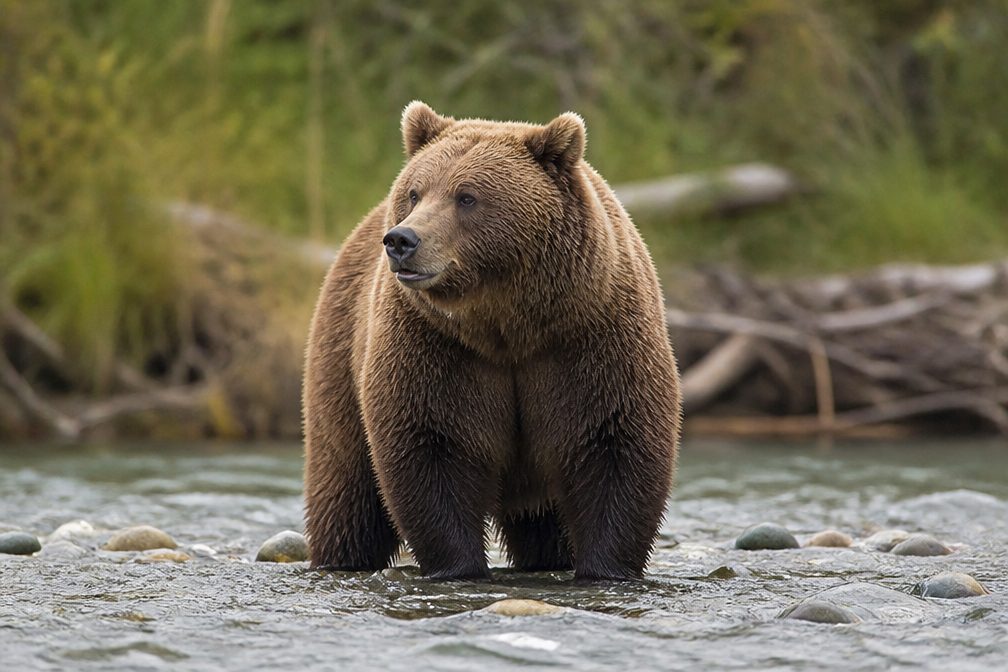
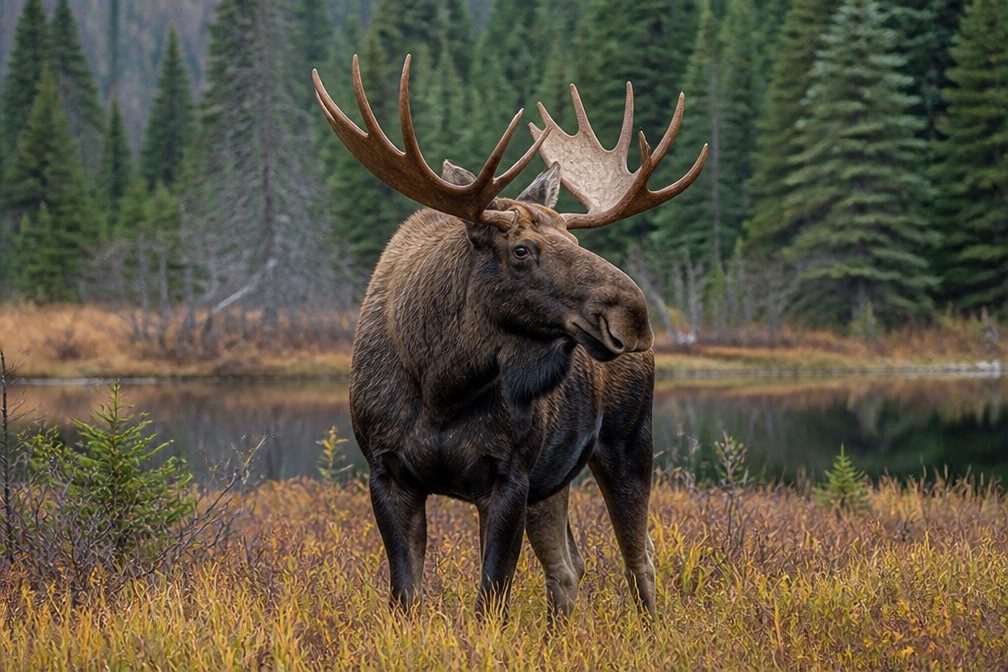
The nearby Chaba River burn (a 1967 wildfire) turned into prime habitat—bears and moose are known to work this area, with deer and birds commonly around too. Make noise on the lower falls trail and carry bear spray if you’re heading away from the main viewpoints.

When to go (best time to visit)

  • Late spring through early summer: peak flow from glacial melt, biggest drama.
  • Summer: come early or late in the day to avoid tour‑bus crunch at the upper falls.
  • Winter: quieter and beautiful with ice formations—expect cold and icy footing; check conditions and potential hazards before you go.
  • Photography: soft morning or evening light works best; mist is common near the brink.

Practicalities

  • Facilities are simple: parking, toilets, and picnic tables at the day‑use area. No services right at the falls beyond that.
  • The lodge up the road can cover food and beds, but think of the falls area as day‑use only.
  • Surfaces get slick from spray—stay behind railings and mind kids near edges.
  • A valid Parks Canada pass is required to visit.

Worth it?

Absolutely. Even if you’re blasting down the Parkway, the upper falls are a no‑effort, high‑reward stop—and if you have 45–60 extra minutes, the lower falls make it a complete experience.

Where it is

52.5323, -117.6451
Sunwapta Falls

Tips for Sunwapta Falls

  1. 01Walk to the lower falls for quieter views and better angles—most people skip it.
  2. 02Arrive early or late to sidestep tour‑bus crowds at the bridge.
  3. 03Wear shoes with good traction; mist makes rock and pavement slick.
  4. 04Carry bear spray and make noise if you continue past the main viewpoints.
  5. 05Late spring to early summer has the most dramatic flow for photos.

Amenities

Near Sunwapta Falls

All places →All trails →

More about Sunwapta Falls

PARKWOLF TOUR GUIDE

Like a tour guide in your car.

Save the places you found around Jasper, then let Parkwolf guide the drive between them.
Download Parkwolf on the App StoreGet Parkwolf on Google Play
The Parkwolf tour guide sitting on a phone mounted in a car
Get the Audio Tour Guide for your drive through JasperOpen Parkwolf