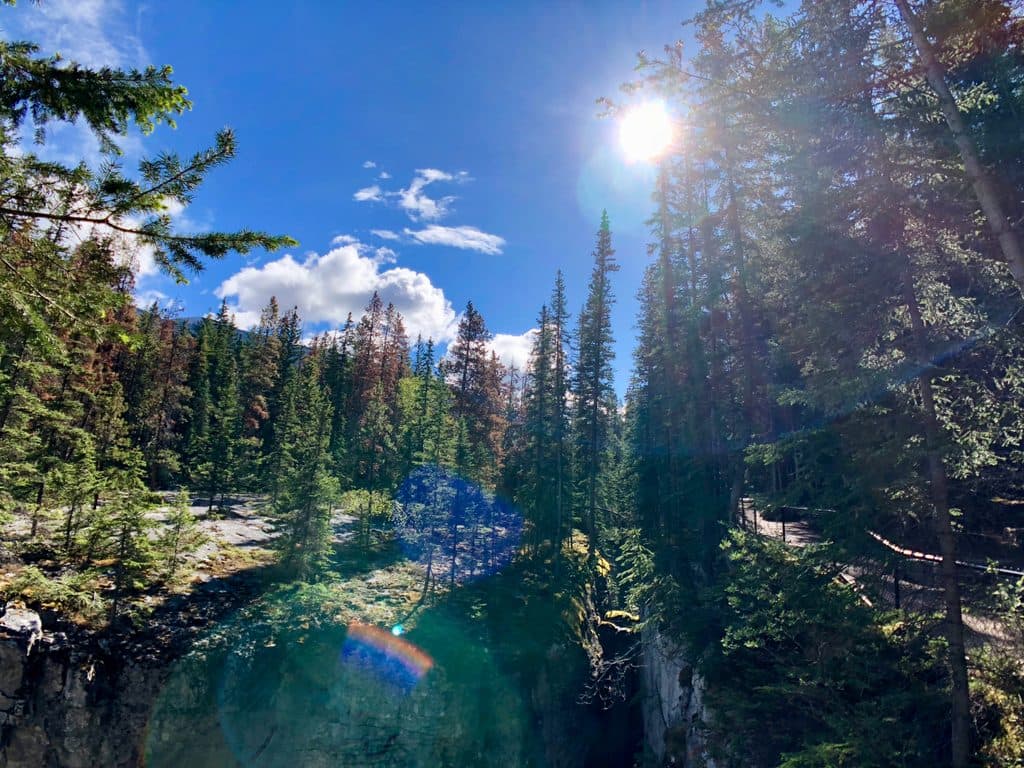
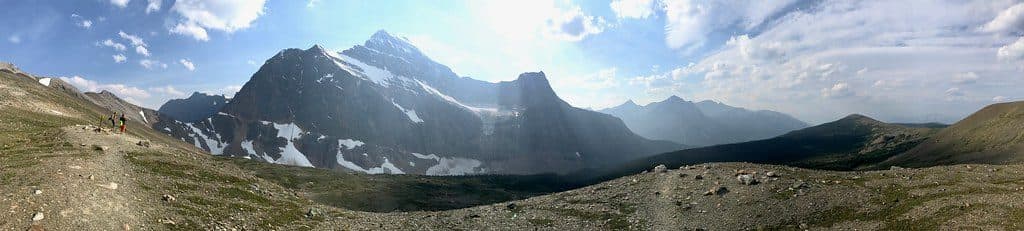
Fiddle River Trail is a rugged 23.5-mile (37.8 km) one-way point-to-point backcountry route from Whitehorse Creek Campground to the Source of the Springs trailhead at Miette Hot Springs. Allow about 3–4 days, or roughly 32 hours of hiking, and arrange transportation between the two trailheads. The route climbs through Whitehorse Wildland Provincial Park to Fiddle Pass (about 2,120 m / 6,955 ft), then continues through Jasper National Park along the Fiddle River valley to Miette.
From Whitehorse Creek, the route follows Upper Whitehorse Creek Trail toward Fiddle Pass, passing through the Fiddle Pass backcountry area before crossing into Jasper. In Jasper it passes Whitehorse Campground (#54), Slide Creek Campground (#52), and Utopia Campground (#51), then descends toward the Source of the Springs trailhead. The mapped corridor includes the required trail connectors and the short paved/boardwalk approach at the Miette end; it is not a loop.
Expect multiple unbridged creek and Fiddle River fords, steep sections, rough and overgrown tread, muddy or unsigned sections, poor sightlines, and landslide or erosion damage. The route is remote and navigation can be difficult, so carry a map, compass, and GPS. Backcountry camping rules differ between Whitehorse Wildland Provincial Park and Jasper National Park; designated Jasper campgrounds and the required wilderness permit apply on the Jasper side. Dogs are permitted, but bikes are not, and horses are restricted on portions of the route.
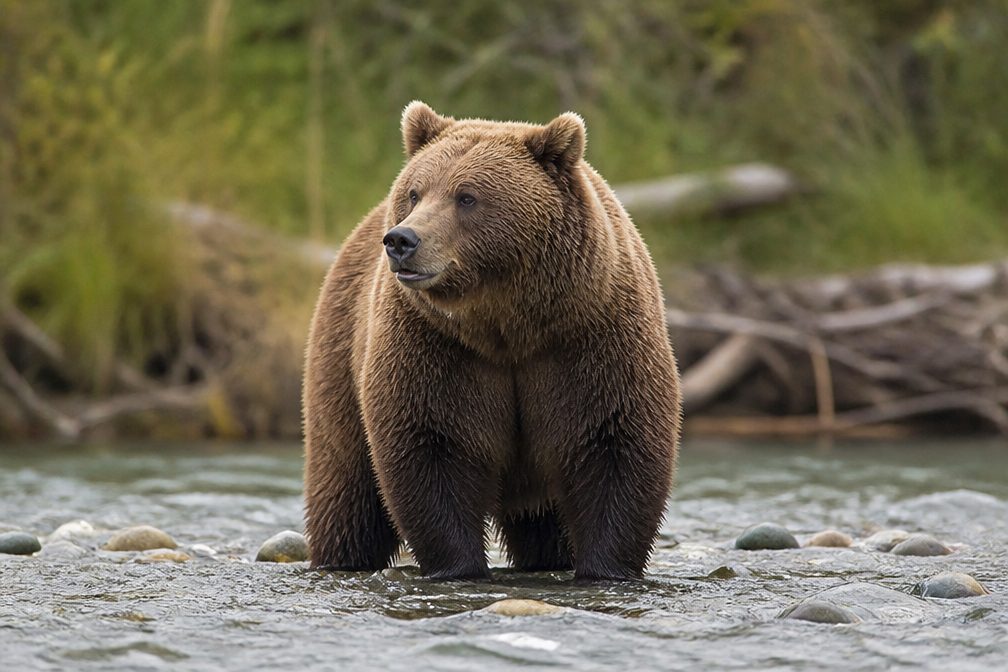
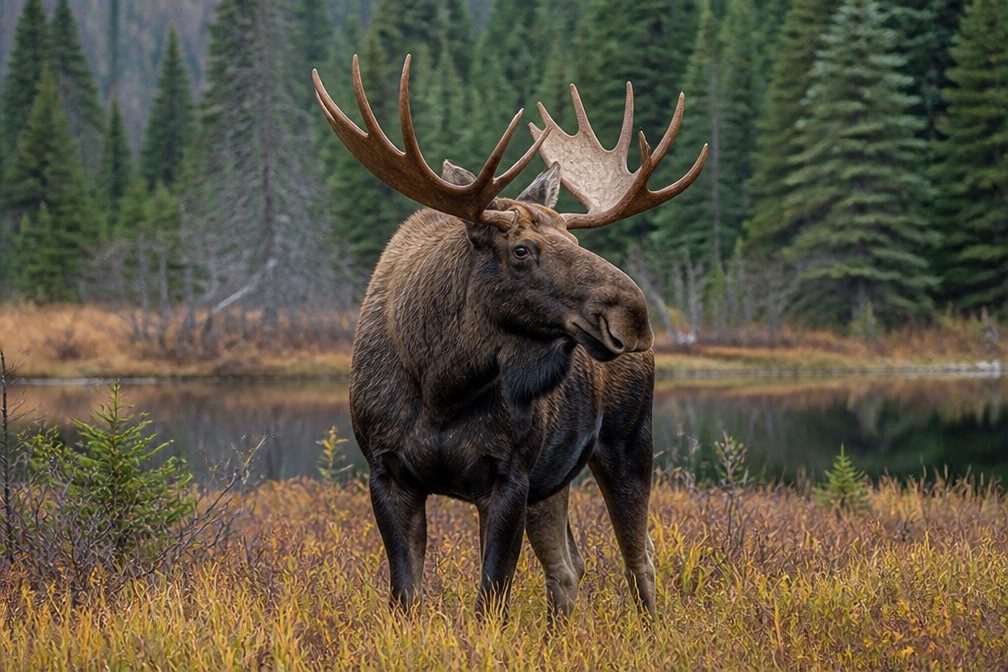
This is bear country with possible bighorn sheep sightings. Secure food, make noise, and check official access and trail conditions before setting out; high water can make the fords unsafe.