Place · 4.2 mi away

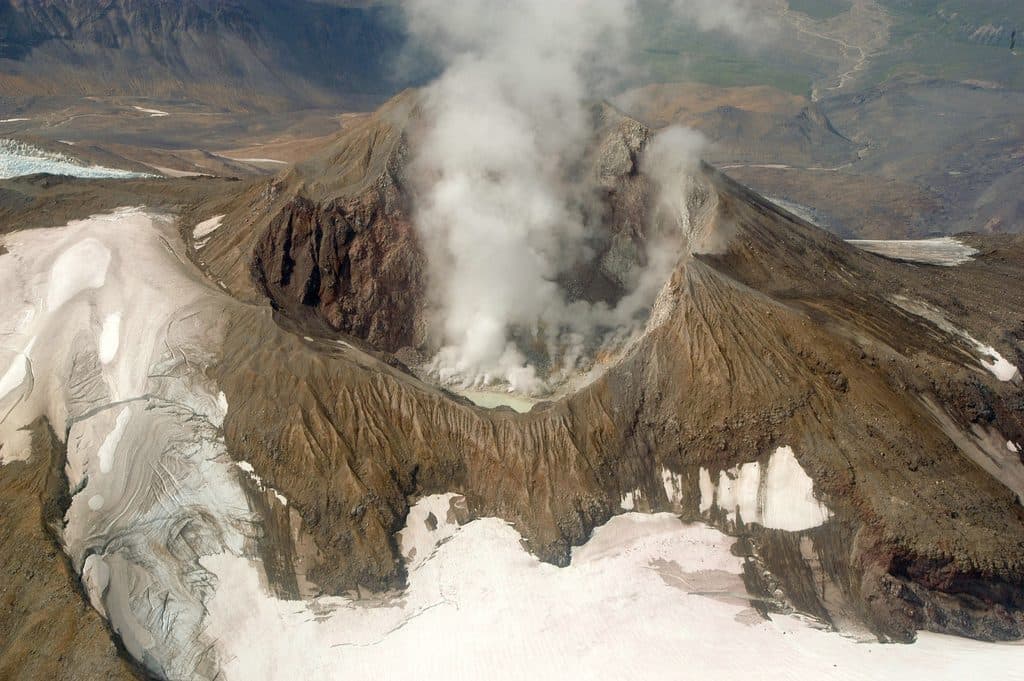
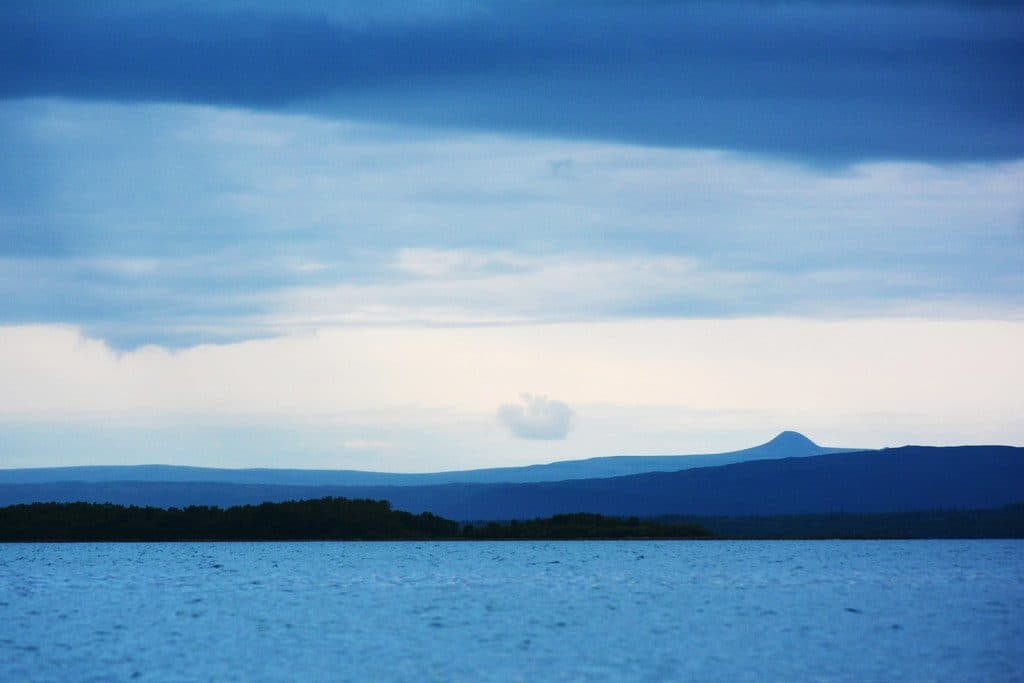
Mount Mageik is a rugged, ice-draped stratovolcano in the heart of Katmai’s volcanic cluster. It wasn’t the source of the 1912 Novarupta eruption, but it looms over that landscape—one of the wildest, most geologically active corners of Alaska. Think crevassed glaciers, volatile weather, and a skyline that looks borrowed from another planet.
There’s no road, no trail, no easy stroll to Mageik. The realistic way to lay eyes on it is:
Mageik sits along the tight Aleutian volcanic front, cheek-by-jowl with Katmai, Trident, Martin, and Griggs. The whole cluster is perched above ancient marine rocks and stitched together by a modern arc system—hence the density of peaks and ongoing fumarolic activity. The 1912 Novarupta blast reshaped the neighborhood and filled the Valley of Ten Thousand Smokes with ash flows, setting the dramatic stage you see today.
Beyond the Overlook’s established area, travel is off-trail: river bars, tundra, ash flats, and glaciated slopes. Approaching Mageik itself demands serious backcountry chops, river-crossing judgment, and, if you’re heading onto ice, glacier travel and crevasse rescue skills. This is not a casual summit objective.
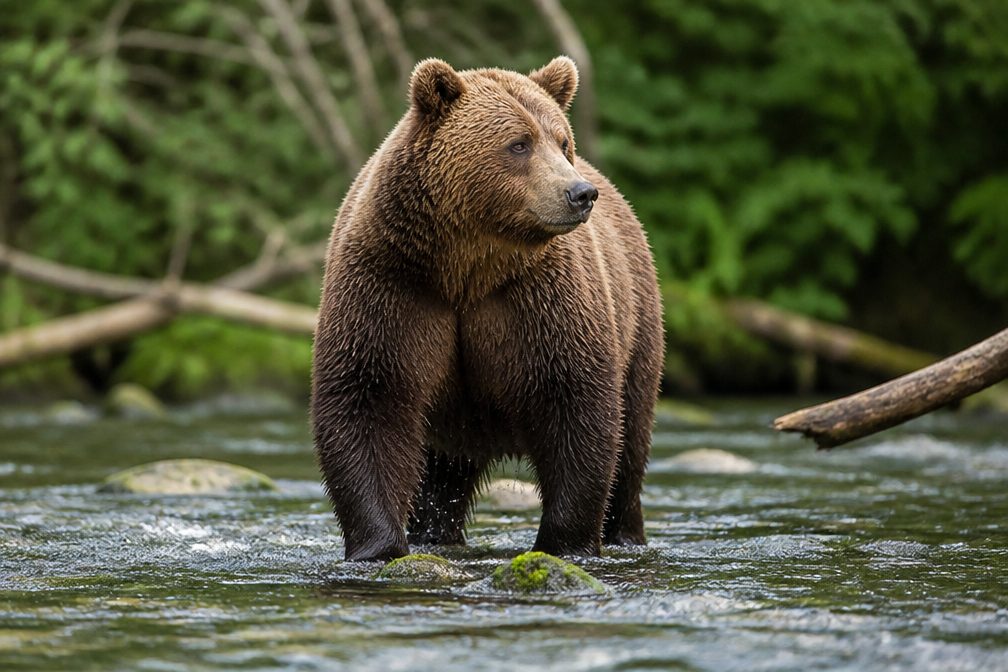
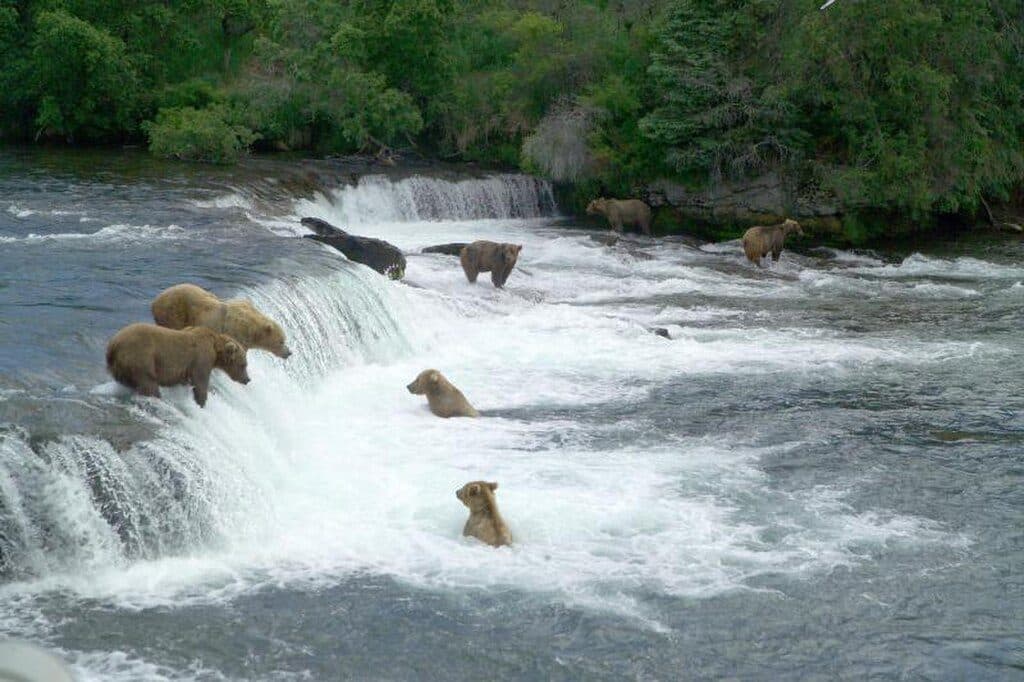
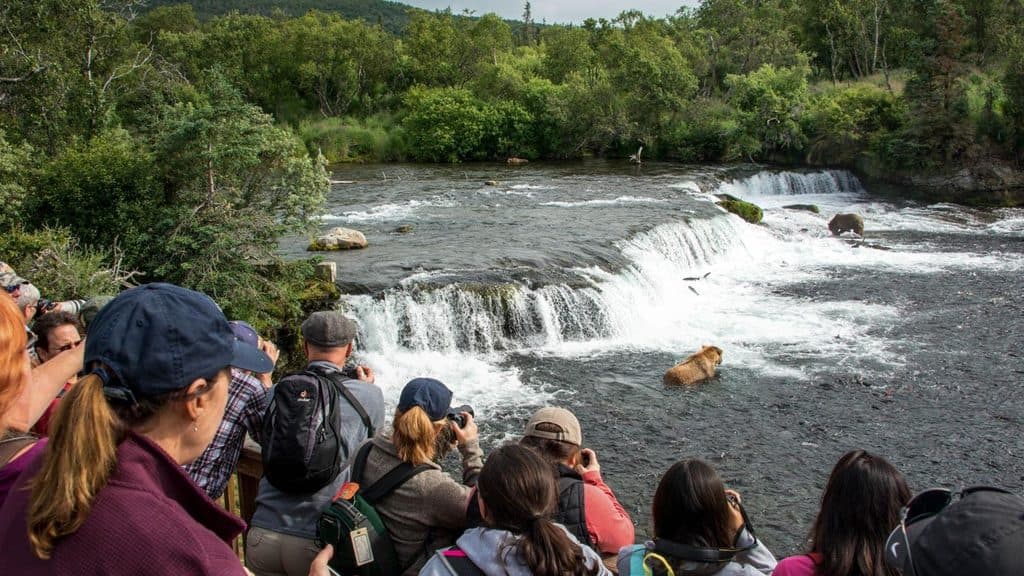
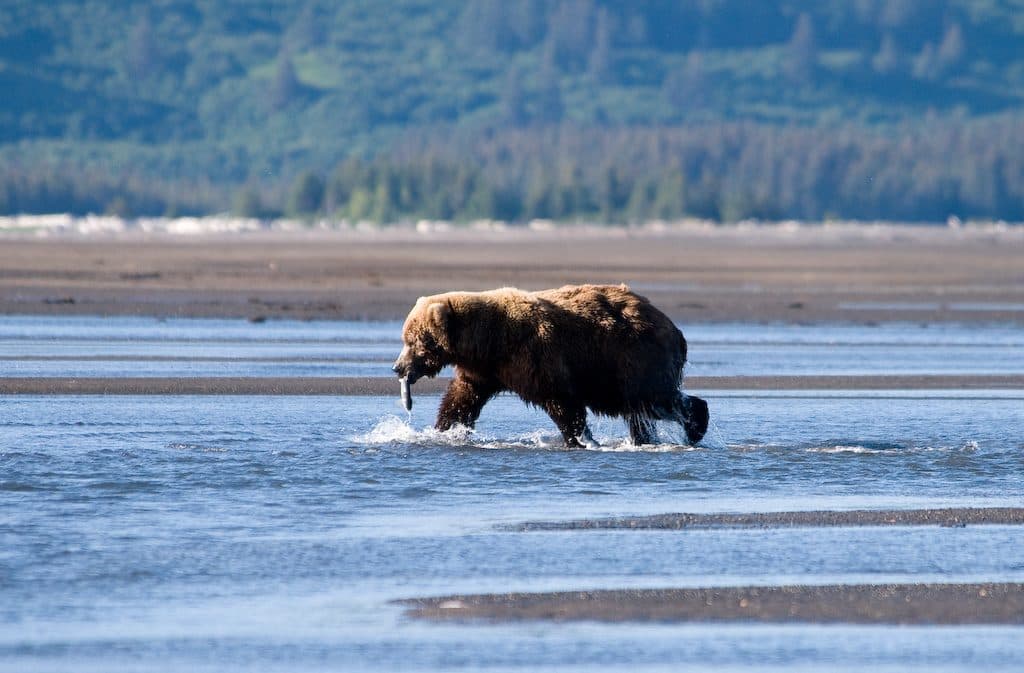
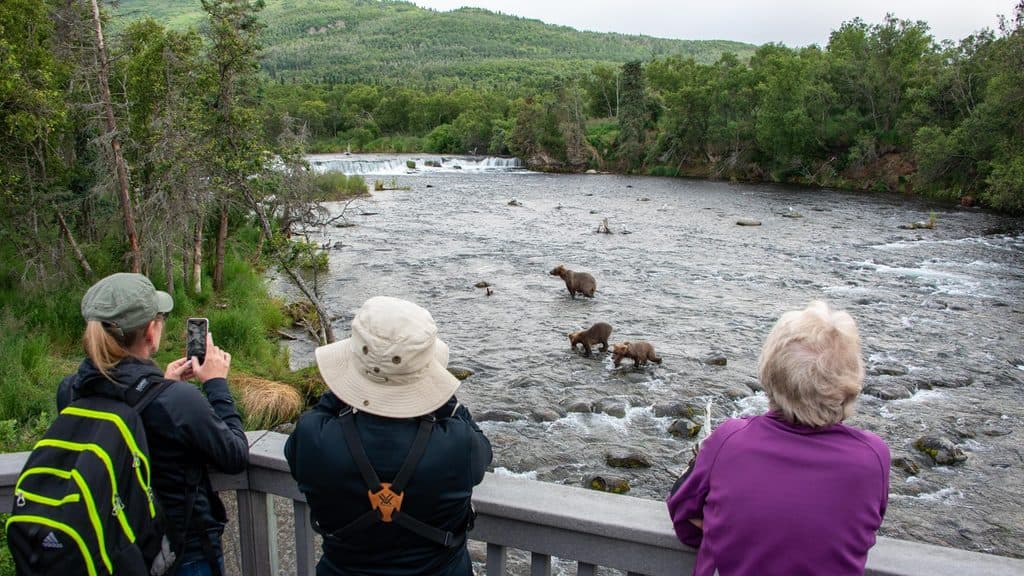
Brown bears are common in the Brooks Camp area and along salmon streams. Expect encounters, give them space, store food properly, and follow park bear etiquette at all times. Your behavior keeps you—and the bears—safe.
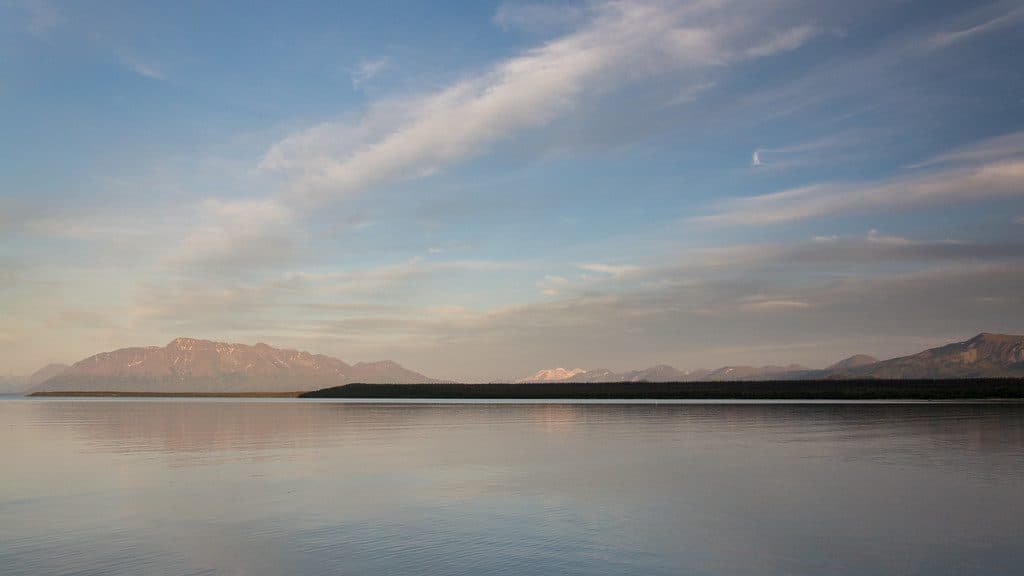
Late June through early September offers long daylight and your best (not guaranteed) shot at clear views. Even then, low ceilings and drizzle are normal. For the Overlook bus, plan early in the day to hedge against afternoon clouds; for flightseeing, keep your schedule flexible to pounce on a weather window.
There’s no infrastructure at Mageik—no toilets, caches, or shelters. Brooks Camp is the seasonal hub for lodging, a small store, ranger info, and a reservable campground with designated cooking shelters and food storage. Bear-resistant food containers can be borrowed in limited supply from park visitor centers if you’re heading into the backcountry.
Weather flips quickly: wind, cold rain, poor visibility. Streams run cold and fast. If you venture beyond the Overlook area, go self-sufficient with waterproof layers, insulation, robust navigation, and bear spray; add glacier gear and experience if you plan to touch ice.