Chiswell Islands

Seabird cliffs and sea lion rookeries viewed by boat
Chiswell Islands, Kenai Fjords National Park
InsideKenai Fjords National Park

Overview

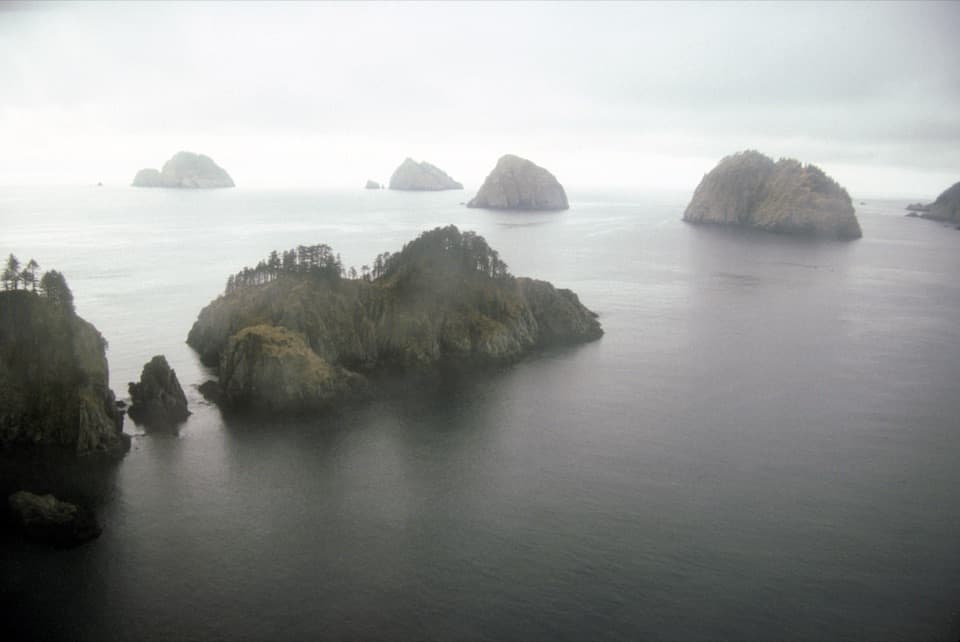
A cluster of steep, wave-battered rocks off the Kenai Peninsula, the Chiswell Islands sit just offshore from the park and are protected as part of the Alaska Maritime National Wildlife Refuge. Most Kenai Fjords boat tours swing by these islands because they’re one of the richest wildlife stops on the route.

Why it’s special

These islands are a sanctuary for nesting seabirds and marine mammals. Boats idle beneath sheer cliffs alive with thousands of birds, while nearby ledges often host Steller sea lions. It’s an easy, high-yield wildlife stop without stepping off the vessel.

Wildlife highlights

Expect dense seabird colonies featuring horned and tufted puffins, black-legged kittiwakes, glaucous-winged gulls, pelagic cormorants, and auklets (including Cassin’s and whiskered). Steller sea lions use the rocks as haulouts and rookeries, with harbor seals and sea otters common. In summer, humpbacks and orcas are frequently encountered in the surrounding waters on the same cruises.

Geology and scenery

The Chiswells shoot straight out of the sea—near-vertical walls with almost no beaches. They’re the eroded cores of hard igneous rock (granodiorite) uplifted by subduction, with glaciers and waves scouring away softer layers over time. The area’s seismic energy shows in its rugged, fractured topography.

How you visit

Access is by boat only, typically on wildlife cruises from Seward. Vessels don’t land; they maneuver close for viewing and photography. Many itineraries pair the Chiswells with tidewater glaciers and can cover roughly 100 miles round-trip, especially May–September when tours are most frequent.

Conditions to expect

Weather on the Gulf side can be raw: fog, rain, and chop are common. Views change minute to minute as clouds lift and birds swirl across the cliffs. Bring layers and be ready for spray—this is a true marine experience, not a shore stop.

Conservation and etiquette

These islands are part of a national wildlife refuge focused on protecting sensitive nesting and pupping habitat. Tours are watch-from-the-boat by design to minimize disturbance. Keep voices down on deck, follow crew directions, and let the wildlife set the distance.

Photography and viewing tips

Binoculars and a zoom lens make a big difference for puffins on high ledges. Pick a rail spot early when the captain announces the Chiswells, and be ready to switch sides as the boat circles. Early and late summer often align with good orca activity in the broader area, while the May–September cruise season offers the most consistent seabird action.

Pros

  • Teeming seabird colonies, including puffins and kittiwakes
  • Reliable Steller sea lion haulouts and rookeries
  • Dramatic vertical cliffs and sea stacks ideal for photography

Cons

  • No landings; viewing is boat-only
  • Fog, rain, and choppy seas can limit visibility
  • Popular cruises can be long and busy in summer

Tips

  • Book wildlife cruises in advance for peak May–September dates.
  • Bring binoculars and a zoom lens to reach birds on high ledges.
  • Dress in warm, waterproof layers; conditions on the water are colder and wetter.
  • If you’re motion sensitive, take seasickness meds before departure.
  • Expect a boat-only experience with no landings at the islands.
The Parkwolf tour guide sitting on a phone mounted in a car

Parkwolf Tour Guide

Like a tour guide in your car.

Save the places you found around Kenai Fjords, then let Parkwolf guide the drive between them.Download Parkwolf on the App Store