Holgate Glacier

Advancing tidewater glacier with dramatic calving, best seen by boat
Holgate Glacier, Kenai Fjords National Park
InsideKenai Fjords National Park

Overview

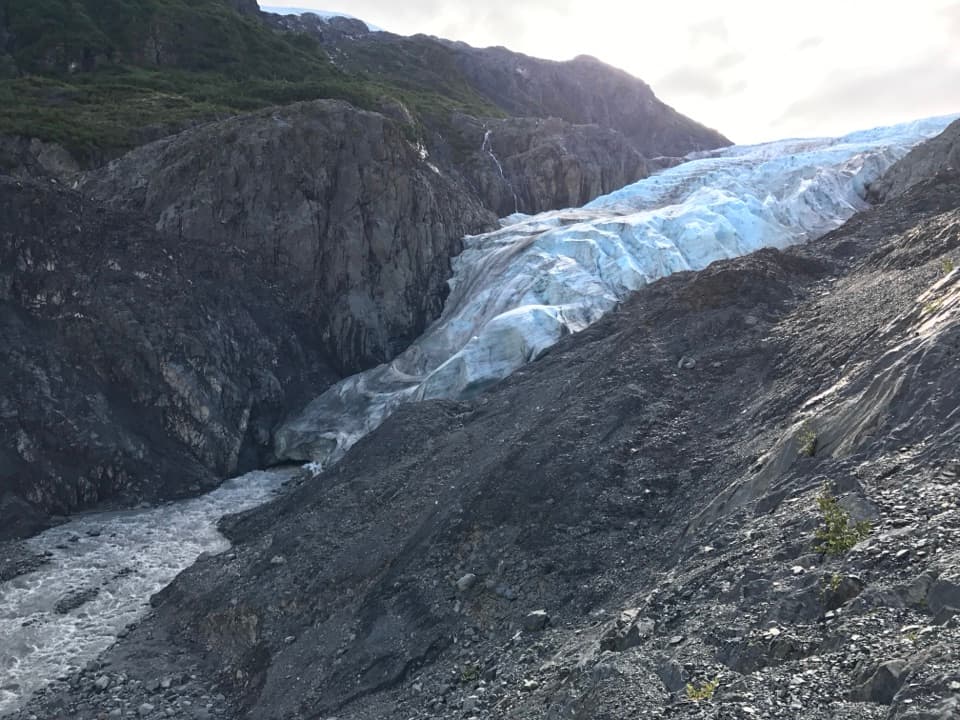
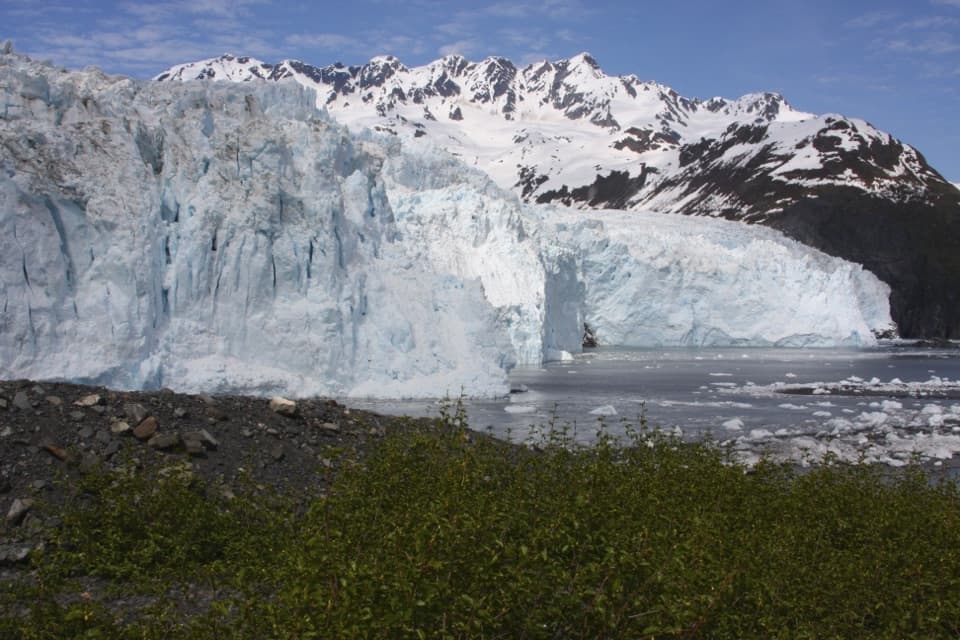
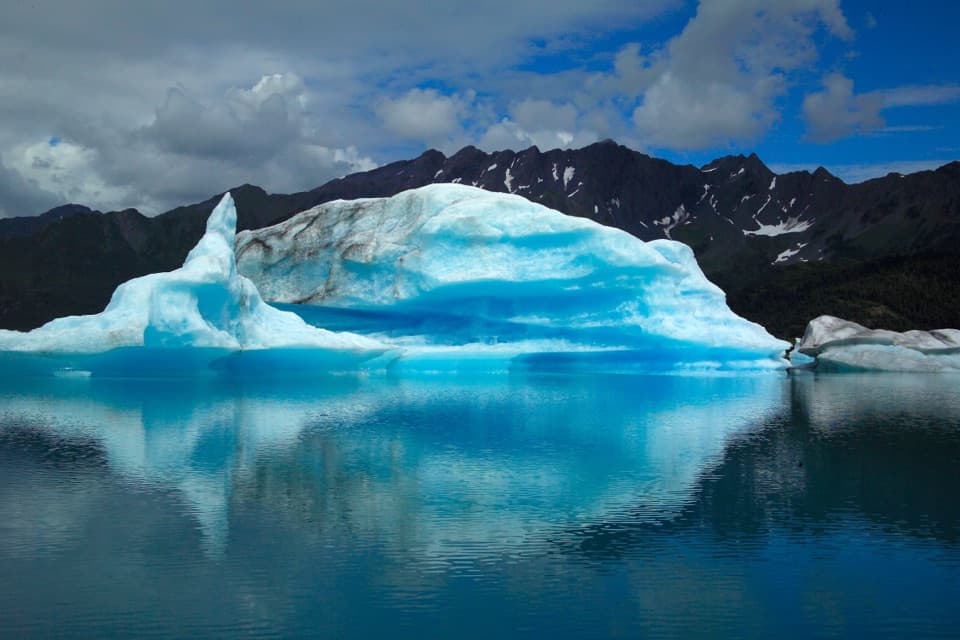
Holgate Glacier pours out of the Harding Icefield and ends right in the sea at Holgate Arm, a side fjord of Aialik Bay. It’s a tidewater glacier that’s actively advancing—a standout in a world where most ice is retreating. The face is roughly half a mile wide and several hundred feet tall, and the ice often glows an unreal blue.

Why It’s Special

This is the classic Kenai Fjords experience: a living wall of ice dropping into saltwater. Holgate is known for dramatic calving—the thunder, the splash, the rolling waves—and for close boat approaches when conditions allow. It’s one of the more accessible tidewater faces in the park’s marine area, making it a headliner on day cruises.

Getting There

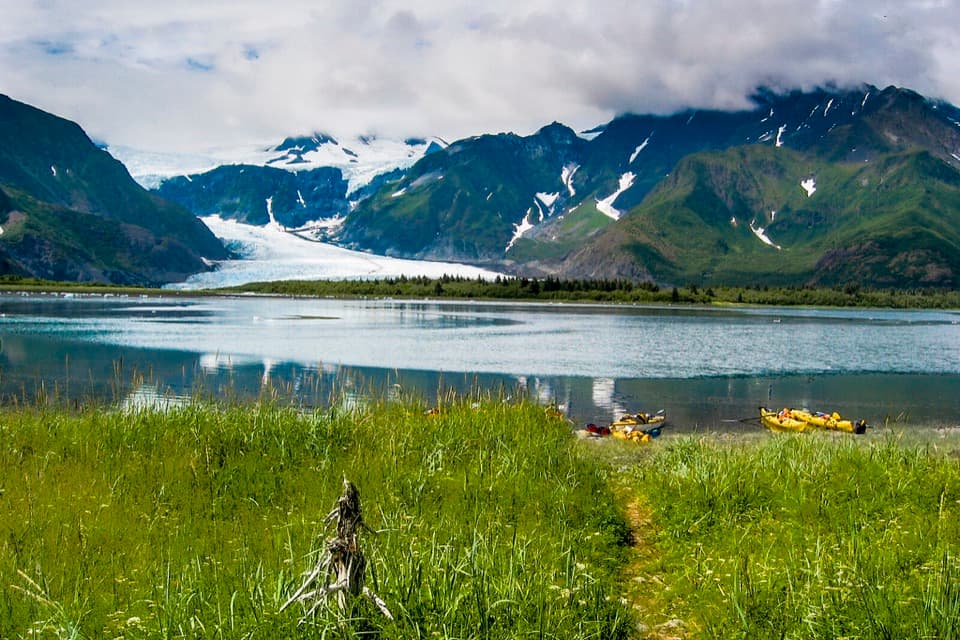
There’s no road access. Most visitors see Holgate on glacier-and-wildlife cruises from Seward, or via water taxi and guided kayak trips. Floatplanes also reach the area in good weather. If you’re set on Holgate specifically, confirm your tour plans to enter Holgate Arm; captains adjust routes based on weather and ice.

What You’ll See

Expect towering ice cliffs, frequent cracks and booms, and a bay peppered with bergy bits. The shoreline is a mix of steep mountains, little waterfalls, and spruce forest. On a calm day, the reflections are superb; on a lively day, the ice puts on a show.

Wildlife Highlights

  • Seabirds are plentiful, thanks to shallow shelves near the bay entrance.
  • Harbor seals and sea lions haul out on ice, with puffins commonly seen on cruises.
  • Humpback whales are occasionally spotted along the approach from Seward.
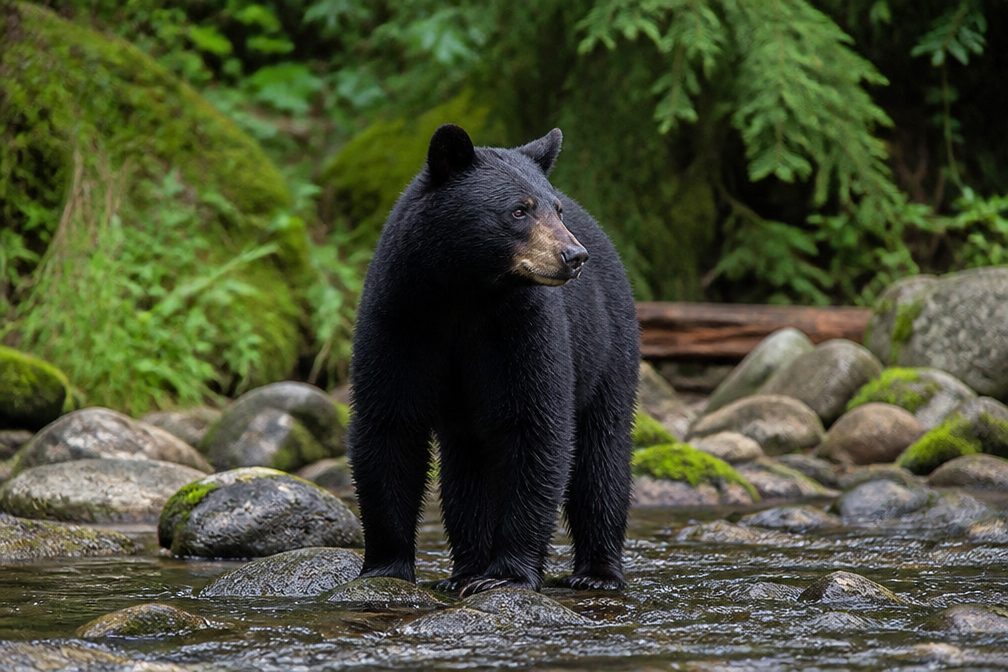
  • Mountain goats often roam Holgate Head; black bears work the beaches in berry season.

Safety and Conditions

Tidewater glaciers demand respect. Calving can send sudden waves and chunks of ice outward—paddlers should keep conservative distances. Marine weather turns quickly here; fog, wind, and rain are common, and visibility can vanish fast. Calving is natural but not guaranteed on any schedule.

Practical Tips

Dress for cold spray even in midsummer—windproof, waterproof layers are your best friends. A zoom lens and binoculars pay off for both the ice and wildlife. Book summer tours ahead; peak days sell out. Build flexibility into your plans in case conditions force route changes.

Staying Nearby (For Context)

The NPS Holgate Public Use Cabin sits on the shore of Holgate Arm with stellar glacier views. It’s boat or floatplane access only, reservation required, with a pit toilet and no running water—bring everything and treat any water you collect. It’s a great base for paddlers exploring Holgate Arm and adjacent lagoons.

Pros

  • Advancing tidewater glacier with frequent calving
  • Cruises from Seward often get safely close for great views
  • Wildlife-rich fjord with seabirds, seals, and seasonal whales

Cons

  • Access is only by boat or flight; no on-site facilities
  • Weather and ice can change plans or limit visibility
  • Calving is unpredictable—sometimes no big icefall

Tips

  • Confirm your cruise plans to enter Holgate Arm; routes vary with ice and weather.
  • Wear windproof, waterproof layers—the deck can be cold and wet even in July.
  • Bring binoculars and a zoom lens for wildlife and calving close-ups.
  • If paddling, keep a very wide berth from the glacier face due to calving waves.
  • Expect plan changes—fog, swell, or ice can alter or shorten the visit.
The Parkwolf tour guide sitting on a phone mounted in a car

Parkwolf Tour Guide

Like a tour guide in your car.

Save the places you found around Kenai Fjords, then let Parkwolf guide the drive between them.Download Parkwolf on the App Store