Place · 5.6 mi away

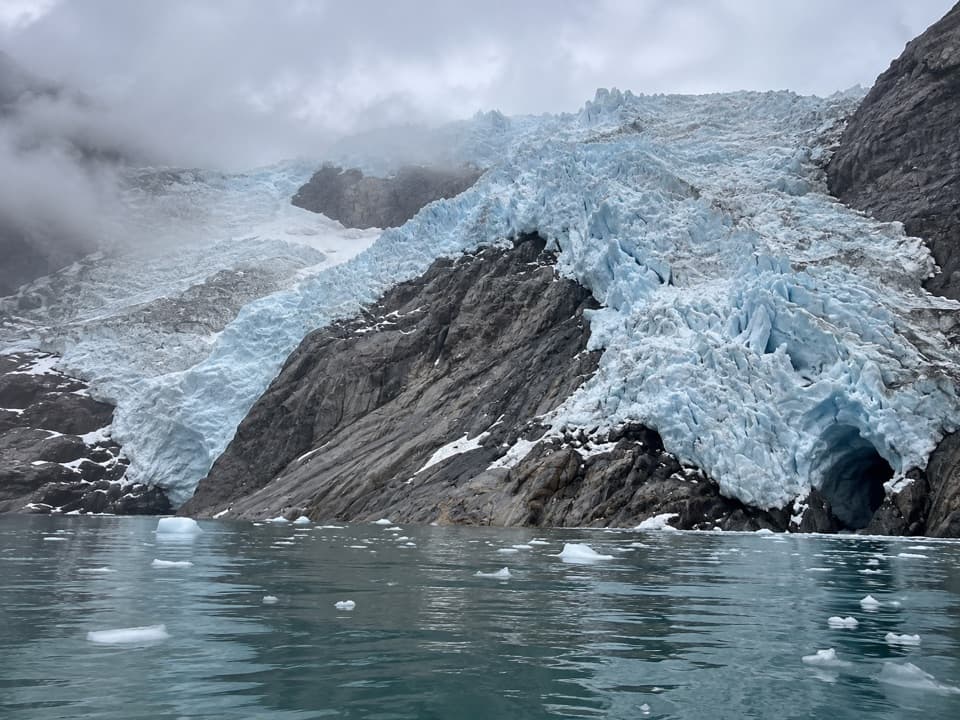
Tucked at the head of Northwestern Fjord, Northwestern Glacier is a true tidewater glacier fed by the Harding Icefield. It’s remote, wild, and only reachable by boat—typically on full‑day cruises that run deep into one of the park’s least‑visited corners. If you’re chasing the drama of cracking ice and the feel of untouched wilderness, this is the run.
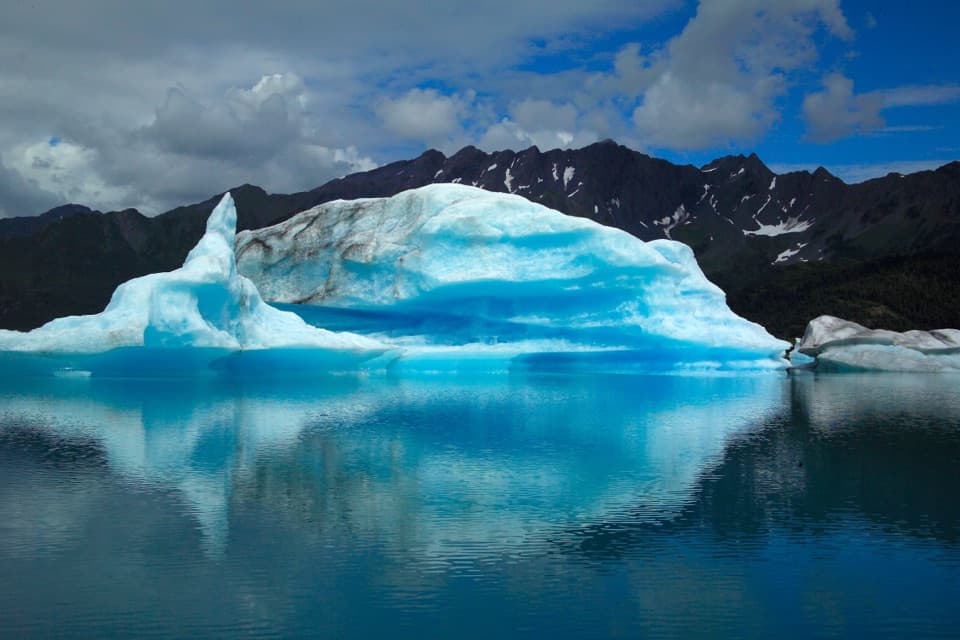
This isn’t a quick scenic stop. The fjord is far from town and sees fewer vessels than better-known routes, which keeps the experience quiet and immersive. The glacier is known for active calving, so you’ve got a solid chance of witnessing house‑sized chunks of blue ice thundering into the sea.
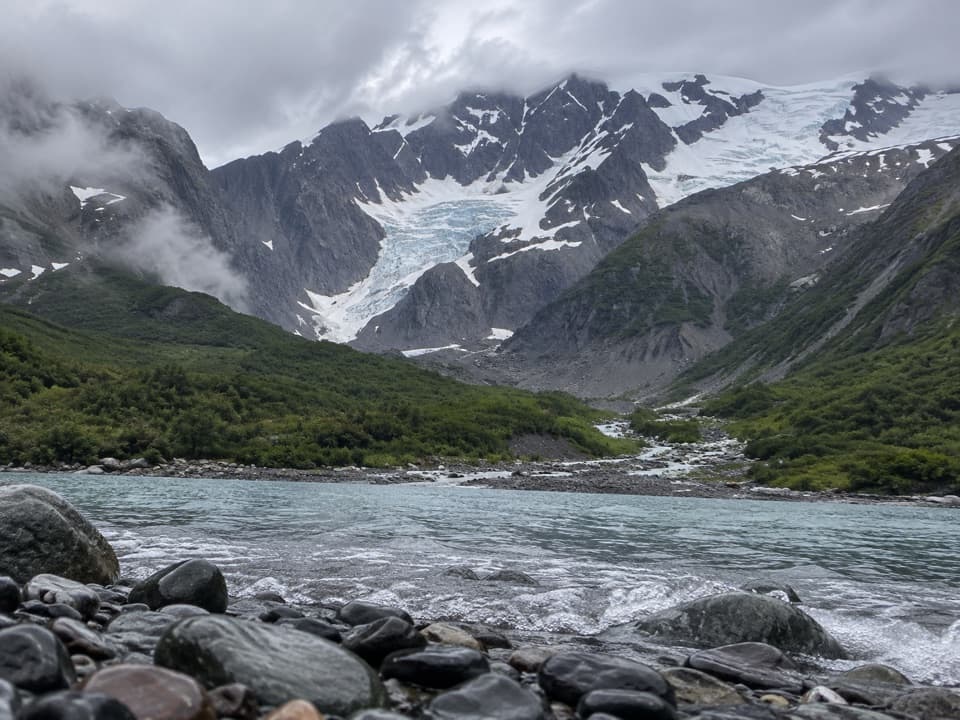
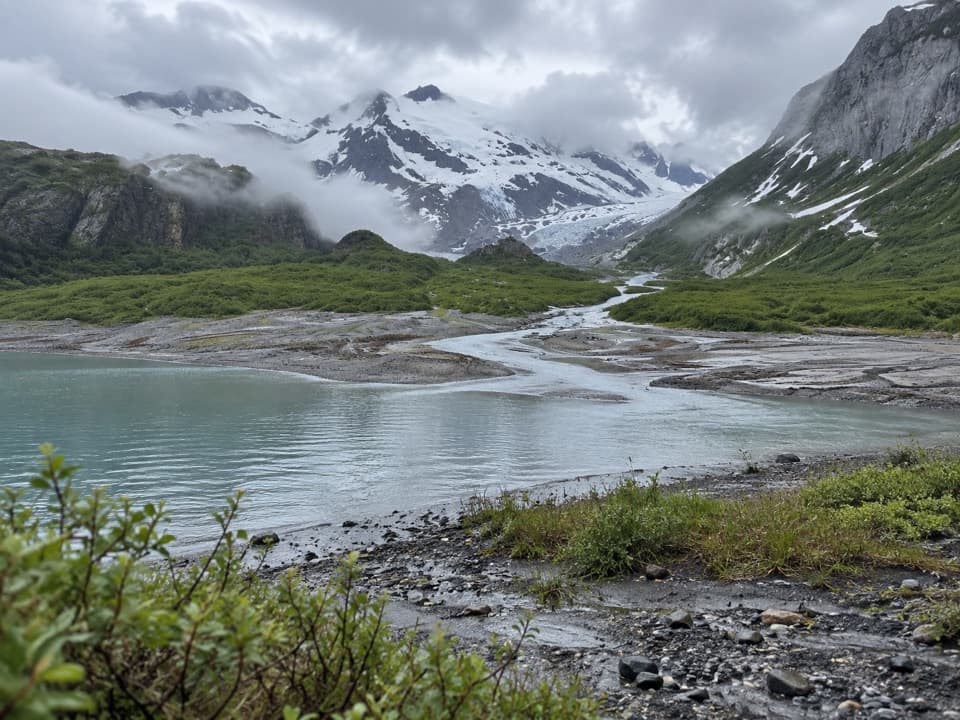
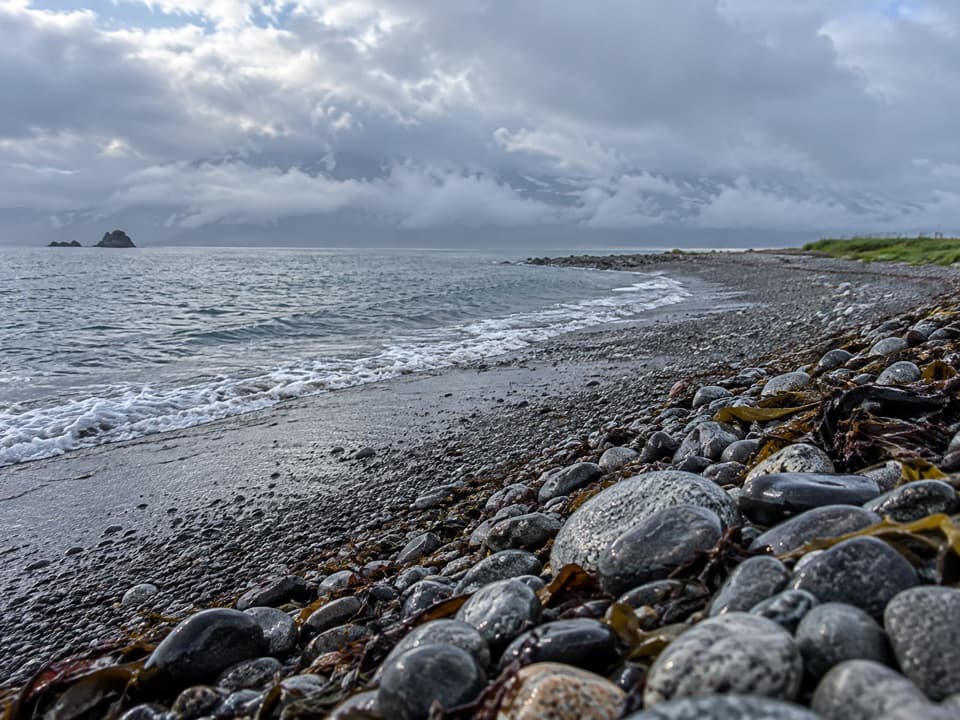
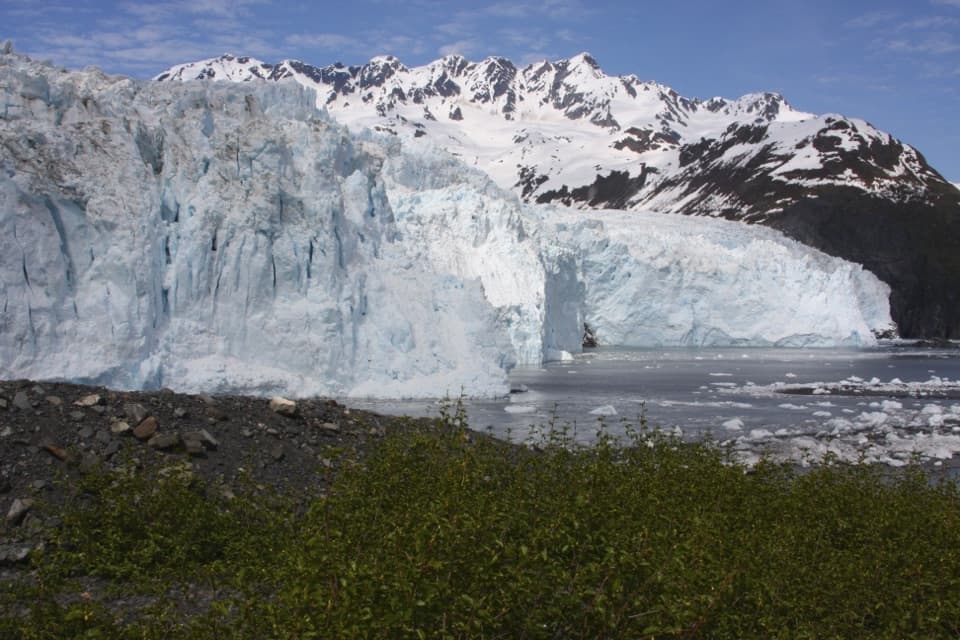
Expect a towering blue face backed by steep, glacially carved mountains and waterfalls (Cataract Cove is a head‑turner). As the glacier has retreated over the past century, it’s revealed new islands and rocky outcrops, adding texture to the fjord. You may also pass other nearby glaciers like Anchor and Ogive as you work toward the head of the fjord.
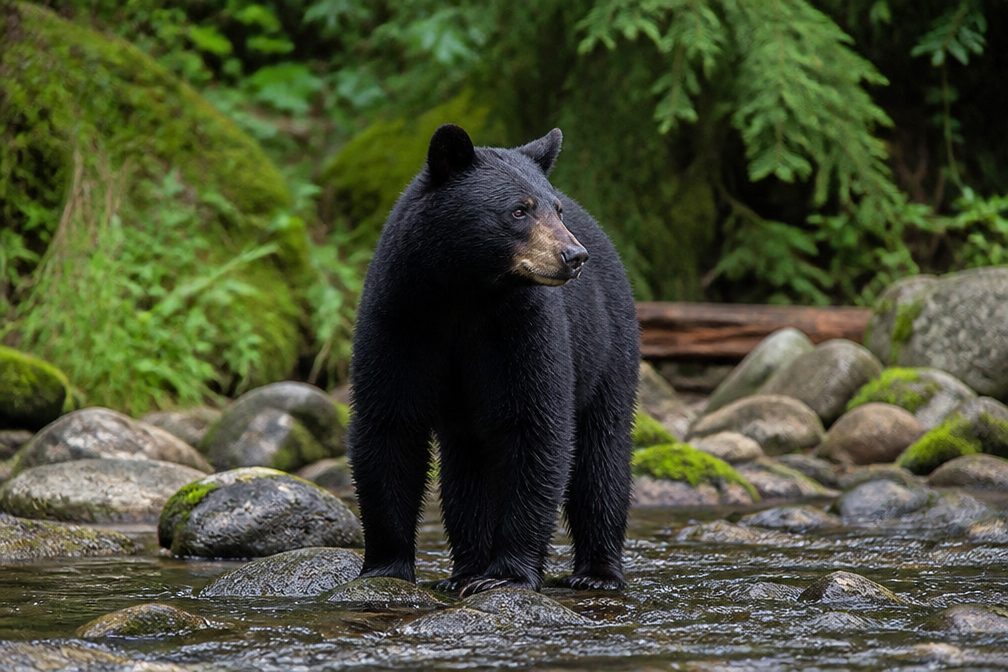
The route to Northwestern Glacier is prime wildlife territory. Keep watch for humpback and orca whales, Steller sea lions, harbor seals, sea otters, and speedy Dall’s porpoises. Bird cliffs and islands host puffins, cormorants, and bald eagles—binoculars make a big difference here.
Access is by water only, roughly a 70‑mile outing from Seward on full‑day (about 8–8.5 hour) narrated cruises. Trips are seasonal, generally May through September. Only a couple of operators run this itinerary, and they tend to follow the same route, so book early if this is on your short list.
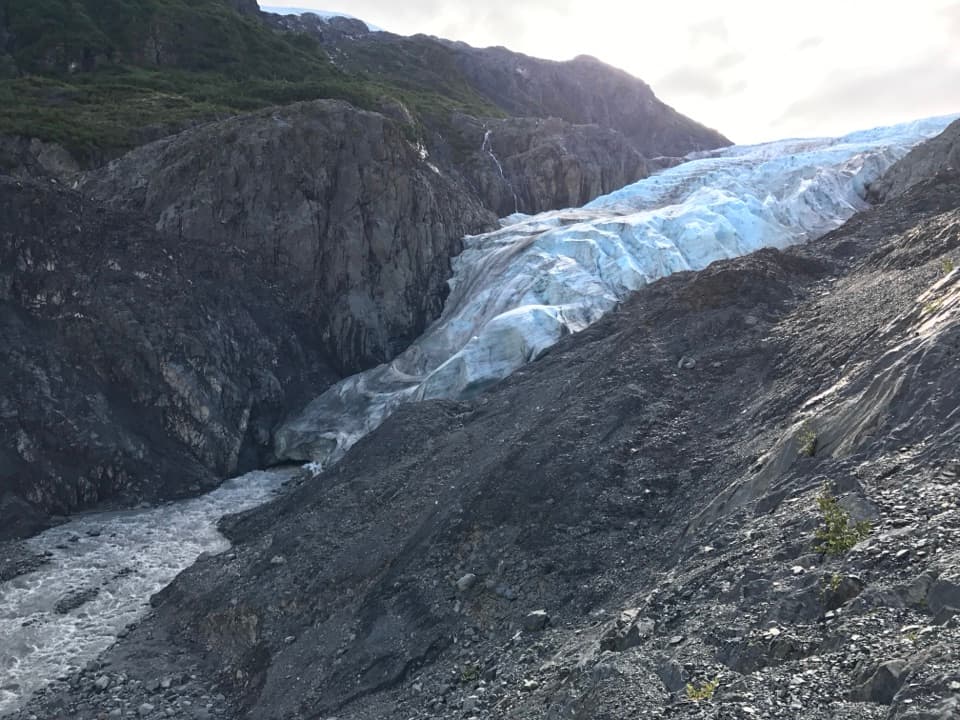
The glacier was named in 1909 for Northwestern University. Like most of the park’s ice, it descends from the Harding Icefield and ends at tidewater. Its long‑term retreat has reshaped the fjord—exposing moraines, islands, and new shoreline that you can see as you cruise.
It can be cold and wet near the ice even in summer. Conditions on the Gulf side can kick up, so motion sickness is a real consideration for some travelers. On the plus side, smaller boats and fewer crowds mean longer, closer looks at the glacier and wildlife when conditions allow.
Bring a zoom lens or good optics for wildlife, then switch to wider angles for the glacier face and waterfalls. Overcast days often make the glacier’s blues pop; calving happens fast, so keep your camera ready.
If you’ve got a full day and want the park at its wildest—calving ice, big marine wildlife, and a fjord with room to breathe—Northwestern delivers. It’s the long-haul, less‑traveled option that rewards the effort.