
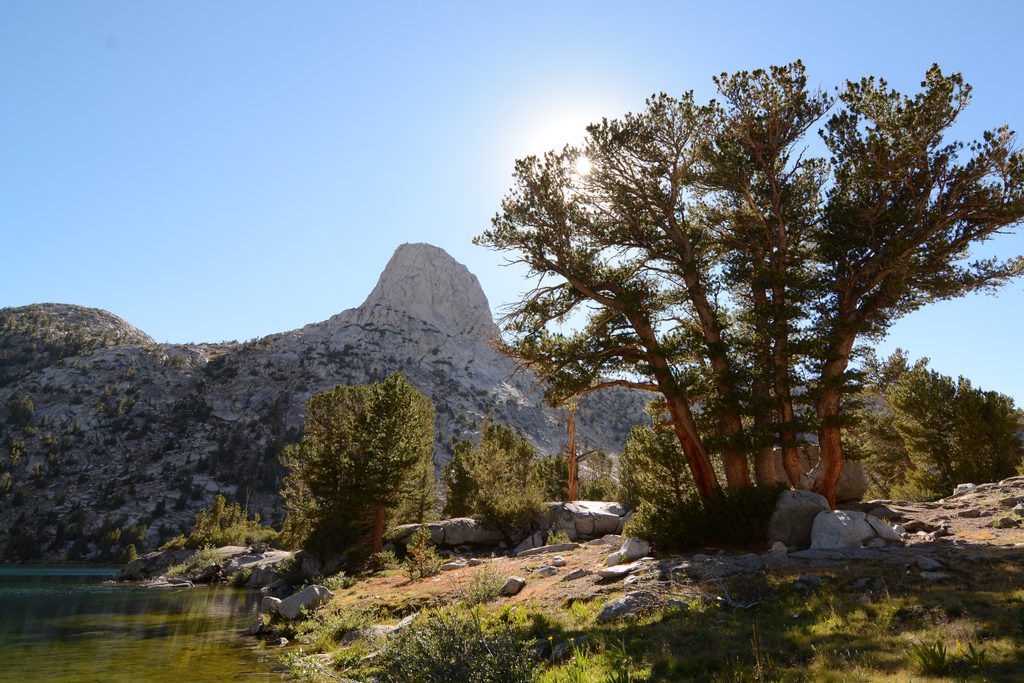
Place · 1.1 mi away
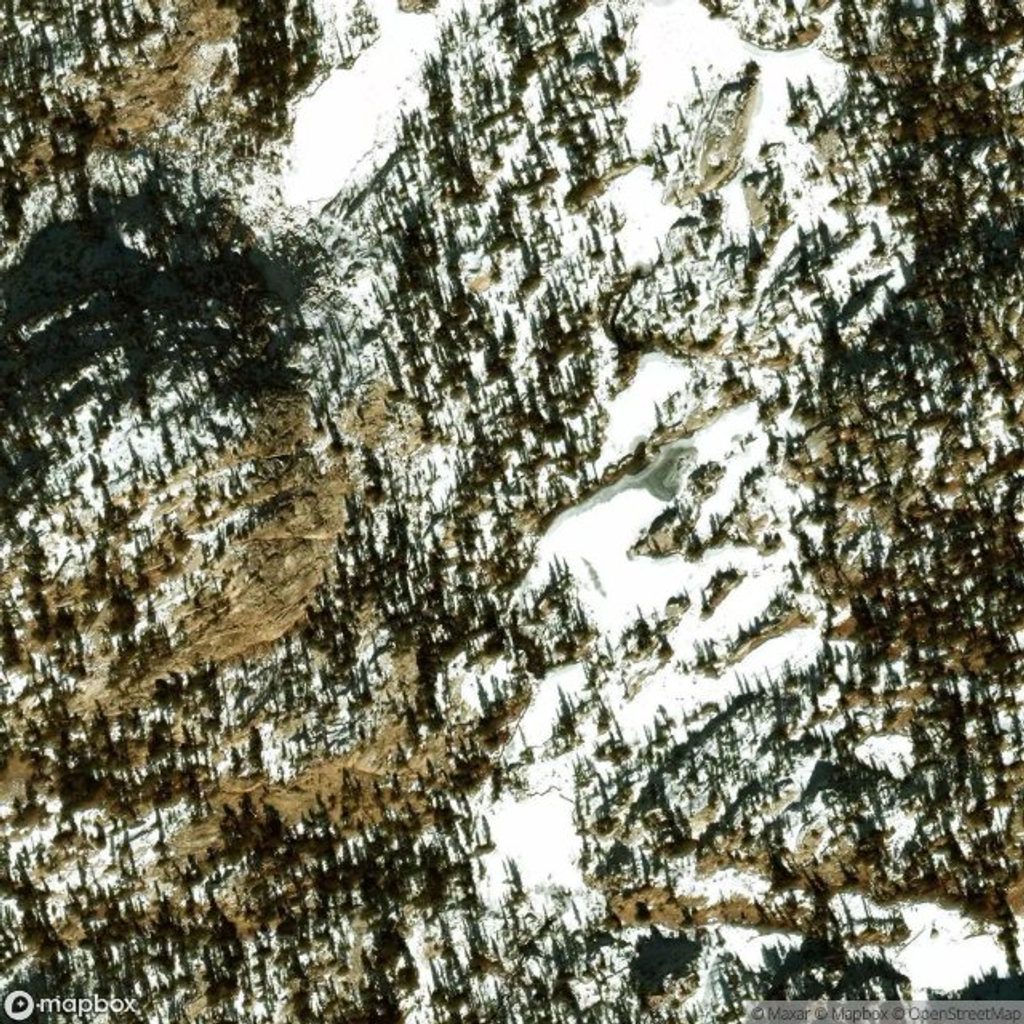
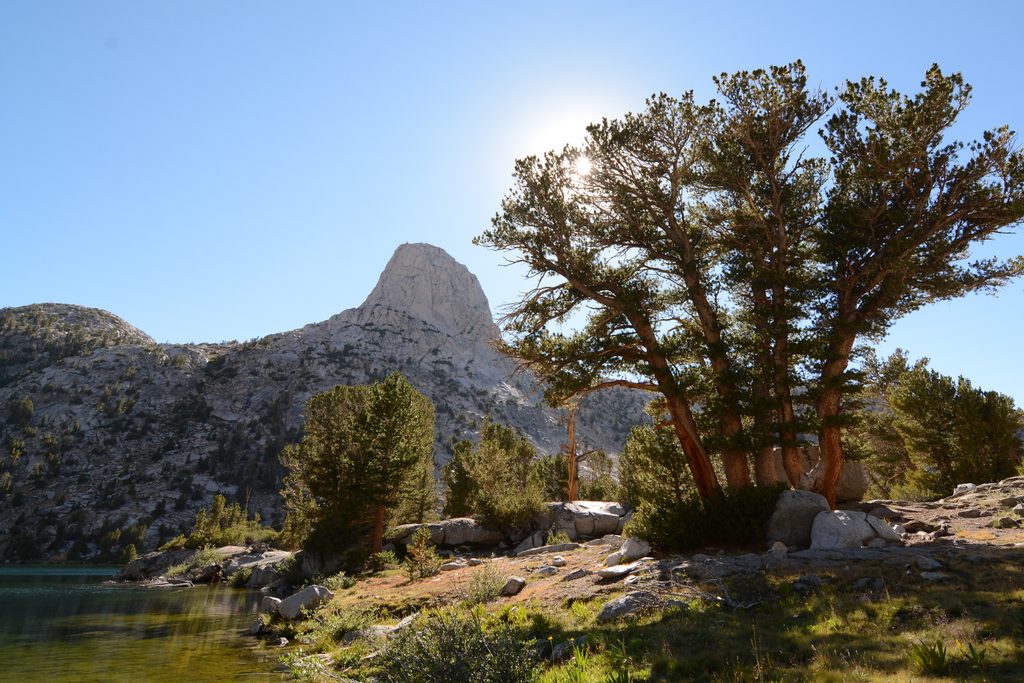
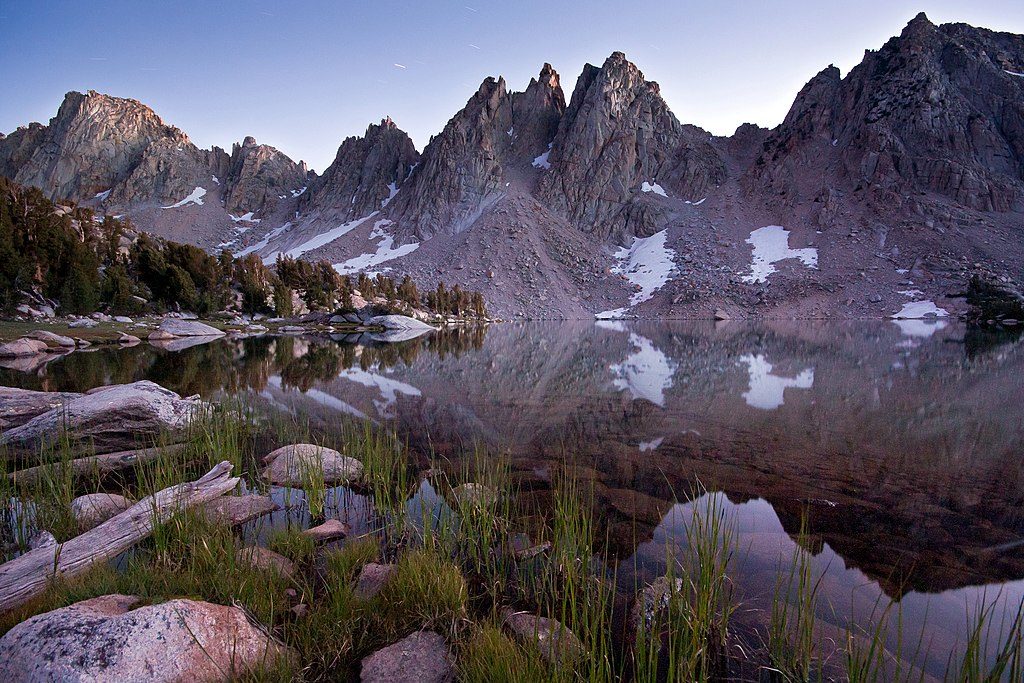
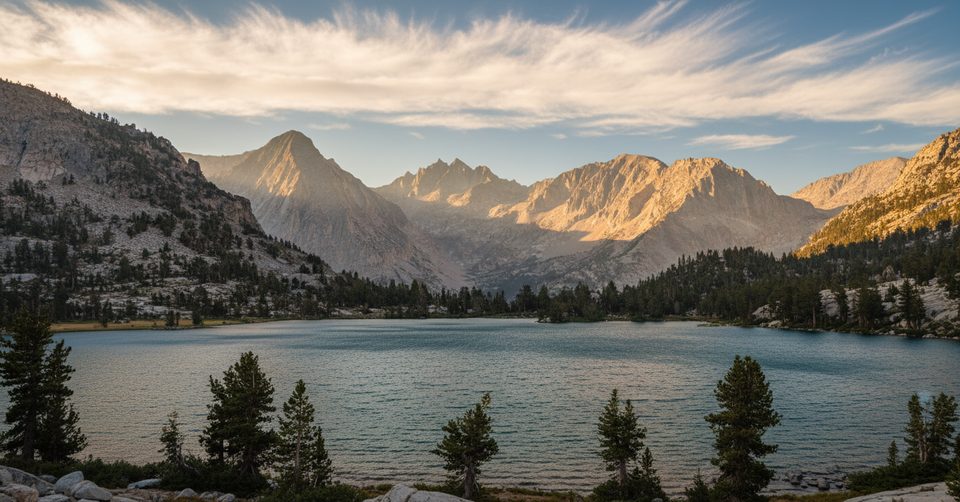
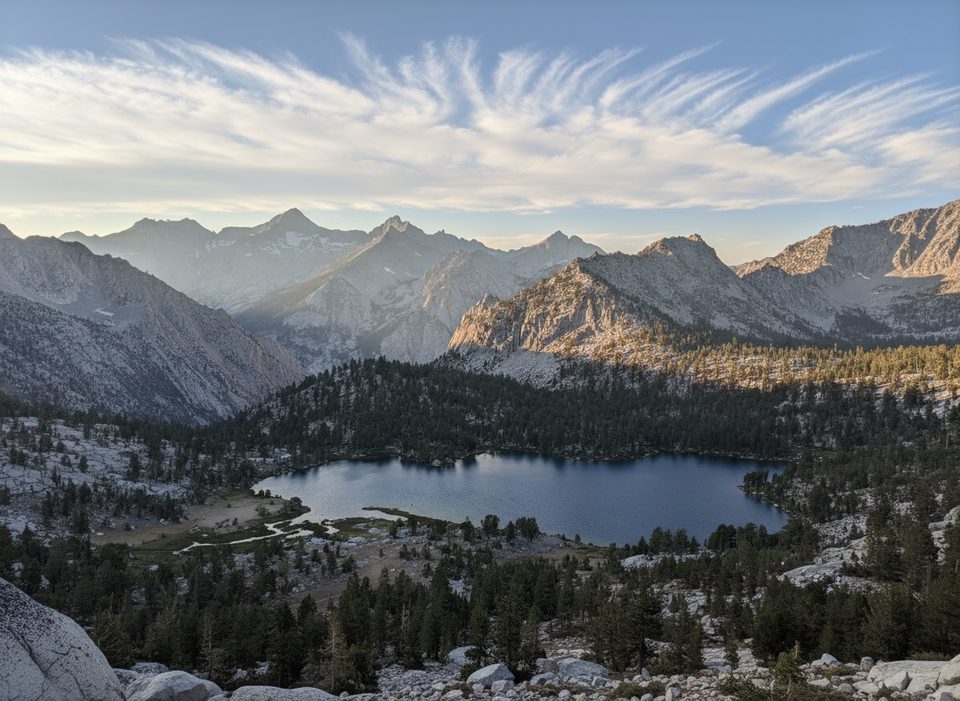
Sixty Lakes Basin is the quieter neighbor to Rae Lakes—a high, glacially carved granite basin dotted with tarns, creeks, and broad slabs. Sitting around 10,800 feet, it trades crowds for solitude and wide-open alpine vistas. Expect rugged terrain, big skies, and that quintessential Sierra Nevada “salt-and-pepper” granite landscape shaped by ice over millennia.
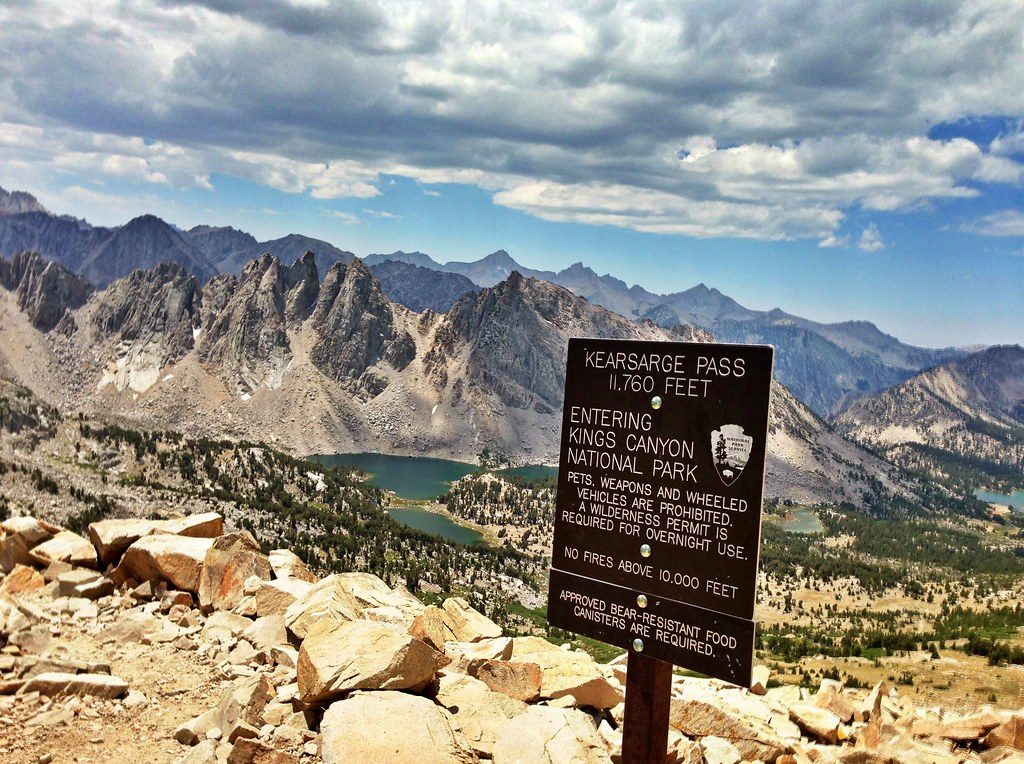
Most backpackers approach from the east via Onion Valley, crossing Kearsarge Pass and then Glen Pass before turning off near Rae Lakes onto the old 60 Lakes trail. Others start from Road’s End (Cedar Grove) on the Rae Lakes Loop/JMT corridor and work up and over Glen Pass to the basin spur. Experienced parties sometimes skip the drop to Rae Lakes by using an off-trail shortcut from near Glen Pass into the upper basin. There’s also a tougher, less-maintained approach via Baxter Pass.
A chain of alpine lakes tucked among low granite ridges, with endless slab wandering and cross-country exploration between waters. The basin’s drama comes from its glacial sculpting—craggy rims, polished rock, and water everywhere. Wildlife highlights can include Sierra Nevada bighorn sheep in the high country and black bears in the Rae Lakes/Charlotte Lake corridor.
This is full backcountry: no toilets, tables, bear boxes, or trash service. Water is plentiful from lakes and streams (treat it), and camps tend to be on rocky benches with sparse trees. Campfires are prohibited above 10,000 feet, which effectively means no fires in this basin. Bear canisters are strongly advised, and Leave No Trace is essential. Wilderness permits are required for overnights and are quota-controlled in peak season.
Once you leave the main corridor, the basin’s paths can fade into use-trail mazes, with sections of easy cross-country between lakes. Expect talus, slabs, and occasional simple scrambling. A short third-class “catwalk” exists along Long Lake’s west shore for those exploring higher basins. Cross-country passes like Shortcut Col and routes toward 60 Lakes Col are reasonable for skilled hikers in good conditions—allow extra time and bring solid navigation.
Best window is generally June through September. Early season often means lingering snow and firm morning ice on the north side of Glen Pass—microspikes have been needed by some June parties. Afternoon storms are possible; start early and watch the sky. Mosquitoes can be lively from early summer into mid-August. Nights stay cold even in midsummer at this elevation.
Use the Rae Lakes area as a brief pass-through to shake the crowds, then settle into the basin for dayhikes on slabs and mellow lake-to-lake rambles. Consider staging a high camp near Glen Pass if you plan to use the off-trail shortcut into the upper basin. Give yourself time—this place rewards slow mornings and golden-hour wanders across granite.
Place · 1.1 mi away
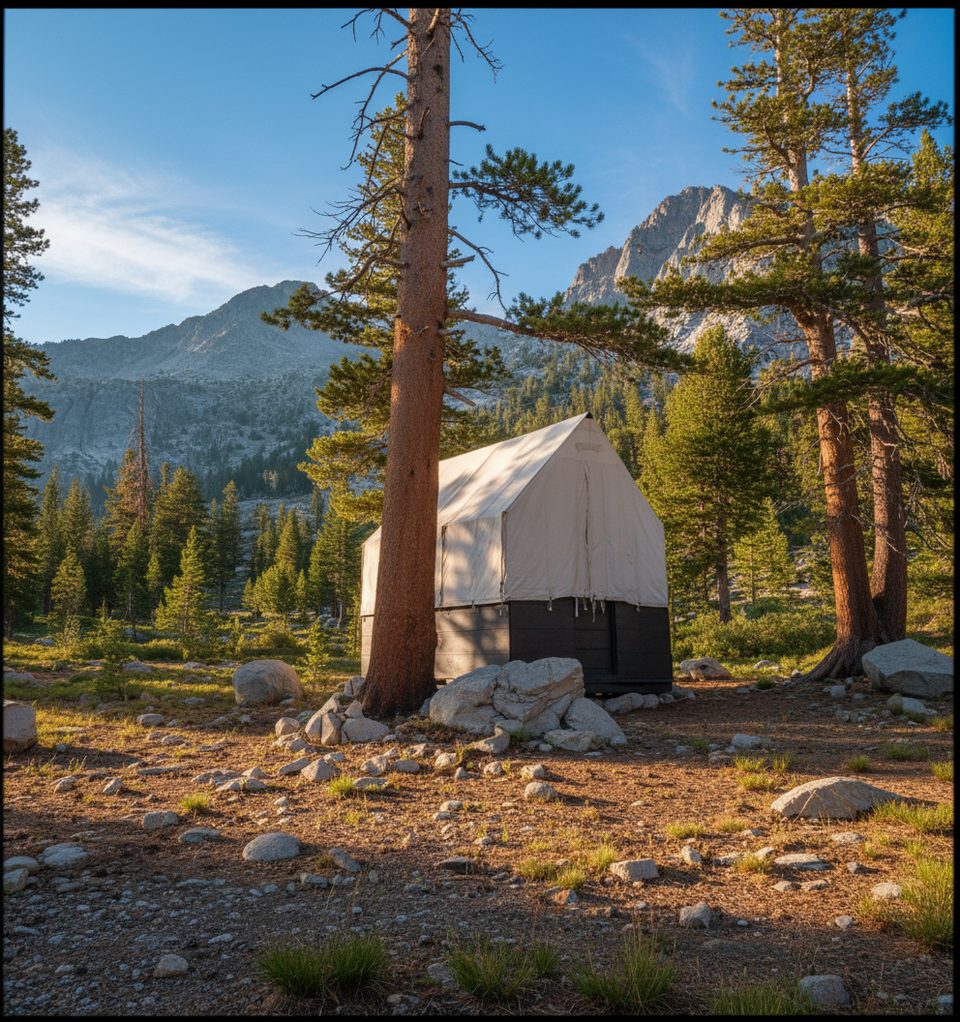
Place · 1.7 mi away
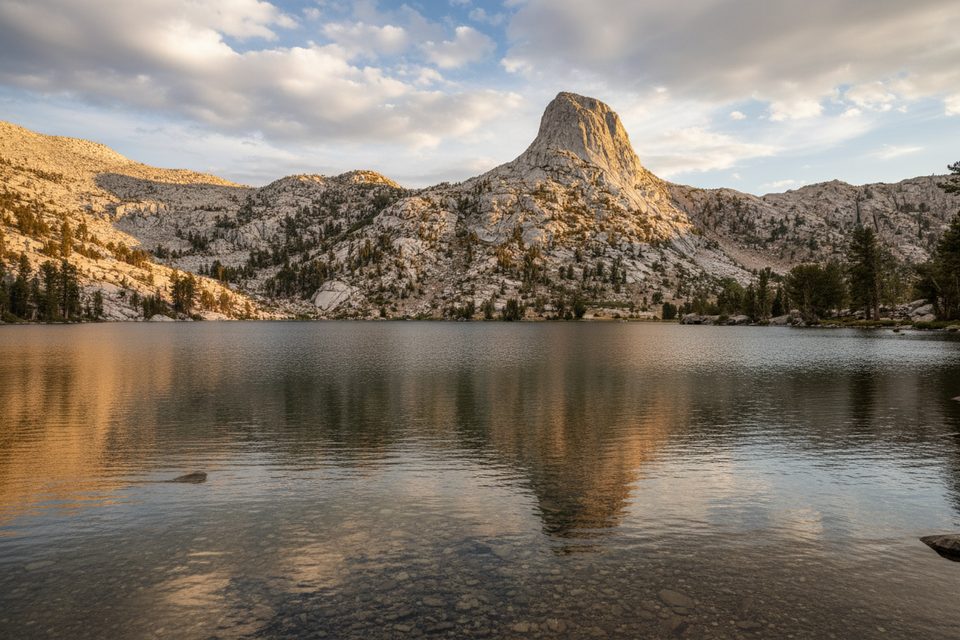
Place · 1.7 mi away
Place · 1.7 mi away
Challenging · 5.9 mi away
Challenging · 5.9 mi away
Challenging · 5.9 mi away
Challenging · 5.9 mi away

Parkwolf Tour Guide
