
Place · 0 mi away
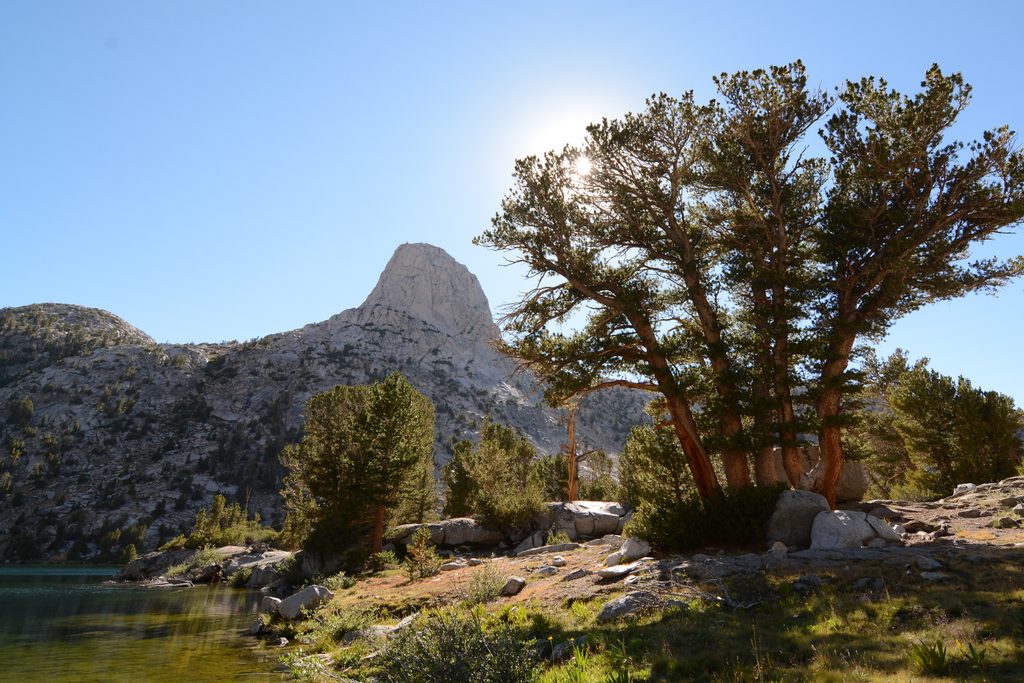
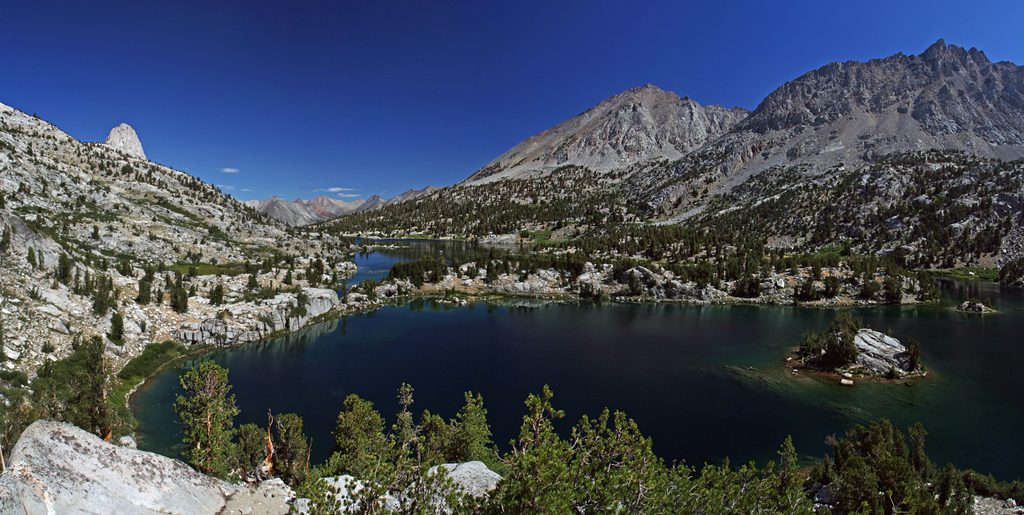
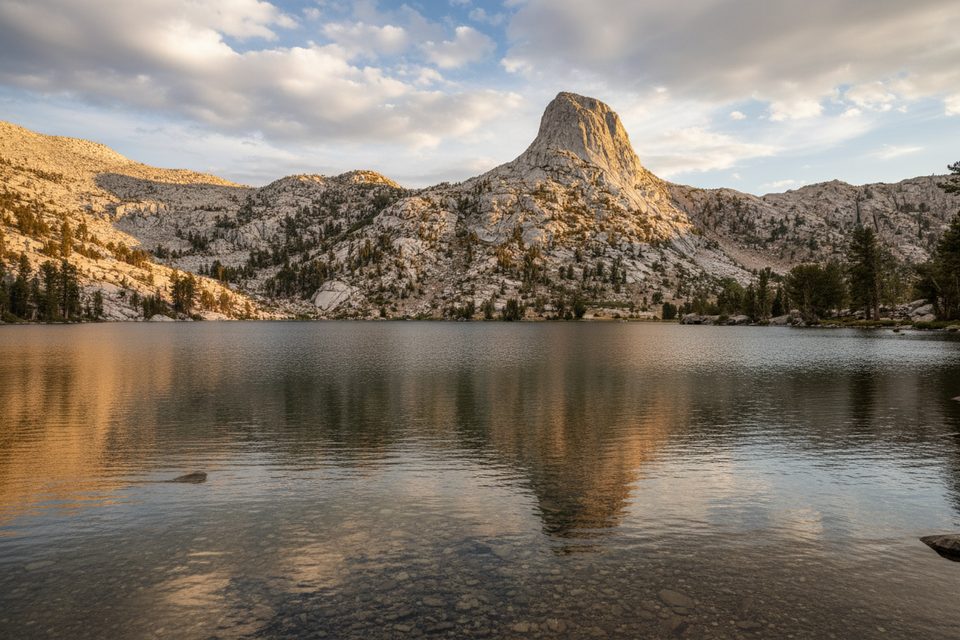
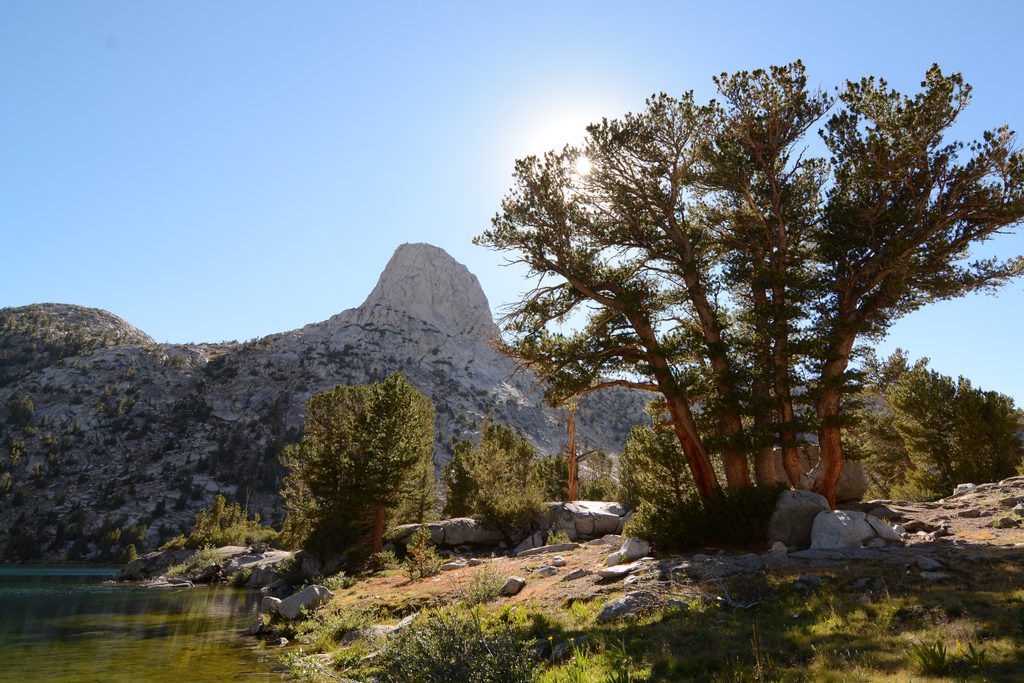
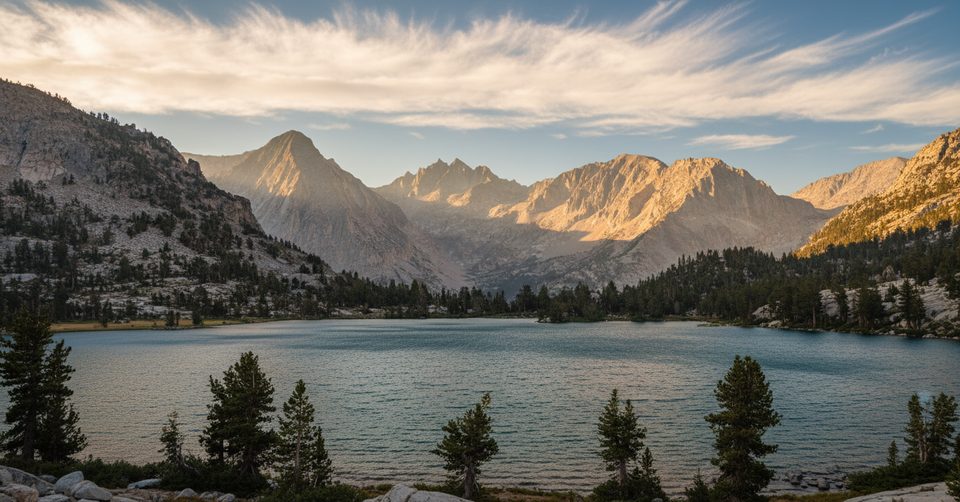
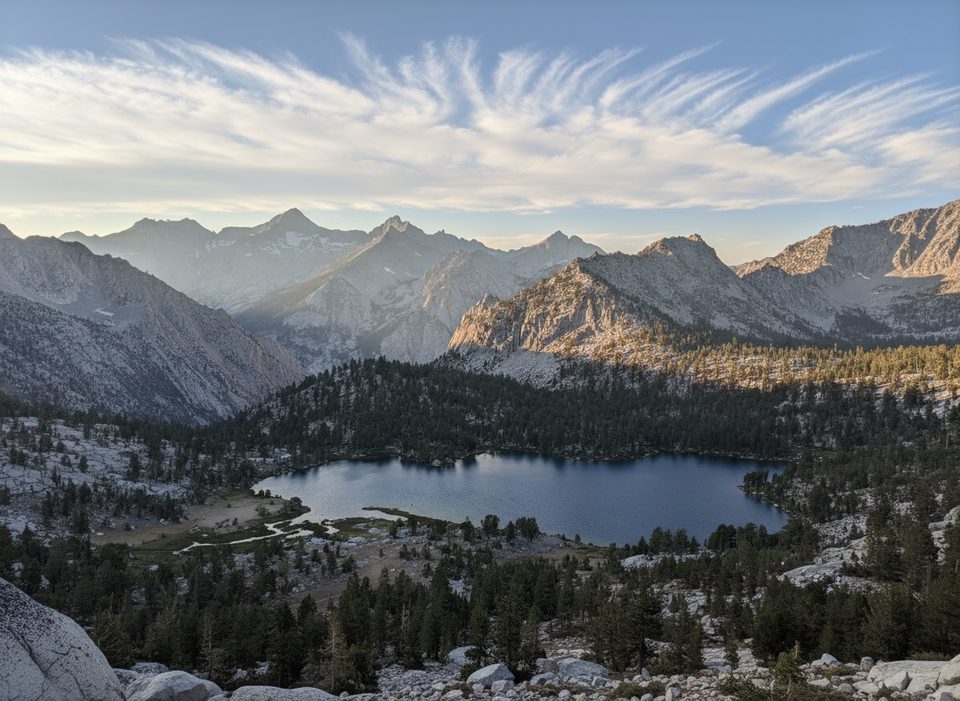
Rae Lakes is the high-alpine heart of the park’s famed backpacking loop—a trio of turquoise lakes set in a granite bowl with Fin Dome anchoring the skyline. The John Muir Trail/Pacific Crest Trail passes right through, so expect big-mountain scenery and a steady trickle of thru-hikers. It’s gorgeous, remote, and absolutely earned—there’s no quick way in.
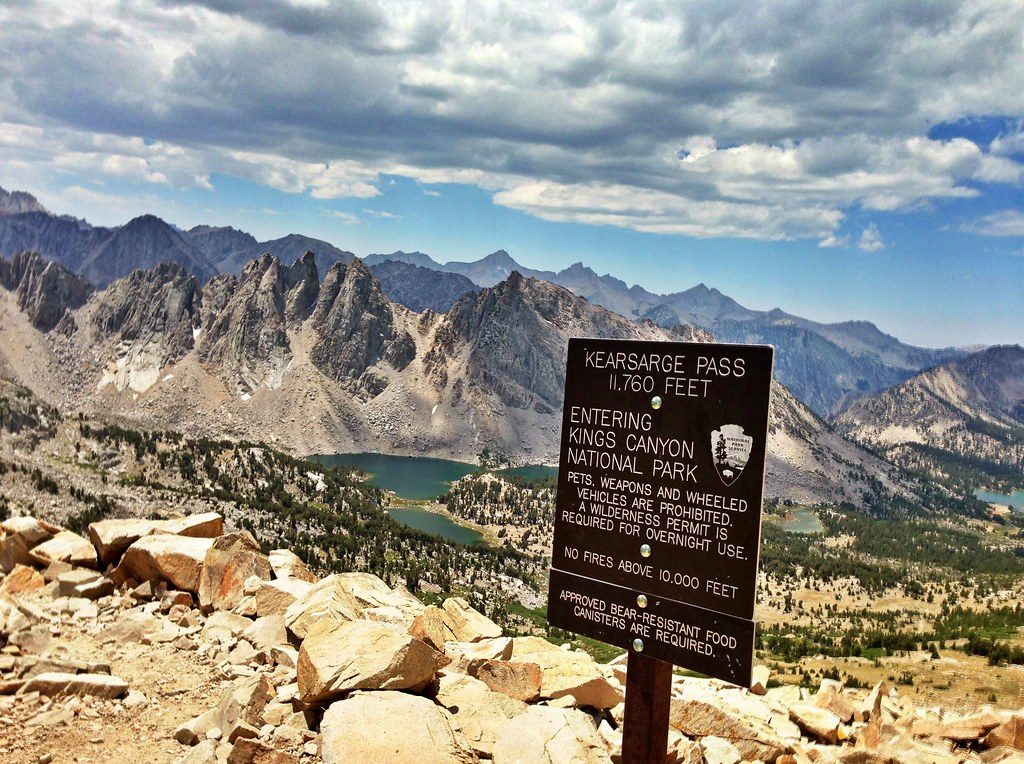
Most hikers start at Road’s End and complete the Rae Lakes Loop either clockwise via Paradise Valley and Woods Creek or counterclockwise via Bubbs Creek and Vidette Meadow. Clockwise spreads the climbing out and brings you to Rae Lakes before the final push over Glen Pass; counterclockwise front-loads the climb over Glen Pass and makes the sunnier, rockier Woods Creek side a descent. An Eastern Sierra alternative links in via Kearsarge Pass to the JMT near the basin.
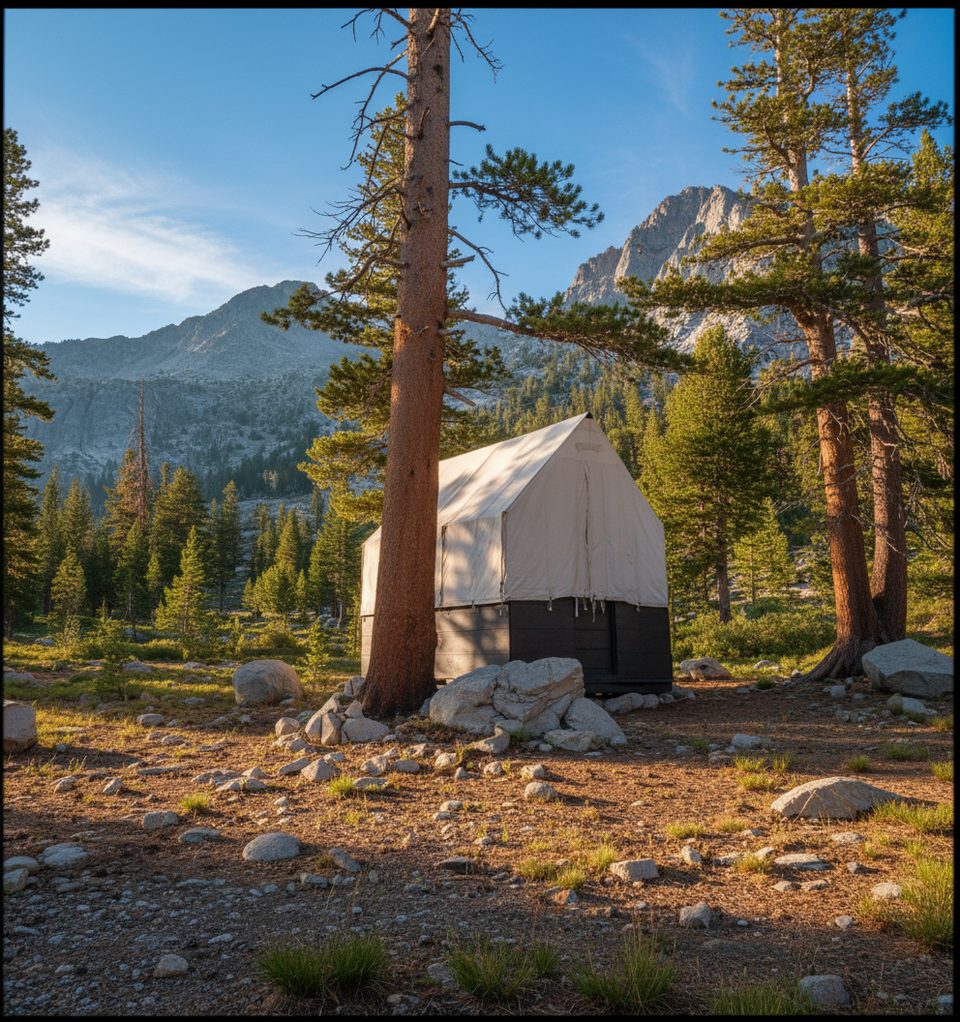
A wilderness permit is required. This area has specific limits: camping at Rae Lakes is restricted to one night per lake, and Lower Paradise Valley has designated sites only. Bears are active—carry and use a bear-resistant canister, even if you camp near the bear boxes by Middle Rae Lake. Campfires are not allowed above 10,000 feet. Expect established backcountry camps in the basin and a seasonal backcountry ranger presence near the middle lake.
Early season can be tricky. High water makes crossings hazardous, and Glen Pass can hold snow well into the summer—plan accordingly and check conditions before you go. A washed-out bridge in Upper Paradise Valley has created a variable ford in recent seasons; rangers at Road’s End can brief you on current status. Summer brings heat in the canyons, strong sun at altitude, and typical afternoon thunderstorms, so start early. Mosquitoes can be feisty—especially around lakes and meadows—once thaw sets in.
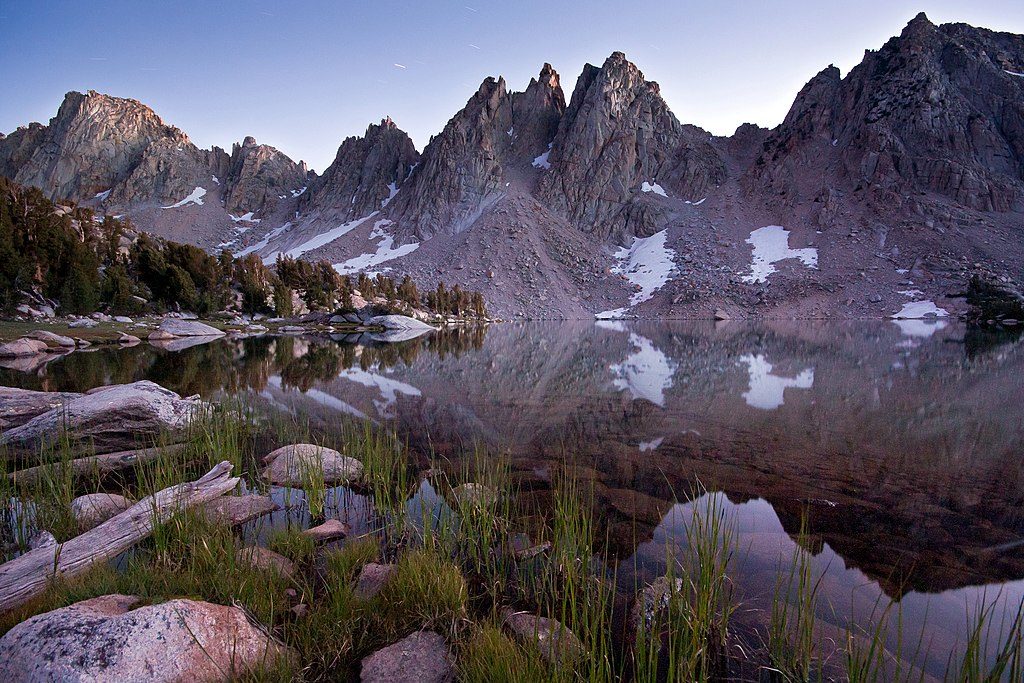
This basin is classic Sierra: polished granite, crystalline water, and serrated peaks. Beyond Fin Dome’s photogenic profile, keep an eye out for deer grazing evenings and mornings, plus cheeky marmots and pikas among the talus. Black bears roam the area—store food properly—and rattlesnakes are possible lower down on approach trails.
Aim for mid to late summer into early fall, after high water subsides and snow on Glen Pass has melted back. Weekdays help with competition for camps, and early arrivals nab the quieter lakeside spots. For photography, morning light is soft on the water and peaks; evenings bring color and calm winds—both are worth planning around.
Place · 0 mi away
Place · 0 mi away
Place · 0 mi away
Place · 0.8 mi away
Challenging · 4.2 mi away
Challenging · 4.2 mi away
Challenging · 4.2 mi away
Challenging · 4.2 mi away

Parkwolf Tour Guide
