
Place · 0 mi away
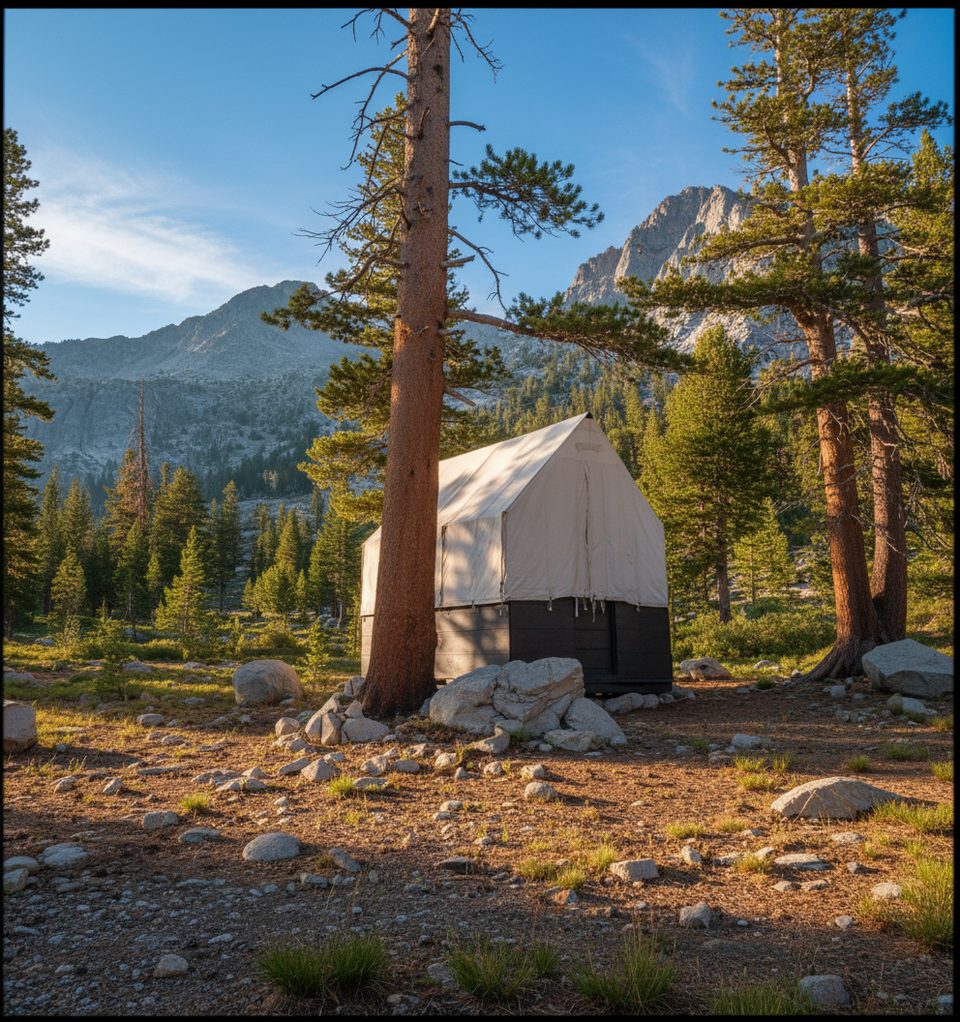
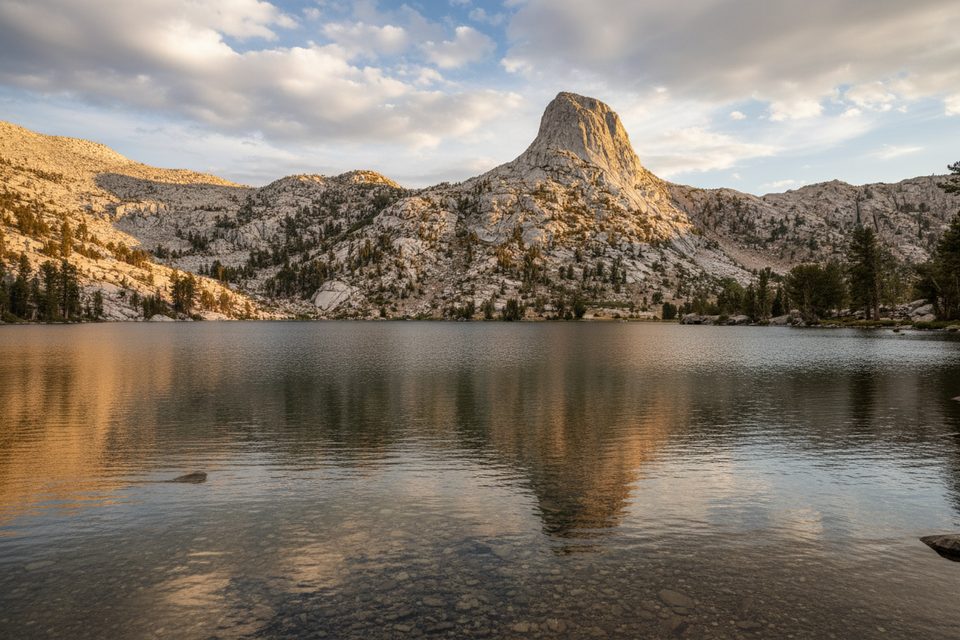
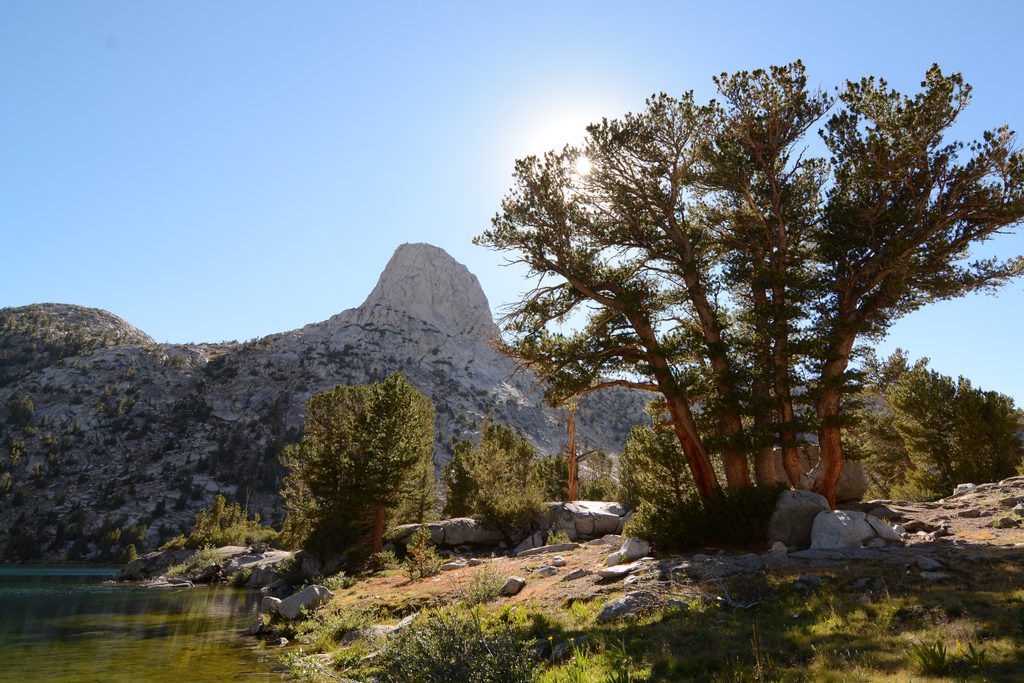
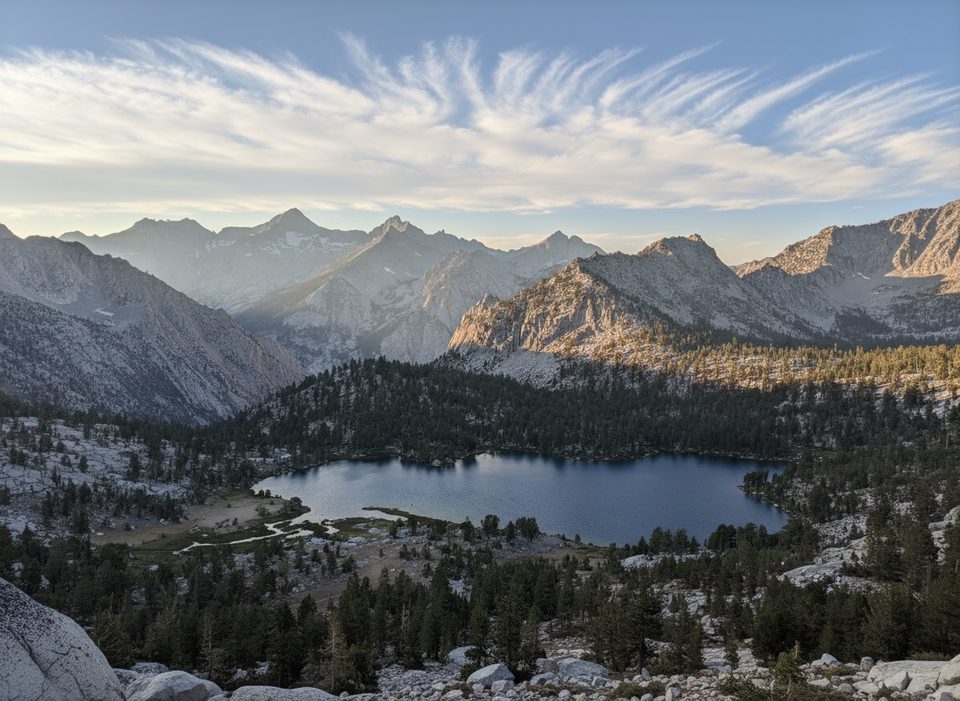
Tucked beside the middle of the Rae Lakes basin, this small backcountry outpost is the definition of remote. When staffed in summer, a ranger presence helps keep this high‑country hub running smoothly, but it’s not a visitor center—think wilderness checkpoint, not services desk.
Don’t plan on amenities. There’s no public restroom, no potable water, no trash cans, and no phone or cell service. Treat or filter from nearby natural sources, pack out all waste (including used toilet paper), and handle your logistics as if the station didn’t exist. Consider it a reassuring human presence in a vast landscape, not a place to resupply or lean on for facilities.
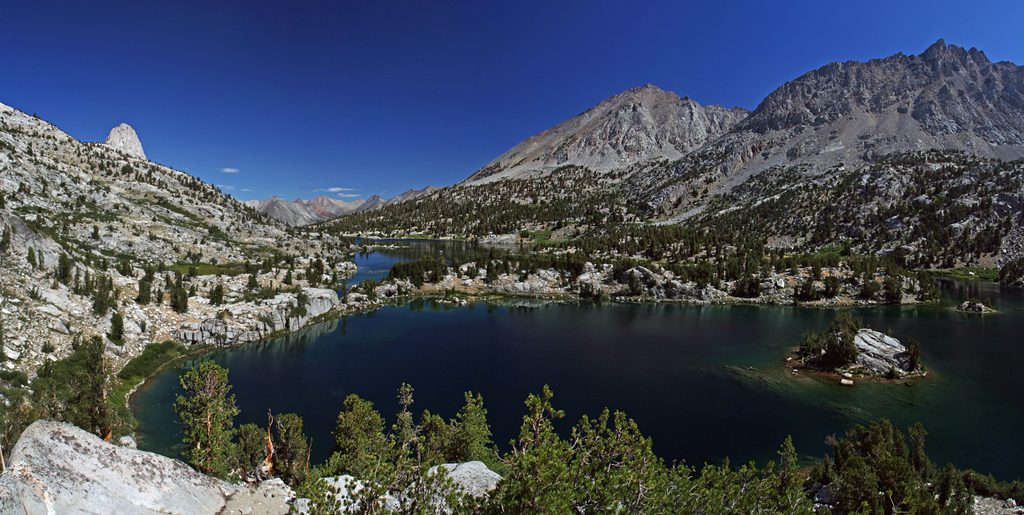
The station sits near the middle Rae Lake on the classic Rae Lakes Loop, right on the JMT/PCT between Glen Pass and the Woods Creek suspension bridge. It’s reachable by foot or stock only. Most hikers approach from Road’s End in Cedar Grove; some long-distance hikers come through over high passes.
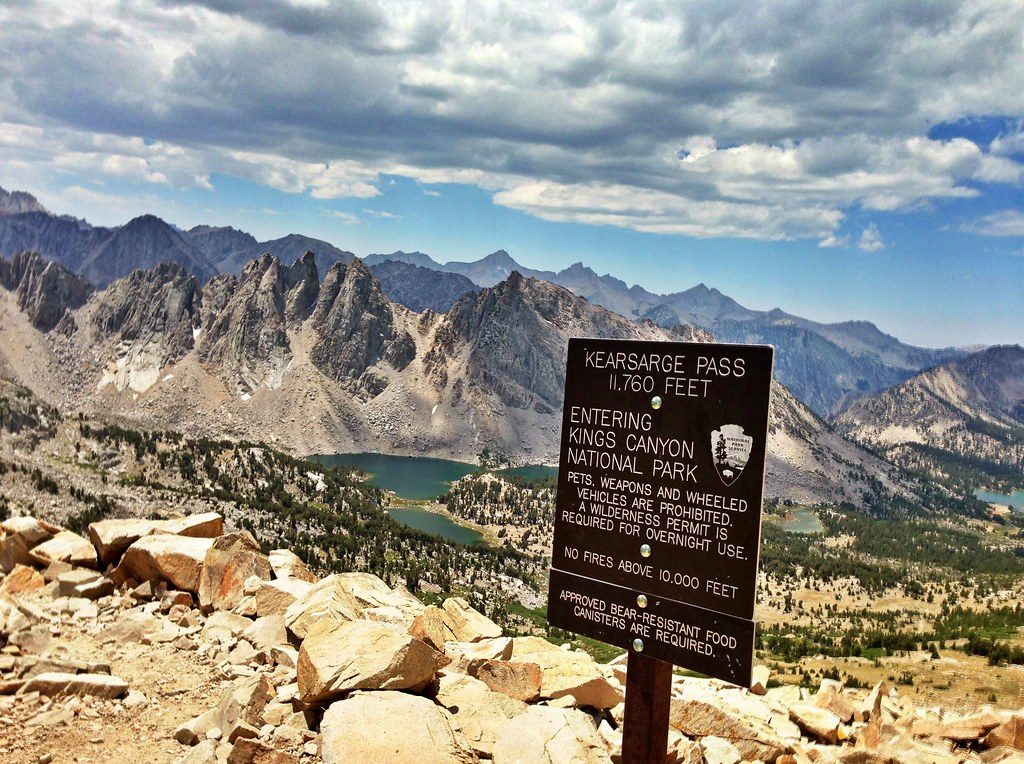
Overnight trips require a wilderness permit picked up at Road’s End before you hit the trail. Bear canisters are required for this route; do not rely on permanent food-storage boxes—those are for long-distance JMT/PCT thru‑hikers. Camping is regulated around Rae Lakes (one night per lake) and campfires are prohibited above 10,000 feet. Pets and wheeled vehicles aren’t allowed on trails.
This is high Sierra terrain. Glen Pass often holds snow into early summer, and early-season travel can be hazardous. Expect cold nights, strong sun, and afternoon storms even in peak season. Altitude will slow most hikers—pace yourself and acclimatize.
Black bears are active throughout the loop. Keep your distance, secure all scented items in a canister, and follow Leave No Trace. You may also see deer in the meadows around the basin.
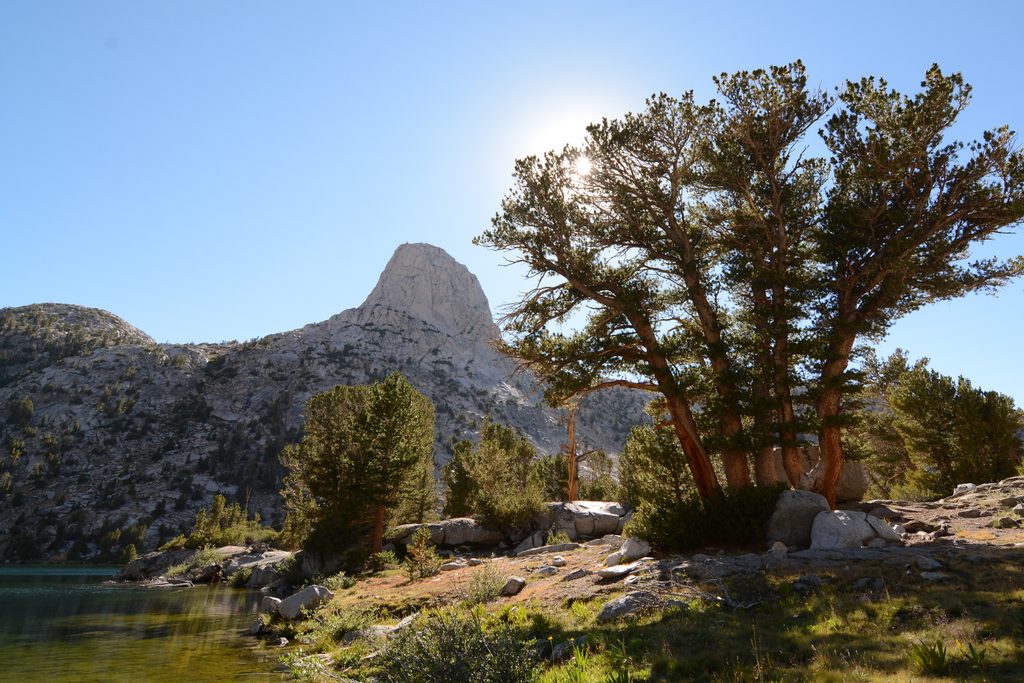
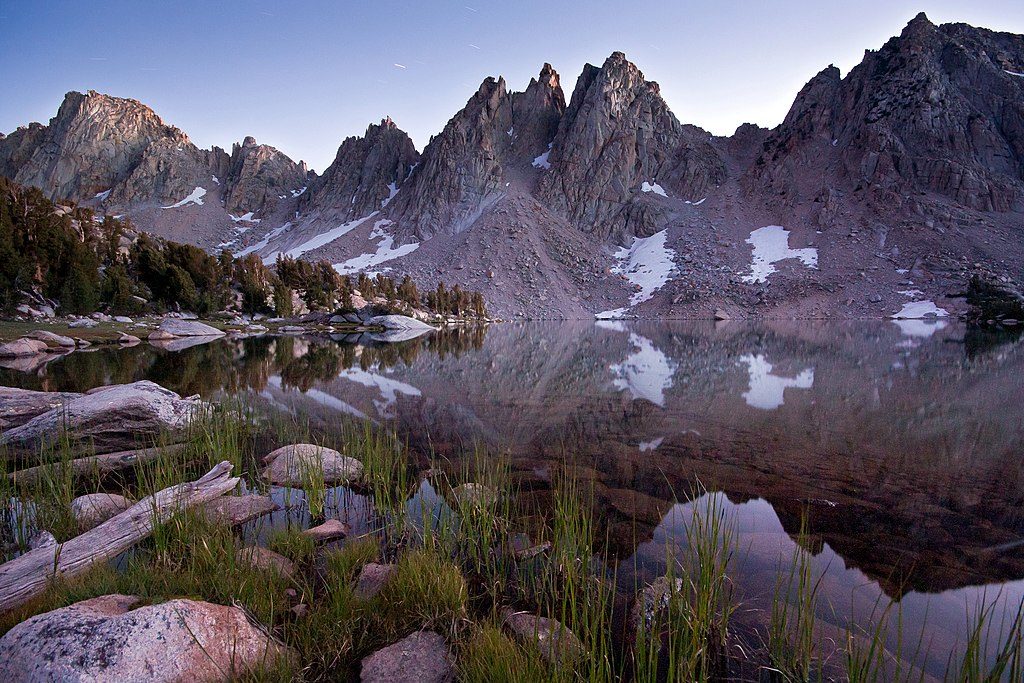
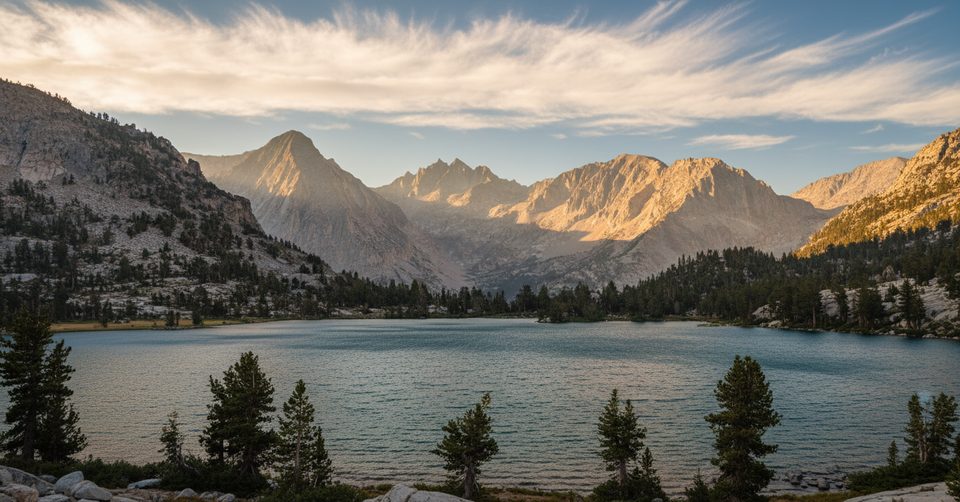
Aim for mid/late summer into early fall when high passes are typically snow‑free and creek crossings are reasonable. The Rae Lakes Loop is popular in peak season, so permits can be competitive; plan early. For photography, mornings and evenings around the lakes deliver the best light on the surrounding granite and peaks.
Place · 0 mi away
Place · 0 mi away
Place · 0 mi away
Place · 0.8 mi away
Challenging · 4.2 mi away
Challenging · 4.2 mi away
Challenging · 4.2 mi away
Challenging · 4.2 mi away

Parkwolf Tour Guide
