
Place · 2.3 mi away
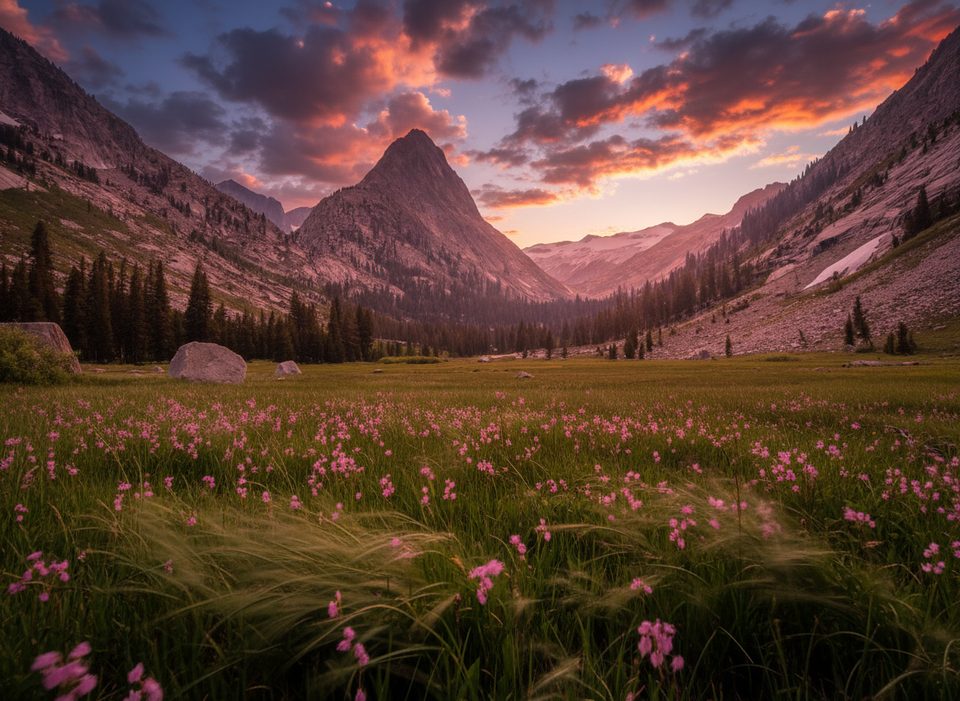
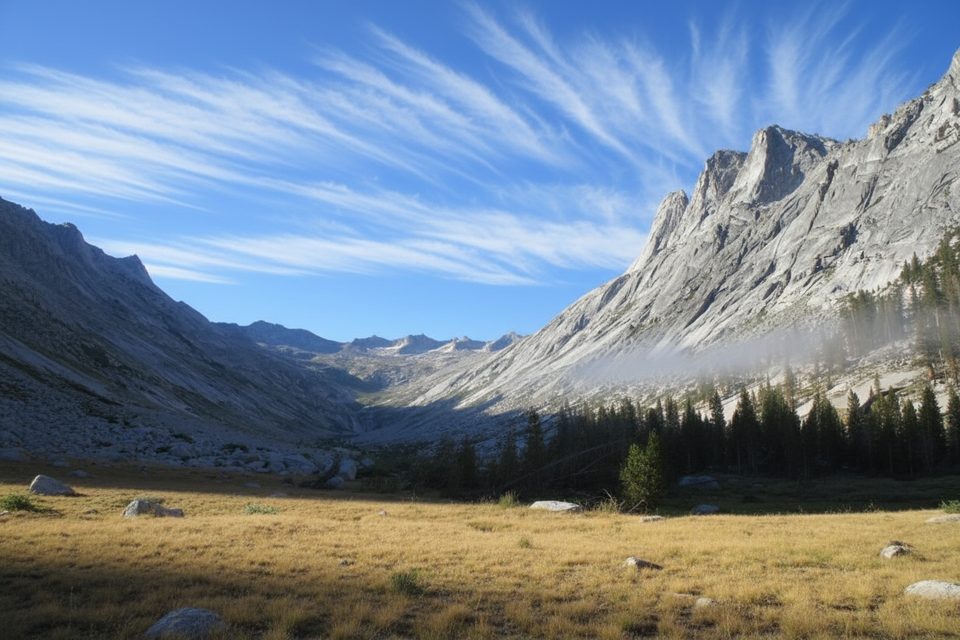
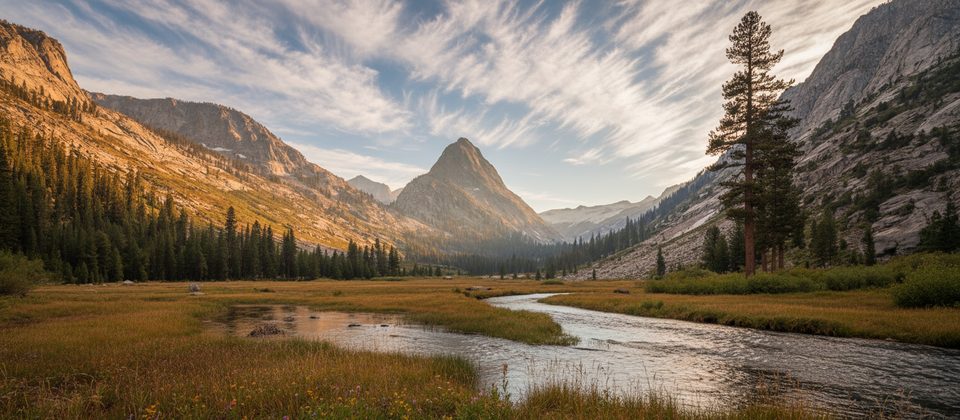
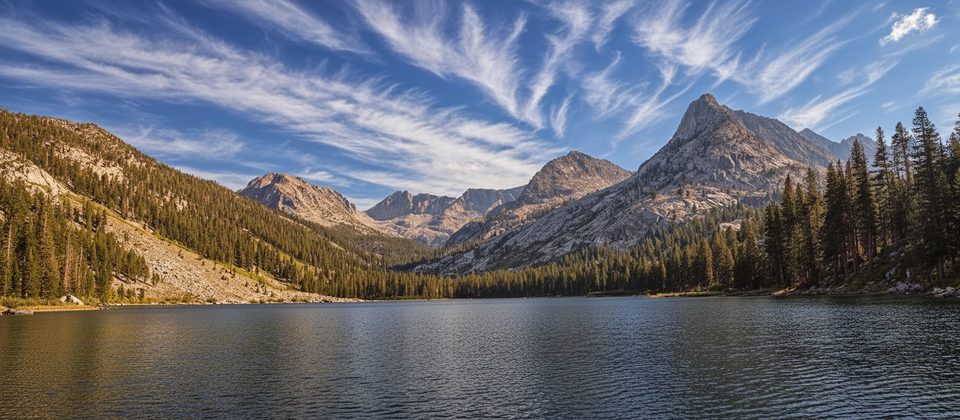
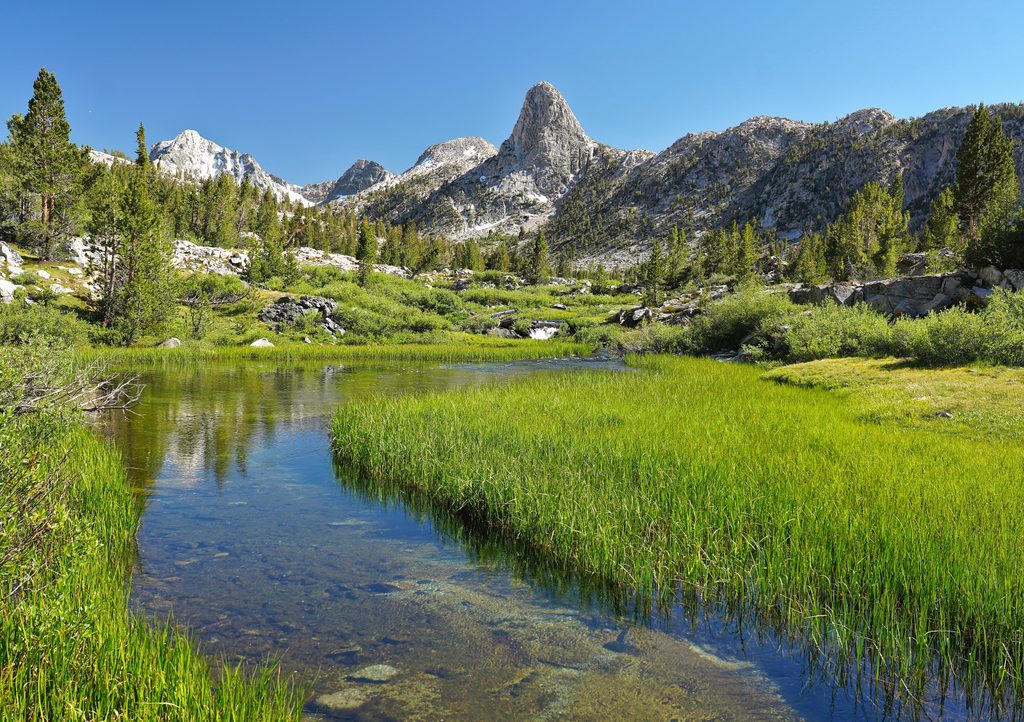
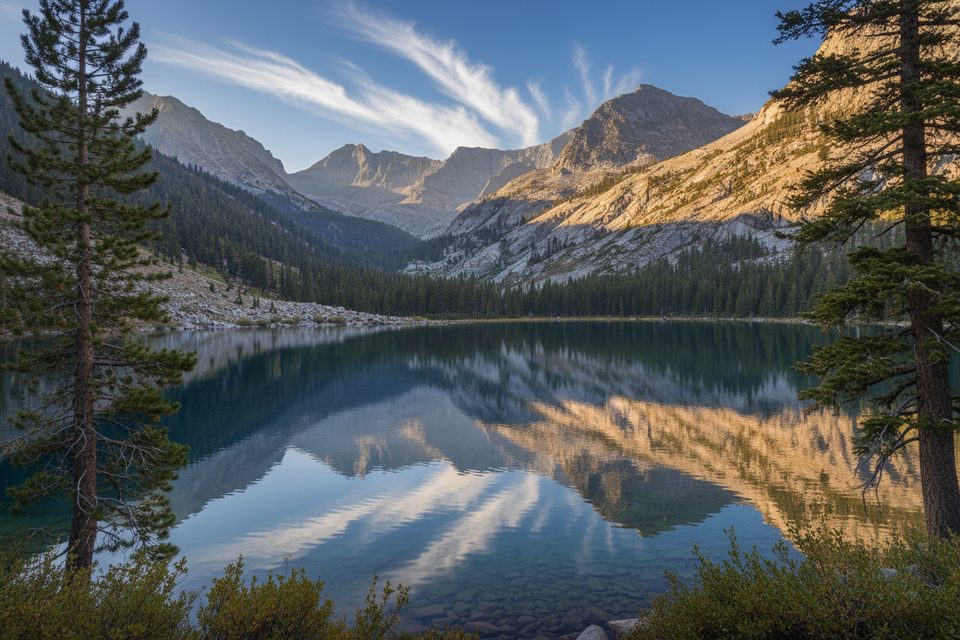
Cloud Canyon is a glacially carved, high-country valley in the Roaring River drainage. Think broad subalpine meadows, marble-cold cascades, and sheer granite on both sides. It’s quiet, remote, and designed for people who like their wilderness with a side of effort, not amenities.
Most hikers reach the canyon on the Colby Pass Trail. Expect a serious approach—some itineraries descend steeply from Avalanche Pass to the Roaring River, then climb back up into Cloud Canyon. Cross-country travelers often link from the Tablelands over Copper Mine Pass, descending talus into the canyon before meeting the Colby Pass Trail near the flats. The trail through the valley is signed and straightforward once you’re down in the bottom.
Travel eases on the canyon floor around roughly 9,000–9,400 feet, where meadows spread out and camps pop up on durable patches. Before and after the flats, be ready for brush, boulders, and soggy tread—wet feet are common. A couple of locked bear boxes dot the corridor, but treat them as a bonus, not a plan; always carry proper food storage.
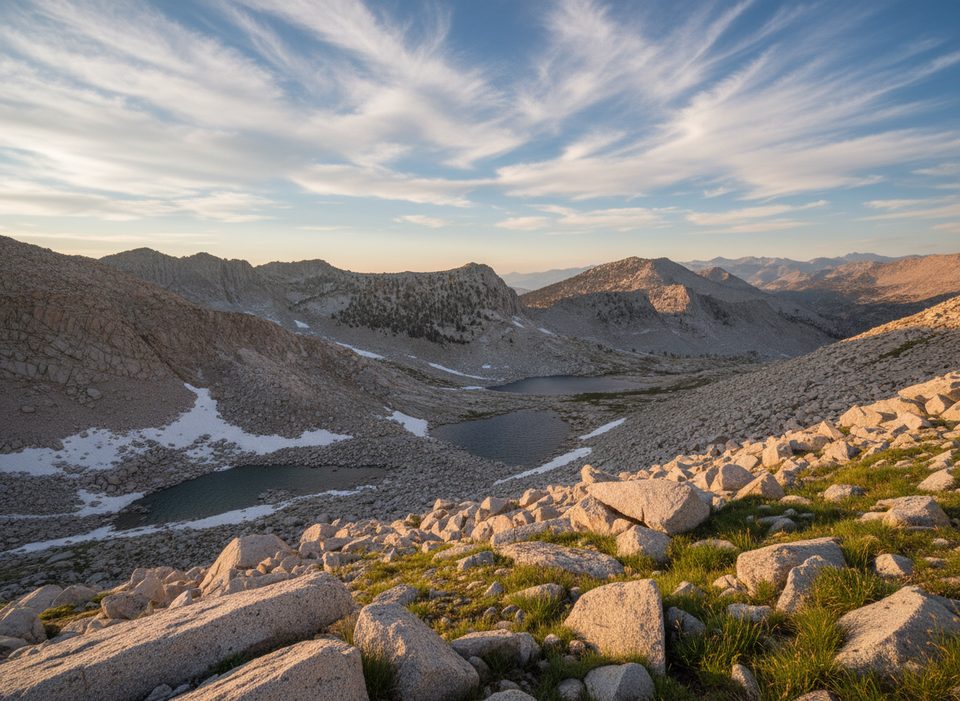
Climb toward Colby Lake and Colby Pass (11,970 feet) for classic High Sierra views: alpine meadows, bright lakes, waterfalls, and giant granite walls. The pass tops the Great Western Divide and separates the Bubbs Creek (Kings River) and Kern River watersheds. The grade is steep and audacious—but the scenery pays you back.
You’re in prime High Sierra habitat. Expect black bears (store food properly), mule deer, marmots and pikas in the rocks, plus high-country birds riding thermals over the canyon. Meadows bloom with wildflowers mid to late summer.
Snow lingers on high passes into summer, and loose, steep approaches can stay sporty well after the melt. Afternoon thunderstorms are a real thing—plan early starts for pass crossings and be off exposed terrain by midafternoon. Weather can change fast; bring layers and navigation tools.
This is true backcountry: no restrooms, potable water, or trash cans—pack in, pack out, and follow Leave No Trace (catholes or WAG bag as required). Overnight trips require a wilderness permit. Developed restrooms and potable water are available at park visitor centers and at Road’s End before you head out; after that, you’re on your own. For planning, use the park’s official maps and USGS topos.
Acceptable camping exists in the flat central canyon on durable surfaces. If you’re linking routes, Cloud Canyon meshes well with the Colby Pass Trail north along Roaring River past Big Wet Meadow or with cross-country connections like Copper Mine Pass—just bring the skills to back up the ambition.
Don’t confuse Cloud Canyon in California with Cloudland Canyon State Park in Georgia—they’re entirely different places.
Mid-July through September typically offers the most reliable conditions. Aim for weekdays to keep the solitude you came for. For photography, early and late light warms the granite and keeps the meadows from blowing out; watch for storm build-up after lunch.
Place · 2.3 mi away
Place · 3.7 mi away
Place · 3.8 mi away
Place · 3.9 mi away
Challenging · 7.9 mi away
Challenging · 7.9 mi away
Challenging · 7.9 mi away
Challenging · 7.9 mi away

Parkwolf Tour Guide
