
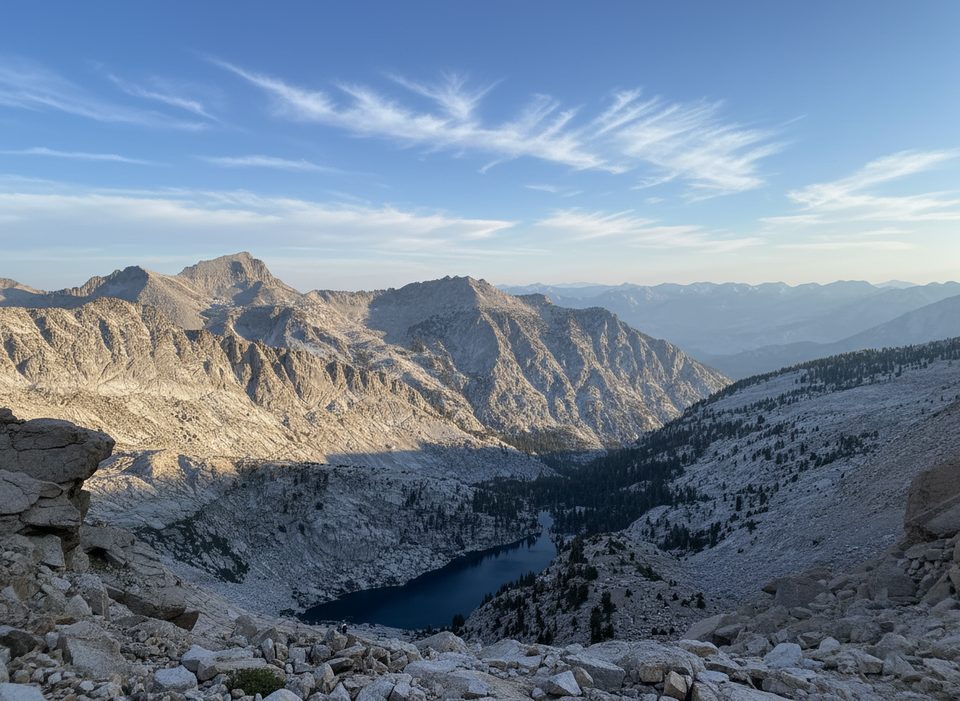
Place · 1.9 mi away
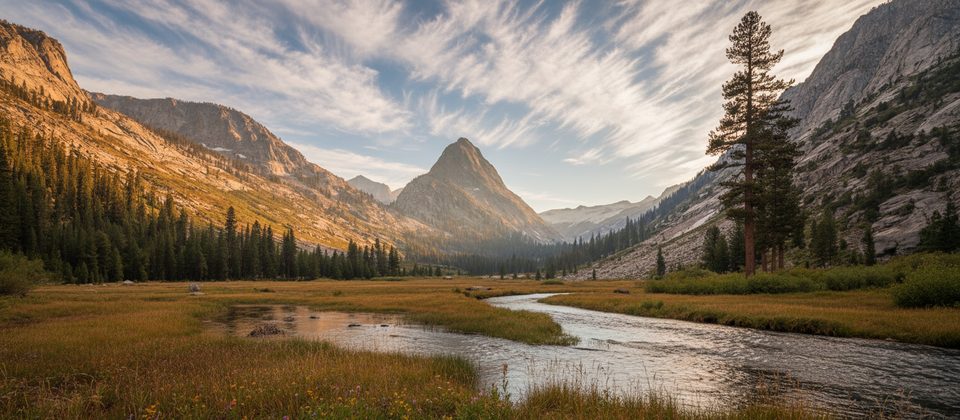
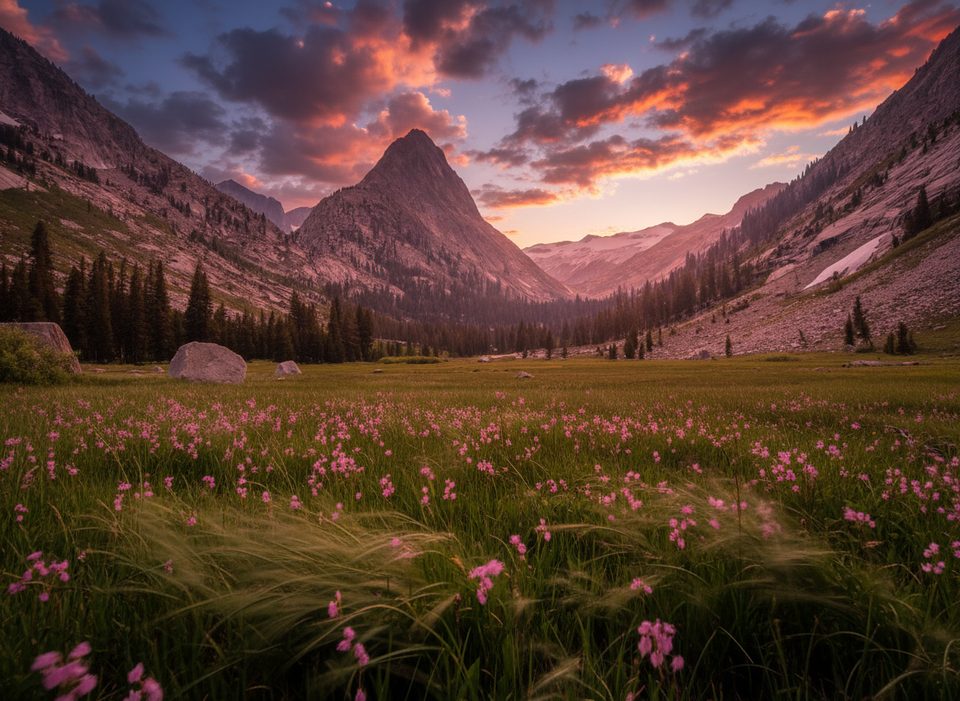
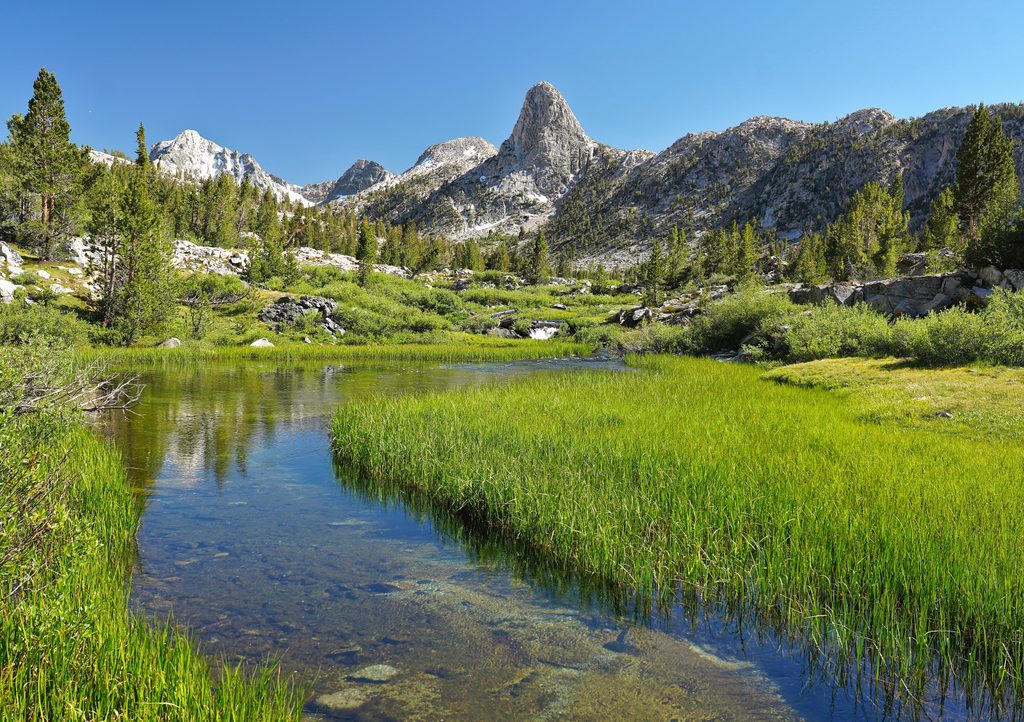
Whaleback is an 11,717‑foot, three‑mile‑long granite ridge soaring above Cloud Canyon. It rises dramatically above Big Wet Meadow, where the feature really shows off—long, clean slabs of pale granite capping a glaciated valley of meadows and water. It’s a classic High Sierra scene, a bit obscure, and all the better for it. The peak itself is a Class 3 scramble for experienced parties.
Two primary approaches reach the Whaleback/Cloud Canyon area:
Along the way, lower Cloud Canyon is forested before opening into Big Wet Meadow with broad views of Whaleback. The Colby Pass Trail splits toward Colby Lake (10,620 feet), a common overnight stop. There’s no maintained trail into the uppermost reaches of Cloud Canyon.
Think sweeping meadow foregrounds (Big Wet Meadow) and a striking granite fin dominating the skyline. Morning and evening light tend to make the ridge pop, with alpenglow and long shadows adding texture to the stone. It’s textbook High Sierra scenery without front‑country crowds.
On‑trail travel to the viewing areas is non‑technical but long. Expect alpine conditions: lingering snow in late spring, summer afternoons that can build thunderstorms, and shoulder‑season cold. The most reliable backpacking window generally runs mid to late summer into early fall, conditions permitting.
Cross‑country connections are possible for confident navigators: Copper Mine Pass variants between Cloud and Deadman canyons (talus and route‑finding), Horn Col near Elizabeth Pass, or heading over to the Tablelands and exiting via Wolverton. These lines are off‑trail and require solid skills and self‑sufficiency.
Overnight trips entering the park require a wilderness permit. Even if you start from the west side in national forest, you’ll enter the park—plan permits accordingly. There are no services along the approach; treat all water. A ranger station exists at Roaring River, but you should plan to be fully self‑contained.
Place · 1.9 mi away
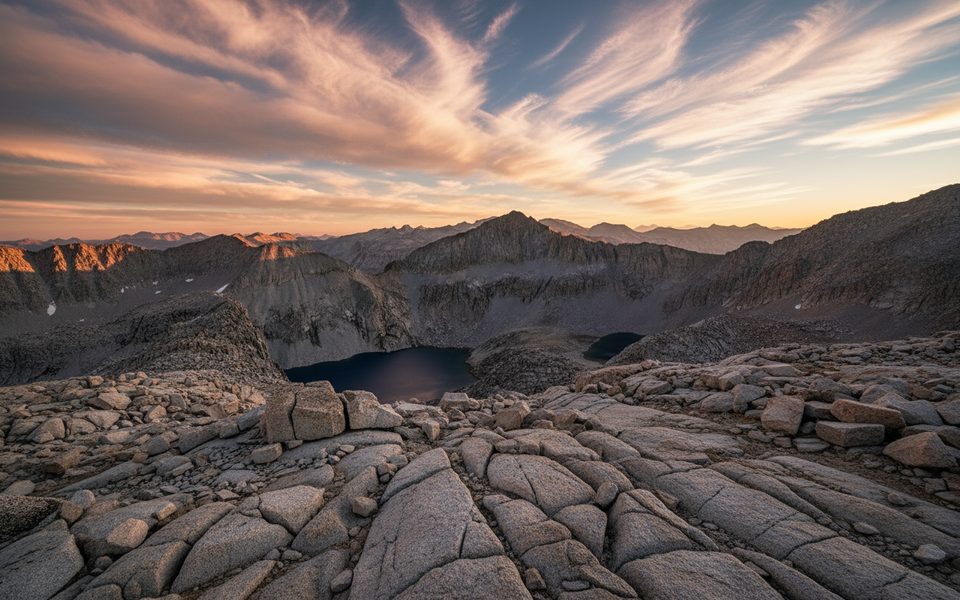
Place · 2.6 mi away
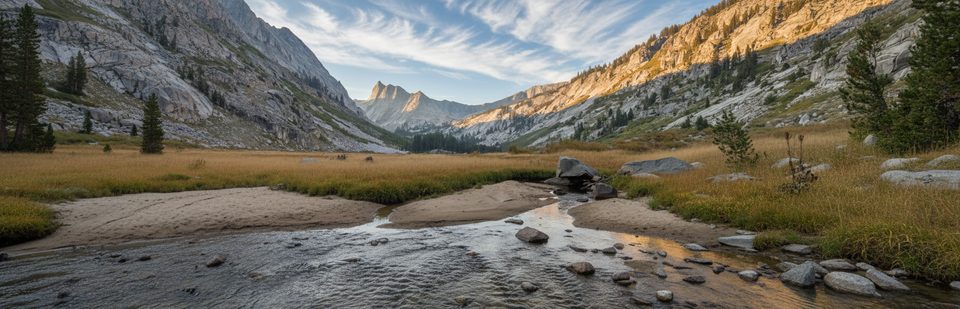
Place · 3.3 mi away
Place · 3.8 mi away
Easy · 11.6 mi away
Challenging · 11.7 mi away
Challenging · 11.7 mi away
Challenging · 11.7 mi away

Parkwolf Tour Guide
