

Place · 0.6 mi away
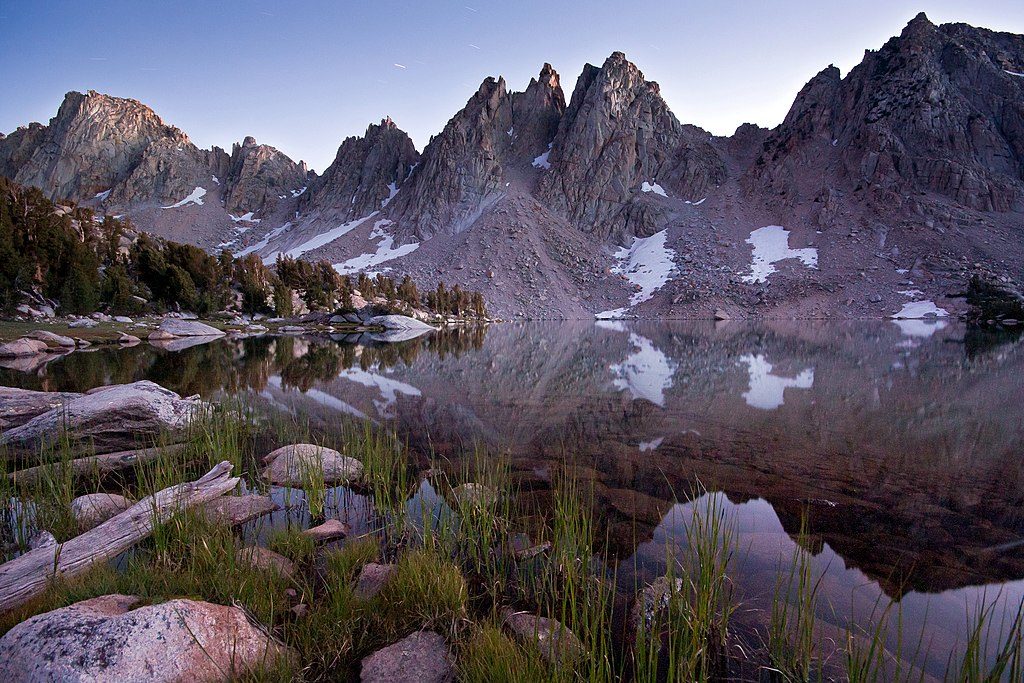
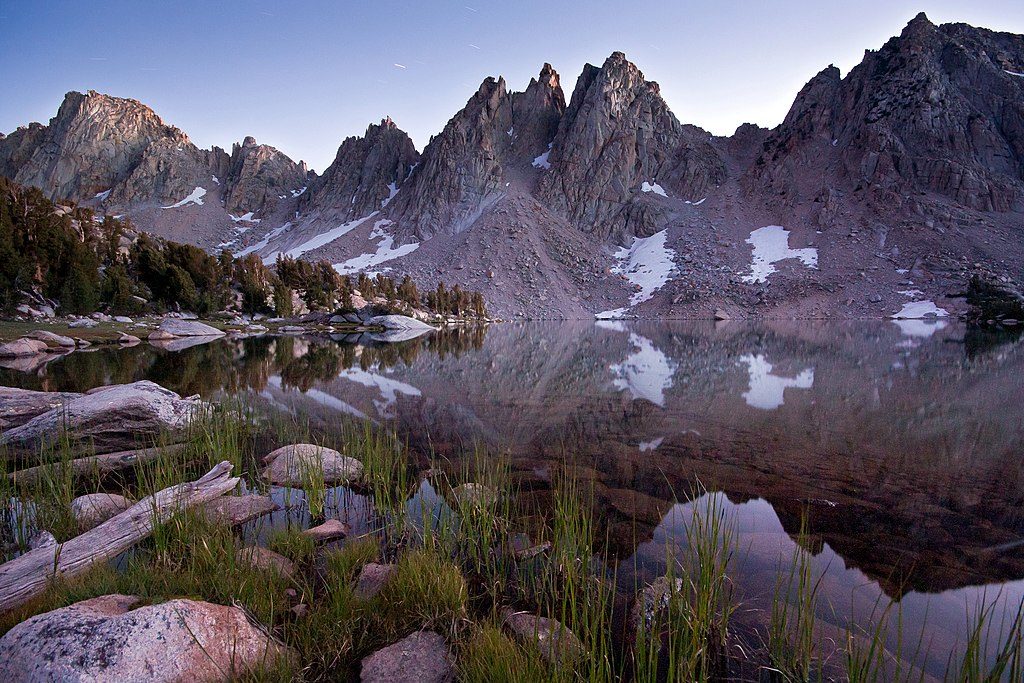
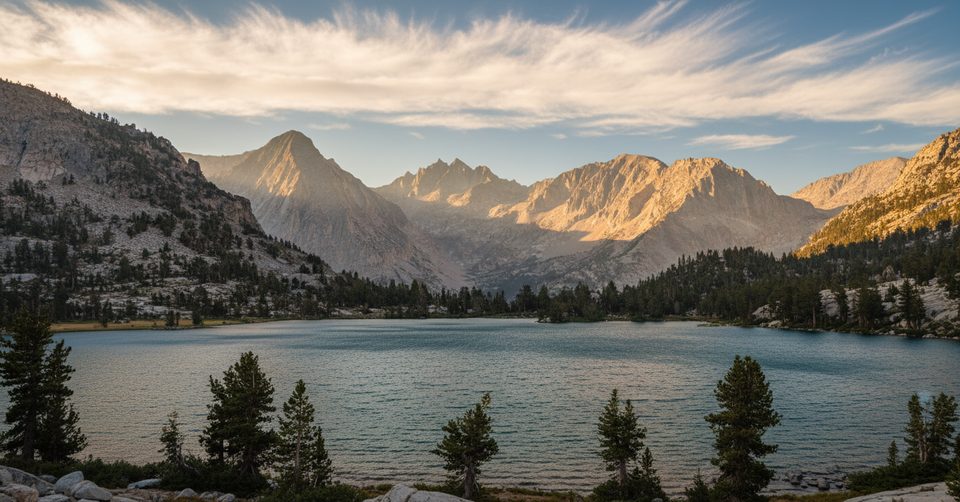
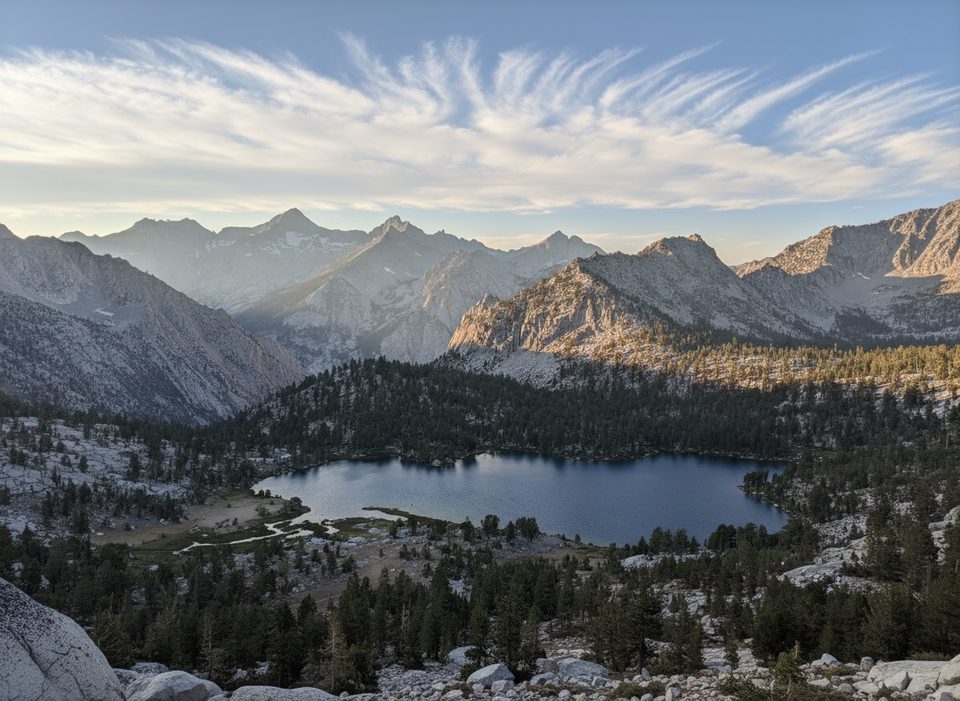
Kearsarge Lakes sit just west of Kearsarge Pass in a granite-walled bowl with front-row views of the Kearsarge Pinnacles. It’s a photogenic, high-elevation lake basin that rewards the climb with calm water, jagged skyline, and big skies. Most visitors reach it as an overnight backpack or a long day hike.
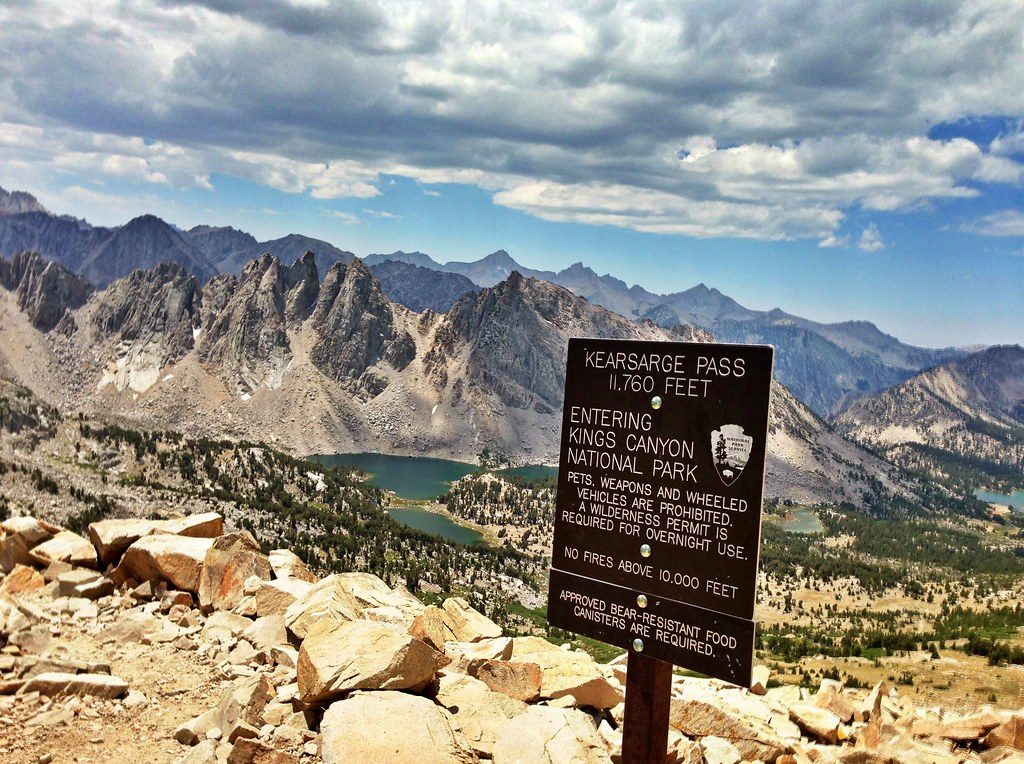
You’ll start from Onion Valley and climb a well-marked trail of steady switchbacks. Expect a continuous ascent from roughly 9,100–9,200 feet up to the pass around 11,700–11,760 feet, then a short descent into the Kearsarge Lakes basin. On the way you’ll pass a string of alpine lakes—Little Pothole, Flower, Gilbert, Heart, and Big Pothole—before cresting the pass. The full out-and-back to Kearsarge Lakes is about 12.4 miles with roughly 3,490 feet of gain, and the trail has limited shade, so start early and carry sun protection.
For overnights, a wilderness permit is required for trips starting at Onion Valley. Once in the basin, use established sites and keep camp at least 100 feet from water. Bear canisters are required for food and smellables, and campfires are not permitted above 10,000 feet—bring a stove. The Kearsarge Lakes area has a two-night maximum stay. Nearby Bullfrog Lake is a beautiful side trip but closed to camping. Dogs are allowed on the east-side approach before the pass, but not once you enter the park.
There are restrooms and parking at the Onion Valley trailhead; there are no developed facilities at Kearsarge Lakes. Water is generally available along the approach (Flower Lake is a common refill spot), and there are no major stream crossings on this route. Expect altitude to be the main challenge—pace yourself, hydrate, and be prepared for a big descent on the return.
This basin is all about drama and serenity: mirror-still water, granite spires, and night skies good enough for Milky Way photography in summer. It’s also a strategic hub—day-hike to Bullfrog Lake, tag the nearby John Muir Trail corridor, or link a longer trip toward Charlotte Lake or the Rae Lakes area.
Prime season is late June through October in most years, depending on snow. Early and late season can bring firm snow and ice on the pass—traction can be necessary. Summer sun is strong and shade is scarce. Mosquitoes are common around the lakes in warm months, typically easing by late August.
Black bears do roam the area—store food properly and keep a clean camp. Expect the usual alpine critters and, in bug season, plenty of mosquitoes near water. As always at elevation, watch for signs of altitude sickness and adjust plans if needed.
Hit the trail at dawn to beat heat and crowds, and aim to be in the basin for golden-hour light. Weekdays are quieter than weekends. Late summer often brings fewer bugs and easier travel once snow has melted, and clear summer nights are excellent for stargazing.
Place · 0.6 mi away
Place · 1.4 mi away
Place · 1.8 mi away
Place · 1.9 mi away
Challenging · 2.6 mi away
Challenging · 2.6 mi away
Challenging · 2.6 mi away
Challenging · 2.6 mi away

Parkwolf Tour Guide
