
Place · 3.4 mi away
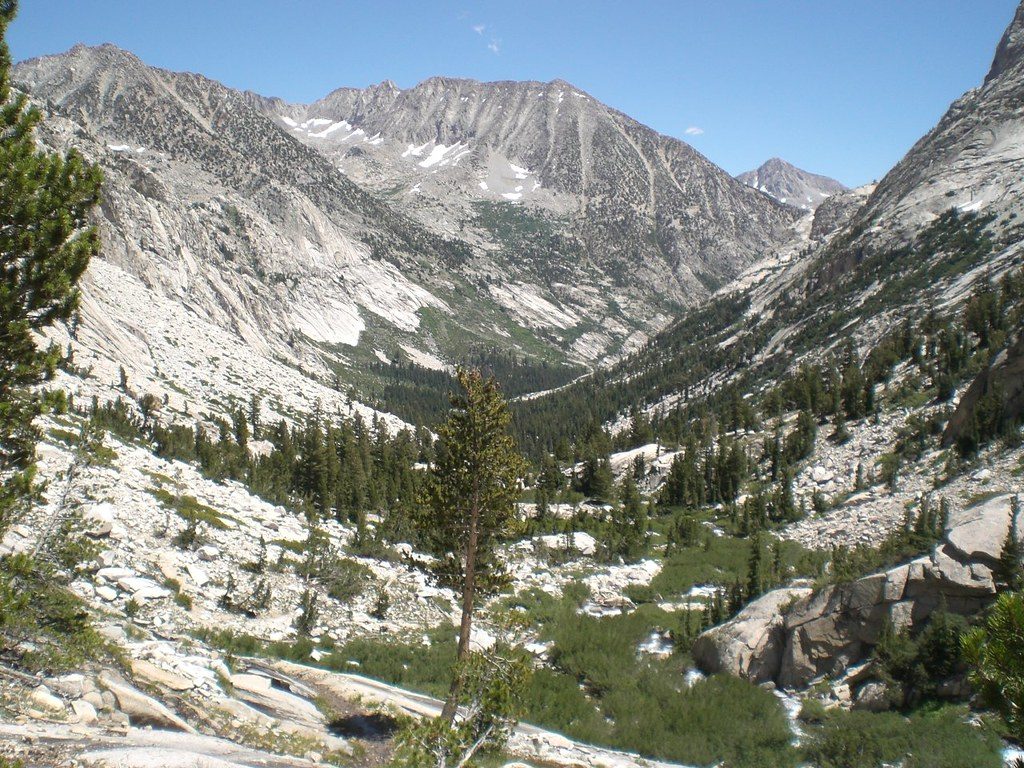
Le Conte Canyon is the heart of the Middle Fork Kings River corridor, threaded by the JMT/PCT between the Bishop Pass junction and Muir Pass. Think big, glacially carved granite walls, the constant soundtrack of rushing water, and broad meadows like Little Pete and Big Pete. It’s a classic High Sierra stretch that feels wild yet well-trodden.
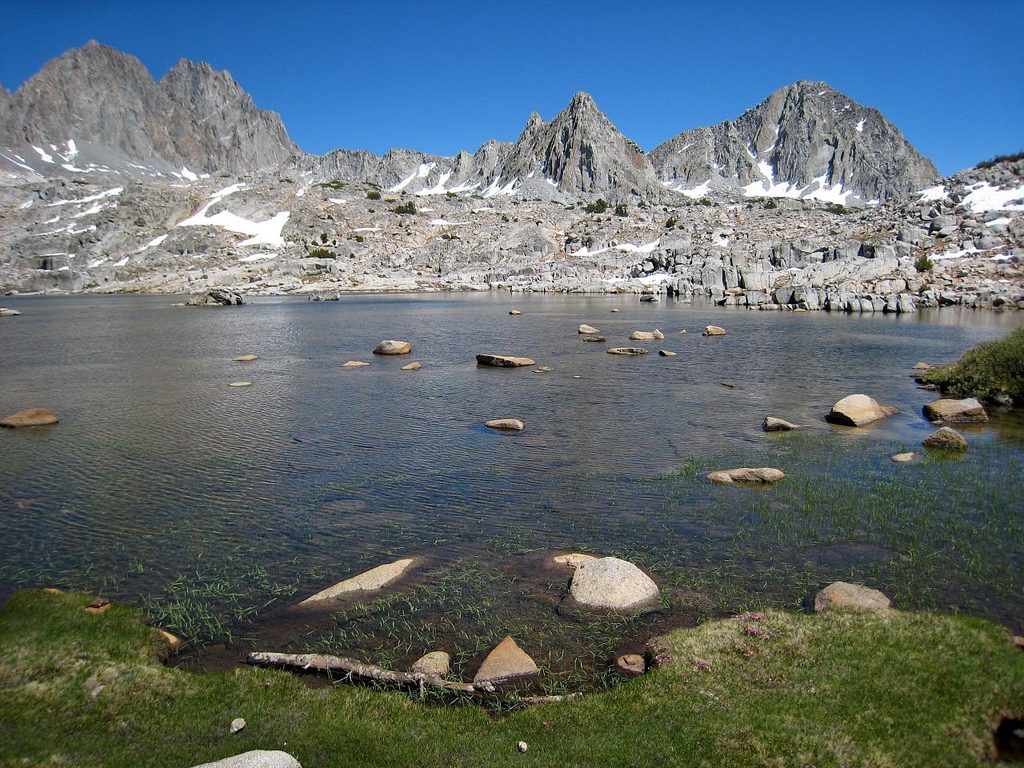
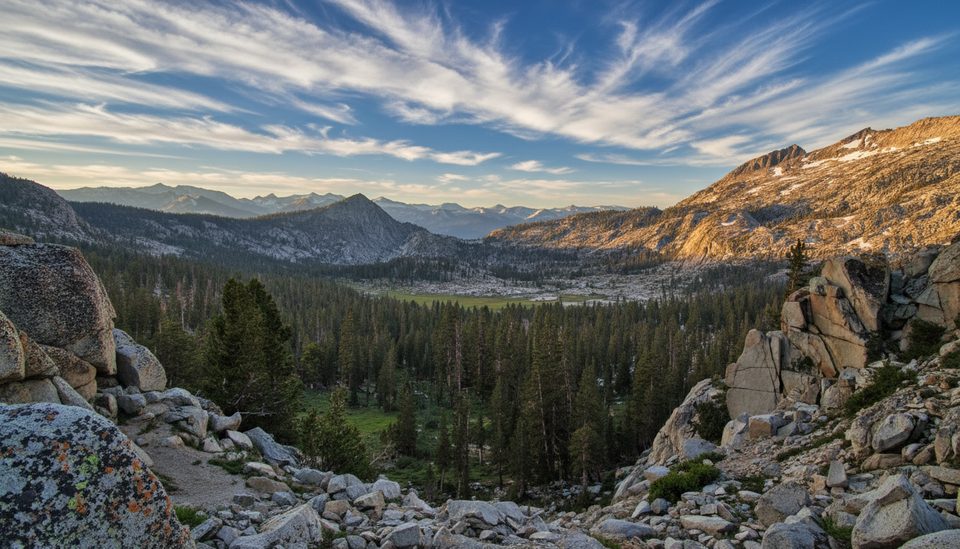
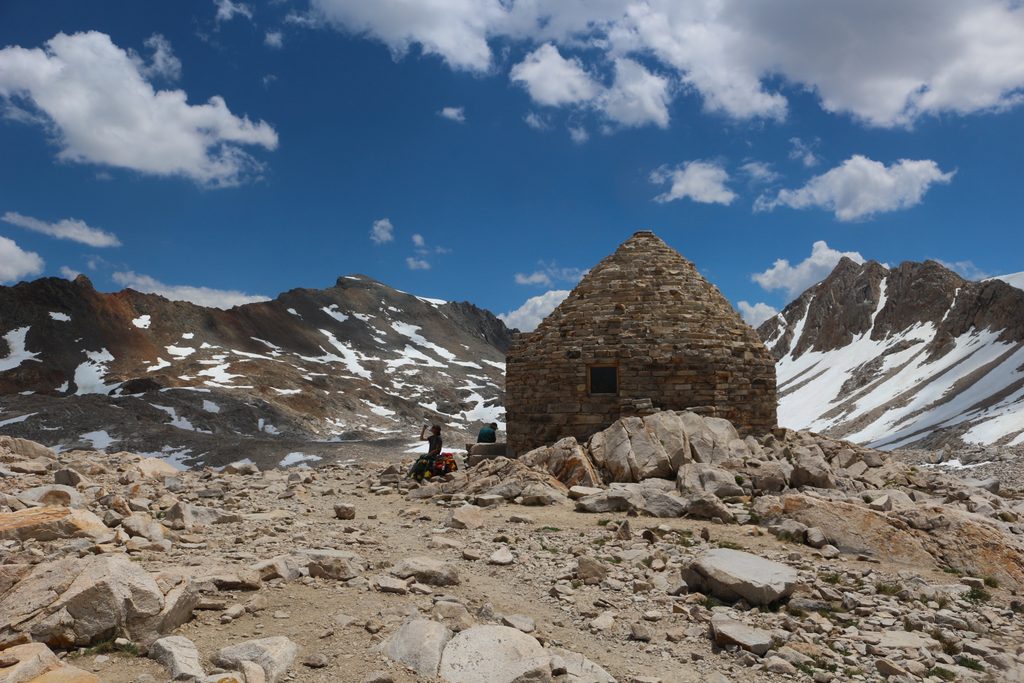
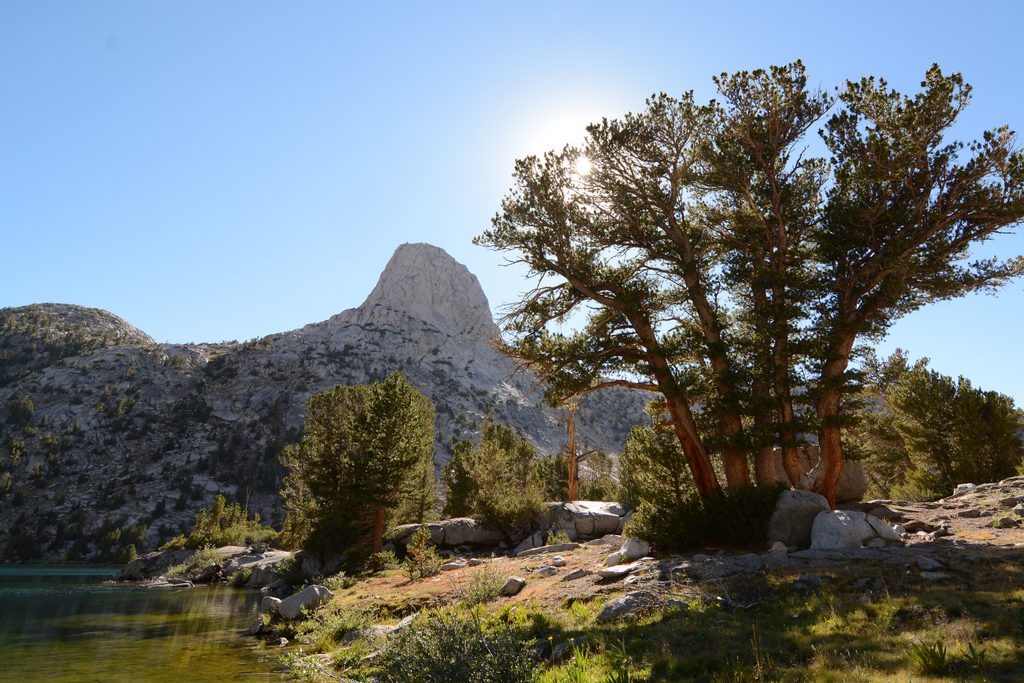
Expect cascades and waterfalls as the river steepens, plus smooth, glacially polished slabs and a few short trail sections literally blasted across granite. The scenery is framed by striking peaks, with views toward features like The Citadel and Langille Peak as you descend from Dusy Basin. Higher up toward Muir Pass, the canyon opens into ponds and meadows beneath dark, rugged summits.
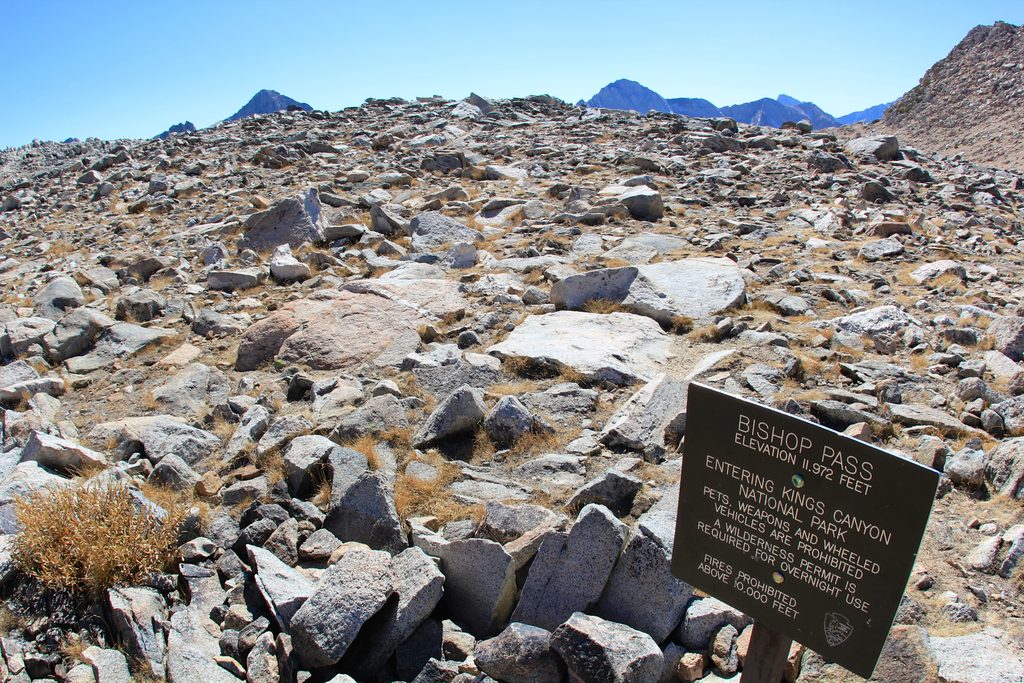
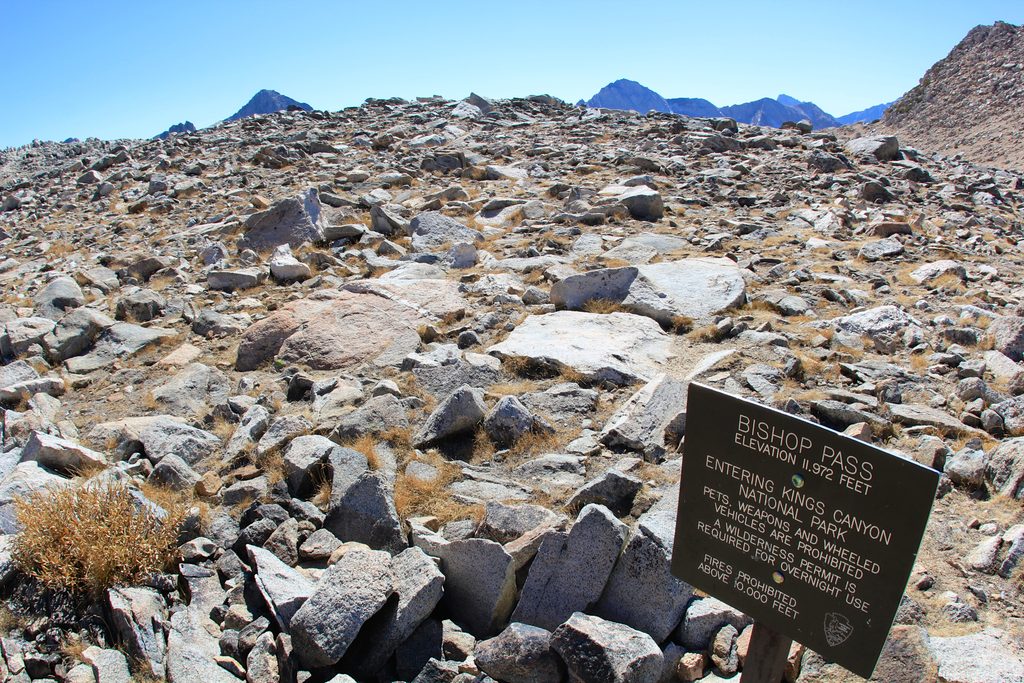
Most hikers drop in from the east via Bishop Pass: cross Dusy Basin and descend roughly 2,500 feet over about 4.5 miles to the canyon floor, then turn up-canyon past Little Pete and Big Pete Meadows toward Muir Pass. Coming from the north, you can enter the upper canyon via Piute Pass and Evolution Basin. Strong parties sometimes mix in off-trail high-route segments in this broader area, but the JMT/PCT provides the most straightforward path through the canyon.
The descent from Dusy Basin is steep but scenic, with switchbacks on glaciated granite. In the canyon, the JMT/PCT climbs steadily alongside the river, with rocky footing in places—especially as you gain elevation toward Muir Pass. It can feel hot in mid-day sun through the meadows, and many hikers cool off in the river on warm afternoons.
Water is reliable throughout the canyon thanks to frequent creeks and the Middle Fork. Popular camping zones include Little Pete Meadow, Big Pete Meadow, and upper Le Conte near small ponds and meadows before the final climb to the pass. The obvious flats can be competitive; look a bit upslope from the trail for quieter, durable sites. Meadows can be buggy early season, and steeper stretches don’t offer many good camps.
You’re likely to see marmots. Bear activity is possible, so store food properly—bear canisters are required in this area. As always, keep a clean camp and follow food storage rules.
There are no developed toilets in the canyon—practice Leave No Trace and pack out your TP. The last developed restroom on the west-side approach is at Road’s End; east-side trailheads typically have vault toilets at the parking area. Expect afternoon storms and chilly nights even in summer. The rocky miles can be hard on feet—tape early and often and air out your shoes at breaks. Always treat water.
Mid to late summer into early fall, depending on snow. Start early to beat heat through Little/Big Pete Meadows and to make steady progress on the climb toward Muir Pass. Early season brings mosquitoes; later season is generally drier and calmer. This is a popular backcountry corridor in peak season, but you’ll find quieter vibes by starting early and camping away from the trail.
East-side entries like South Lake (Bishop Pass) and North Lake (Piute Pass) use Inyo National Forest permits; west-side entries use SEKI permits. Bear canisters are mandatory.
Place · 3.4 mi away
Place · 4.6 mi away
Place · 4.7 mi away
Place · 4.8 mi away
Challenging · 8.2 mi away
Challenging · 17.6 mi away
Challenging · 17.7 mi away
Challenging · 17.7 mi away

Parkwolf Tour Guide
