
Place · 0 mi away
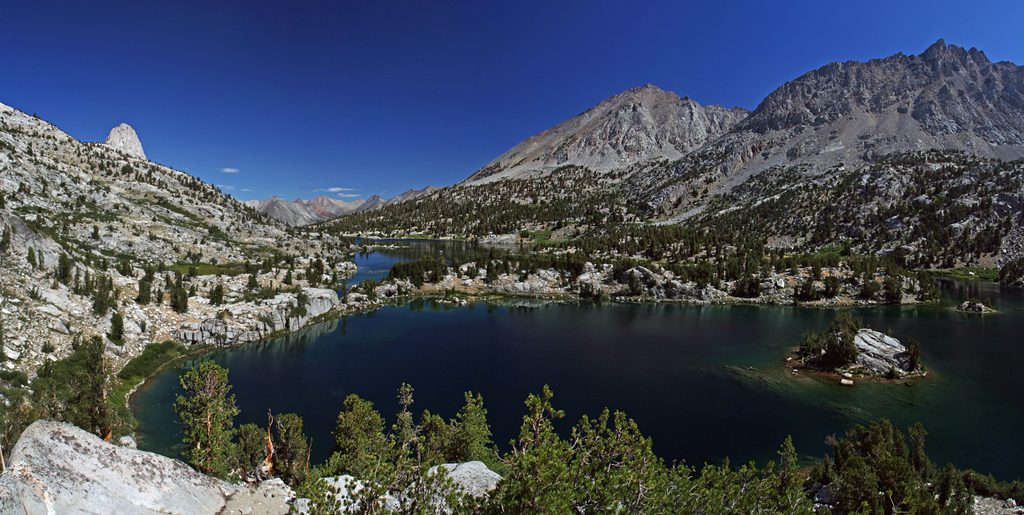
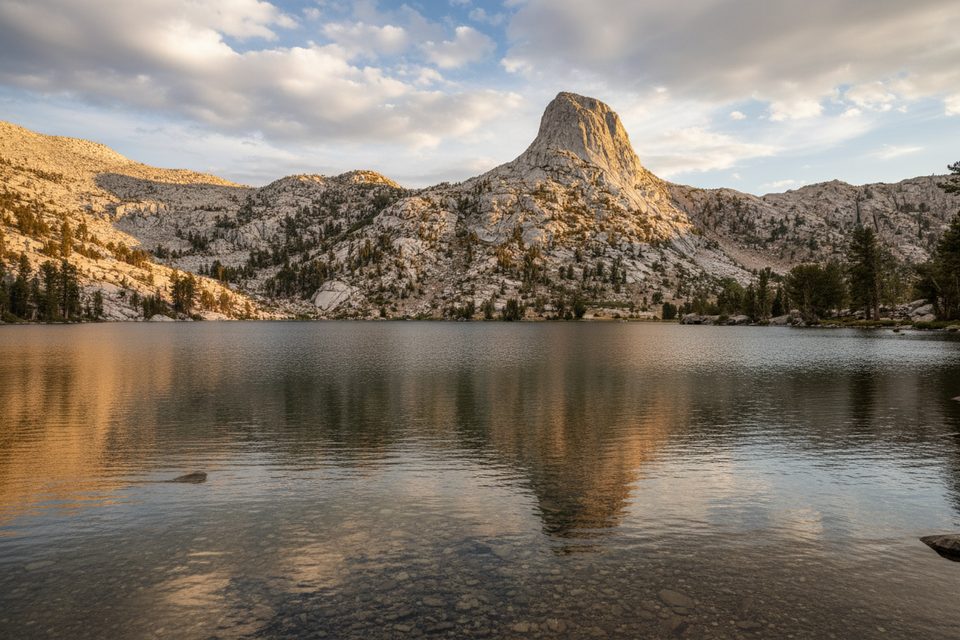
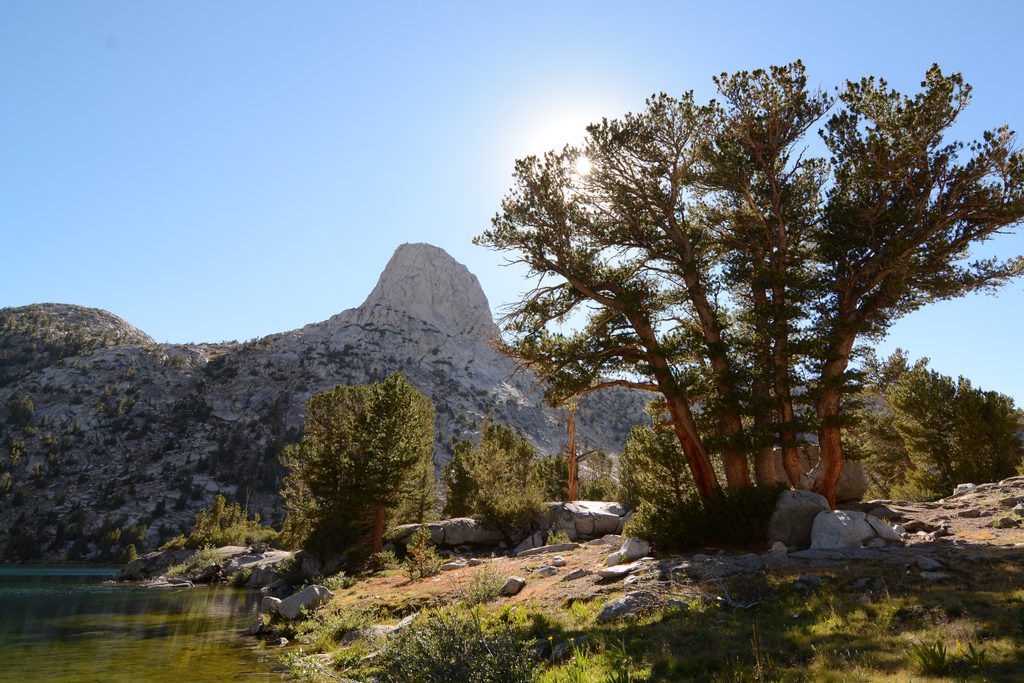
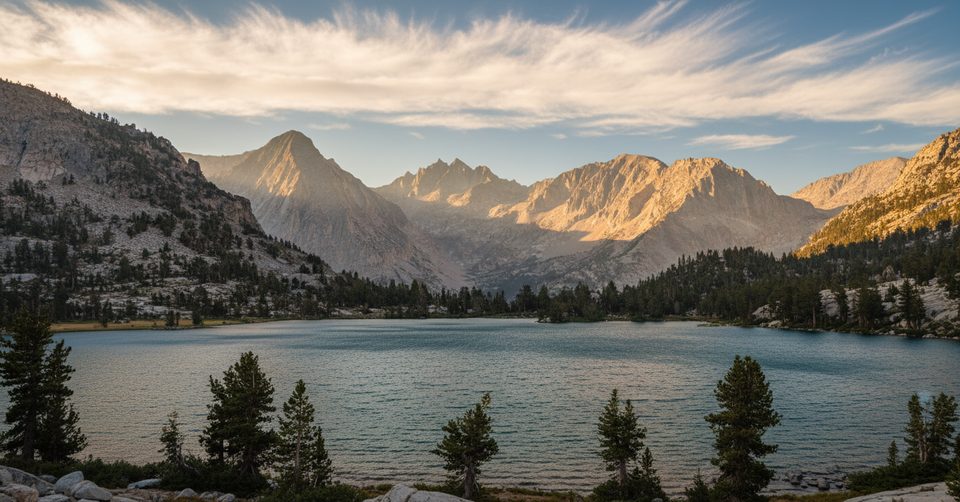
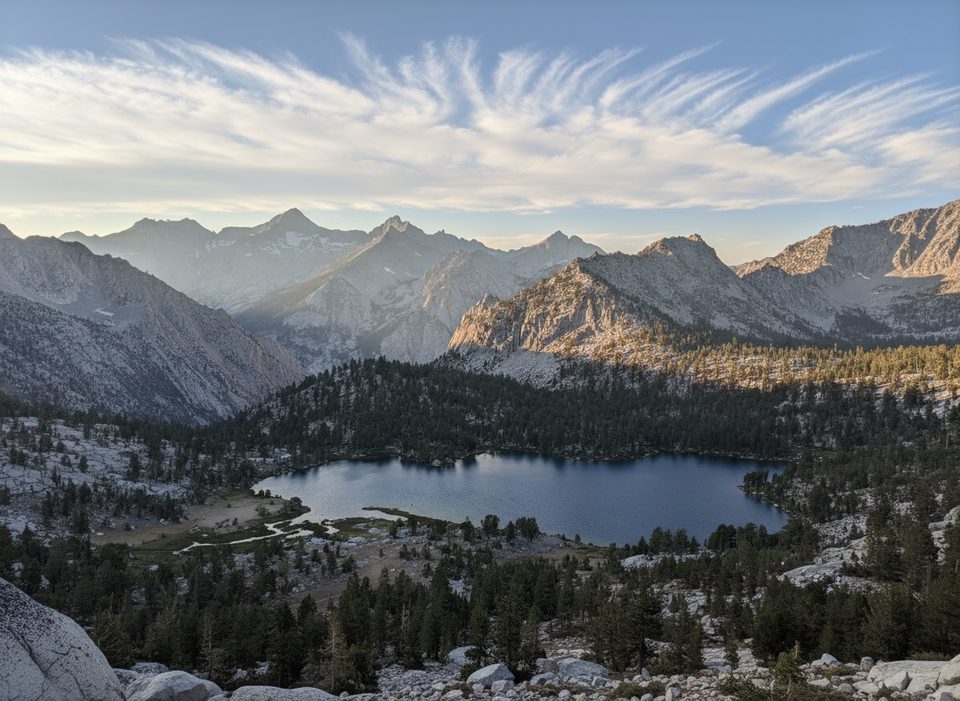
Lower Rae Lake anchors the heart of the Rae Lakes basin, a high-elevation necklace of turquoise water set beneath sharp Sierra peaks on the John Muir Trail/PCT. It’s the photogenic, spirits-lifting payoff many backpackers aim for on the Rae Lakes Loop, with classic granite walls, island-dotted shores, and broad alpine vistas.
Most backpackers reach Lower Rae Lake as part of the 40–43 mile Rae Lakes Loop from Road’s End, hiking either clockwise via Paradise Valley and Woods Creek or counterclockwise over Glen Pass first. Both directions work; clockwise spreads out the climbing before tackling the pass.
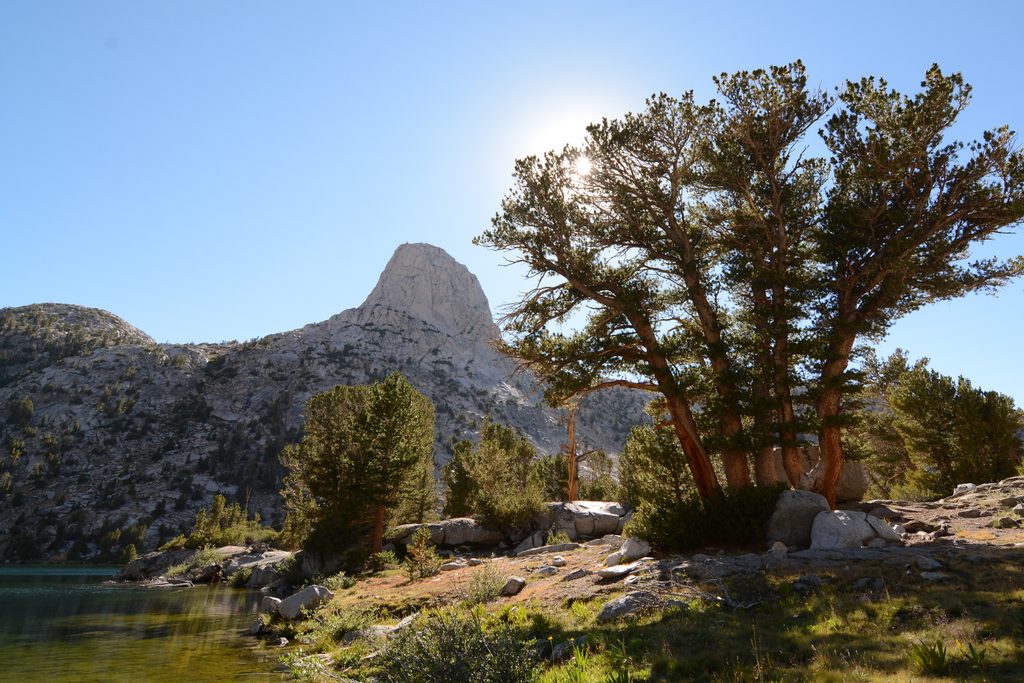
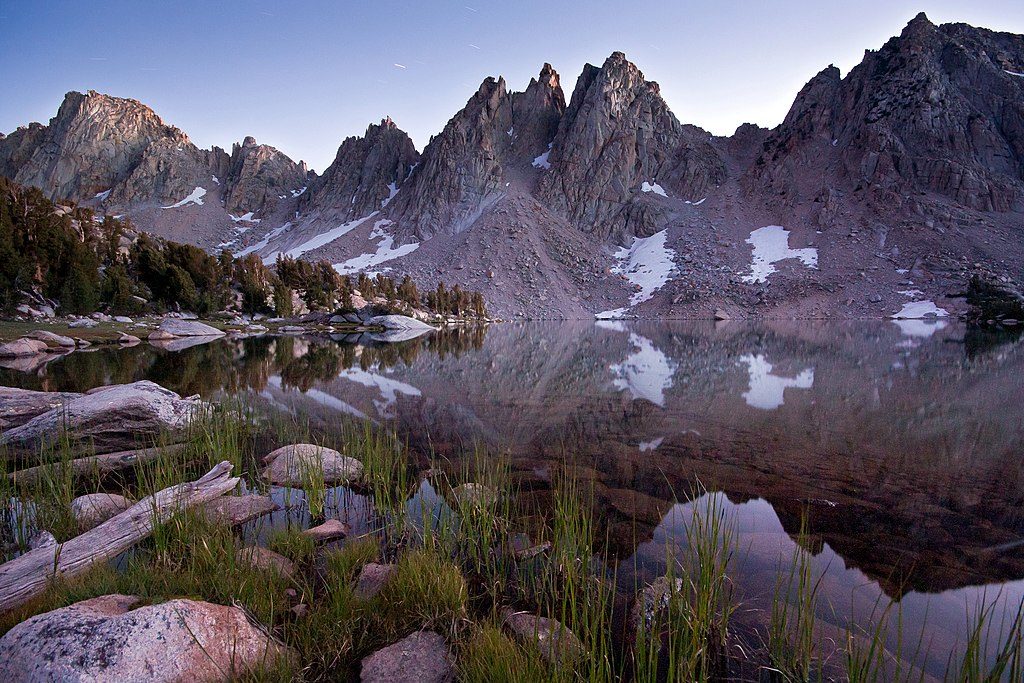
Expect a run of lakes—Dollar, Arrowhead, then the Rae Lakes—backed by dramatic Sierra stone. From the basin, distinctive peaks and domes frame the water, and the shoreline offers plenty of photogenic spots for camp or a long lunch. Anglers and casual casters alike report active trout right from shore at Lower Rae Lake.
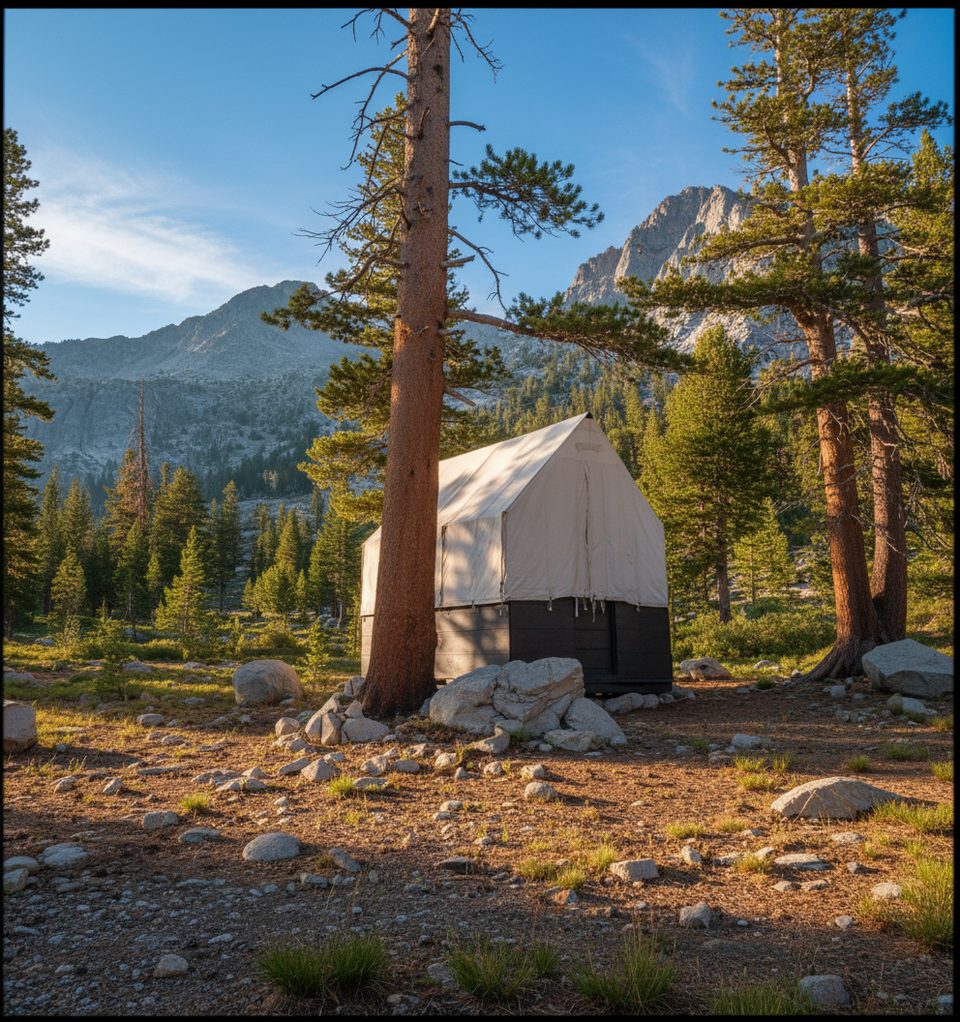
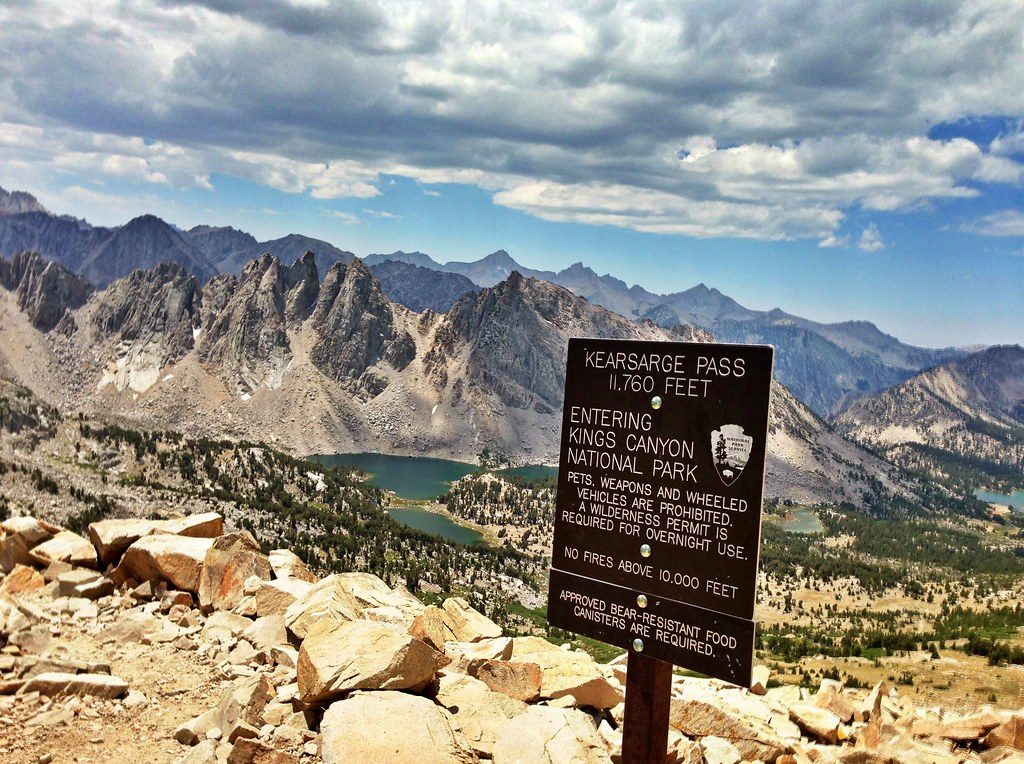
This is true backcountry: no restrooms, no running water, no services. Filter from the lake or nearby creeks. Camp only at established sites and set up at least 100 feet from water where signed or required. Camping is limited to one night per lake in the Rae Lakes area. Bear canisters are required; while some bear boxes are present near Middle and Lower Rae Lakes, do not rely on finding a box at your exact camp. Bear spray is not allowed. Campfires are prohibited at and above 10,000 feet, which includes Rae Lakes—bring a stove.
Summer to early fall is prime once snow has melted off Glen Pass. Early season can bring lingering snow and high, pushy stream crossings; conditions change quickly, so check with rangers before you go. Even in late summer, expect altitude to make the pass feel stout. Afternoon thunderstorms can pop up—start early on pass days and keep an eye on the sky.
Black bears are common—store everything scented properly. You may also spot deer, marmots, pika, and rattlesnakes along the approach. Mosquitoes ebb and flow with melt and temperature; late summer is often kinder, but bring repellent.
Clear, calm mornings and golden evenings deliver the best reflections and photos. Weekdays see fewer people than weekends, and late season (after peak melt) typically means easier travel and fewer bugs. Start hiking early for cooler temps and to beat afternoon storm chances.
Place · 0 mi away
Place · 0 mi away
Place · 0 mi away
Place · 0.8 mi away
Challenging · 4.2 mi away
Challenging · 4.2 mi away
Challenging · 4.2 mi away
Challenging · 4.2 mi away

Parkwolf Tour Guide
